






Free written scope consultation - allowances, timeline, and change-order rules on paper before a single trade is scheduled
Fast, Reliable General Contractor Across Simi Valley
Finding a general contractor who understands Simi Valley’s acreage lots, expansive clay soil, and county permitting rules changes how your project goes from the first week to the final inspection. We’re Elmstead Remodeling Ventura, a Cedarwell company founded in 2005, and our crews work across Simi Valley every week – from Bridle Path to Wood Ranch to the older mid-century pockets near the 118. When you call (341) 218-4316, a live person answers, not a voicemail box. That matters when you’re trying to figure out whether a detached ADU on your horse-zoned lot needs county or city permits, or whether the stucco crack you just noticed is something to schedule now or watch through one more winter.
Why Elmstead Remodeling Ventura Is Simi Valley’s Preferred General Contractor Company

Simi Valley homeowners hire us because we name the protection before we name the price. Shoe covers at the door, drop cloths on the floors, quiet tools during nap and school hours, and pet-safe product choices where there’s a choice. It’s not a slogan. It’s the Cedarwell Care Promise, and it’s written into every project we scope.
Our reputation here is built on the parts of the job most contractors skip. Before the crew leaves, we photograph the clean-up and send it to you. Before any work starts, you get a written price. And after the project is complete, our 365-Day Done Right Promise stands behind it: if it’s not done right, we make it right. That’s the longest-standing post-project commitment in our service area, and it’s stamped on every job we finish in Simi Valley.
Graham Stein leads our team, and the standard he holds is simple: the crew asks before they move anything, explains the price before the work begins, and leaves the house in better shape than they found it. Families with kids and dogs notice the difference by day two.
Styles & brands we work with

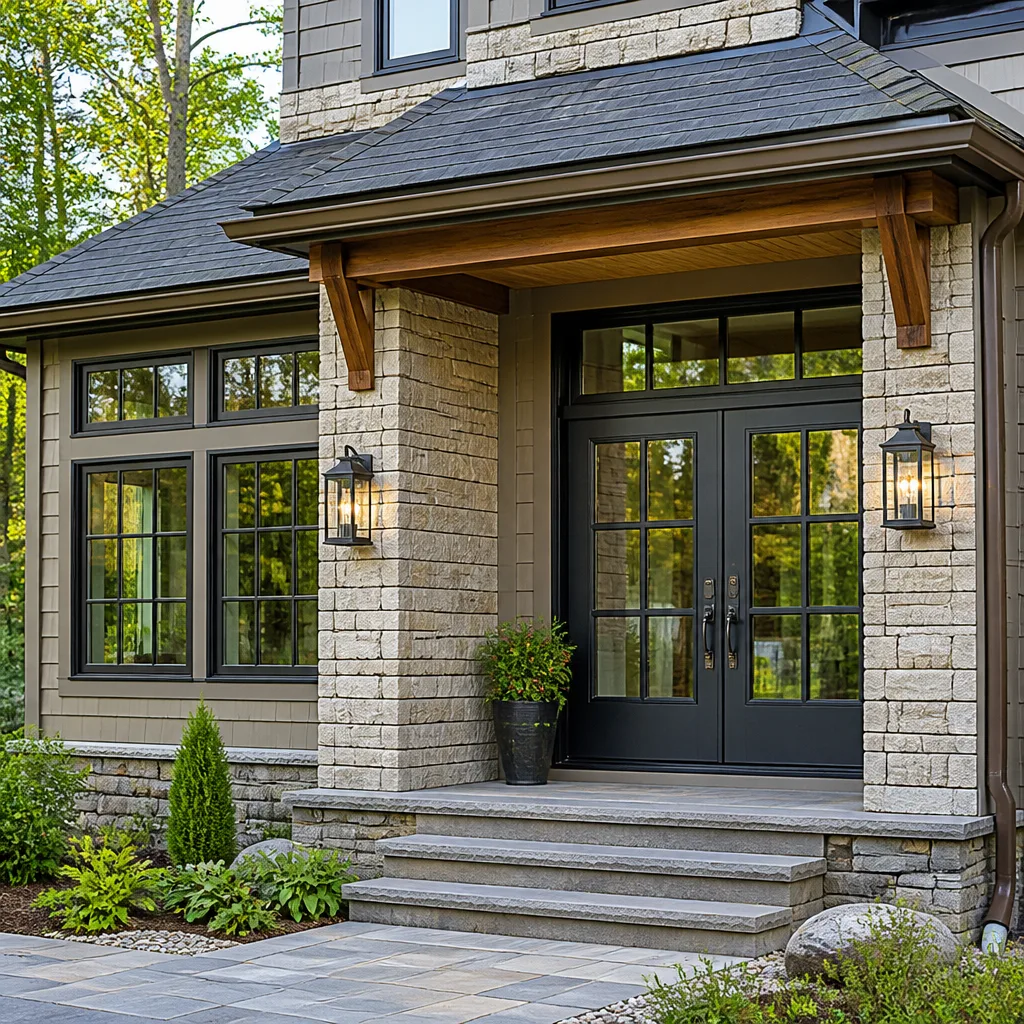
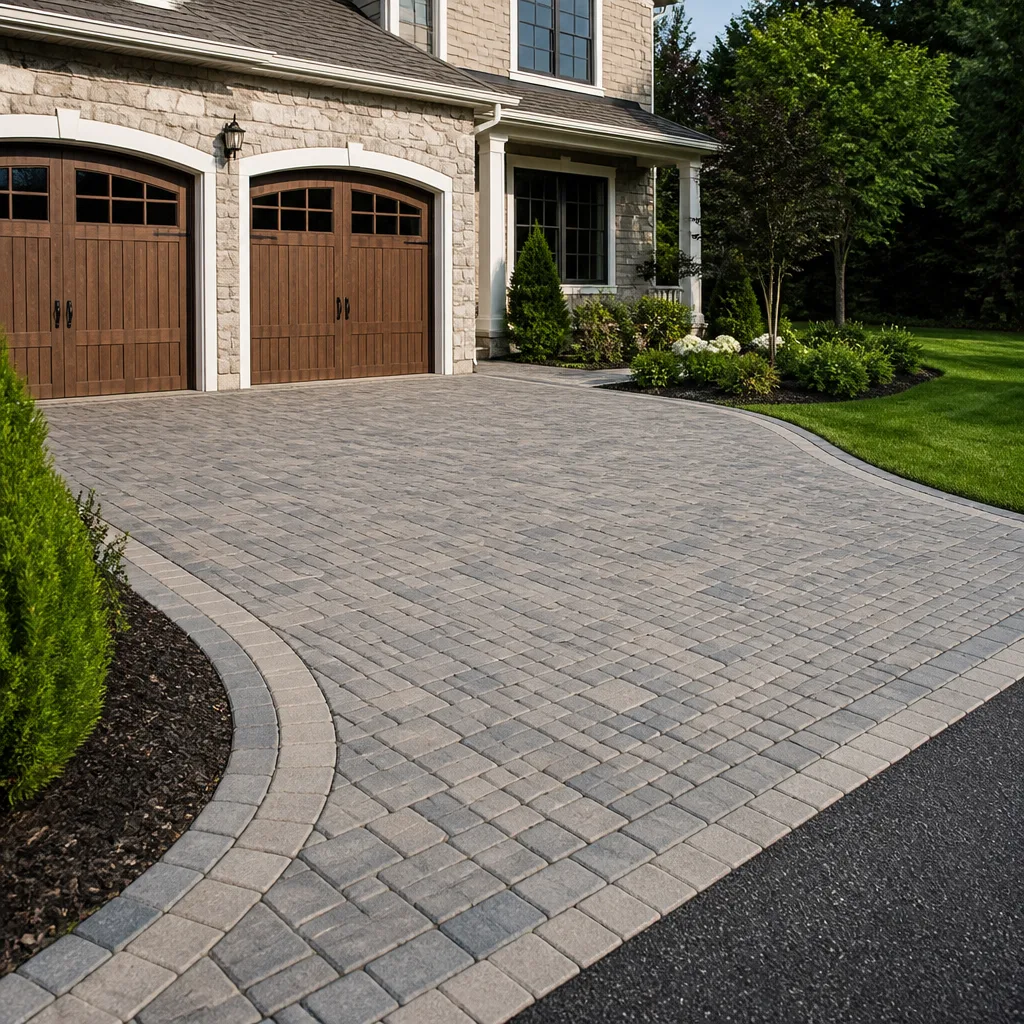

Residential General Contractor in Simi Valley
Residential General Contractor work in Simi Valley almost always starts with the ground under the house. The city’s 1960s through 1990s ranch homes and newer stucco-and-tile tract houses sit on expansive adobe clay that swells with winter rain and shrinks to dust in summer heat. That movement is why homeowners in Texas Tract and Bridle Path see recurring vertical stucco cracks and popped drywall nails every few years. A general contractor who skips the soils report and pours a standard slab on grade is setting you up for the same cracks in your new addition within two seasons.
What does a typical residential general contracting scope cost here? A home addition in Simi Valley runs $45,000 to $130,000. A garage conversion lands between $30,000 and $80,000. An ADU construction project on an acreage lot typically runs $90,000 to $220,000. Those ranges reflect local permitting, soils engineering, and the material haul distances that come with building on larger lots.
Scoping Work on Acreage and Horse-Zoned Lots
Building on Bridle Path or any of Simi’s horse-zoned neighborhoods is not the same as building on a 6,000-square-foot tract lot. County permitting governs many of these properties, which means septic setbacks, well locations, and grading rules shape the buildable area before you pick a single finish. We scope these constraints first, because they change the foundation design and the draw schedule.
Foundation and Soils Work Before Framing
On expansive clay, the right foundation often means a pier-and-grade-beam system or a sand cushion between the native soil and the slab. It costs more up front than a standard slab on grade, and it prevents the heave that cracks stucco, pops drywall nails, and shifts door frames. We include soils engineering in the written price when the lot’s history or the county’s records call for it, not as a surprise change order after demolition.
Hire a General Contractor in Simi Valley

When you hire a General Contractor in Simi Valley, you’re hiring someone to manage the permit path, the soils report, the subs, the material delivery, and the inspections. On acreage lots with wells and septic systems, that coordination is the difference between a project that closes out clean and one that stalls at final sign-off. We’ve walked these lots. We know what the county will ask for, and we name it in the quote so you’re never surprised by a line item after the crew arrives.
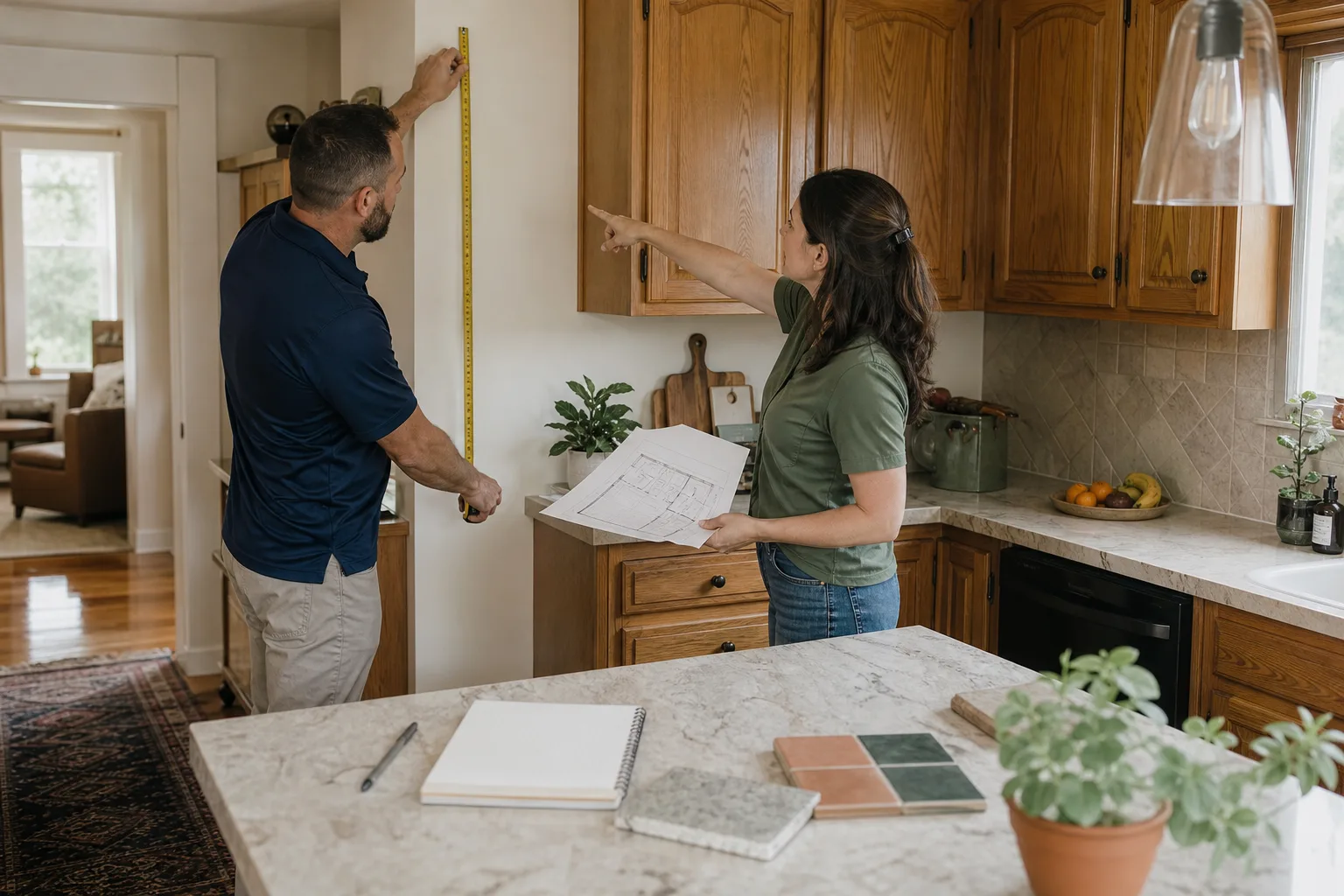
The practical side of hiring us looks like this: you call, a live person answers, we schedule a site visit, and you get a written price before any work starts. That price includes the Cedarwell Care Promise protections – shoe covers, drop cloths, the clean-up photo, quiet tool hours where possible – because those aren’t add-ons. They’re the way we work.
Draw Schedules Tied to County Inspections
On a hillside addition that needs grading and a retaining wall, we set the draw schedule so you pay as the work passes county inspections, not ahead of work hidden inside the walls. That means when the footing inspection passes, that milestone is funded. When the framing inspection passes, the next draw releases. You always know what you’ve paid for and what’s been verified.
Outbuildings, Shops, and Detached ADUs
A detached shop or ADU on a horse property brings septic and well setbacks into the design conversation early. In one Bridle Path lot, our crew scoped a detached ADU on 1.2 acres where the county septic setback pinched the buildable area. We relocated the leach field, used a pier-and-grade-beam foundation with a 12-inch sand cushion over the adobe clay, and framed the wood-frame stucco structure after the county signed off on the soils plan. The draw schedule rode on those inspections, and the owner never paid ahead of the work in the walls.
Trusted Brands We Service in Simi Valley
We spec named-brand materials because warranties that travel with the finished project matter to families. In Simi Valley, we regularly install Kohler and Grohe fixtures, Schluter waterproofing systems in showers, and cabinets from KraftMaid and Wellborn. Countertops come from Cambria and Silestone, and exterior work uses James Hardie siding where fire-resistant cladding is the right call. These aren’t generic picks. You can research every one of them by name and check their manufacturer warranties independently before you sign anything.
See the difference
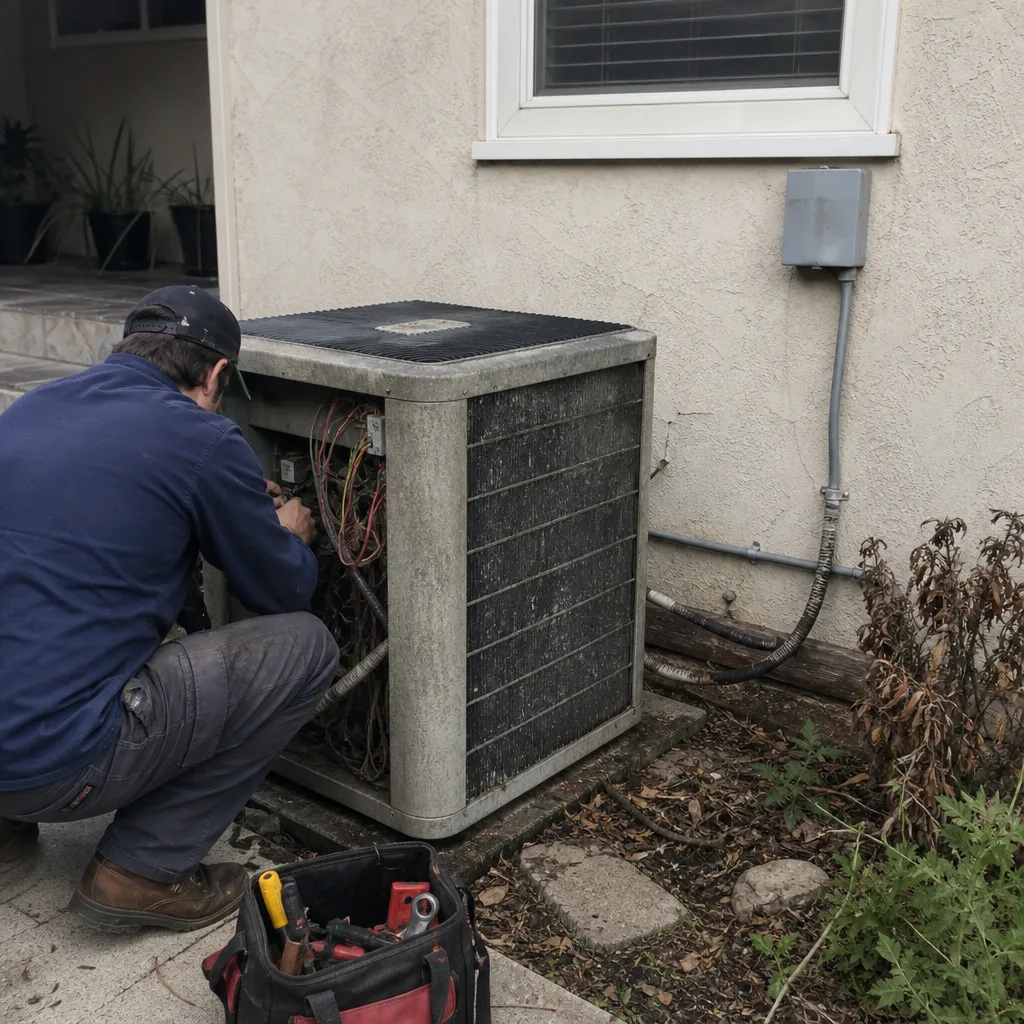 Before
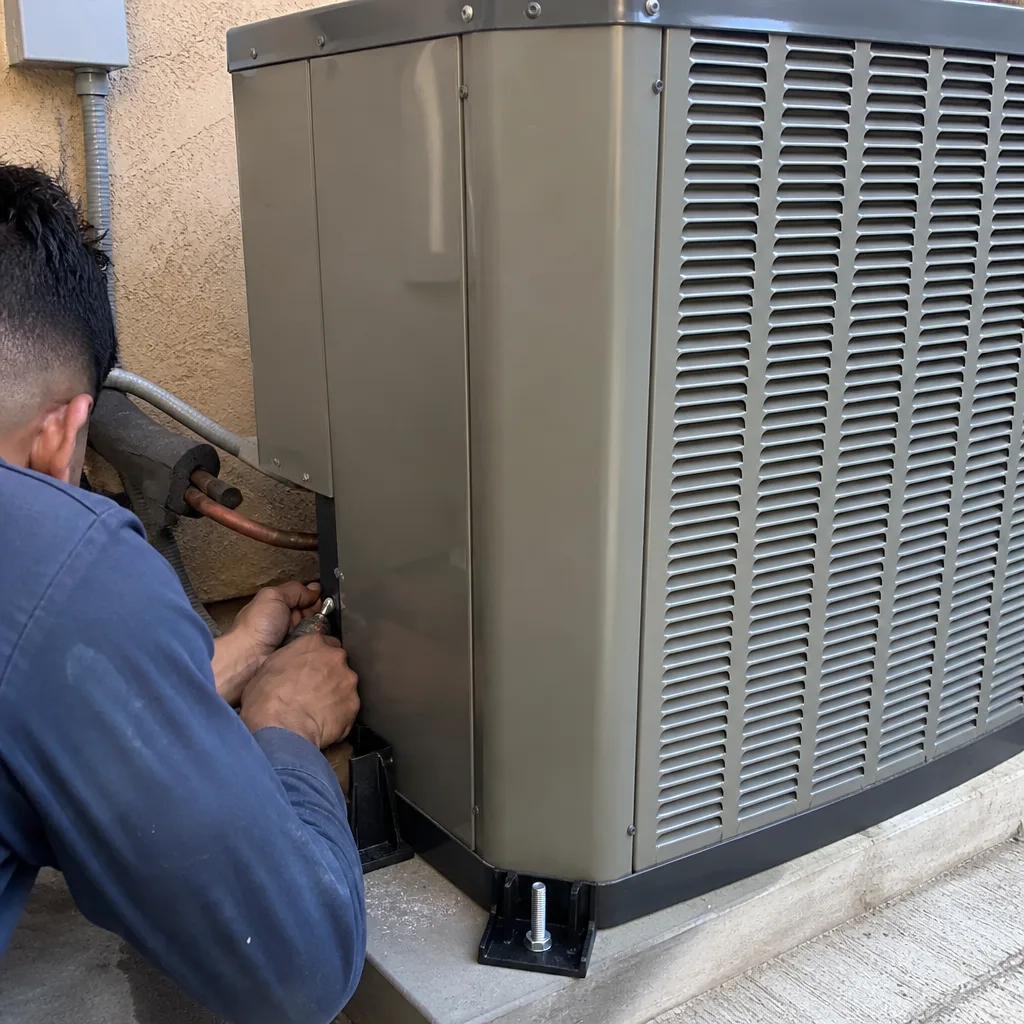 After
After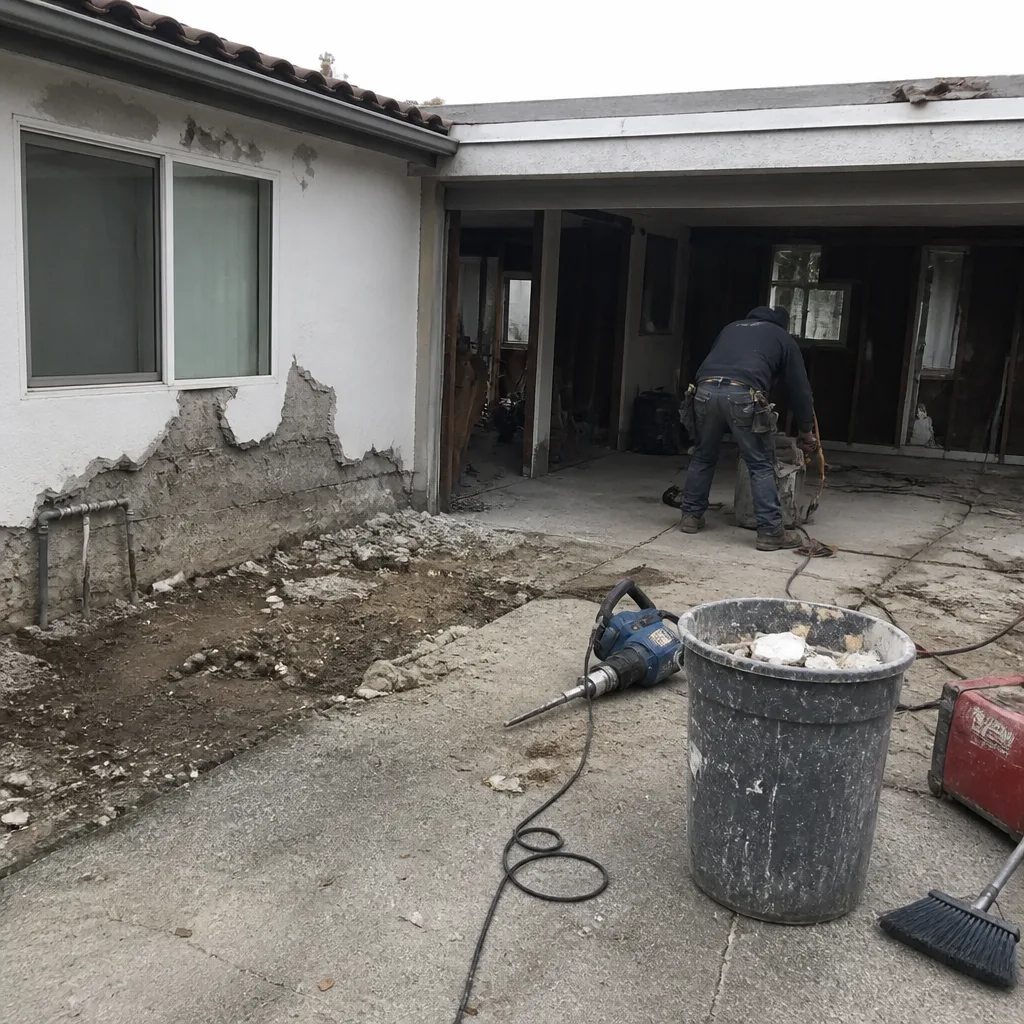 Before
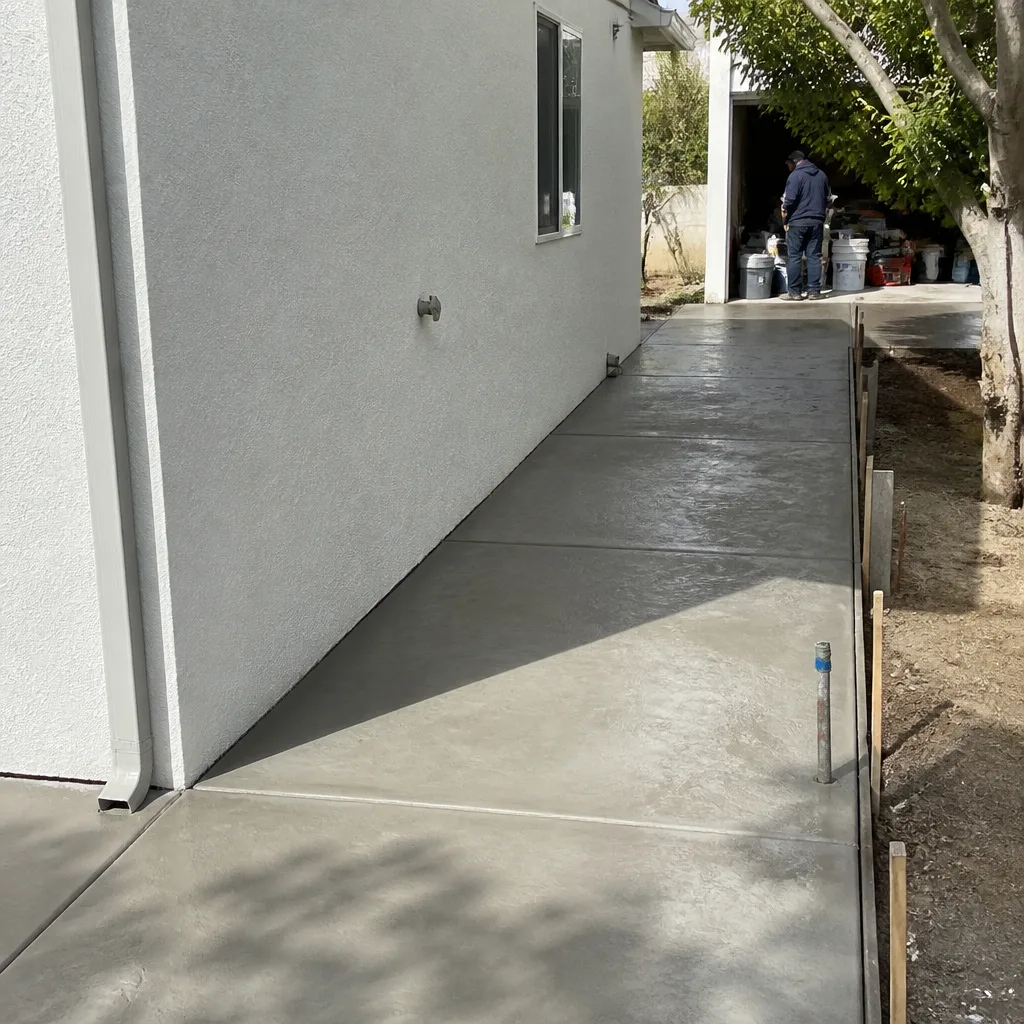 After
After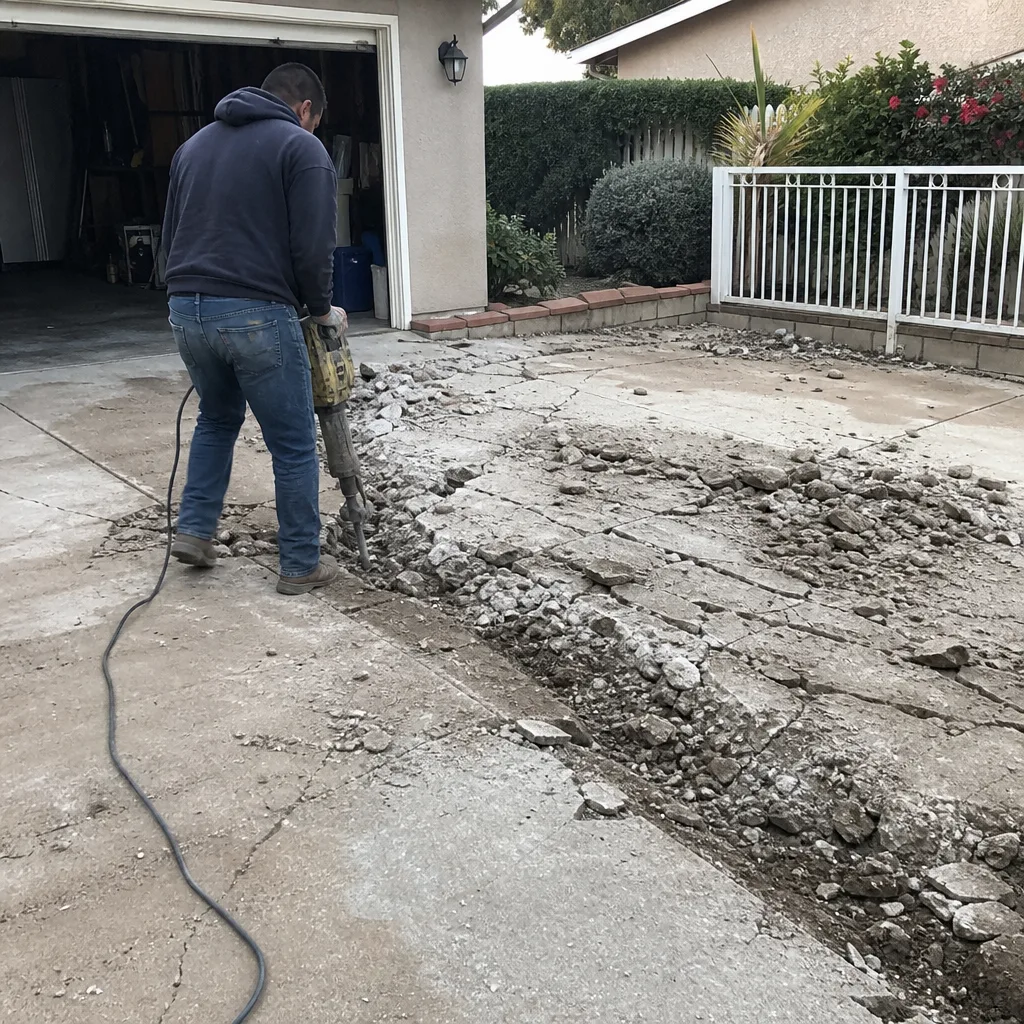 Before
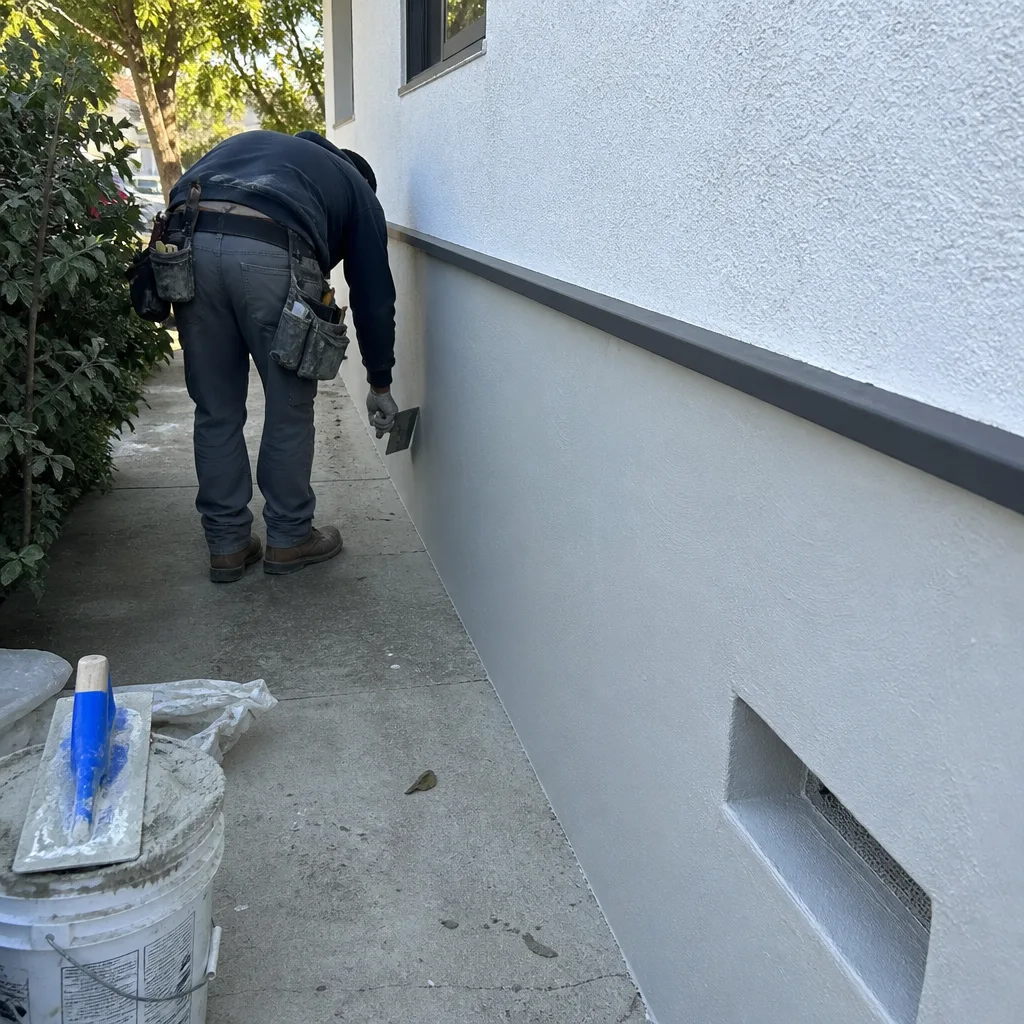 After
AfterCommon General Contractor Problems We See in Simi Valley Homes
- Cracked slabs and stucco separations from expansive clay. The adobe soil under Simi Valley swells in winter and shrinks in summer, so slabs poured without a soils report or proper cushioning heave within a few seasons. The fix is engineering, not another coat of patch.
- Unpermitted detached structures on acreage lots. We regularly see shops and converted garages that were built without county permits. They fail septic setback or grading inspections at resale, and the buyer inherits the problem. Pulling the permit late costs more than doing it first.
- Wildfire-adjacent repairs without defensible-space setbacks. Homes in the hillside overlay zones need ember-resistant venting and proper setbacks on decks and stucco repairs. Work done without those details gets torn out before final inspection.
- Draw schedules that pay the contractor ahead of the work. On larger additions and ADUs, some contractors front-load the payments. We tie draws to county inspection milestones so your money tracks the verified progress, not a promise.
Pricing for General Contractor in Simi Valley, CA
Here are the market ranges we quote for the work Simi Valley homeowners ask about most. These numbers reflect local permit costs, soils engineering where required, and the material haul distances on acreage lots, not a national average.
| Project Type | Typical Simi Valley Range |
|---|---|
| ADU Construction | $90,000 – $220,000 |
| Home Addition | $45,000 – $130,000 |
| Garage Conversion | $30,000 – $80,000 |
| Driveway Replacement | $5,000 – $14,000 |
What moves the number? Soils reports and pier-and-grade-beam foundations add cost up front but prevent the heave that cracks a standard slab. County permits for septic or well work add review time and inspection milestones. Long material hauls to the west side or up into the hills add delivery cost. We give you the written price after the site visit and before any work begins, and that price holds.
We Also Serve Cities Near Simi Valley
Our crews work regularly in Moorpark, Newbury Park, Fillmore, and Somis, and our dispatch team schedules those routes alongside Simi Valley jobs. If your property sits just outside city lines or you’re comparing quotes across the valley, call and ask for a site visit. We’ll tell you honestly whether your lot faces the same county permitting and soils requirements as a Simi Valley acreage job.
Serving Simi Valley, CA - Our Local Coverage Area
We’re based in the Simi Valley area and know this community well. Use the map below to see our service coverage - if you’re nearby, we can almost certainly help.
FAQs About General Contractor in Simi Valley
Most acreage lots in Simi Valley’s horse-zoned neighborhoods fall under Ventura County permitting, not city permitting, which means septic setbacks, well locations, and grading rules come from the county. The best first step is a site visit with our team – we’ll check the parcel’s jurisdiction and tell you exactly which agency issues the permit before you spend a dollar on design.
We price it by starting with a soils report when the lot’s history or county records call for one, then we design the slab with the right cushion or pier system to resist seasonal heave. That engineering cost is in the written price up front, not added after excavation. Call (341) 218-4316 and we’ll walk the lot with you.
The clay under Simi Valley swells with winter moisture and shrinks in summer heat, and that movement stresses slabs, stucco, and drywall in predictable patterns. Yes, a general contractor can address the underlying cause: the fix usually involves foundation work, drainage corrections, or re-anchoring the frame, not just filling the visible crack. We’ll tell you which one your house actually needs.
Draws should tie to county inspection milestones – footing, grading, retaining wall, framing, rough mechanicals, and final – so you pay for verified progress rather than work hidden inside the walls. We write the draw schedule into the contract before dirt moves, and every release follows a passed inspection. Estimates are free, and that schedule is part of the written quote.
Sometimes yes, and it starts with a survey of the existing septic and well setbacks against the county’s current requirements. If the leach field needs relocation or a new well is required, that cost goes into the written price before you commit. We’ve done exactly this on Bridle Path, and we’ll show you how the numbers work on your specific parcel.
Written by Graham Stein, Owner at Elmstead Remodeling Ventura.