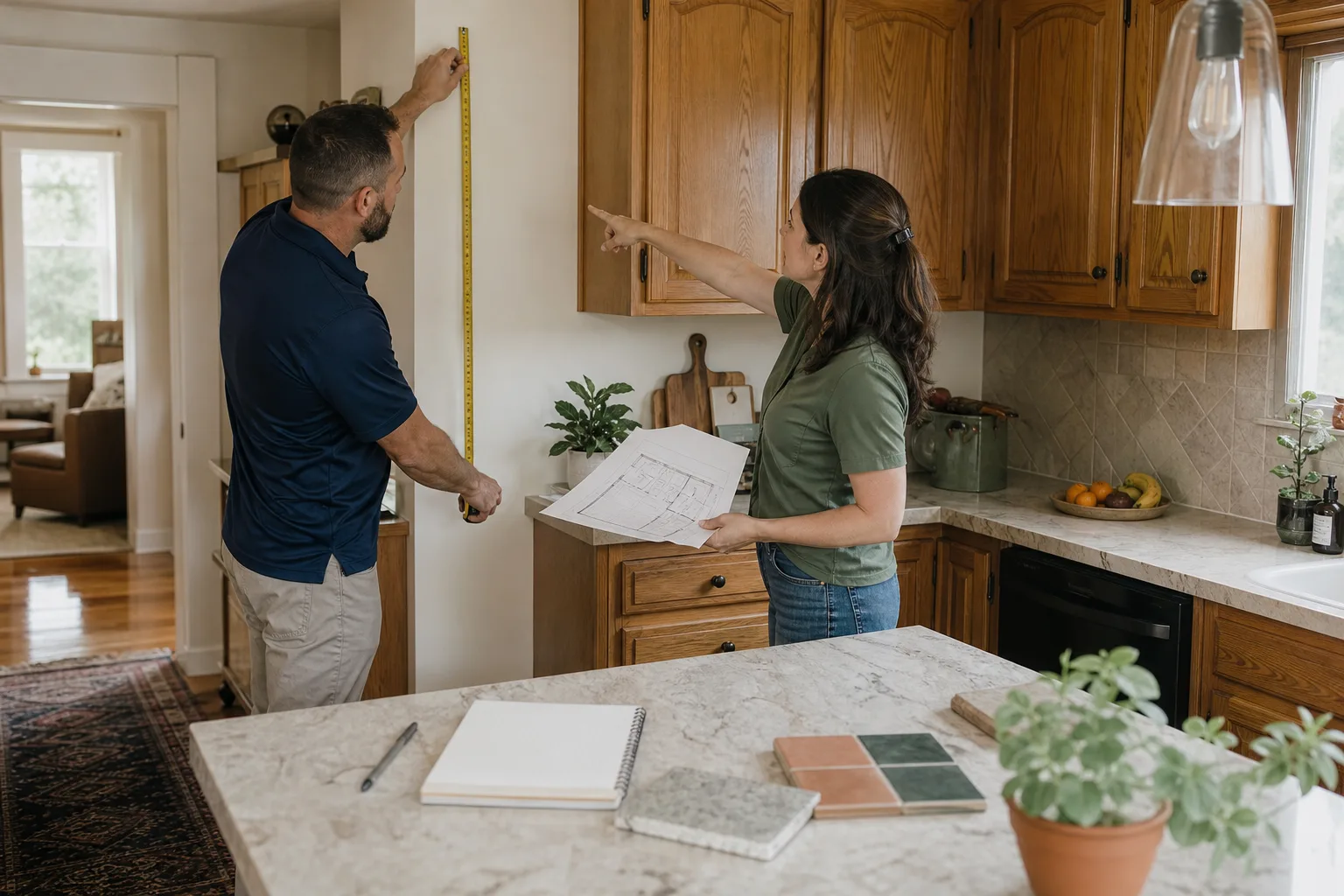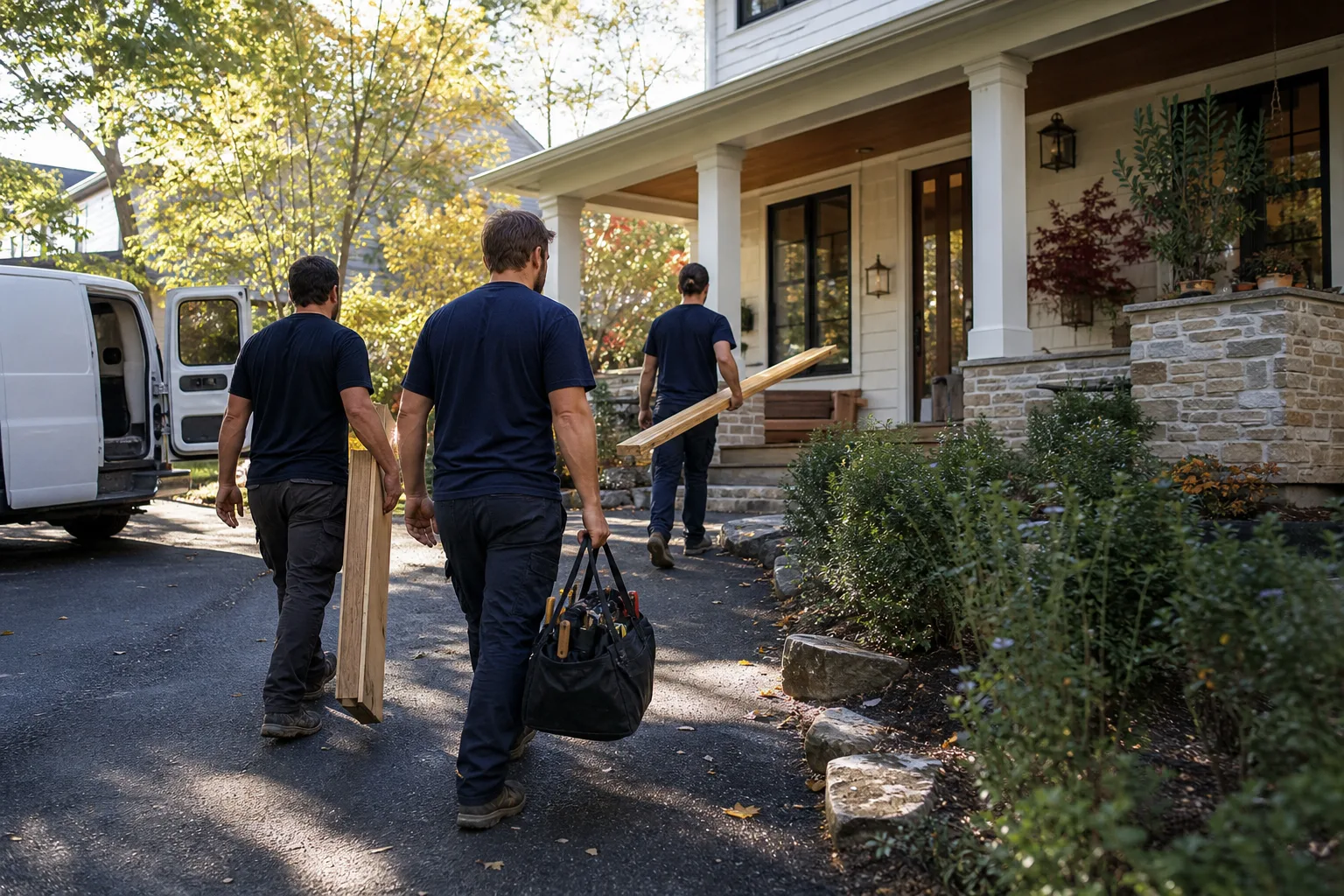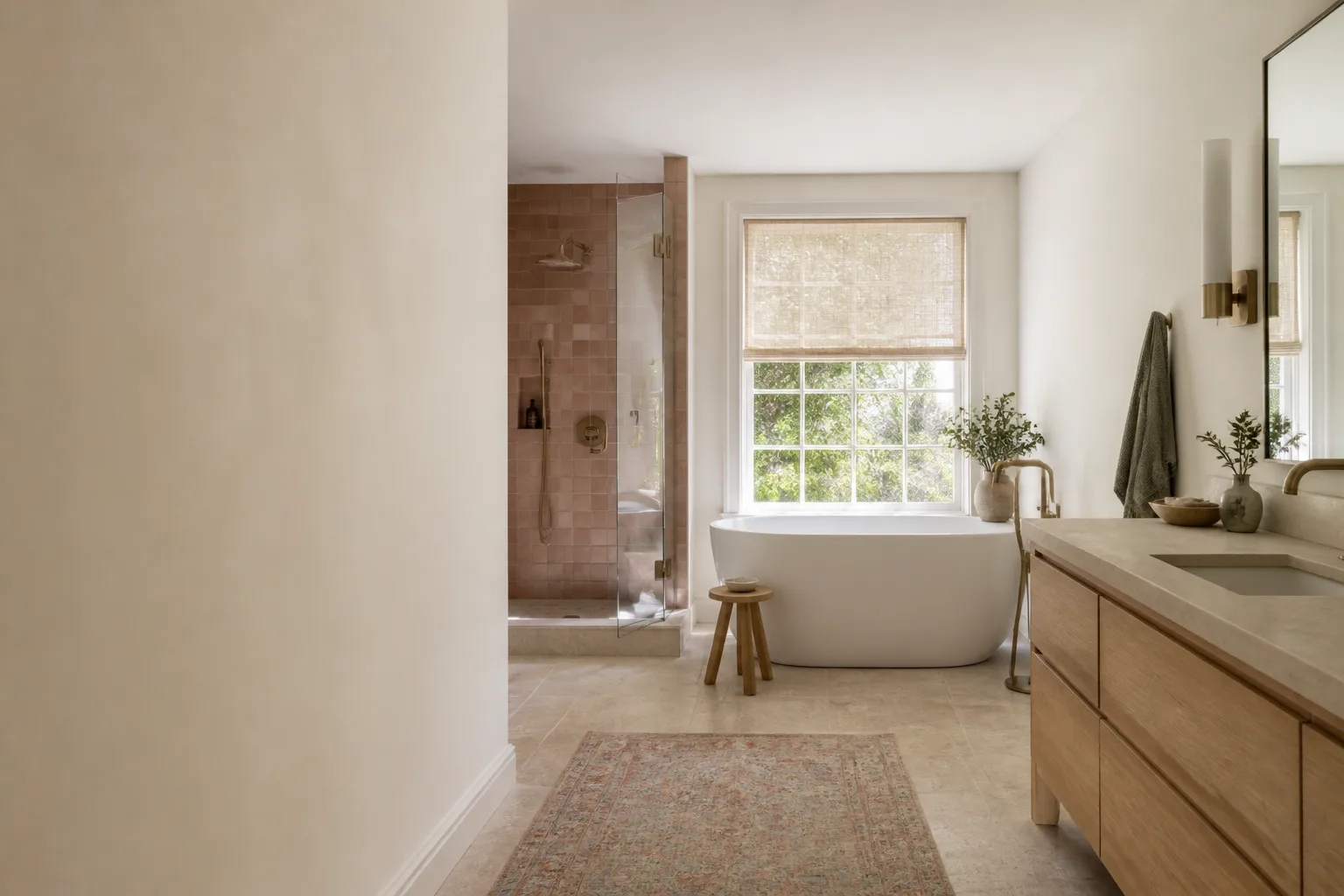
Free written scope consultation - allowances, timeline, and change-order rules on paper before a single trade is scheduled
American Standard Home Additions & ADU: The Ventura Owner’s Guide
If you’re researching American Standard home additions and ADU work in Ventura, the short answer is this: a full home addition in Ventura typically runs $45,000 – $130,000, while an accessory dwelling unit (ADU) generally lands between $90,000 – $220,000 depending on size, foundation work, and finish level. We walk families through the written price before the first board moves, so that range is spelled out on paper, not floated as a guess. Most homeowners reach this page after years of outgrowing their current floor plan, or because a detached garage or bonus room has finally stopped serving the household and they want to know what it would take to convert it into living space.
What we’ve learned in Ventura is that the decision usually starts with a specific trigger: a second child, an aging parent moving in, or a work-from-home situation that has taken over the dining table. The home addition or ADU is the fix, but the questions are always the same, and they deserve direct answers about square-foot costs, permit timelines, and what happens to the rest of the house while the work is underway.
Which American Standard Models This Applies To
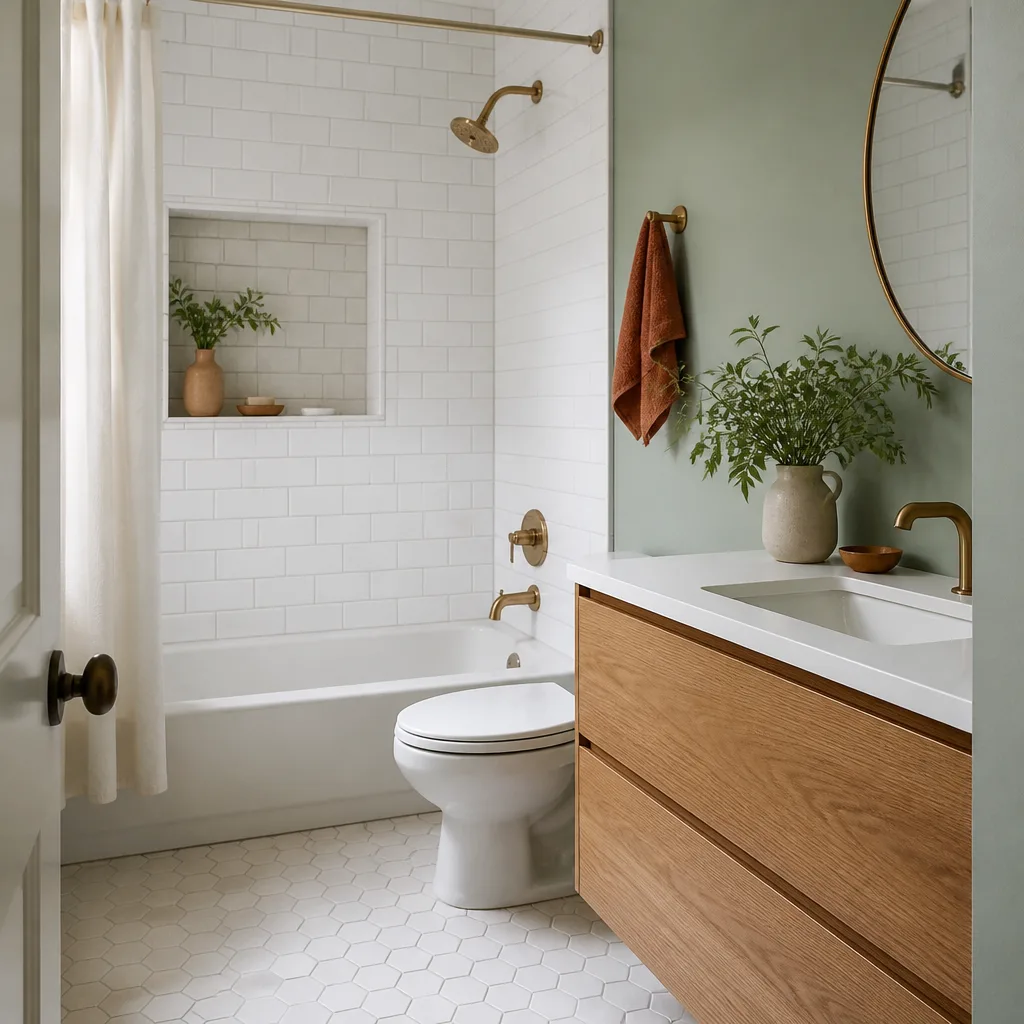
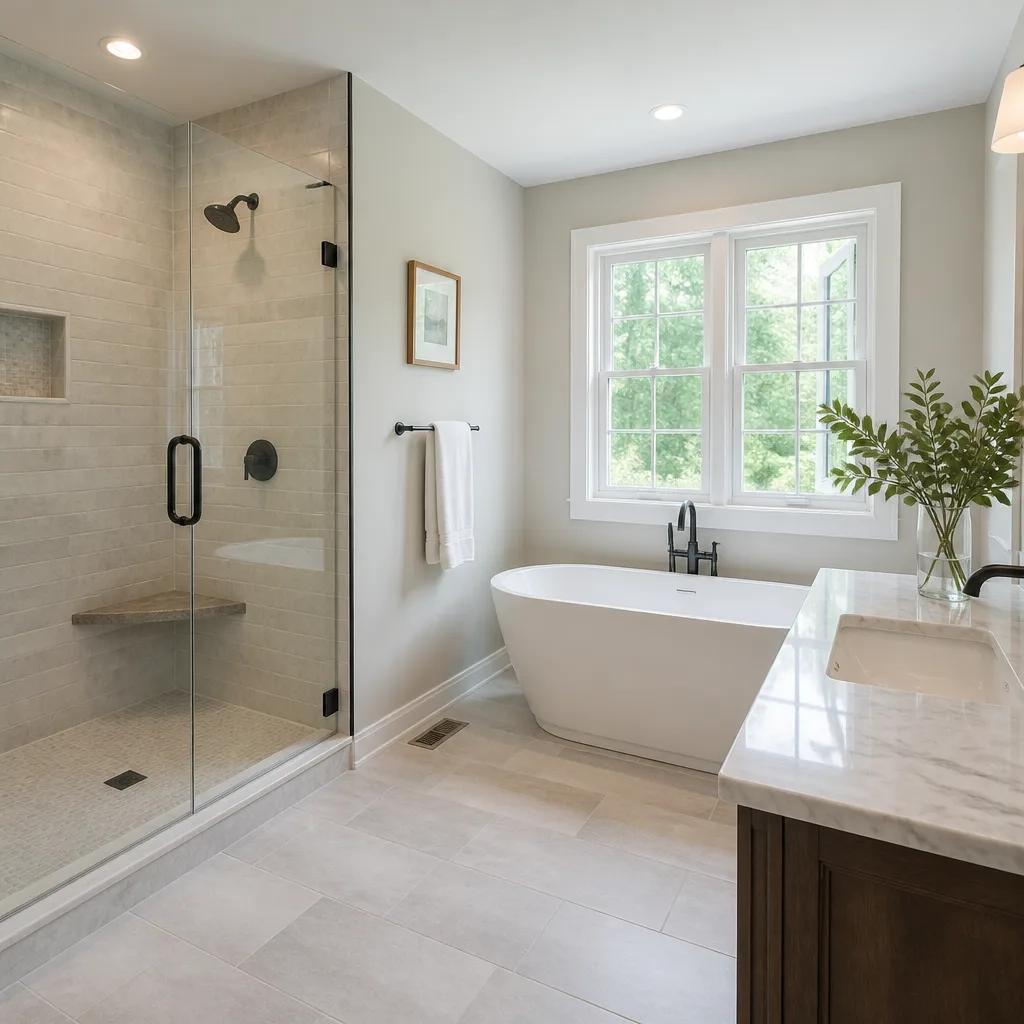
American Standard is known for plumbing fixtures, HVAC equipment, and water heating systems rather than structural building components, so when a Ventura homeowner asks us about “American Standard home additions,” what they’re usually describing is an addition or ADU that will tie into existing American Standard plumbing, HVAC, or water-heating infrastructure. The compatibility question is less about a model number on a wall panel and more about whether the existing American Standard equipment can handle the added load of a new bedroom suite, bathroom, or full ADU.
Here’s the compatibility gotcha most people don’t see coming: a standard 40-gallon American Standard water heater that comfortably serves a three-bedroom house will often struggle when a 600-square-foot addition adds a bathroom and laundry hookup. The same goes for HVAC. An American Standard air handler sized for 1,800 square feet won’t magically stretch to 2,500 without ductwork changes and possibly a condenser upgrade. Before we frame a single wall, we check the nameplate ratings on the existing equipment and tell you plainly whether your current American Standard system can absorb the addition or whether the project needs to include a mechanical upgrade. That conversation happens at the estimate, not after demolition starts.
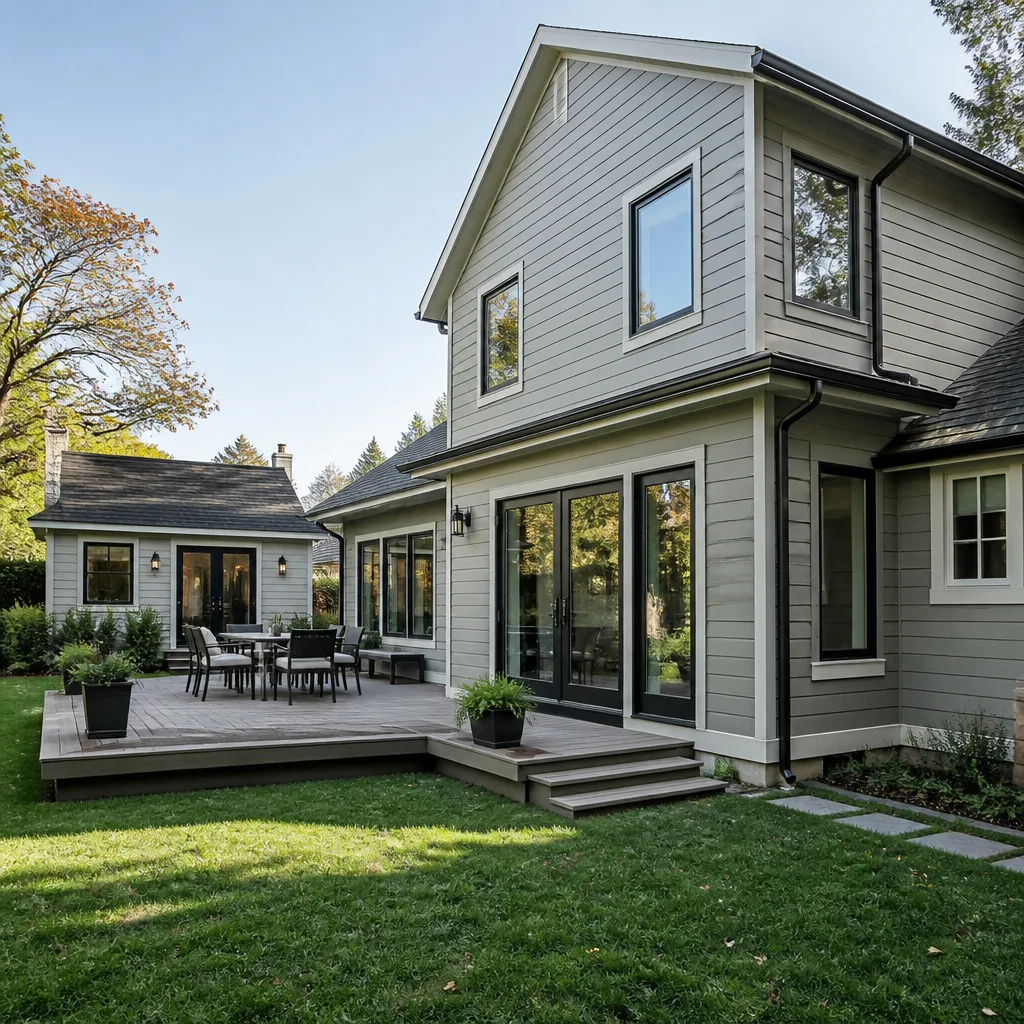
For ADUs specifically, Ventura’s coastal climate means exterior materials matter more than people expect. Salt air off the Pacific shortens the life of cheap flashing and fasteners. We specify corrosion-resistant hardware and James Hardie siding on detached ADUs because we’ve seen what two winters of marine layer do to builder-grade trim.
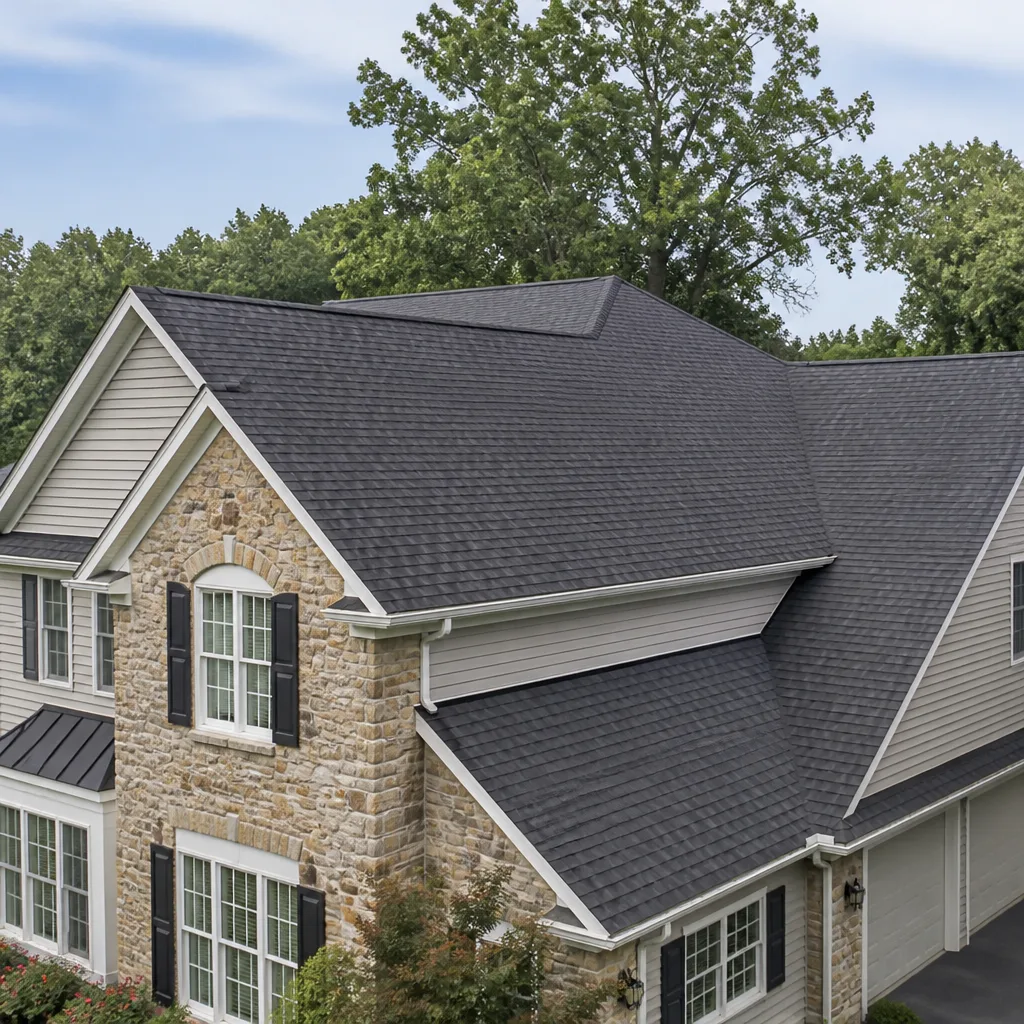
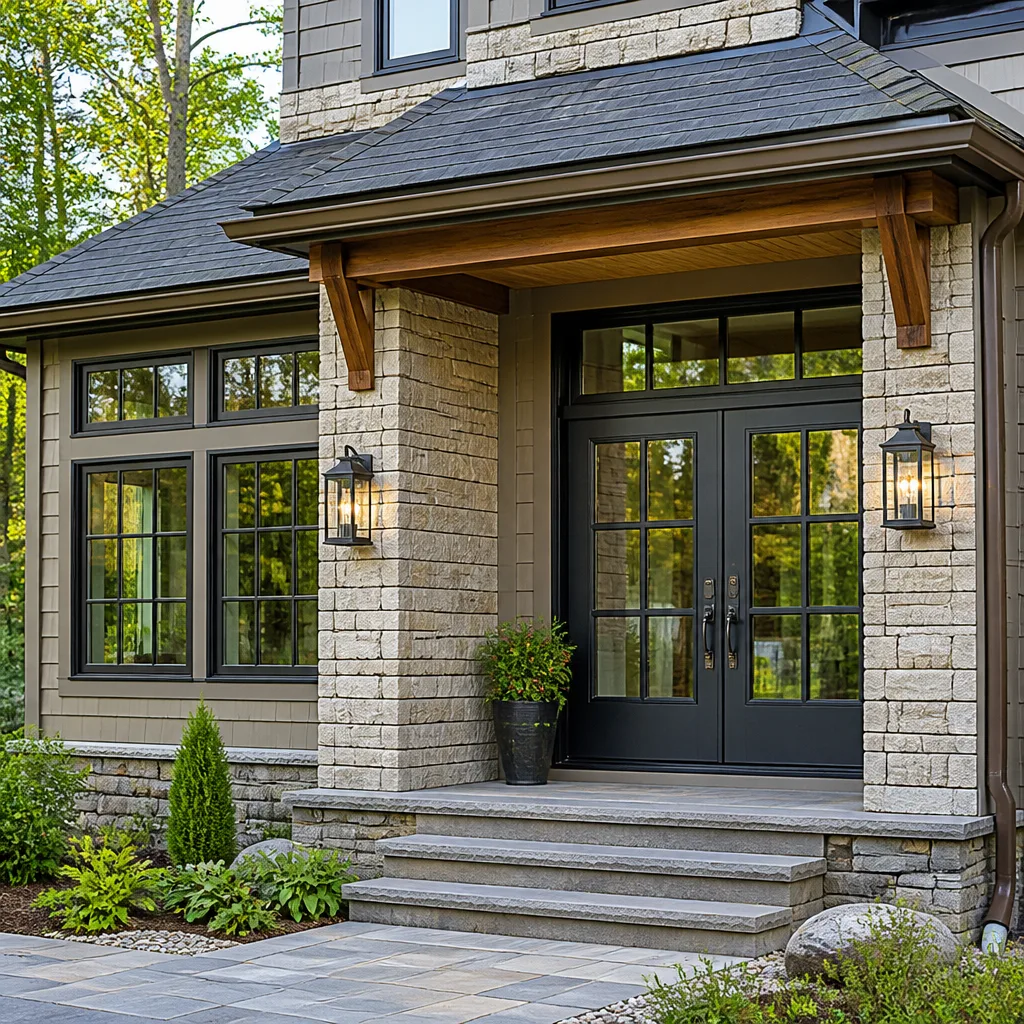
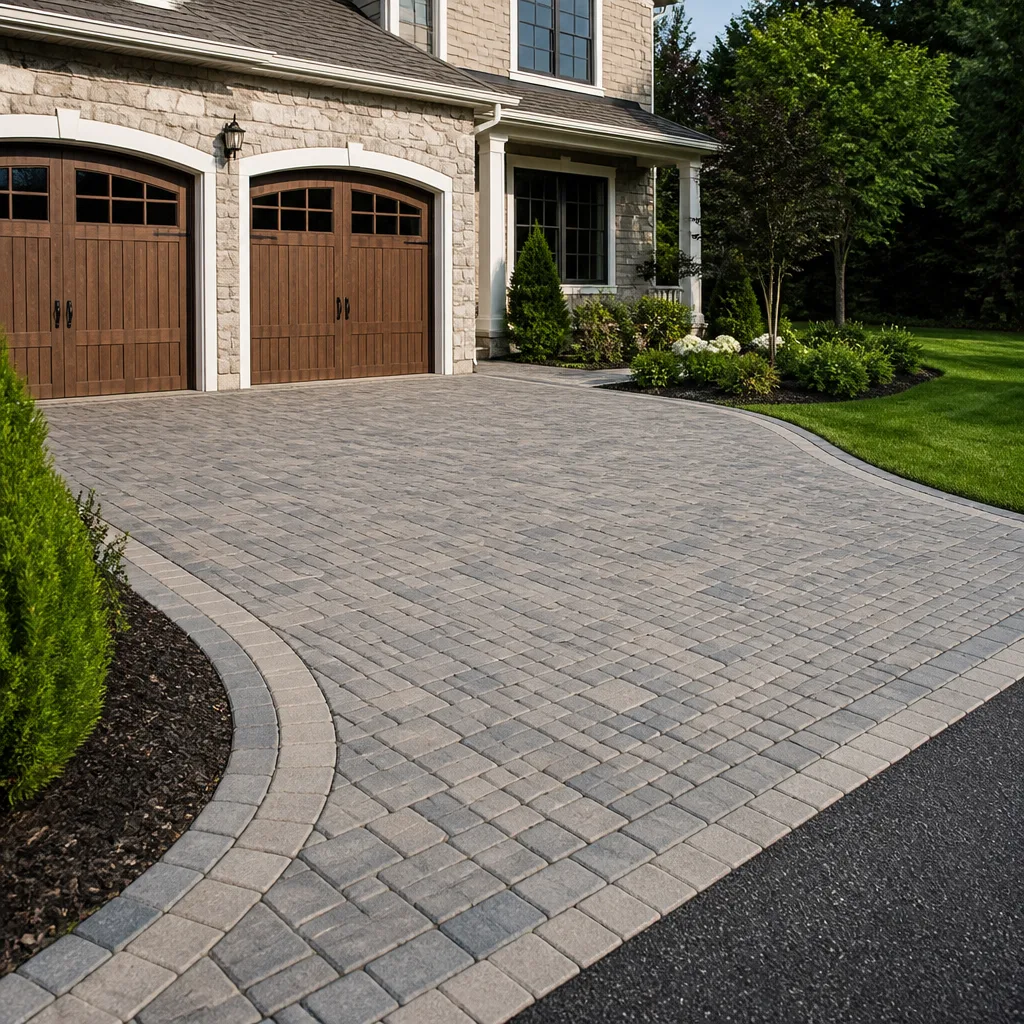
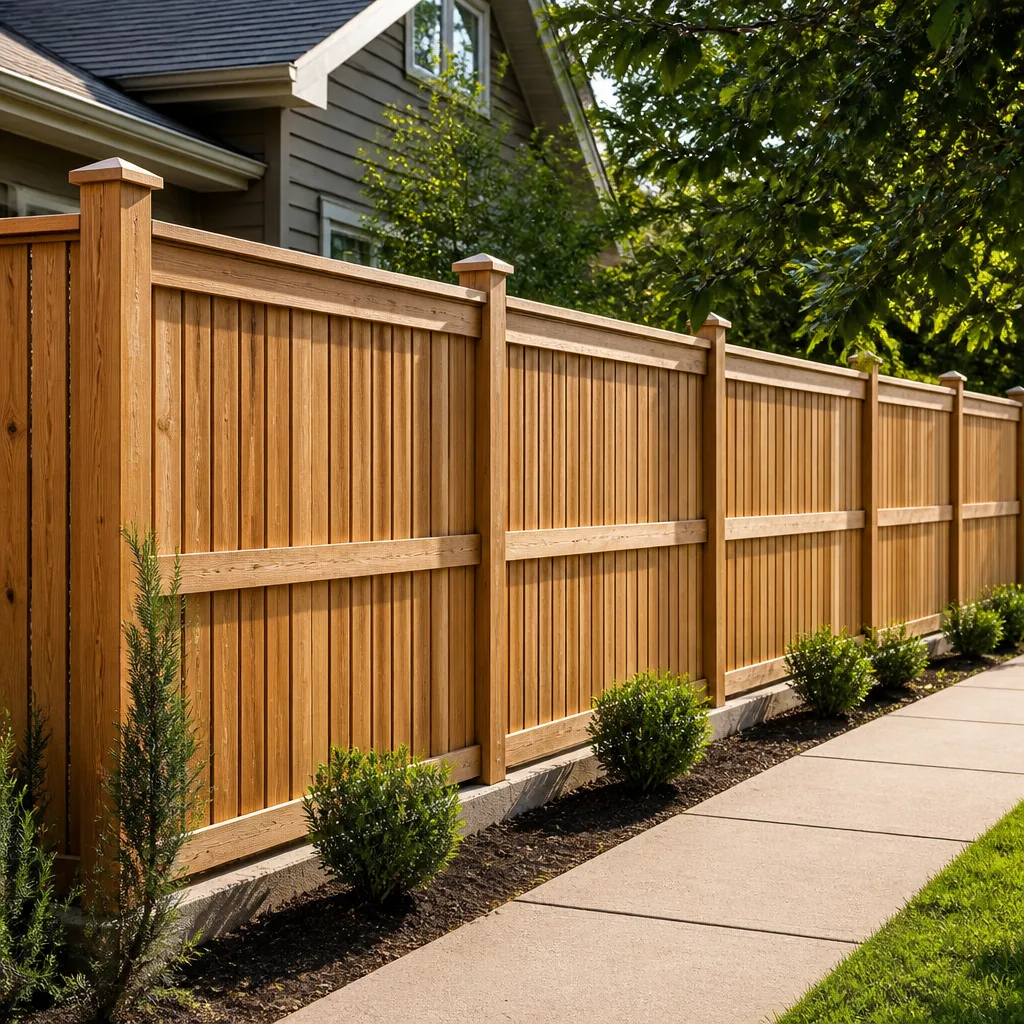
Styles & brands we work with
Signs Your American Standard Home Additions & ADU Is Failing
- Water pressure drops the moment two fixtures run at once. This usually means the existing supply lines are undersized for the new square footage, or the American Standard water heater can’t keep pace with added demand. We see this most often in ADUs plumbed off the main house without a dedicated supply run.
- Hot water runs out mid-shower in the new space. A water heater that was fine for the original footprint gets overtaxed once an addition adds a second bathroom. The fix is often a tankless upgrade or a second point-of-use unit rather than a full replacement.
- Uneven heating or cooling between the original house and the addition. Ductwork that was balanced for the old layout rarely delivers evenly to new rooms. We’ve opened walls in Ventura additions and found flex ducts pinched behind framing because the original installer took a shortcut.
- Moisture streaks or musty smells in the new walls or ceiling. In Ventura’s marine layer climate, improper flashing or vapor barrier details show up within the first year. A musty ADU is almost always a flashing or ventilation problem, not a mystery.
- Cracks at the seam where the addition meets the original structure. Different foundation settle rates are normal in Ventura’s expansive soils, but a widening crack at the transition line means the connection detail wasn’t engineered for the movement. This needs a structural look before you hang anything on those walls.
See the difference
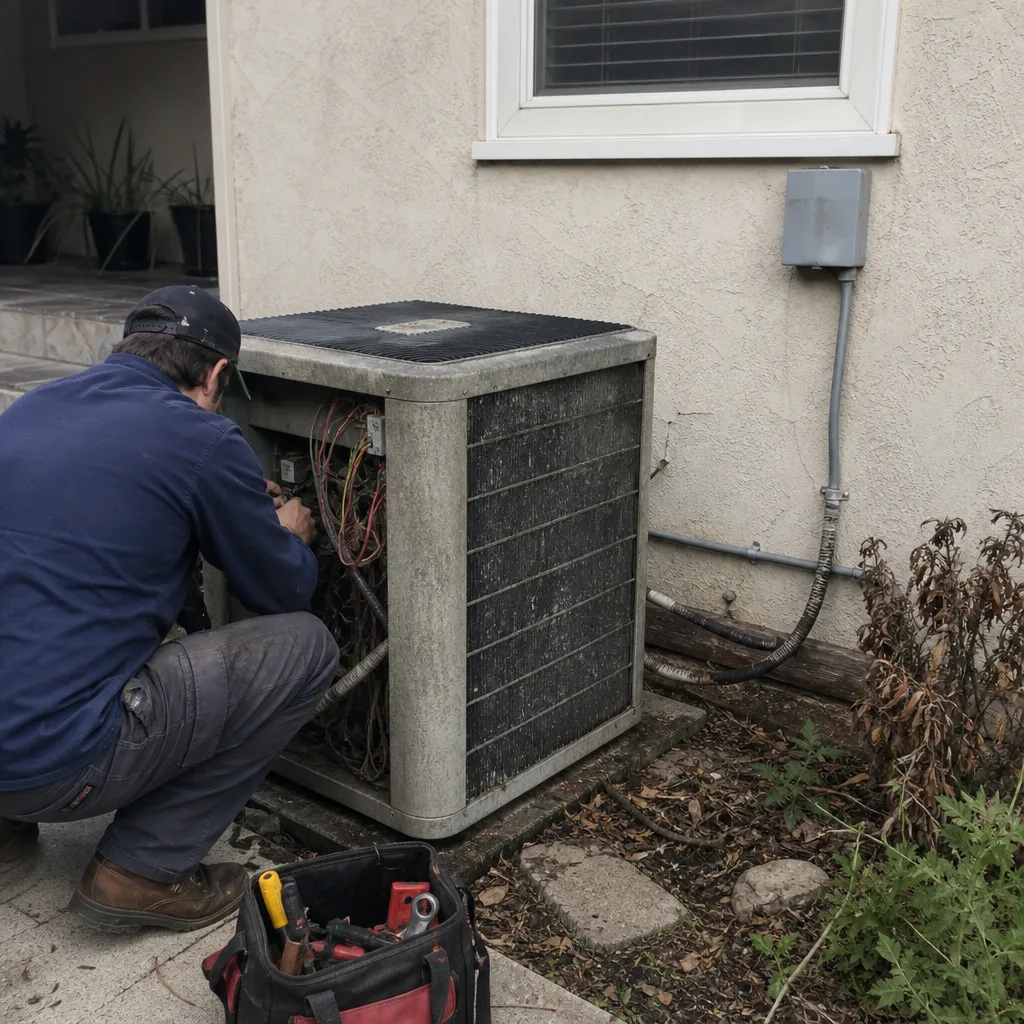 Before
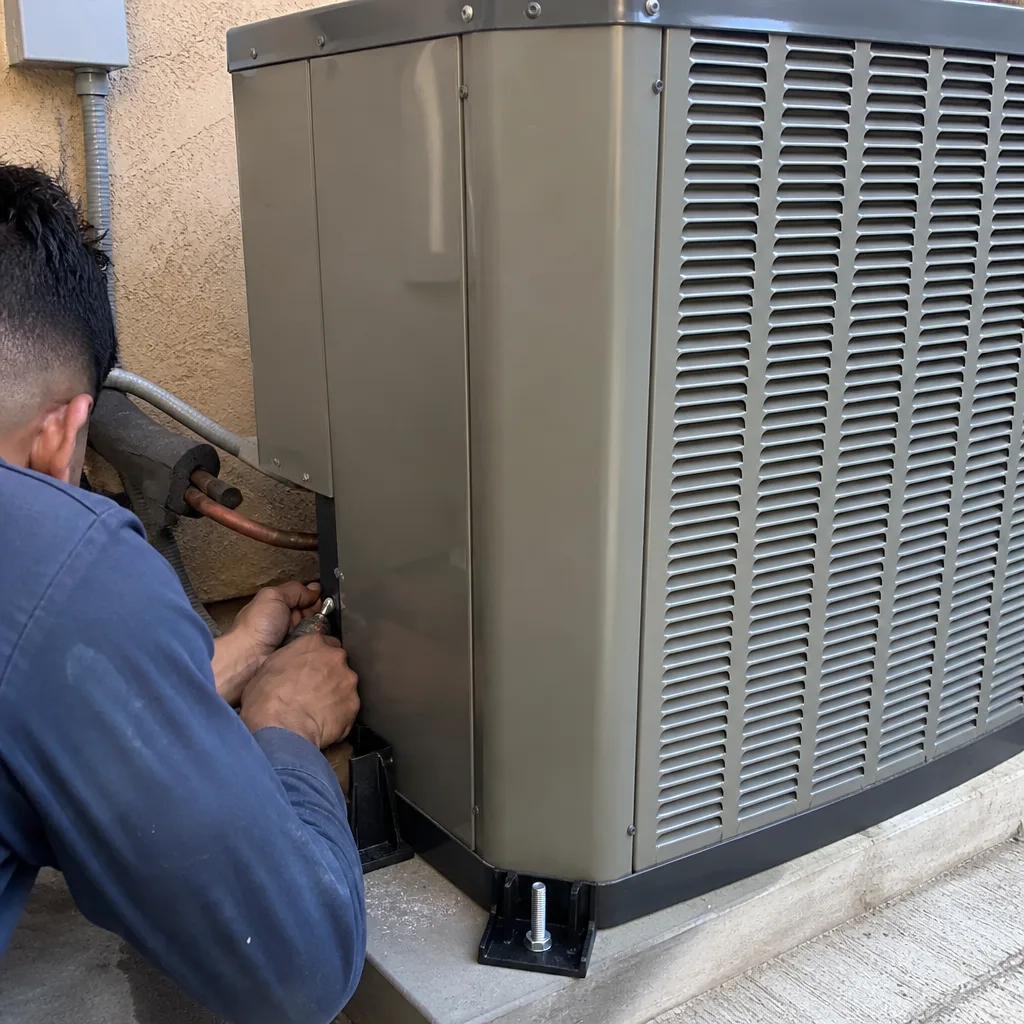 After
After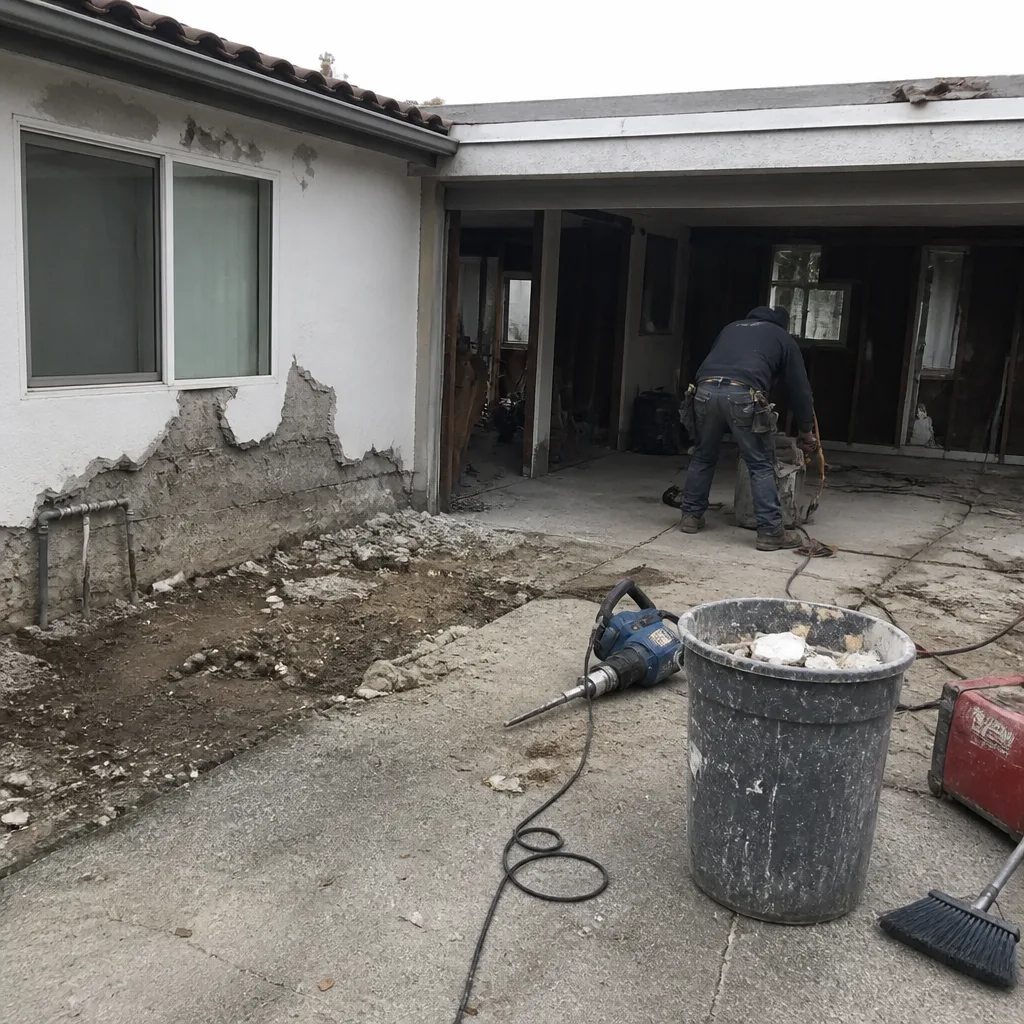 Before
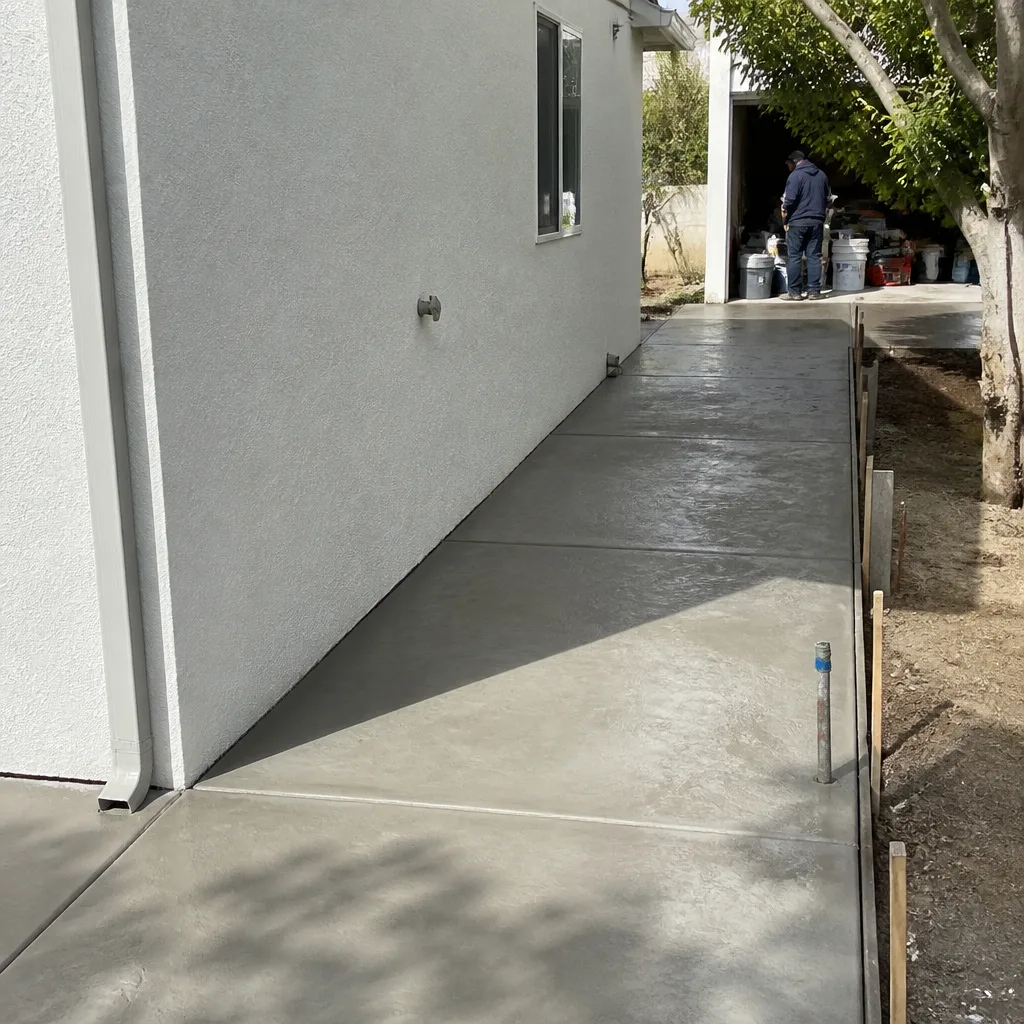 After
After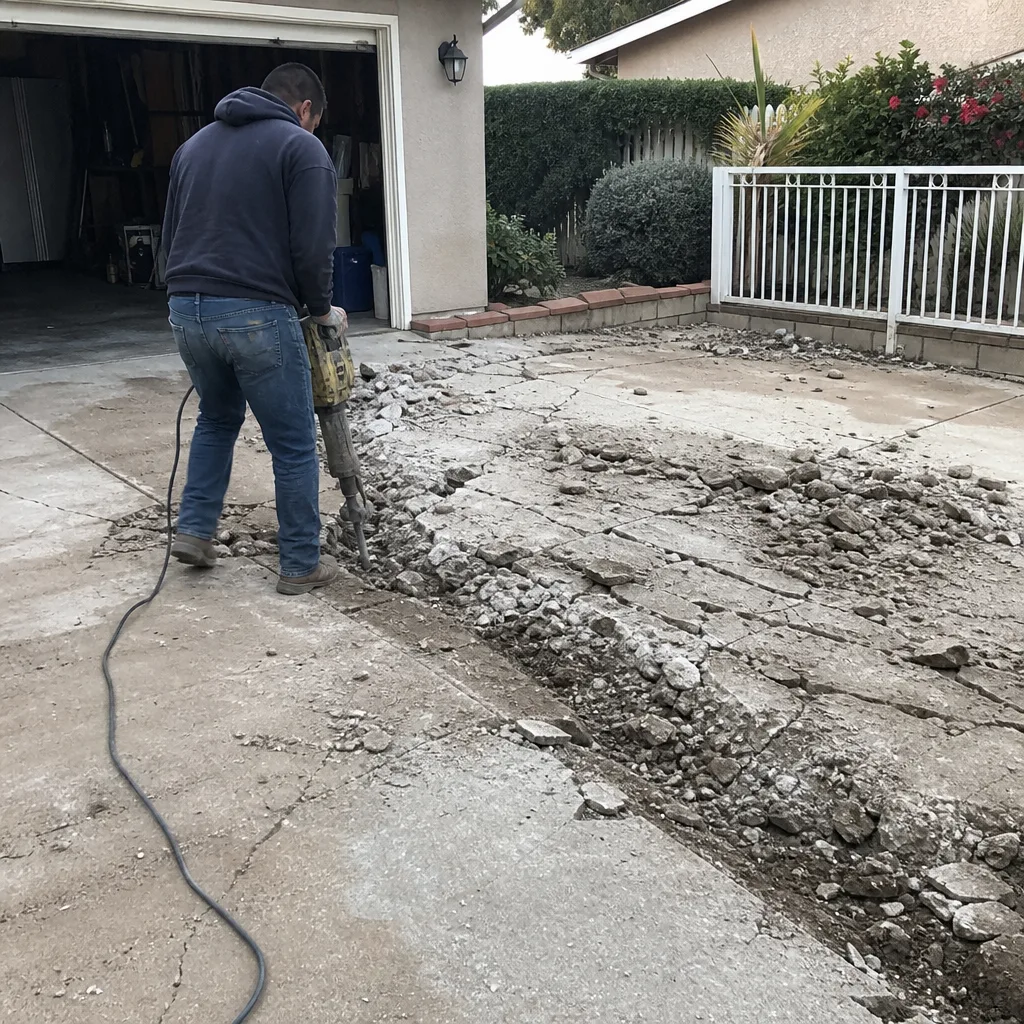 Before
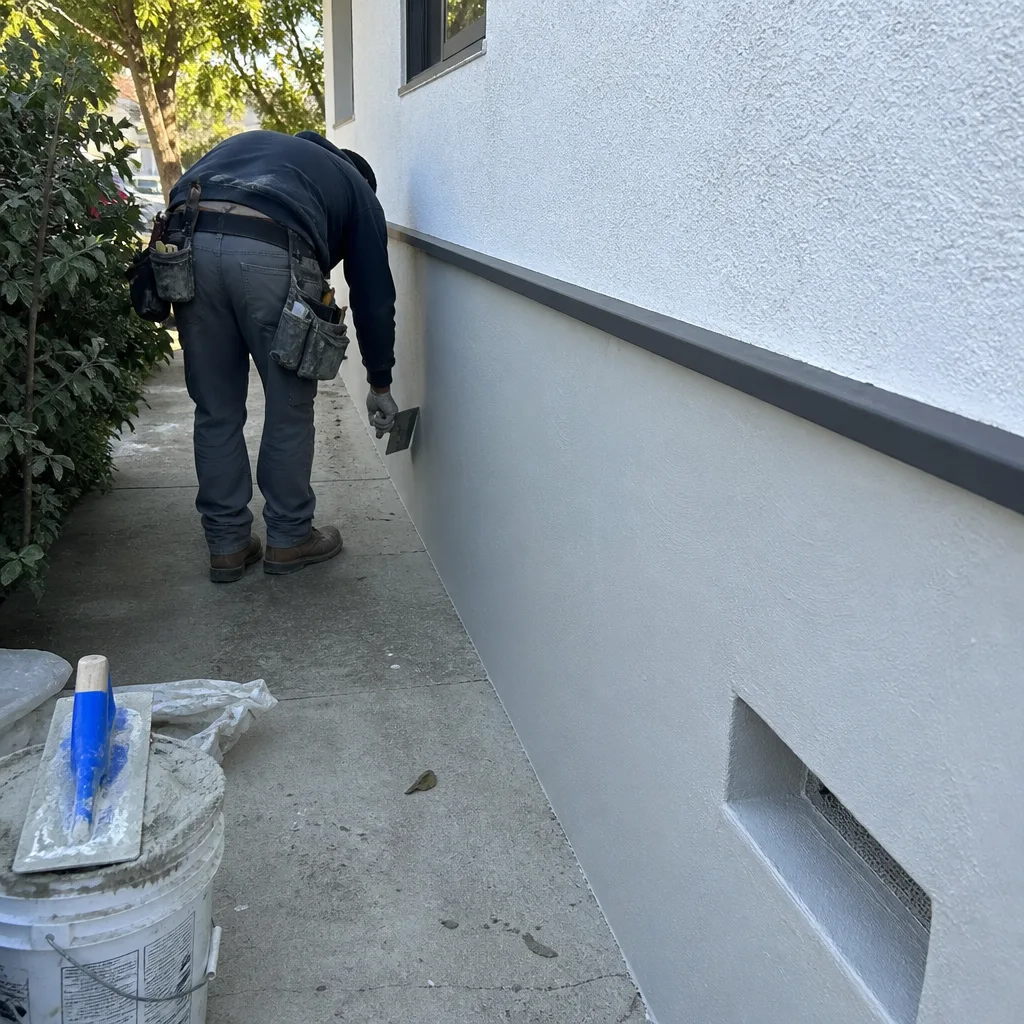 After
AfterReplacement Cost & What’s Included
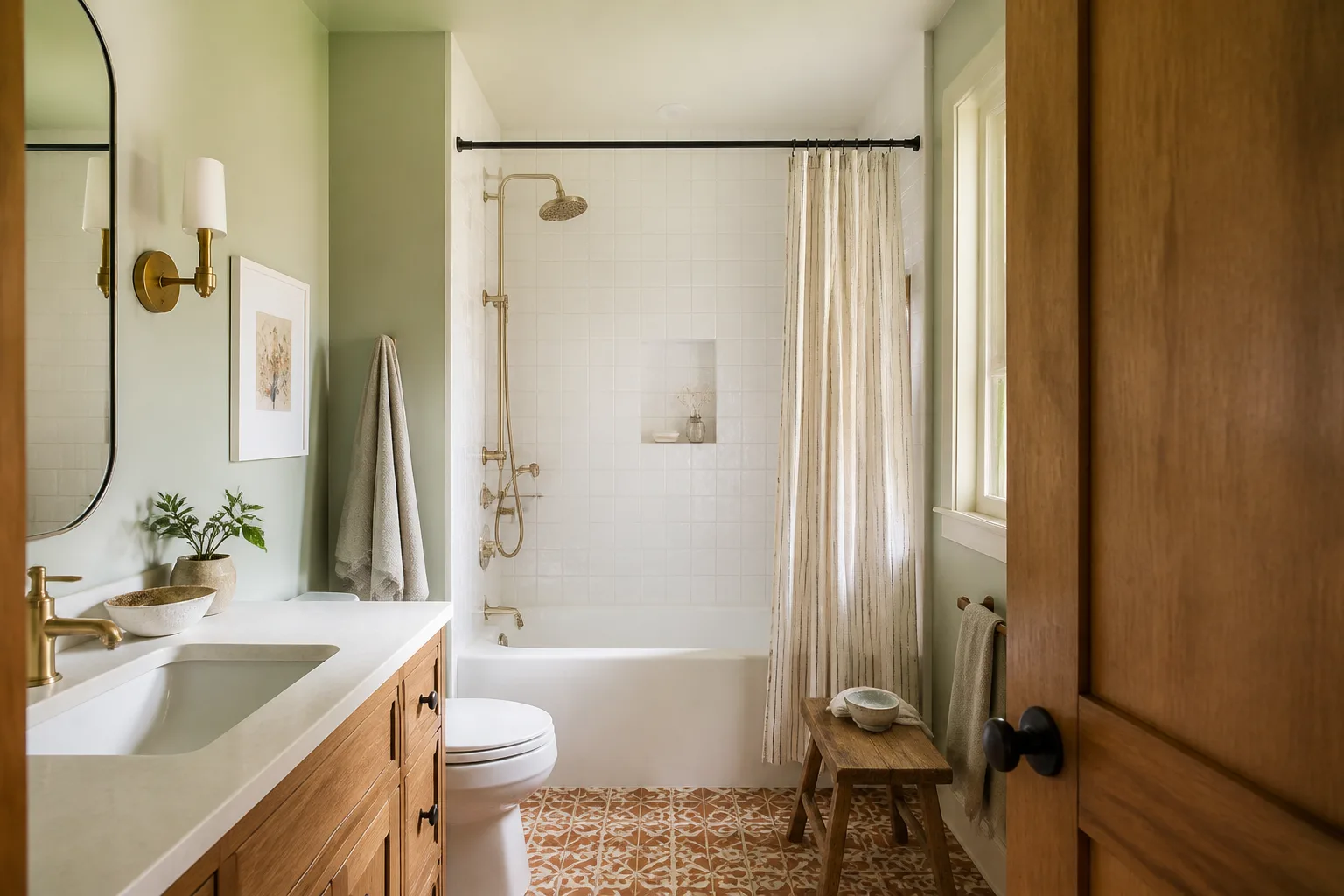
For planning purposes, here’s what Ventura families can expect on the two main project types:
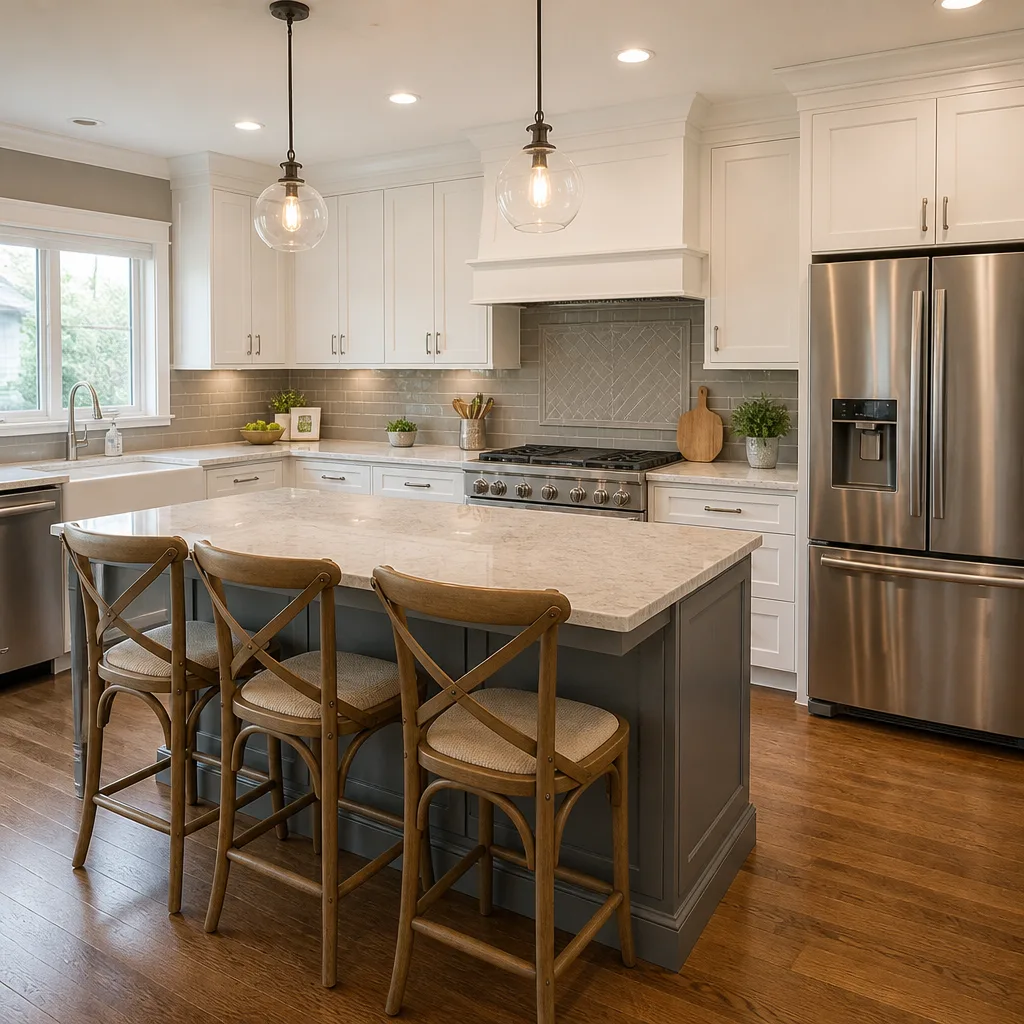
- Home Addition: $45,000 – $130,000. The low end covers a single room addition with no plumbing, simple roofing, and basic finishes. The high end reflects multiple rooms, a bathroom, foundation work, and premium materials like Cambria countertops or KraftMaid cabinetry.
- ADU Construction: $90,000 – $220,000. A detached ADU with a full kitchen and bath pushes the higher end, especially when site work, utility trenching, and upgraded electrical service are involved. Attached ADUs and garage conversions typically run $30,000 – $80,000.
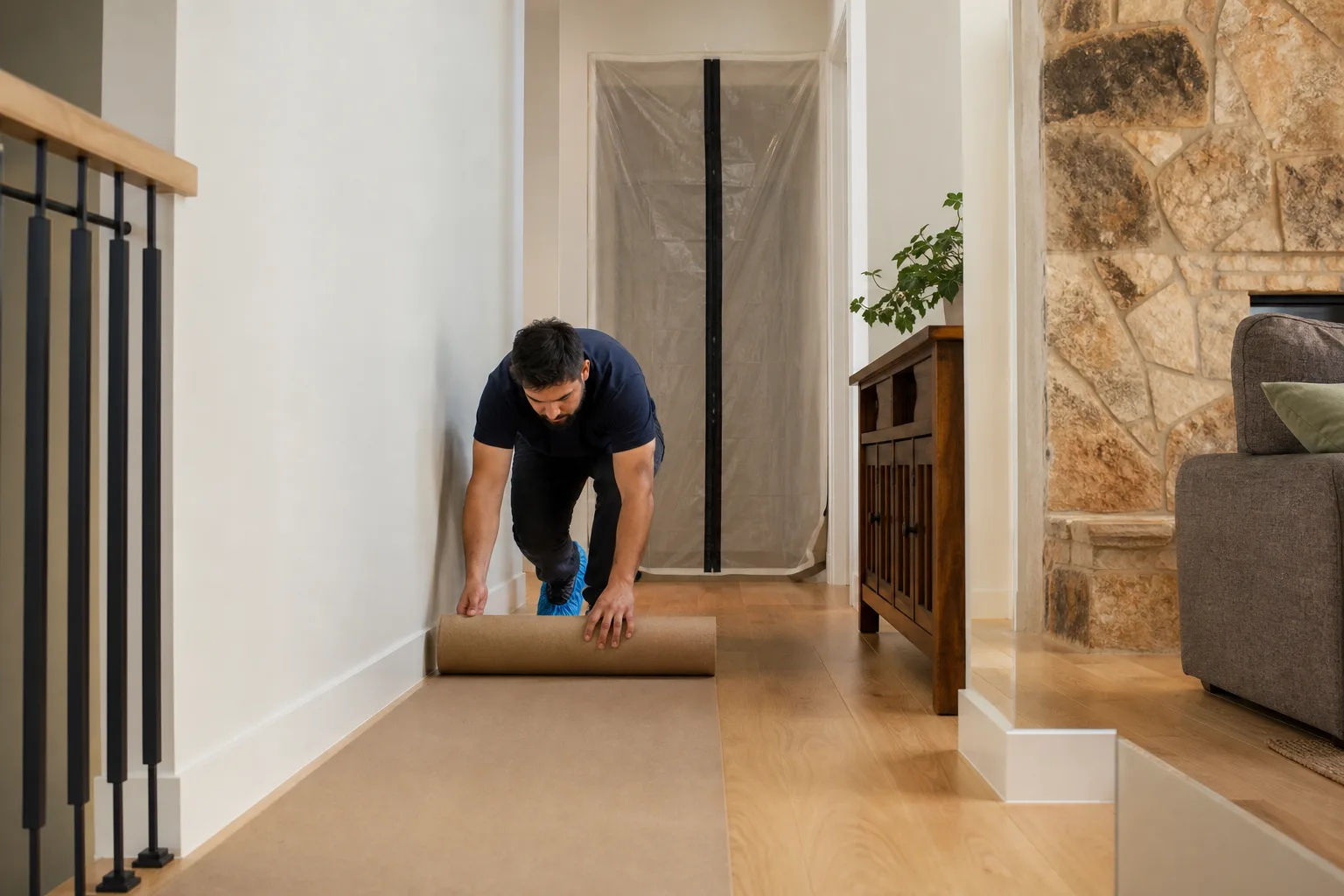
Every number above includes the written scope of work, materials, labor, and cleanup. There is no change order waiting in the wings. We put the number on paper before a single drop cloth goes down, and it stays that number unless you ask us to add something mid-project. The 365-Day Done Right Promise covers the completed work, which means if something isn’t right after we leave, we come back and make it right.
DIY or Call Us?
What you can safely check yourself: walk the existing American Standard equipment and note the model and serial numbers, measure your current square footage, and think through what the new space needs to do. That prep helps the estimate conversation move faster. What we’d tell you not to touch: anything involving gas lines, electrical panels, or structural connections to the existing house. A home addition means cutting into walls that carry load, tying into wiring that was never sized for the added demand, and connecting plumbing that has to meet Ventura’s code. One wrong cut into a load-bearing wall is a framing repair and a potential safety issue. That’s licensed contractor work, not a weekend project. If you’re mapping out a Ventura addition or ADU, call us at (341) 218-4316 and we’ll walk the property with you and put the numbers on paper.
FAQs
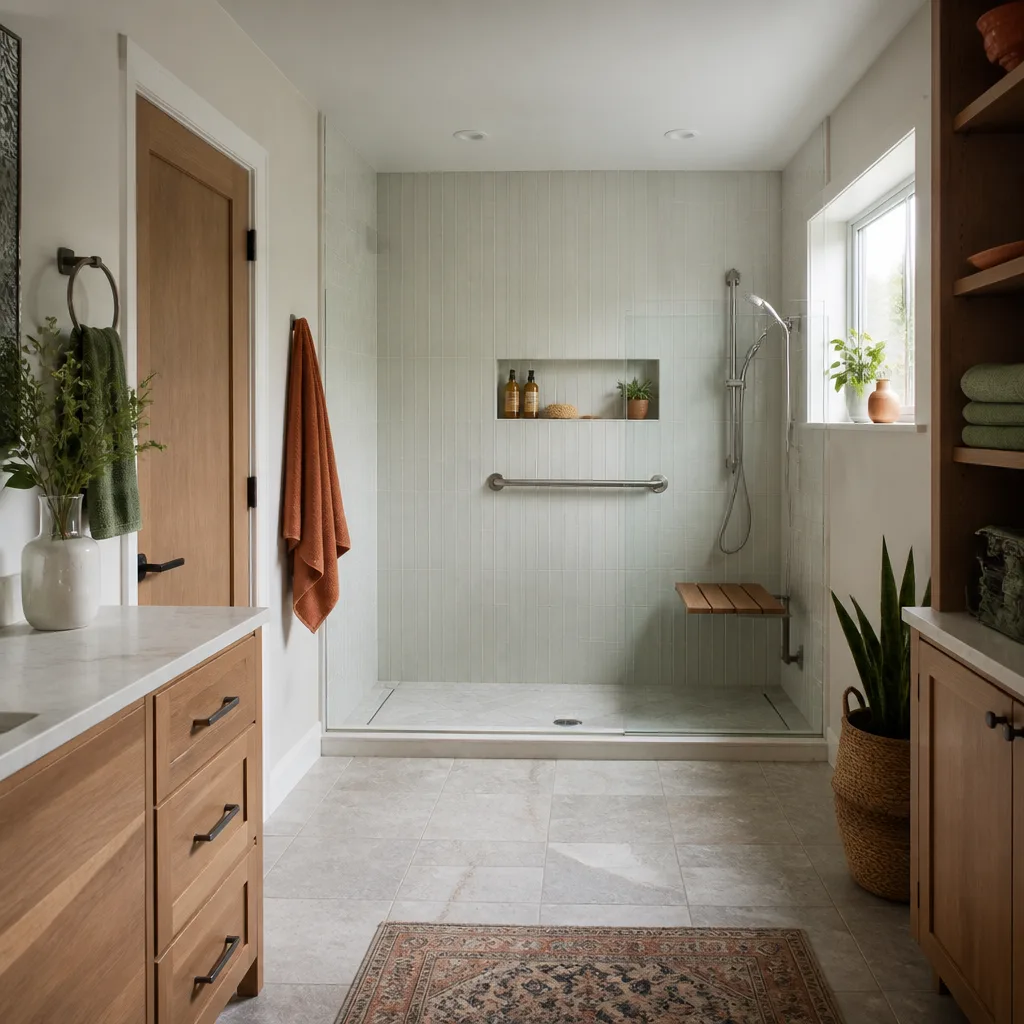
A single-room addition typically takes 8 – 14 weeks from permit to final walkthrough, while a full ADU usually runs 4 – 8 months depending on design approval, utility work, and inspection scheduling with the City of Ventura. Call (341) 218-4316 and we’ll give you a timeline specific to your project scope after a site visit.
That depends on the nameplate rating and the total fixtures in the new space, but we’ll check it during the estimate and tell you honestly whether it’s adequate or undersized. Upgrading a water heater mid-project is far cheaper than discovering the problem after the drywall is up.
We don’t stock American Standard fixtures, but we work directly with supply houses across Ventura County to order the exact models you want, and we also install and coordinate with brands like KraftMaid, Cambria, and Silestone for cabinets and countertops. Whatever fixtures you choose, they’re named in the written scope before work starts.
No. The number we put in writing before any work starts is the number you pay, unless you ask us to add something that wasn’t in the original scope. That’s the whole point of the written price promise.
Written by Graham Stein, Owner, Elmstead Remodeling Ventura at Elmstead Remodeling Ventura, serving Ventura and nearby areas.