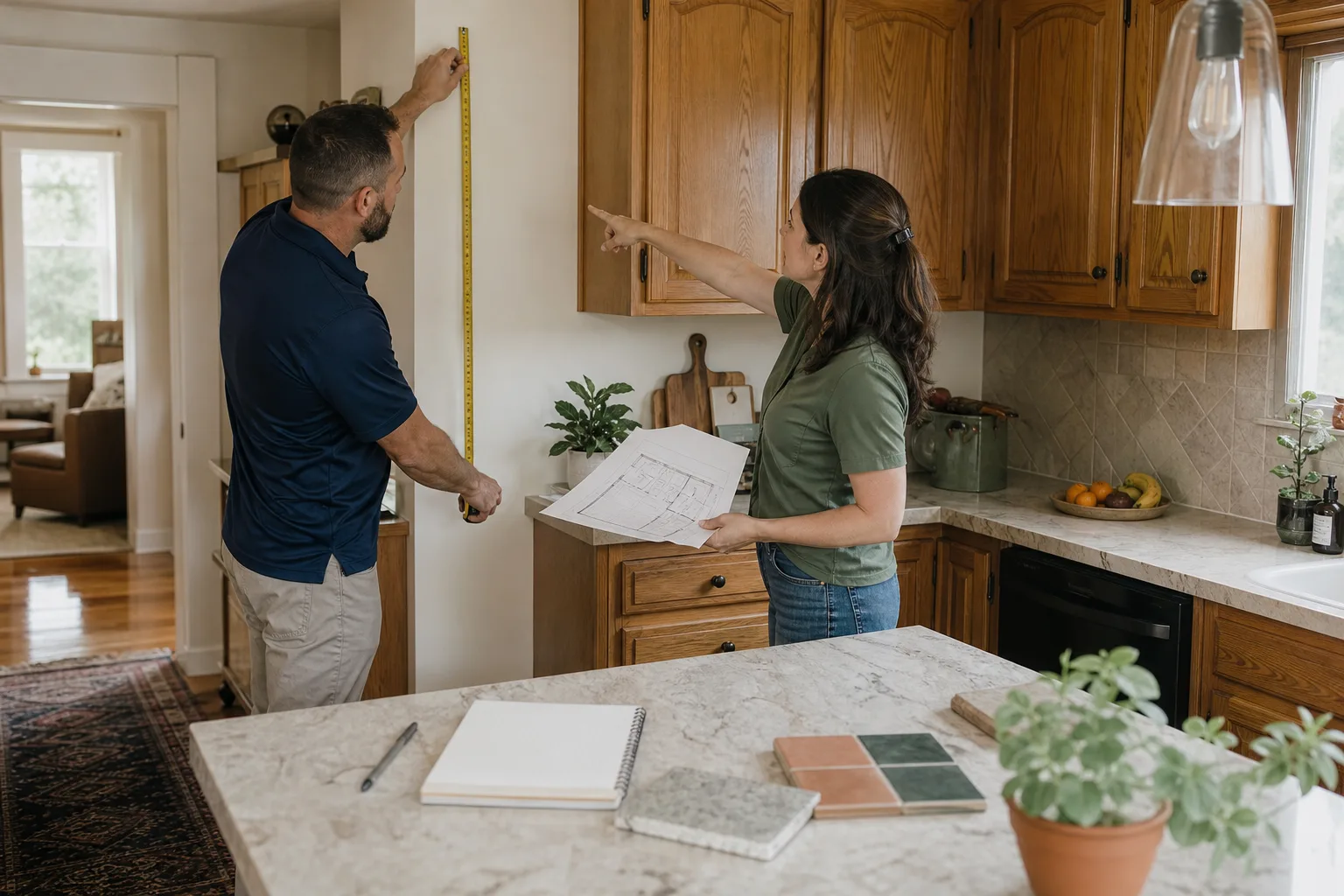





Free written scope consultation - allowances, timeline, and change-order rules on paper before a single trade is scheduled
Quikrete Roofing: The Ventura Owner’s Guide
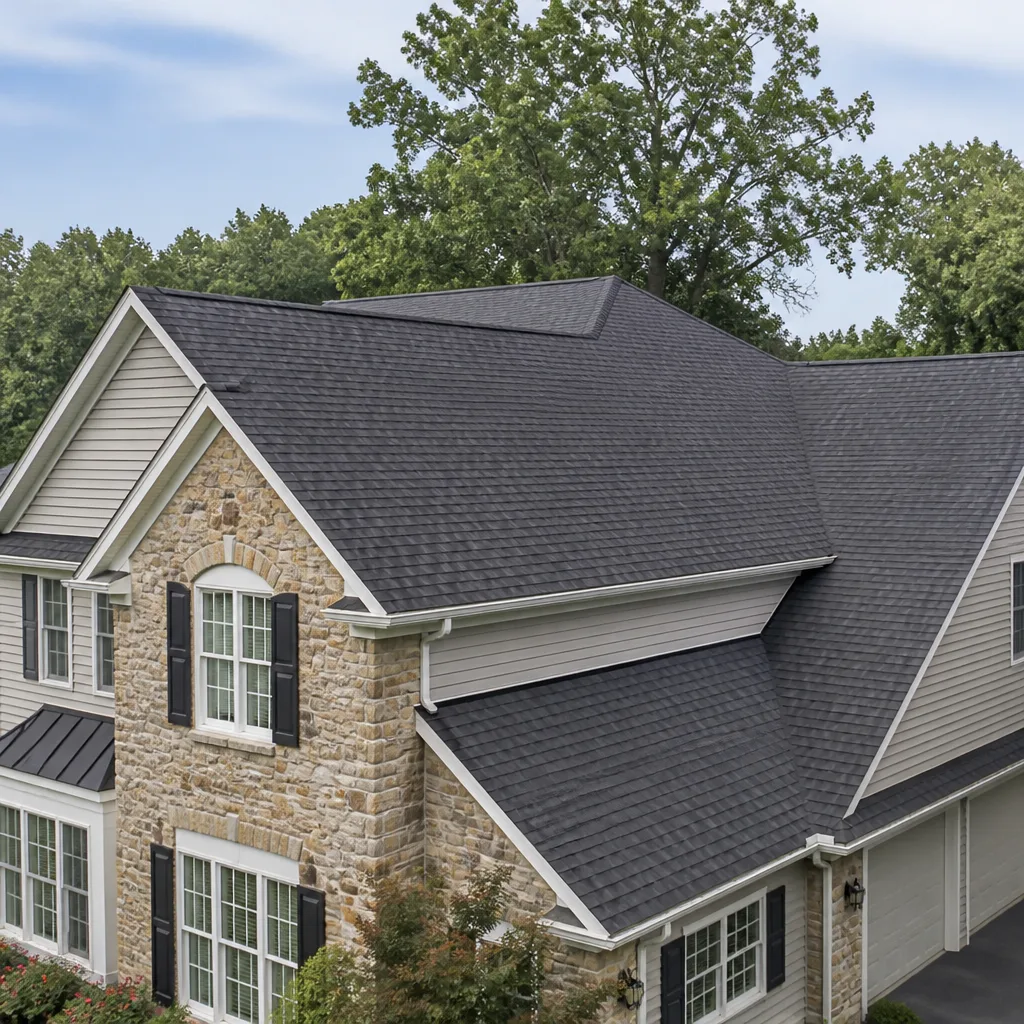
Quikrete roofing products are built for the California coast, but even the toughest materials give out eventually. A Quikrete roof coating or repair product that’s peeling, cracking, or letting moisture through usually means the surface prep failed or the product was applied outside its temperature window. For Ventura homeowners, a professional Quikrete-compatible roofing repair or replacement typically runs from $400 to $1,800 depending on the size of the affected area and whether we’re working over the original membrane or stripping it back to decking.
Most people discover the failure the hard way: a brown stain on the bedroom ceiling after a heavy January rain, or granules collecting in the gutter after a windy week off the Ventura coast. Sometimes it’s a soft spot underfoot on a flat roof section, or daylight showing through a seam in the garage. By the time the symptom is visible inside the house, the roofing layer has already been compromised for a while. That’s the part people miss. The repair itself is usually straightforward. Finding the actual source before it spreads is where the work is.
Which Quikrete Models This Applies To
Quikrete makes a range of roofing products, but in Ventura we mostly see three in the field: Quikrete Roof Coating (the white elastomeric waterproofer), Quikrete Concrete & Mortar Repair (used for tile roof bedding and flashing points), and Quikrete Hydraulic Water-Stop Cement (for active leak points and vertical surfaces). Each one has different compatibility rules that matter during a repair.
The first gotcha is surface type. Elastomeric roof coatings bond to concrete, metal, and some single-ply membranes, but they fail quickly over old silicone or oil-based coatings. If a previous owner rolled silicone over a leaky spot instead of fixing it, new Quikrete coating will peel within a year, no matter how well it’s applied. The second gotcha is temperature. Quikrete products need surface temperatures between 50°F and 90°F during application and curing. Ventura’s marine layer means early mornings are often too cool, and direct August sun can push a roof deck past the upper limit by 10 a.m. We sequence application around those windows, which is why some jobs take two mornings instead of one long day.
For identification, Quikrete packaging includes a product number and a cure-time chart. Take a photo of the bucket or bag before disposal. If you’re mid-project and the label is long gone, the product type matters more than the exact formula. We stock OEM Quikrete products and can source aftermarket equivalents with matching cure profiles when lead times are a factor. On most Ventura homes, the difference comes down to warranty documentation rather than performance, and we’ll spell that out in your written price before any work starts.
Styles & brands we work with
Signs Your Quikrete Roofing Is Failing
- Interior ceiling stains that get darker after rain. Water is traveling through the roofing layer and finding the path of least resistance to your drywall. The stain shows you where the water ended up, not where it got in. We trace backward from the stain to find the true entry point, which is often several feet away.
- Peeling or bubbling in the coating layer. Moisture trapped between the Quikrete coating and the substrate pushes the membrane up from below. Once you see bubbles, water is already pooled underneath, and a simple recoat will trap it further. The bubbled section has to come off.
- Granules or white chalk running off the roof into gutters. That’s the coating or surface layer breaking down under UV exposure. Ventura gets about 280 sunny days a year, and the salt air accelerates surface wear on elastomeric products. Once the surface chalk is gone, the waterproof membrane beneath is exposed.
- Soft spots when walking on a flat roof section. Water has saturated the roof deck below the Quikrete layer. By the time you can feel deflection, the decking usually needs a partial replacement, not just a recoat. This is common on older Ventura homes with original 1960s and 1970s decking.
- Cracks around roof penetrations, vents, or scuppers. Flashings are the first failure point on any roof system, and Quikrete sealants are no exception. Movement from temperature swings and coastal wind loosens the bond around penetrations over time. The fix is a targeted repair at the penetration, not a full roof replacement.
See the difference
 Before
 After
After Before
 After
After Before
 After
AfterReplacement Cost & What’s Included
For a Quikrete-compatible roof repair in Ventura, you’re looking at $400 to $1,800 installed. Small jobs at the low end are single-point fixes: one flashing, one cracked seam, one small soft spot with the rotted plywood section cut out and replaced. The higher end of the range means larger affected areas, multiple penetrations, or complete recoat sections requiring scaffolding and a full day on the roof. Roof replacement runs $8,000 to $20,000 for a full tear-off and re-roof, but that’s a different conversation than a parts repair.
What’s included in our price: the Quikrete or matched aftermarket product, all surface prep (cleaning, scraping, priming where needed), the labor to apply and inspect, and a written line-item quote before the first board moves. We don’t do open-ended time-and-materials on a job like this. You know the number before we set up. The work itself is covered by our 365-Day Done Right Promise, which means if the repair fails within a year of completion, we come back and make it right.
One more thing that affects price in Ventura: flat roof access on older Midtown homes often means ladder work over a carport or backyard stairs, and some sections can only be reached with a longer ladder setup or a safety harness tie-off. We factor that access into the written price rather than adding a surprise fee after the crew arrives.
DIY or Call Us?
There’s a difference between checking and fixing. You can safely check your roof for visible signs from a ladder or from the ground with binoculars: bubbling, cracking, missing granules, water stains on the underside of eaves. Those observations help us quote the job faster over the phone. What you shouldn’t do is walk a pitched roof or a saturated flat roof, or start pulling up lifting coating layers without knowing what’s underneath. A soft deck can give way under your weight, and a wet tile roof is genuinely dangerous to stand on. For that work, a trained professional with proper footwear and a harness is the right call.
For flat roof sections where you can safely stand, you can clean debris and clear scuppers before the rainy season. That’s good preventive work. But actual Quikrete repair work, surface prep, and coating application is a job for someone who does it regularly and can catch the secondary problems a homeowner won’t see. Call (341) 218-4316 and we’ll schedule a roof inspection and a free estimate. You’ll get the price in writing before anything is ordered or opened.
FAQs
A properly applied Quikrete elastomeric roof coating typically lasts 5 to 8 years in Ventura’s sun and salt air before it needs a maintenance recoat. If the original surface prep was done poorly, it can fail in 2 to 3 years. We see that shortened lifespan more often on homes where a previous owner did a quick weekend job than on professionally prepped surfaces.
Most Quikrete roof damage can be repaired in sections without a full replacement. The rule is that if more than about 25% to 30% of the surface area is compromised, a full recoat makes more financial sense. We’ll assess the section and give you the repair-versus-recoat recommendation in writing. Call (341) 218-4316 for a free estimate and we’ll walk the roof with you.
A typical single-point Quikrete repair takes 2 to 4 hours on site, plus cure time before rain exposure. Larger recoat sections take 1 to 2 days depending on temperature windows and the marine layer schedule. We plan around Ventura’s weather patterns and will tell you the expected timeline before work begins.
Yes, we keep Quikrete roof coating, hydraulic water-stop, and concrete repair products in our Ventura inventory, and we can source matched aftermarket products from our supplier network when needed. We also regularly handle replacement parts and materials from KraftMaid for interior work, and Cambria and Silestone for countertops, so the same written-price and named-brand standard applies across every job we do.
If your Quikrete roof is showing signs of wear, don’t wait for the next rain to make the decision. Put it in writing before the first board moves. Call (341) 218-4316 for a free estimate. Graham Stein and the Elmstead Remodeling Ventura crew serve homeowners throughout Ventura, from the Midtown district out toward the Ventura Pier and the surrounding coastal neighborhoods.
Written by Graham Stein, Owner, Elmstead Remodeling Ventura at Elmstead Remodeling Ventura, serving Ventura and nearby areas.