Last updated October 15, 2026







Free written scope consultation - allowances, timeline, and change-order rules on paper before a single trade is scheduled
DIY vs Professional Construction: The Ventura Homeowner’s Decision Guide
Here’s something most Ventura homeowners don’t realize until it’s too late: California lets you legally build your own deck, remodel your own bathroom, even rewire your own kitchen as an owner-builder. But if you sell that house within a certain window after the work, the state can look at your unpermitted owner-built project and classify it as unlicensed contractor work. That triggers CSLB enforcement, fines, and a disclosure nightmare at escrow. This guide walks through exactly where the legal line sits, which projects cost more to DIY than to hire out in Ventura, and how to split the work so you save money without inheriting liability. For more guidance, see our How to Hire a Construction Contractor in Ventura: A Step-by-Step Guide.
Quick Answer
Capable DIYers in Ventura can safely save money on interior painting, hardware replacement, flat-pack assembly, and basic landscaping without legal or warranty risk. But anything touching the electrical panel, anything requiring a Ventura building permit, and any tile work in a wet area where the waterproofing membrane warranty depends on licensed installation tends to cost more to DIY than to hire out, once you count permit fees, material waste, tool rental, and the time away from a household with children and pets at home.
Styles & brands we work with

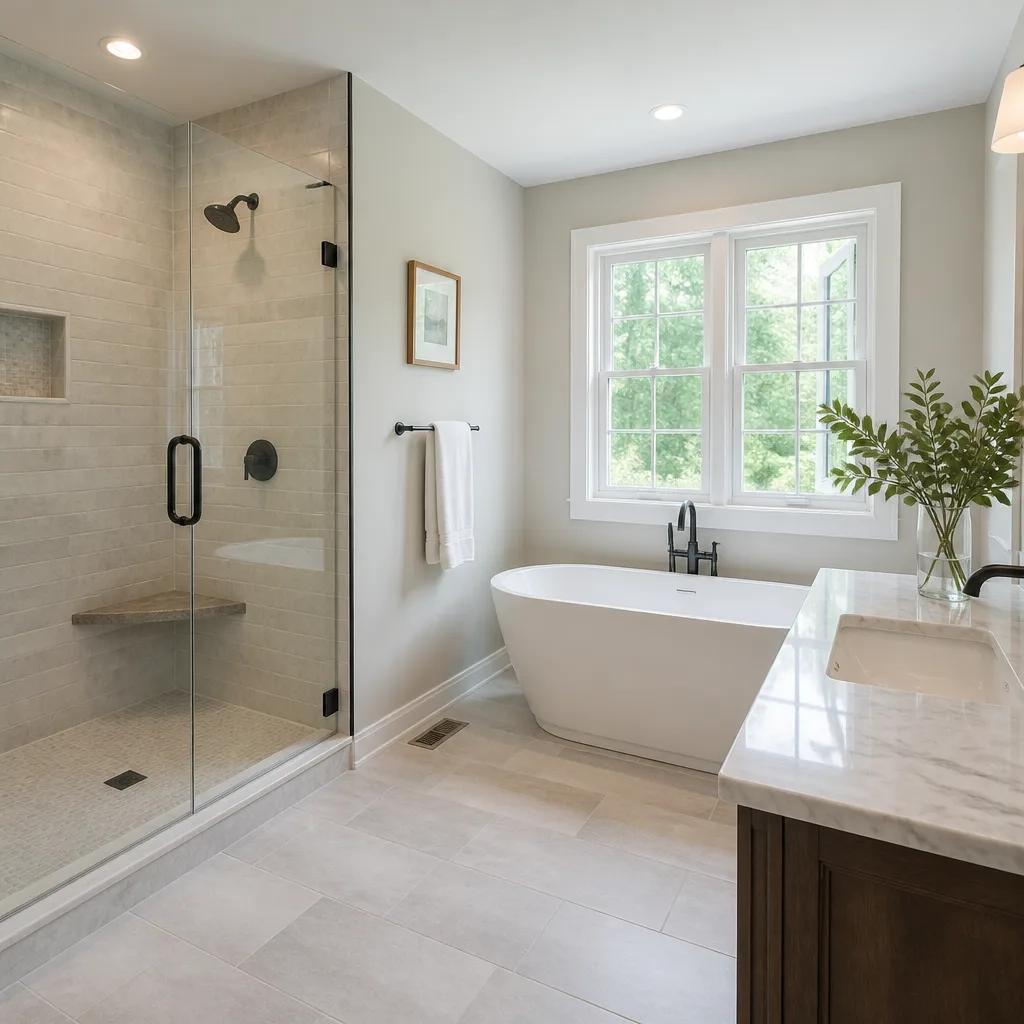



Table of Contents
- California Owner-Builder Law: What You Can Legally Self-Build
- The Disclosure Rule That Catches Ventura Sellers Off Guard
- Projects Where DIY Almost Always Costs More in Ventura
- Projects Where Capable DIYers Genuinely Save Money
- The Hidden Labor Cost of Doing It Yourself
- The Hybrid Model: Professional Planning, DIY Finish Work
- How to Negotiate a Hybrid Scope in the Contract
- Common Mistakes to Avoid
- When to Call a Professional
- Frequently Asked Questions
California Owner-Builder Law: What You Can Legally Self-Build
California Business and Professions Code Section 7044 gives homeowners a broad right to act as their own general contractor on their own residence. You can pull permits, hire subcontractors, and perform work yourself, provided you actually live in the home and you are not planning to sell it immediately. The law was written for exactly the situation many Ventura families face: a kitchen that needs updating, a bathroom that has not been touched since the house was built in the 1970s, and a budget that would not stretch to cover both materials and a full general contractor’s fee.
But there are two hard boundaries. First, you cannot do owner-builder work on a property you do not occupy. A rental unit, a flip, an inherited house you are prepping for sale, none of those qualify. Second, even as an owner-builder, certain trades still require licensed professionals by law. In Ventura County, that means any work on the main electrical panel, any gas line work, and certain structural modifications must be performed by a licensed contractor holding the appropriate C-10, C-36, or General B classification. The owner-builder exemption does not override the requirement for a licensed electrician to pull the meter and the city of Ventura will not issue an electrical permit to a homeowner attempting to do panel work themselves in most cases.
Where owner-builders get into trouble is not usually the work itself. It is the permit process. The City of Ventura Building and Safety Division requires plans for any structural change, any addition, any change to the building envelope, and any work that affects plumbing, electrical, or mechanical systems. A homeowner can prepare their own plans, but the plan check reviewers hold owner-submitted drawings to the same California Building Code standards as a licensed architect’s drawings. Most first-time owner-builders in Ventura will tell you the plan check corrections took two or three rounds, which adds weeks, not days, to the project.
We have watched capable homeowners in midtown Ventura spend four months getting a bathroom permit approved on their own, when a licensed contractor with an existing relationship with the plan check desk would have cleared the same project in three weeks. That time is real money when you are paying a mortgage on a house you cannot fully use.
The Disclosure Rule That Catches Ventura Sellers Off Guard
California Civil Code 1102 requires sellers to disclose all unpermitted work on the property, including work you did yourself. Full stop. There is no “it was fine when I did it” exception. The TDS (Transfer Disclosure Statement) and the SPQ (Seller Property Questionnaire) both ask directly about room additions, alterations, and repairs made without a permit. Lying on those forms creates liability that follows you for years after close of escrow.
Here is the part most Ventura homeowners miss: the CSLB does not care about your intent when you did the work. If you perform owner-builder work without pulling permits, and then you sell the property within 90 days of completion, the law presumes you were acting as an unlicensed contractor. That is a misdemeanor on the first offense, with a fine of up to $5,000 and potential jail time on repeat offenses. Even if you had zero intention of flipping the property, even if life circumstances forced the sale, the presumption stands unless you can prove otherwise.
The practical impact in Ventura’s real estate market is real. Buyers in the East Ventura and Ondulando neighborhoods are represented by agents who know to look for fresh paint over three-prong outlets without a permit on file, or a bathroom with new tile but no plumbing permit in the city database. When a buyer’s inspection flags unpermitted work, the negotiating leverage shifts overnight. Sellers either take a price cut, complete the permitting after the fact at roughly double the original permit cost, or lose the deal entirely.
If you are doing work that requires a permit, pull the permit. If you are hiring someone, make sure their name and license number go on the permit application, not yours. That single piece of paper determines who carries the liability when the work is inspected and when the house is sold.
Projects Where DIY Almost Always Costs More in Ventura
The decision is not about whether you are handy. It is about which projects carry California-specific cost multipliers that erase any savings from doing the work yourself. Three categories stand out in Ventura specifically.
Any Work Touching the Electrical Panel
Ventura’s housing stock skews older. Homes in the Avenues, Midtown, and the older parts of Saticoy were mostly built between 1920 and 1970, which means original panels ranging from 60 to 100 amps, cloth wiring, and no ground conductors. Upgrading a panel, adding circuits for a kitchen remodel, or even moving a single outlet can trigger a requirement to bring the entire circuit up to current code. A licensed electrician in Ventura County charges between $85 and $150 per hour, and a full panel upgrade typically runs $3,500 to $6,000 depending on amperage and whether the service drop from the utility needs to be relocated.
Here is where DIY becomes more expensive: homeowners who replace their own breakers or run their own Romex cannot get the work inspected without a licensed contractor signing off. Most Ventura electricians will not sign off on work they did not perform. So the homeowner who wired their own kitchen addition ends up paying a licensed electrician to tear out and redo the work, which costs more than hiring the electrician from the start. When you hire a General Contractor in Ventura who manages the electrical subcontract, the permit is pulled in the right name, the inspection is scheduled as part of the project flow, and the liability stays with the licensed party.
Work Requiring a Ventura Building Permit and Inspection
The City of Ventura permit fee schedule is based on project valuation, and permit fees are not refundable. A homeowner who starts a bathroom remodel, discovers the plumbing rough-in is not to code, and has to stop work has already spent several hundred dollars on the permit, dump fees for the demo, and materials that cannot be returned. A licensed contractor eats those costs as part of the job. A homeowner eats them as part of the lesson.
We have seen a single permit correction in Ventura add $2,100 to a homeowner’s project because the inspector flagged improper shear wall nailing after the drywall was already up. The homeowner had to pay for demolition, re-framing, re-drywalling, and a second inspection. A licensed contractor’s framing crew would have known the nailing schedule before the first nail went in. For a Bathroom Remodeling in Ventura project, that kind of mistake turns a $12,000 job into a $15,000 job.
Tile Work in Wet Areas
This is the one that surprises people. Tile work itself is not that hard to learn. The problem in Ventura is the waterproofing. Schluter, the brand most commonly specified for shower waterproofing systems, requires installation by a credentialed installer for the warranty to be valid. Laticrete and Wedi carry similar requirements. If you install the membrane yourself and it leaks, you have no manufacturer warranty, no install warranty, and an insurance claim that will likely be denied because the work was not performed by a licensed contractor.
In a Ventura home, a leaking shower pan in an upstairs bathroom is not just a tile problem. It is a ceiling repair on the floor below, possible mold remediation in the wall cavity, and a water damage claim that your homeowner’s insurance may fight. A shower waterproofing failure costs $8,000 to $20,000 to properly remediate. The $3,000 you saved doing the tile yourself evaporates the first time water finds the seam you missed. Our Kitchen Remodeling in Ventura work follows the same logic: the countertop is only as good as the substrate, and the substrate is only as good as the waterproofing detail behind the sink.
Projects Where Capable DIYers Genuinely Save Money
Not everything requires a licensed contractor. There are four project types where a Ventura homeowner with basic tools and patience can save real money without legal or warranty exposure.
Interior Painting
Painting is the classic DIY project for a reason. The materials are cheap relative to the labor, the learning curve is manageable, and the consequences of a mistake are cosmetic and repairable. In Ventura, professional interior painting runs $4 to $8 per square foot of wall surface. A 1,500-square-foot home with 8-foot ceilings has roughly 3,500 square feet of paintable wall, which means $14,000 to $28,000 for a professional job. A DIY paint job on the same home runs $800 to $1,500 in materials including quality paint, rollers, tape, and drop cloths. The savings are real and the risk is low.
The caution here is simple: do not paint around electrical fixtures, do not paint over mold or water stains without addressing the source, and do not paint in a ventilated space with children or pets present. Low-VOC paint from brands like Benjamin Moore or Sherwin-Williams is a reasonable choice for families, and it is worth the premium if you have a baby or a dog in the house during the project.
Hardware Replacement
Cabinet pulls, door knobs, hinges, switch plates, and faucet handles are $5 to $40 items that require no permit and carry almost no risk. A $150 hardware refresh on kitchen cabinets produces a visual change that would cost $800 to $1,200 if you paid a handyman to do it. The only complication in Ventura homes is lead paint, which is present in many houses built before 1978. If you are removing hardware and sanding the surrounding area, test for lead first. A $30 test kit at the hardware store prevents a costly remediation project.
Landscaping
Ventura’s climate, with its coastal influence and mild winters, makes landscaping a reasonable DIY project for anyone willing to dig. Planting, mulching, building raised beds, and installing drip irrigation are all within reach of a capable homeowner. A professional landscape installation in Ventura runs $15 to $35 per square foot for hardscape and planting. A DIY bed with plants, mulch, and a simple drip system costs a fraction of that. The city of Ventura does require permits for certain landscape projects, including retaining walls over 3 feet, hardscape that changes drainage patterns, and any work in the public right-of-way. Keep the project inside those lines and the savings stay in your pocket.
Flat-Pack Furniture Assembly
This one is almost too obvious to include, but it belongs on the list because families with children and pets tend to accumulate a lot of it. A bookshelf, a crib, a play kitchen, a wardrobe. Professional assembly services in Ventura charge $50 to $100 per item depending on complexity. A homeowner with an Allen wrench can do it in an afternoon. The only caveat is anchoring, which matters in California because earthquake safety. Every tall piece of furniture in a home with children should be anchored to the wall. The anchors come with the furniture, and the installation takes ten minutes. Do not skip this step.
The Hidden Labor Cost of Doing It Yourself
When we talk to Ventura homeowners who are weighing a DIY project, the conversation usually comes back to time. Not skill. Time. The math looks very different for a household where both parents work, the kids are in school or daycare, and the dog needs to be walked. A job that takes a professional crew three days might take a working parent three weekends, and those weekends come at a cost.
The time value calculation is straightforward. If you make $45 an hour at your job and a project will take you 60 hours of evenings and weekends, your labor is worth $2,700 before you buy a single tool. A licensed contractor in Ventura charges $65 to $120 per hour for skilled labor, so the comparison is not as lopsided as the “I will just do it myself” instinct suggests, especially when you factor in the tool rental, the material waste, and the second trip to the hardware store.
Tool rental is the hidden cost nobody prices in. A tile saw rents for $50 to $75 per day in Ventura. A wet saw for cutting large-format tile runs $90 to $120 per day. A hammer drill for concrete work is $40 a day. A shop vac with a HEPA filter is $30 a day. A homeowner doing a bathroom tile job might need the wet saw for three weekends, which is $270 to $360 in rental fees alone. A professional tile installer owns the equipment and spreads that cost across dozens of jobs each year.
Material waste is the second hidden cost. A first-time tiler will cut 15 to 20 percent of the tile wrong. A first-time drywaller will waste 10 percent of the board. A first-time painter will buy the wrong roller nap and redo a wall. The learning curve is real, and the waste adds up in dollars per square foot. A professional crew’s waste is typically 5 to 7 percent, and they know which mistakes are fixable and which are not before the material goes up.
Then there is the disruption to the household. A DIY bathroom remodel in a Ventura home means the family shares one bathroom for the duration of the project. If the project is one bathroom and the house has two, that is manageable. If the house has one bathroom, the math changes completely. Families with children and pets do not do well with a non-functional bathroom for two months. The tension, the scheduling, the 6 a.m. trip to the hardware store before work. That has a cost, even if it is not on the invoice.
The Hybrid Model: Professional Planning, DIY Finish Work
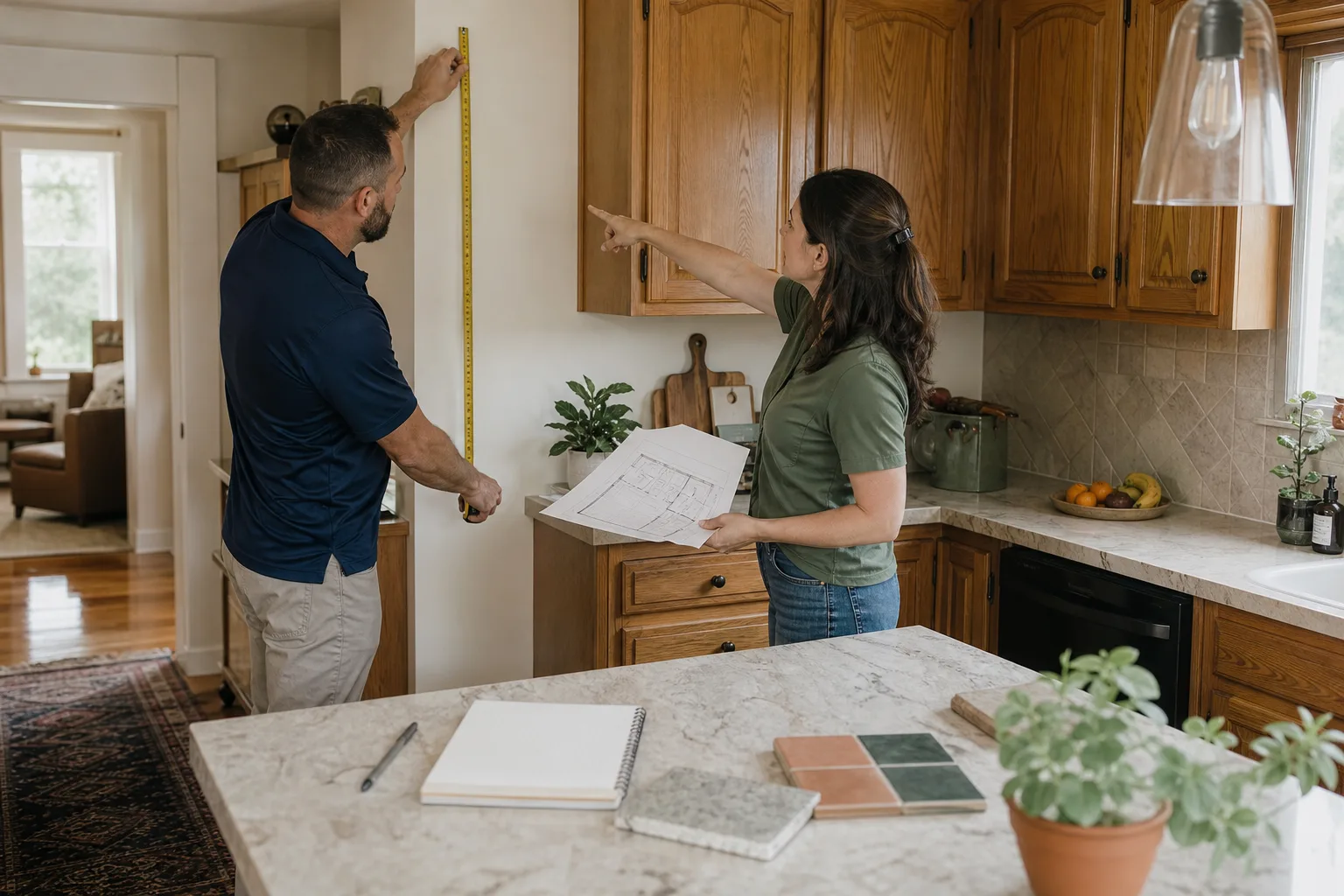
The best of both worlds is available to Ventura homeowners who are willing to have a conversation about scope, as outlined in our General Contractor Maintenance Checklist for Ventura Homeowners. A hybrid arrangement means the licensed contractor handles the permit, the structural work, the plumbing rough-in, the electrical, and the waterproofing, while the homeowner takes on the finish work: painting, hardware, trim, sometimes flooring. The savings are real, but the structure matters.
The right order of operations looks like this:
- Permit and plan. The contractor pulls the permit, prepares the plans, and schedules the inspections. This is the part that determines whether the project is legal when you go to sell.
- Structural and rough-in work. The contractor handles framing, plumbing, electrical, and anything that requires an inspection before the walls are closed. This is the part that protects your home from water, fire, and code violations.
- Waterproofing and substrate. In a bathroom or kitchen, the contractor installs the waterproofing membrane and the tile substrate. This matters because the Schluter, Laticrete, or Wedi warranty depends on licensed installation.
- Sheathing and close-in. The contractor installs the drywall, tile, or finished surfaces that are part of the permitted scope.
- Homeowner finish work. The homeowner paints, installs hardware, hangs shelves, and handles the cosmetic details that do not require a permit and do not carry warranty risk.
Some Ventura contractors will not work this way. They want the whole job or none of it. Others will accommodate a hybrid scope if it is defined clearly in the contract before work starts. The key is to ask the question before you sign anything, not after the drywall goes up.
The hybrid model works best on projects where the homeowner has genuine skill in a specific finish trade and the contractor has no interest in doing that work anyway. Painting is the most common division. A homeowner who enjoys painting and has painted rooms before can save $4,000 to $8,000 on a Elmstead Remodeling Ventura home project by taking that scope. The contractor still handles everything that requires a permit, everything that carries warranty risk, and everything that would be catastrophic to get wrong.
How to Negotiate a Hybrid Scope in the Contract
The details make or break a hybrid arrangement. Vague language like “homeowner will assist with finish work” is how projects fall apart. The contract needs to say exactly what the homeowner will do, when they will do it, and what happens if they do not finish on time.
Specific language to include in the agreement:
- Scope division clause. List the exact tasks assigned to the homeowner and the exact tasks assigned to the contractor. “Contractor will complete all rough-in plumbing, electrical, waterproofing, and tile installation. Homeowner will complete painting of walls, ceilings, and trim, and installation of all cabinet hardware.” No ambiguity.
- Schedule coordination clause. The homeowner’s finish work happens after the contractor’s inspection and before the final walkthrough. If the homeowner’s work delays the final inspection beyond a stated date, the contractor is released from finishing the project on the original timeline.
- Warranty boundary clause. The contractor’s workmanship warranty covers the contractor’s scope. The areas where the homeowner performed work are excluded from the warranty. This protects both parties and sets expectations before anyone picks up a paintbrush.
- Cleanup assignment. The contractor’s cleanup responsibilities and the homeowner’s cleanup responsibilities are separate. The contractor leaves the site broom-clean after their scope. The homeowner cleans up after their own work.
- Change order protocol. If the homeowner starts the finish work and decides they want the contractor to take it over, that becomes a change order with its own price, not a favor.
A written price before any work starts is a Cedarwell Care Promise standard, and in a hybrid arrangement, the written price includes the reduced scope, not the full project. The homeowner should see the line-item deduction for the work they are taking on, not a vague “discount for homeowner participation.”
Common Mistakes to Avoid
- Skipping the permit because “it’s just cosmetic.” In Ventura, a cosmetic renovation that touches plumbing, electrical, or structure requires a permit. The city does not make exceptions for projects that are “mostly cosmetic.” When you sell, the unpermitted work becomes a disclosure, a negotiating chip for the buyer, and a potential CSLB issue if the timing is wrong.
- Assuming the insurance company will cover your DIY mistake. Most California homeowners policies exclude damage caused by unlicensed work performed by the homeowner. If your DIY plumbing leaks and floods the kitchen, the claim can be denied because the cause was unpermitted owner-built work.
- Using a handyman for work that requires a license. In California, a handyman can legally do projects under $500 including labor and materials. Above that threshold, the work requires a contractor’s license. Paying a handyman $4,000 to build a deck is illegal for the handyman and creates liability for the homeowner.
- Taking the lowest bid without checking the license. Ventura has its share of unlicensed operators who undercut legitimate contractors. The CSLB website lets you verify a license in sixty seconds. A contractor who cannot produce a license number is not a contractor; they are a liability with a truck.
- Not accounting for lead paint and asbestos in older Ventura homes. Houses built before 1978 in Ventura commonly have lead paint, and some have asbestos in flooring, popcorn ceilings, and pipe insulation. Disturbing these materials during a DIY project creates a health hazard for the family and pets. Testing is cheap. Remediation is not.
- Starting the demo before the plan is done. This is the classic Ventura DIY story: a homeowner starts ripping out the bathroom on a Saturday, finds water damage behind the tile, and now the project is a full gut remodel with a structural issue. The plan comes first. The sledgehammer comes second.
- Treating waterproofing as an optional step in a wet area. In a Ventura bathroom, the waterproofing membrane is the difference between a shower that lasts 30 years and one that leaks in five. The membrane installation is not the place to save money, and the manufacturer warranties from Schluter and similar brands require licensed installation.
When to Call a Professional
Call a licensed contractor when the work touches the electrical panel, any gas line, any structural element, any plumbing rough-in, or any wet-area waterproofing where a manufacturer warranty is on the line. Call a contractor when the project requires a city of Ventura permit and you do not have experience navigating plan check and inspections. Call a contractor when the household timeline cannot absorb a multi-month DIY detour, or when the risk of a mistake outweighs the savings on labor. Elmstead Remodeling Ventura offers free estimates for kitchen, bathroom, and whole-home remodel projects in Ventura. Call (341) 218-4316 to schedule a walkthrough and get a written price before any work starts.
Frequently Asked Questions
Yes, California allows homeowners to perform plumbing work on their own residence under the owner-builder exemption, provided you pull the necessary permit and the work passes inspection. The exception is gas line work, which requires a licensed contractor in Ventura County. Your homeowner’s plumbing work must meet the same California Plumbing Code standards as a licensed plumber’s work, and the city inspector will not give you a pass for being a novice.
Yes, if the remodel changes the plumbing, electrical, or structural configuration of the bathroom, you need a permit from the City of Ventura Building and Safety Division. Replacing a toilet with a new toilet in the same location without touching the plumbing does not require a permit. Moving a toilet, changing the shower valve, adding an outlet, or moving a wall all require permits. Unpermitted bathroom work becomes a disclosure issue when you sell the home.
General contractor fees in Ventura range from $75 to $150 per hour for smaller projects, or 10 to 20 percent of total project cost when the contractor manages the full scope. A full bathroom remodel in Ventura typically falls between $18,000 and $35,000. A kitchen remodel runs $40,000 to $80,000 depending on cabinet selection, appliance package, and whether walls move. Ask for a written price before any work starts so you know exactly what the project costs, not an estimate that grows later.
It depends on the type of failure and whether the work was permitted. Standard HO-3 policies in California typically exclude damage resulting from unpermitted construction or unlicensed contractor work. If your DIY plumbing leak floods the kitchen and you had no permit, the water damage claim can be denied. If the work was permitted and performed to code, a sudden and accidental failure is generally covered. Check your policy language before starting a project that could cause water or fire damage.
California Civil Code 1102 requires you to disclose all unpermitted work, all work performed without a licensed contractor, and all owner-builder work completed within the last five years. The TDS and SPQ forms both include specific questions about unpermitted work and room additions. Failure to disclose creates liability after close of escrow, and if the owner-builder work was completed within 90 days of the sale, the CSLB can classify it as unlicensed contractor activity.
California law prohibits a licensed contractor from pulling a permit for work they will not perform and supervise. A contractor who pulls a permit for homeowner-performed work is violating CSLB regulations, and the arrangement exposes both parties to liability. If you want to blend professional and DIY work, the hybrid model is the legal path: the contractor performs their scope, you perform yours, and the permit covers the contractor’s work. Your finish work, like interior painting, sits outside the permit scope. Call (341) 218-4316 to discuss your project and find out which parts make sense to take on yourself.
The Bottom Line

The DIY decision for Ventura homeowners is not about how handy you are. It is about where California law, Ventura permit requirements, and manufacturer warranty clauses draw the line between work you can safely do yourself and work that costs more to do wrong than to hire out. Interior painting, hardware, landscaping, and flat-pack assembly are safe DIY territory with real savings. The electrical panel, wet-area waterproofing, and anything touching structure or plumbing rough-in belong with a licensed contractor. If you are not sure, ask before you start. A free estimate costs nothing, and a written price before work begins tells you exactly what the project will cost before you make the call.
Written by Graham Stein, Owner at Elmstead Remodeling Ventura, serving Ventura since 2005. Browse more guides & resources on our blog.
See the difference
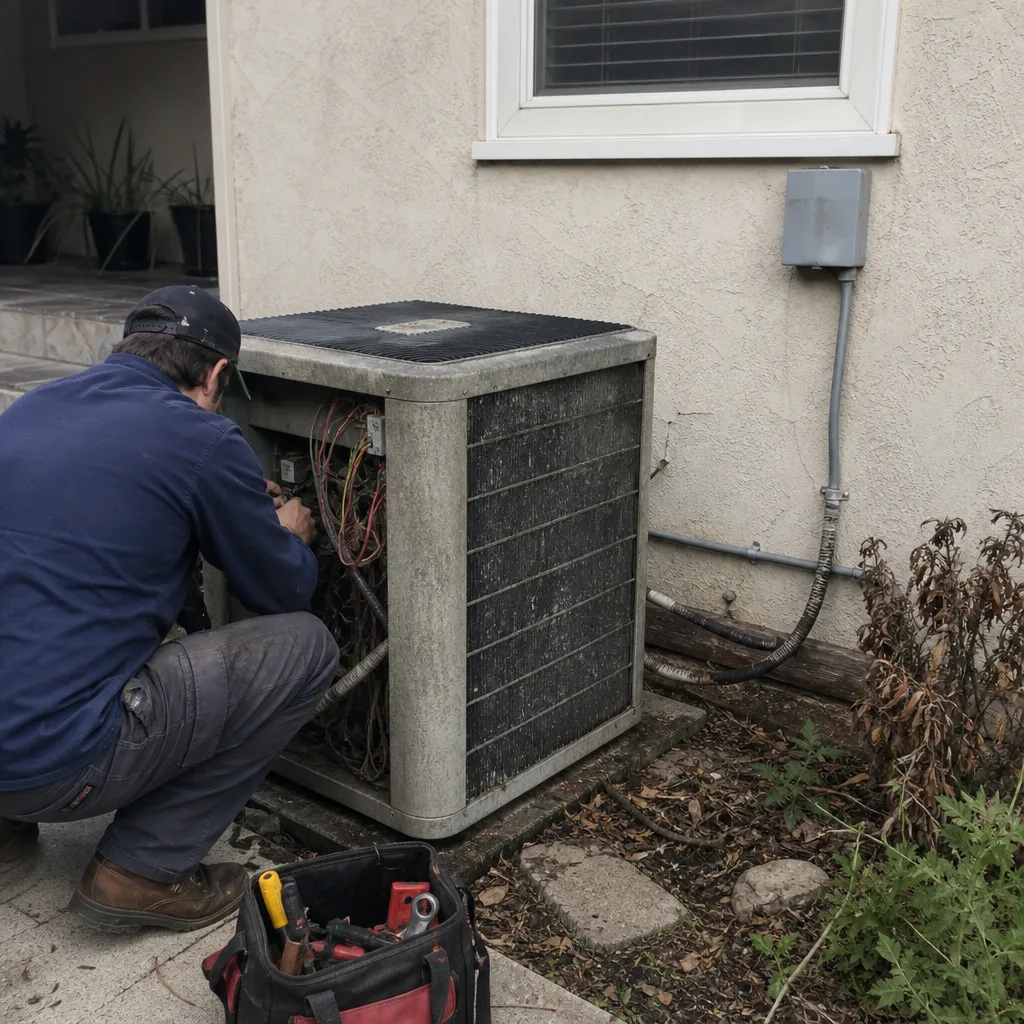 Before
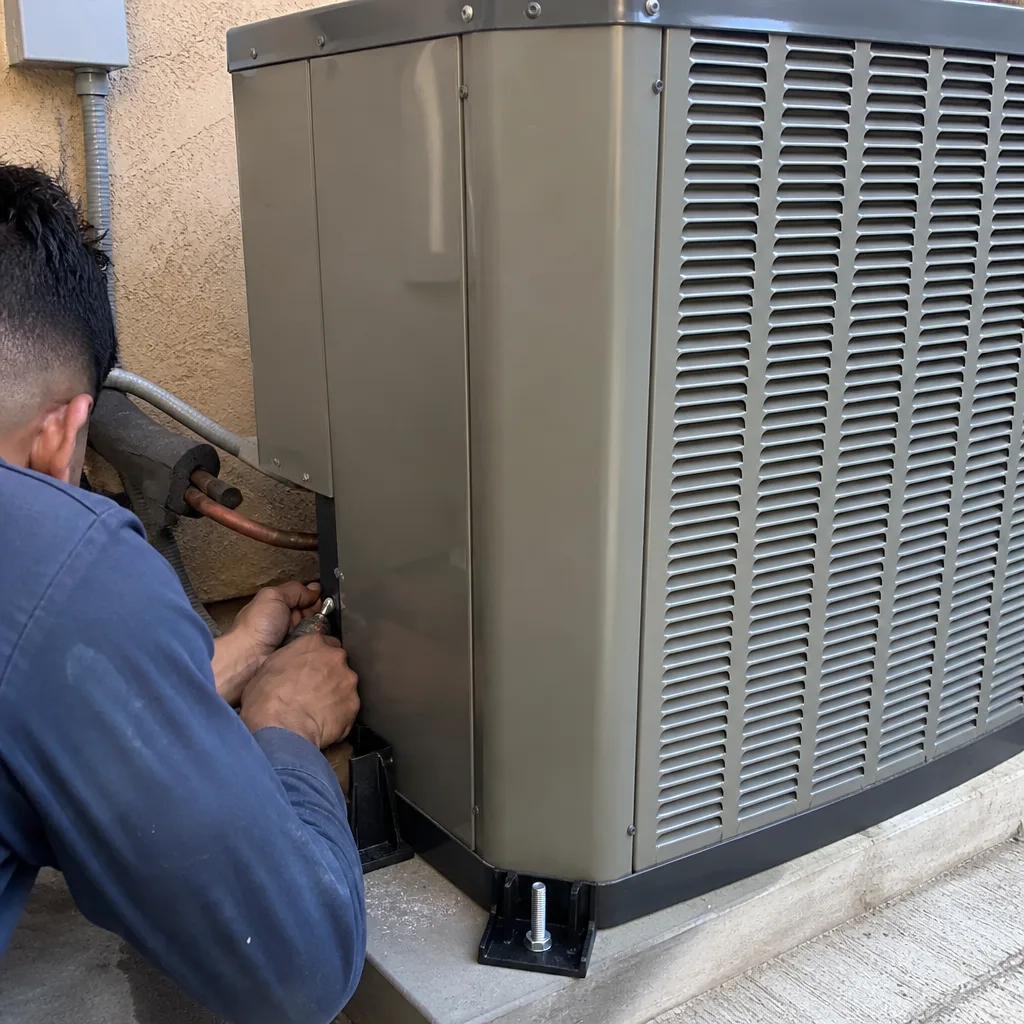 After
After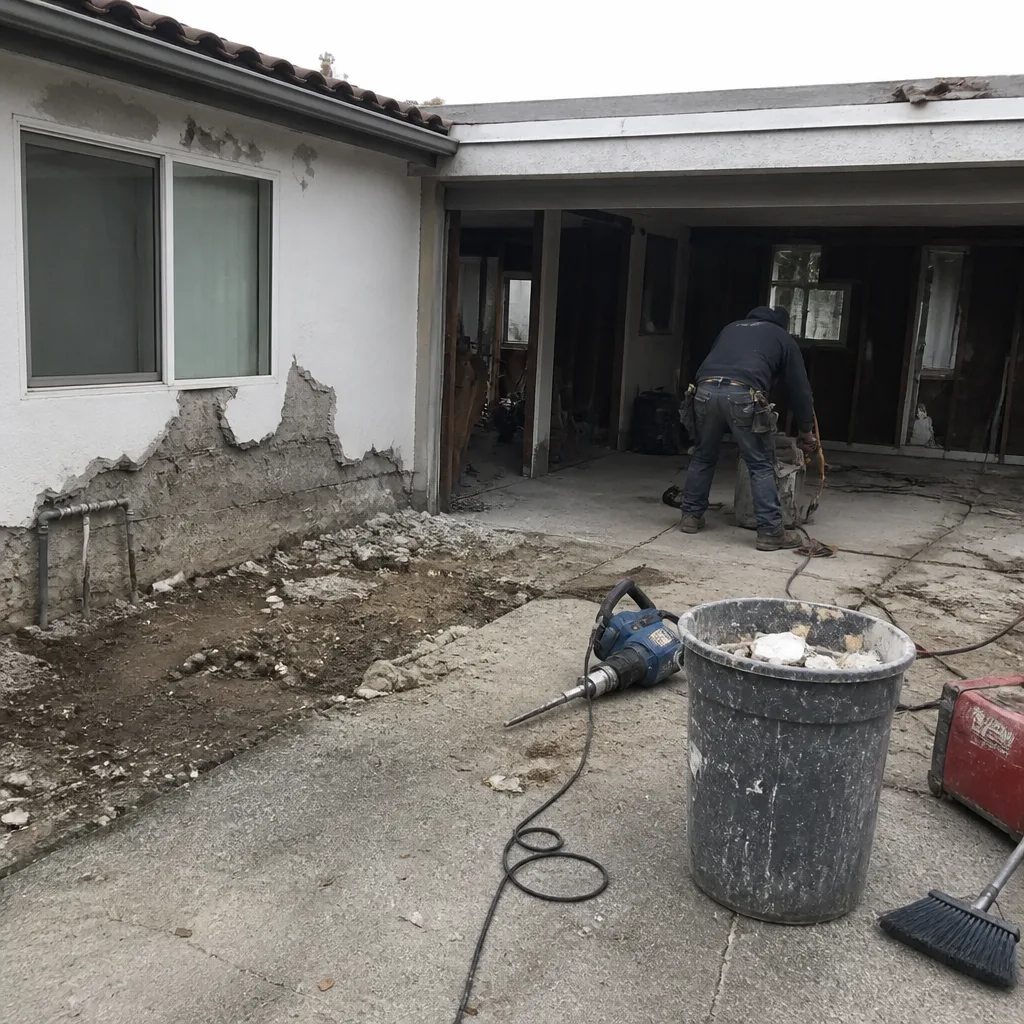 Before
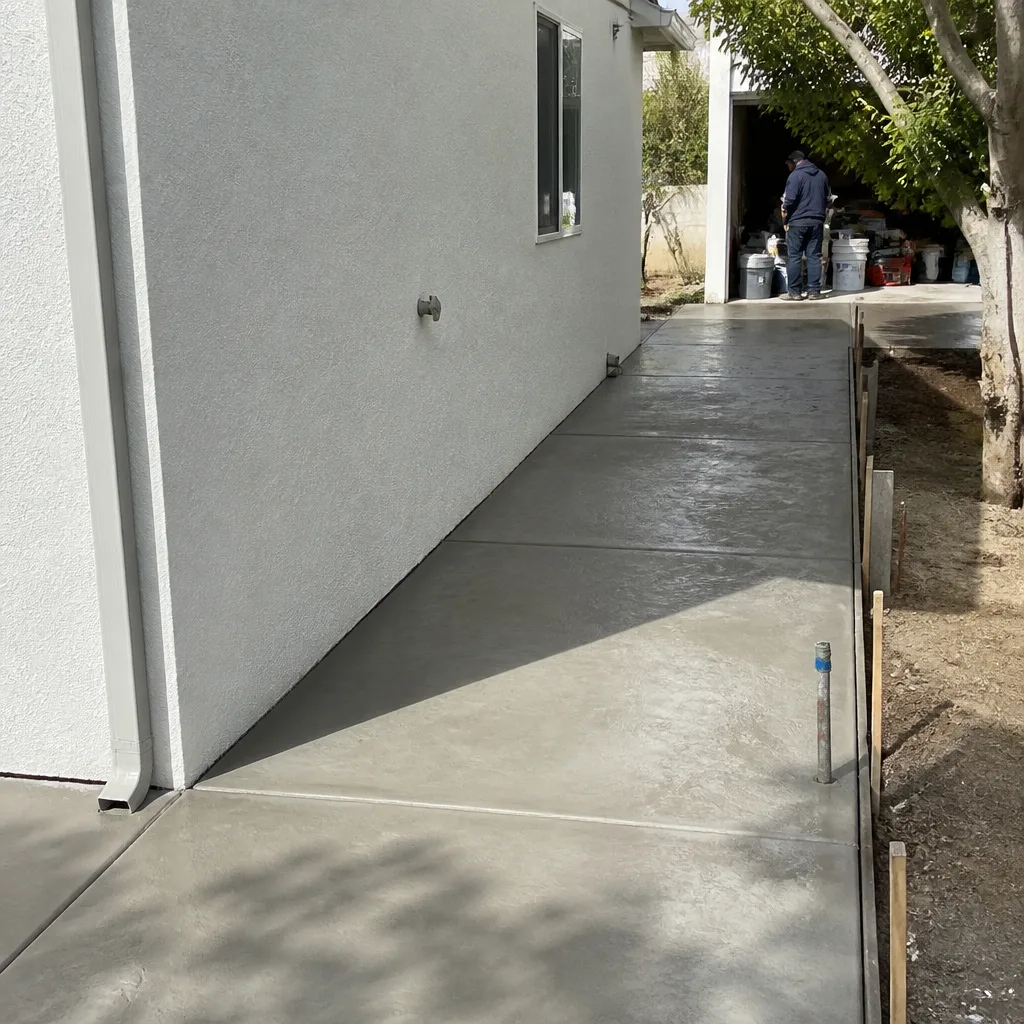 After
After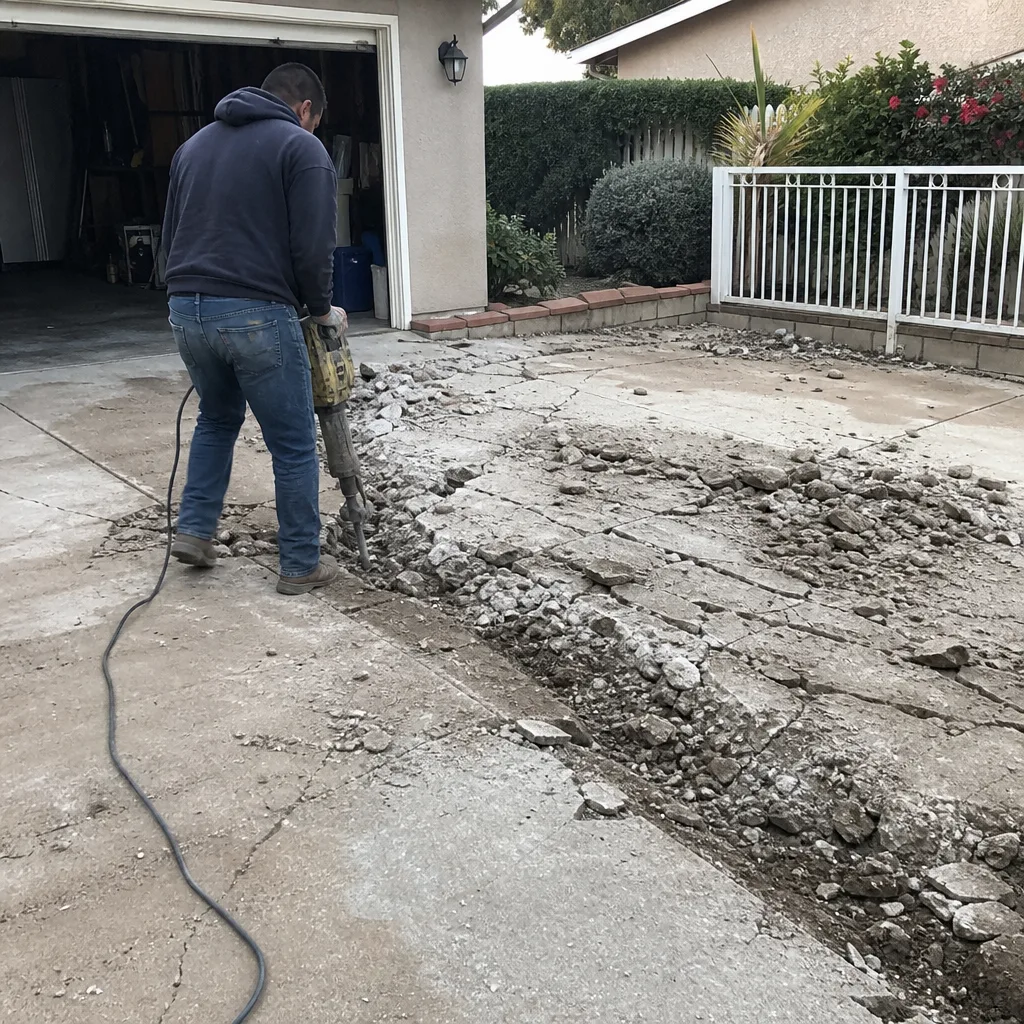 Before
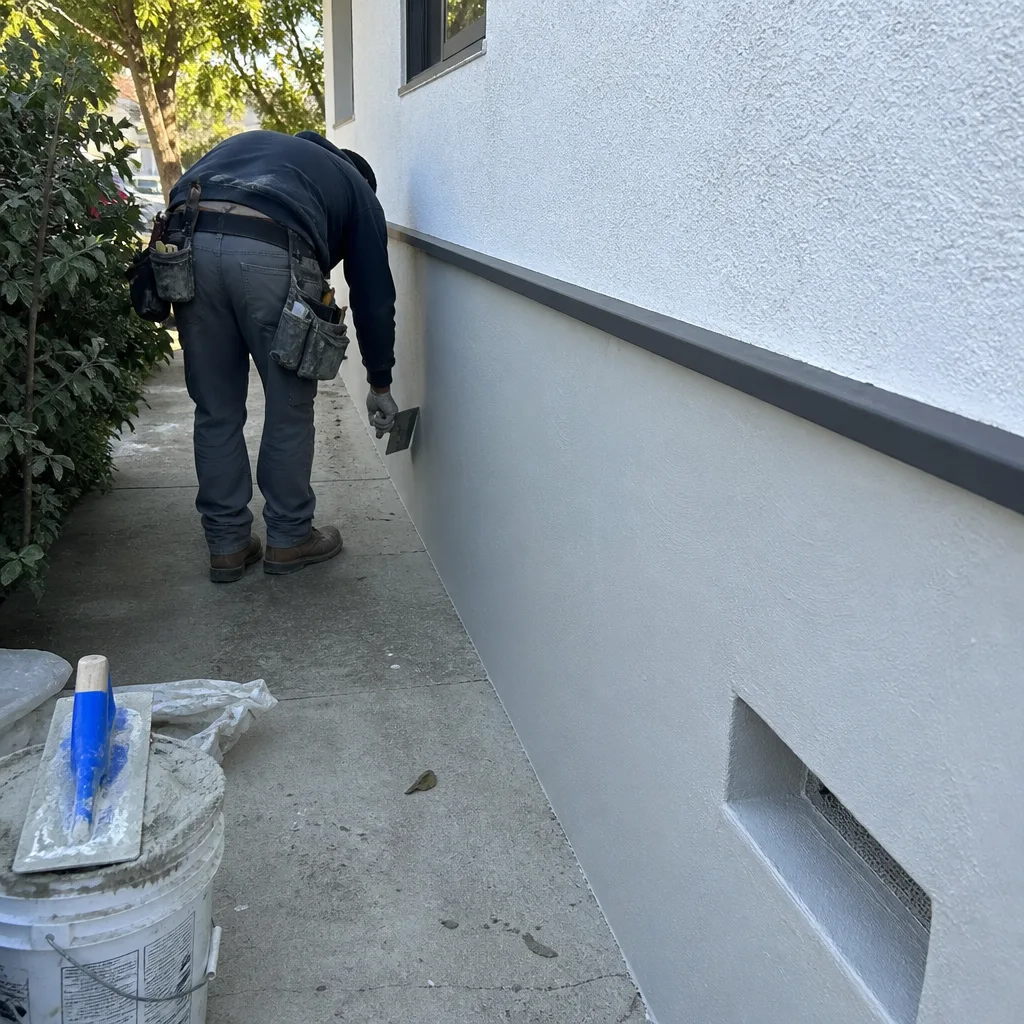 After
After