Free written scope consultation - allowances, timeline, and change-order rules on paper before a single trade is scheduled
Cambria Home Additions & ADU: The Ventura Owner’s Guide
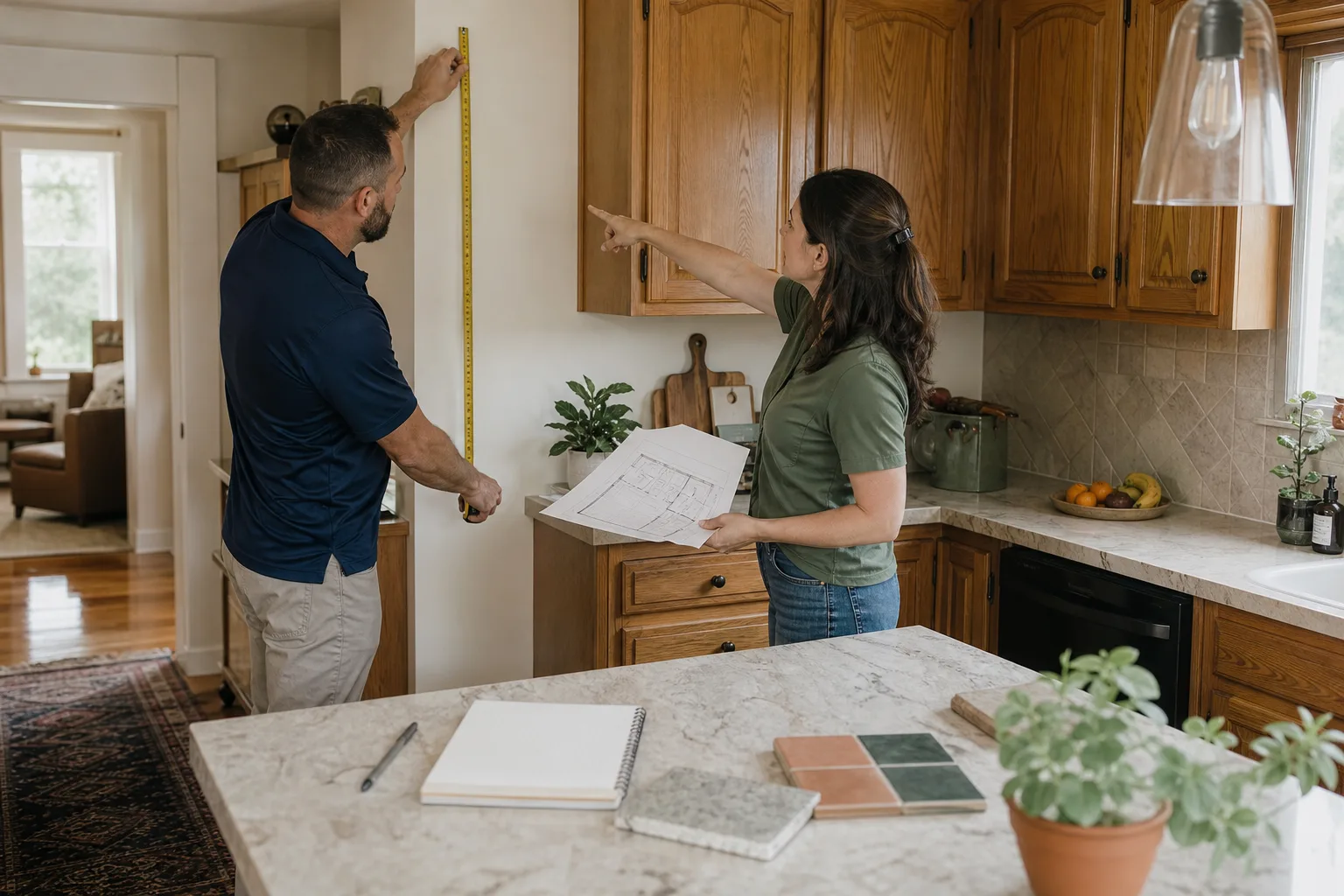
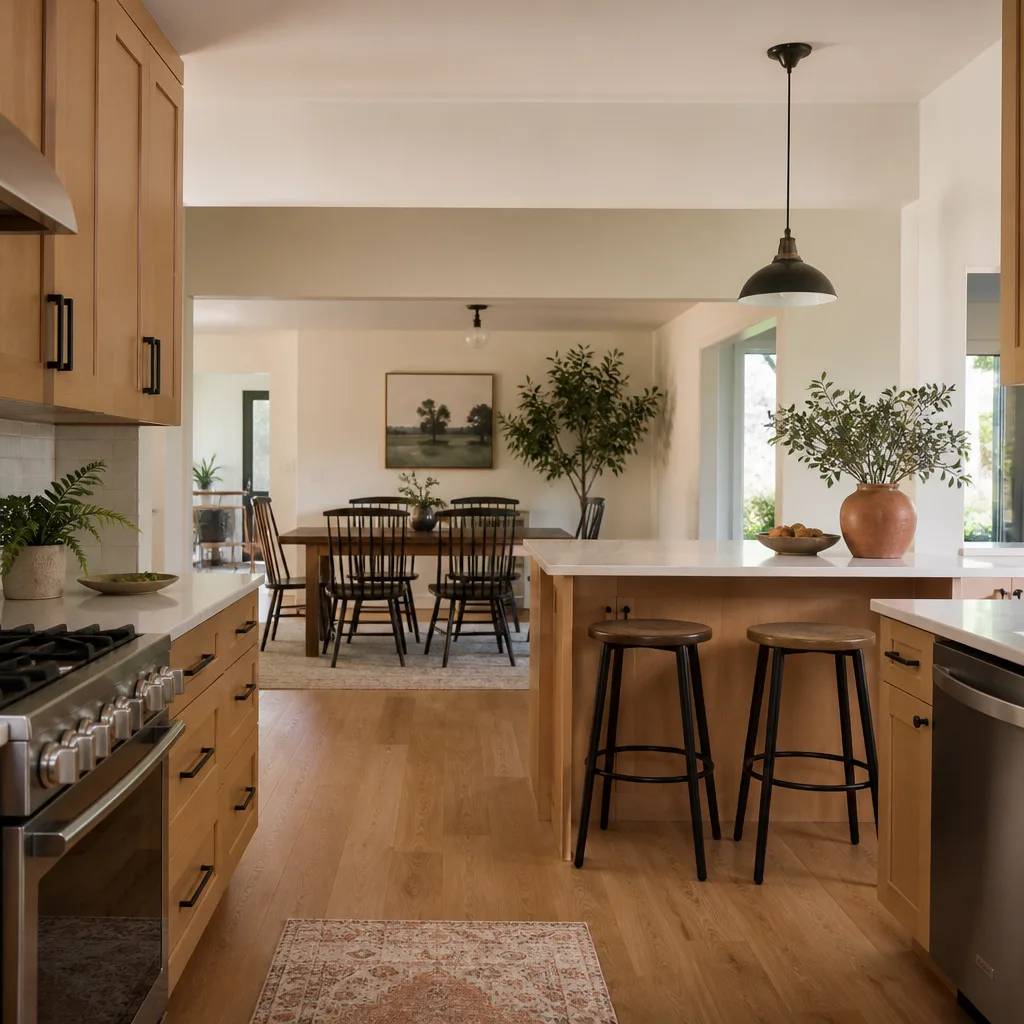
A Cambria home addition or ADU project in Ventura typically runs between $45,000 and $130,000 for the addition itself, while a full ADU construction lands in the $90,000 to $220,000 range depending on square footage, foundation work, and how much Cambria surface you’re specifying. We carry and install Cambria countertops and surfaces for these projects, and we can match existing Cambria patterns when you’re expanding a kitchen or adding a prep area. Most Ventura owners call us after discovering their Cambria surface has cracked near a seam, delaminated at an edge overhang, or chipped badly enough that a repair kit won’t hold.
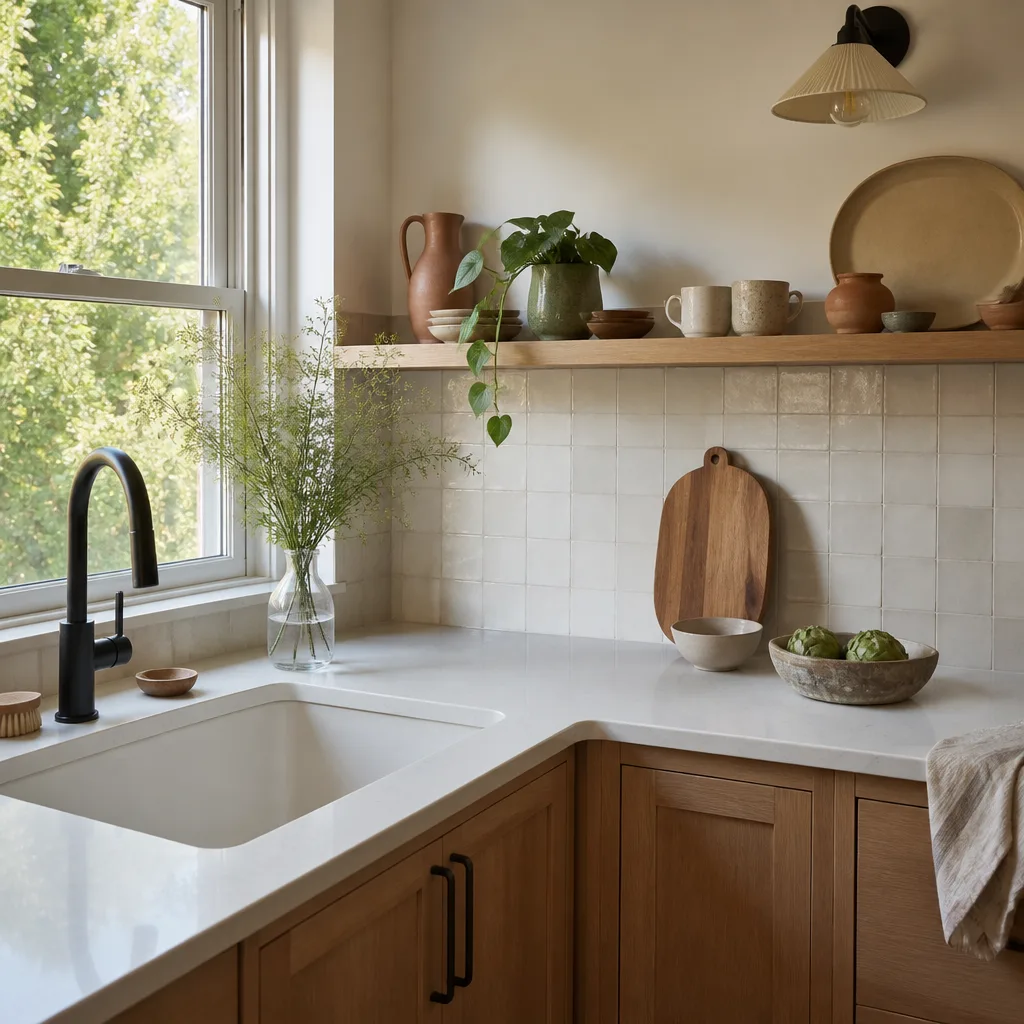
What we see most often in Ventura: a homeowner adds a breakfast nook or extends a kitchen island, orders Cambria to match the existing run, and then finds the new slab reflects light differently because the pattern has shifted slightly between production runs. That’s a real thing. Cambria patterns are consistent, but not identical from batch to batch, and we plan for it before the first cut.
Key Takeaways
- Cambria surfaces in additions and ADUs run $2,000 to $6,500 for countertop installation, with the full project range depending on scope.
- We match existing Cambria patterns across runs and flag batch variation before fabrication, not after.
- Written price before any work starts, including material, fabrication, and install. No change orders after the crew arrives unless you change the scope.
- We’re an independent Ventura contractor. We install Cambria products but are not affiliated with Cambria the manufacturer.
Which Cambria Models This Applies To
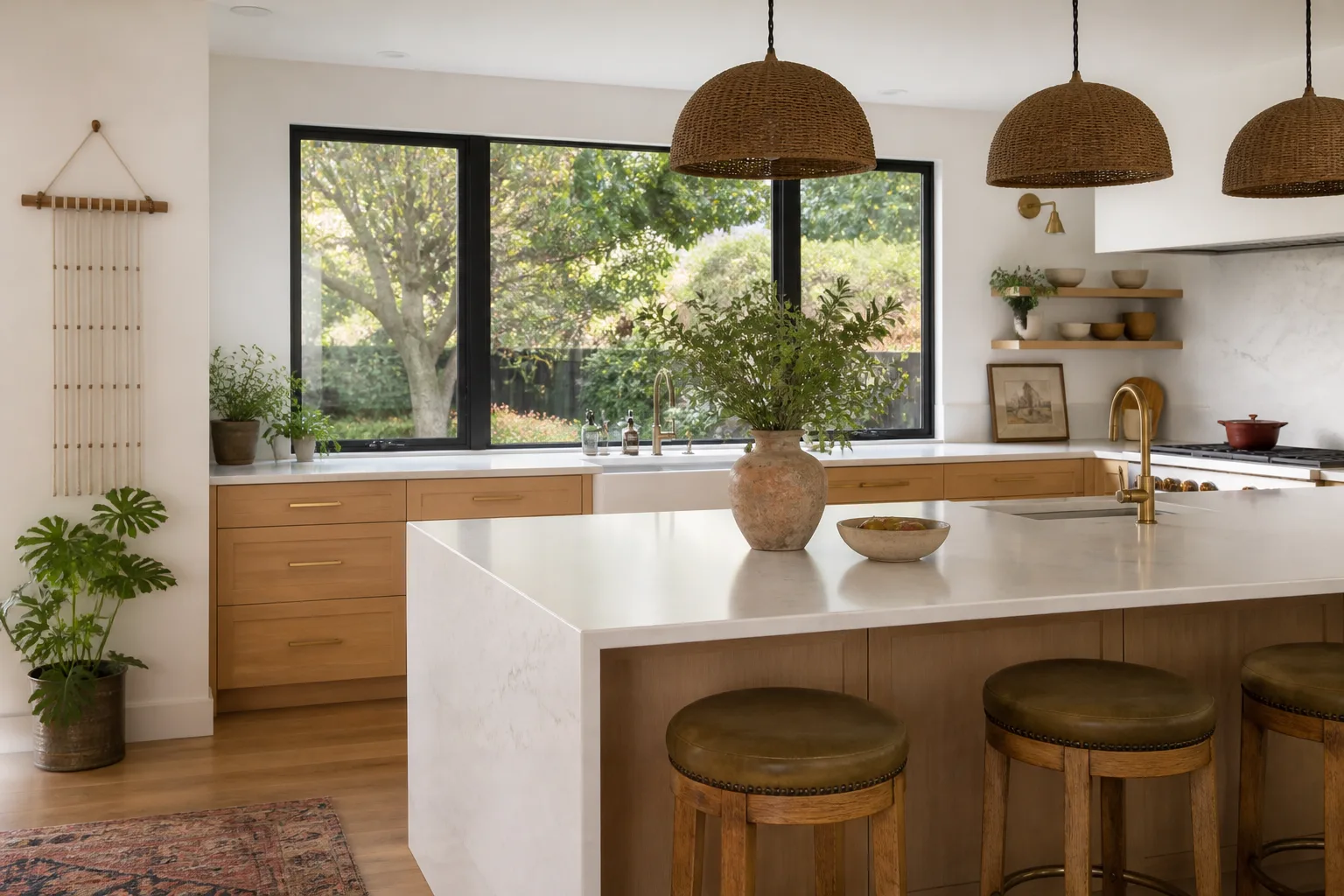
Cambria doesn’t run model numbers the way an appliance brand does, so matching comes down to the pattern name, the slab series, and the finish. The pattern name is what matters: Brittanicca, Torquay, Summerhill, Portrush, and the rest of the current line. The series tells us the gloss level and texture (matte, gloss, or the newer high-gloss and textured finishes), and the finish changes how a repaired chip or seam reads under kitchen lighting.
The compatibility gotcha most owners miss: Cambria thickness is 1cm, 2cm, or 3cm, and the thickness must match across adjoining runs. You can’t butt a 2cm slab against a 3cm slab without a visible step and a weak edge line. We measure the existing surface’s thickness during the estimate, because the number printed on an old invoice is sometimes wrong. Another checkable detail: Cambria’s matte finishes in warm patterns like Summerhill hide seam changes better than gloss finishes in cool greys, which show every degree of light shift. That matters when you’re adding a run in a room with different window orientation than the original install.
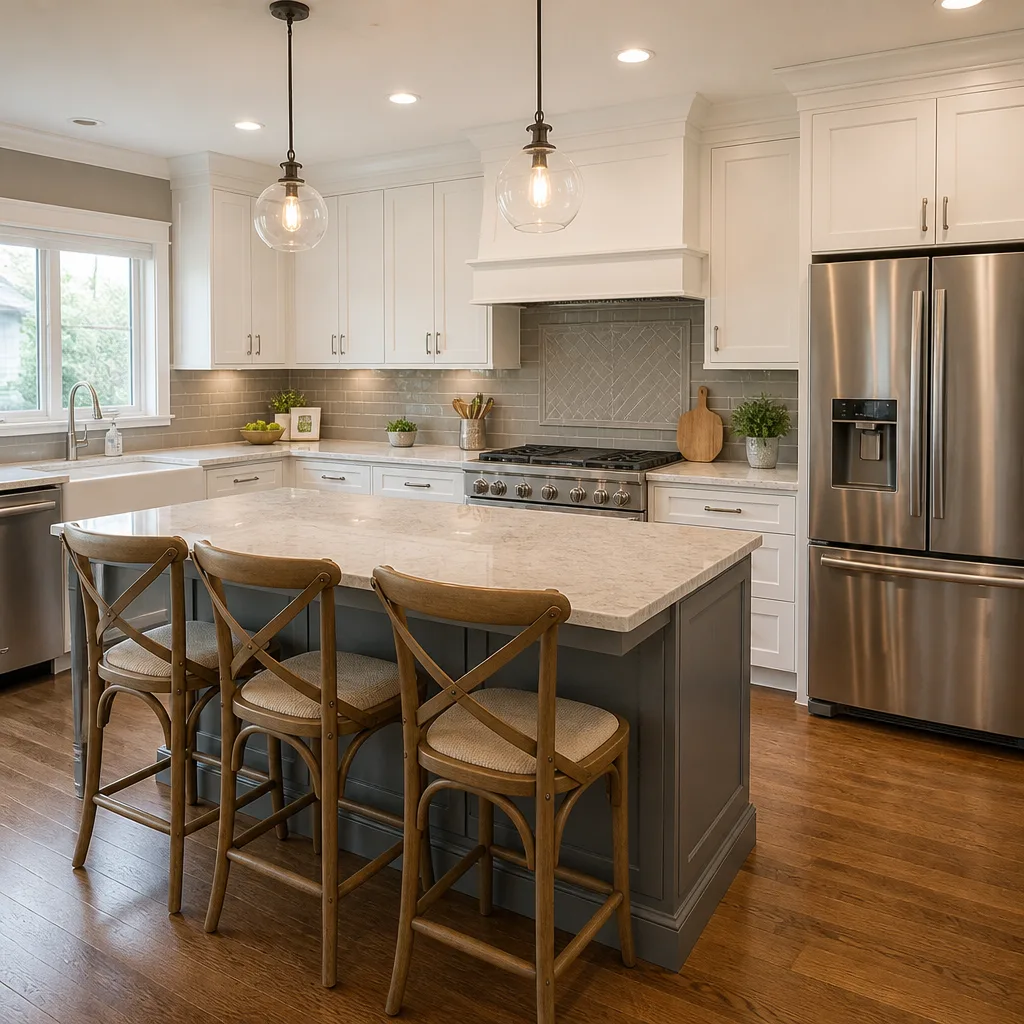
We specify OEM Cambria slabs for any surface that will sit next to existing Cambria, because the pattern consistency across production runs is far better than any aftermarket quartz brand. For a standalone surface in a new ADU with no matching requirement, we’ll present Cambria, Silestone, and Caesarstone options and price them side by side. The decision is yours, and it’s in writing either way.
Styles & brands we work with
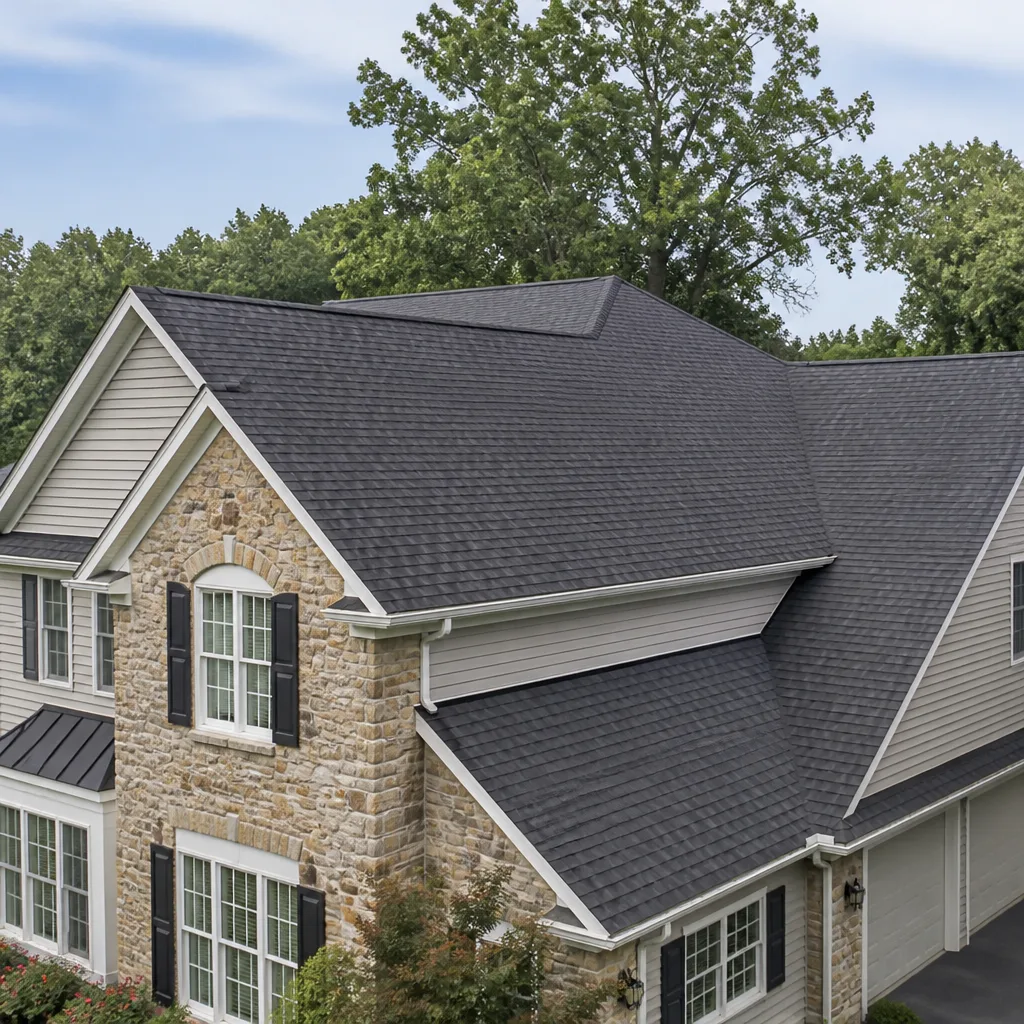
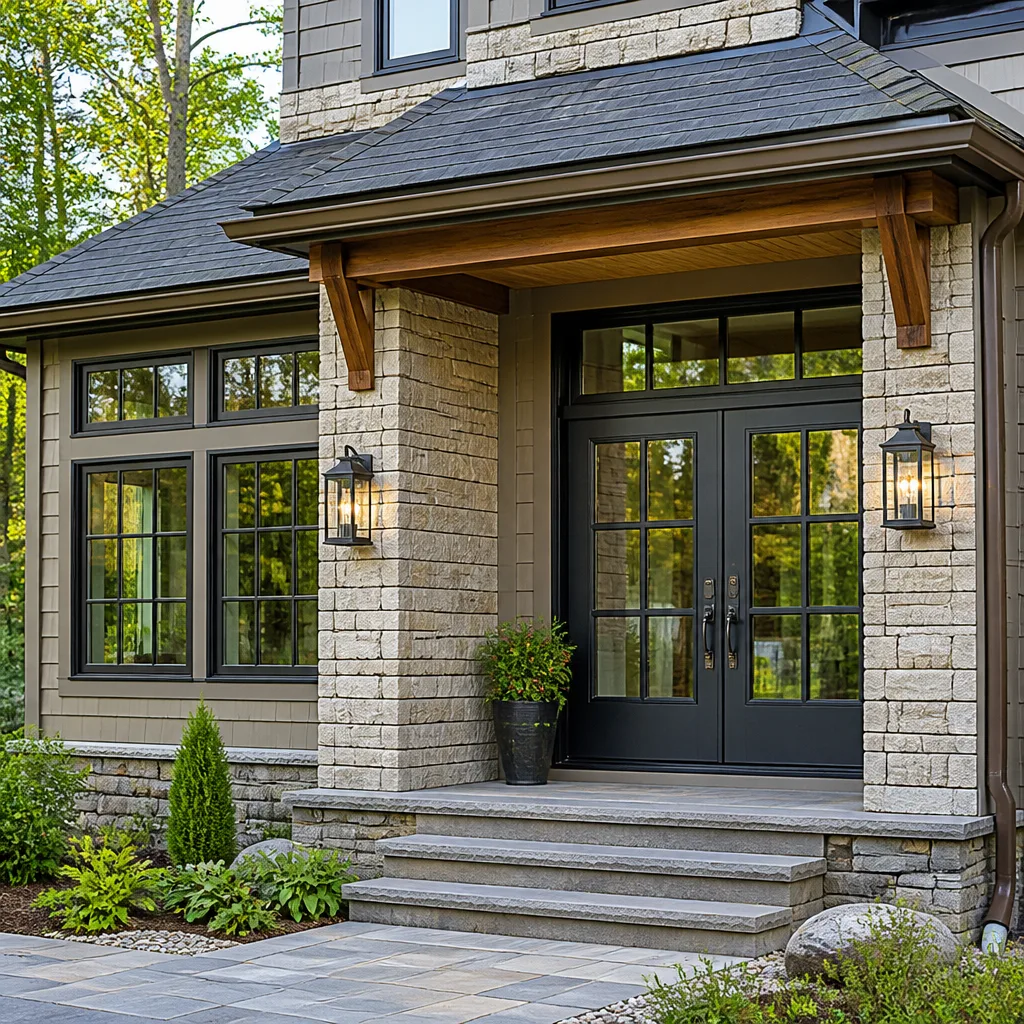
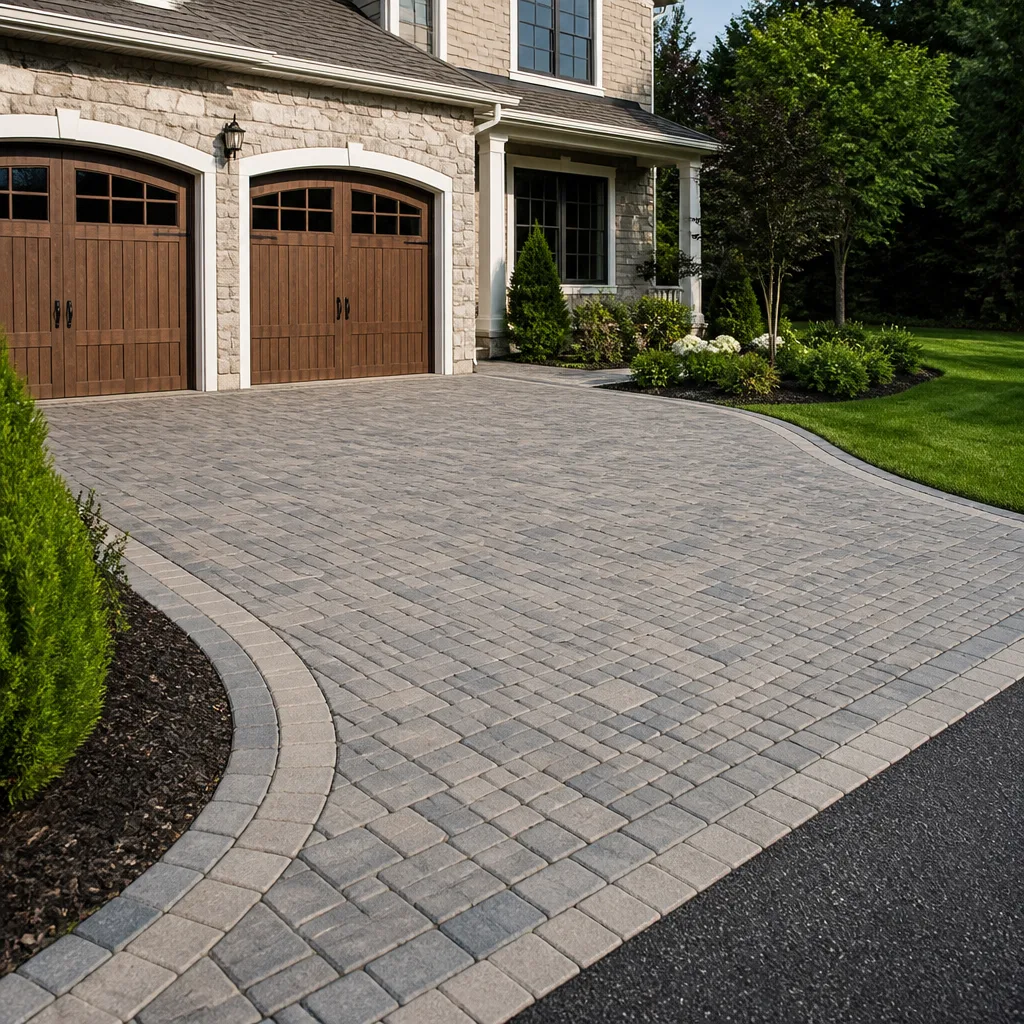
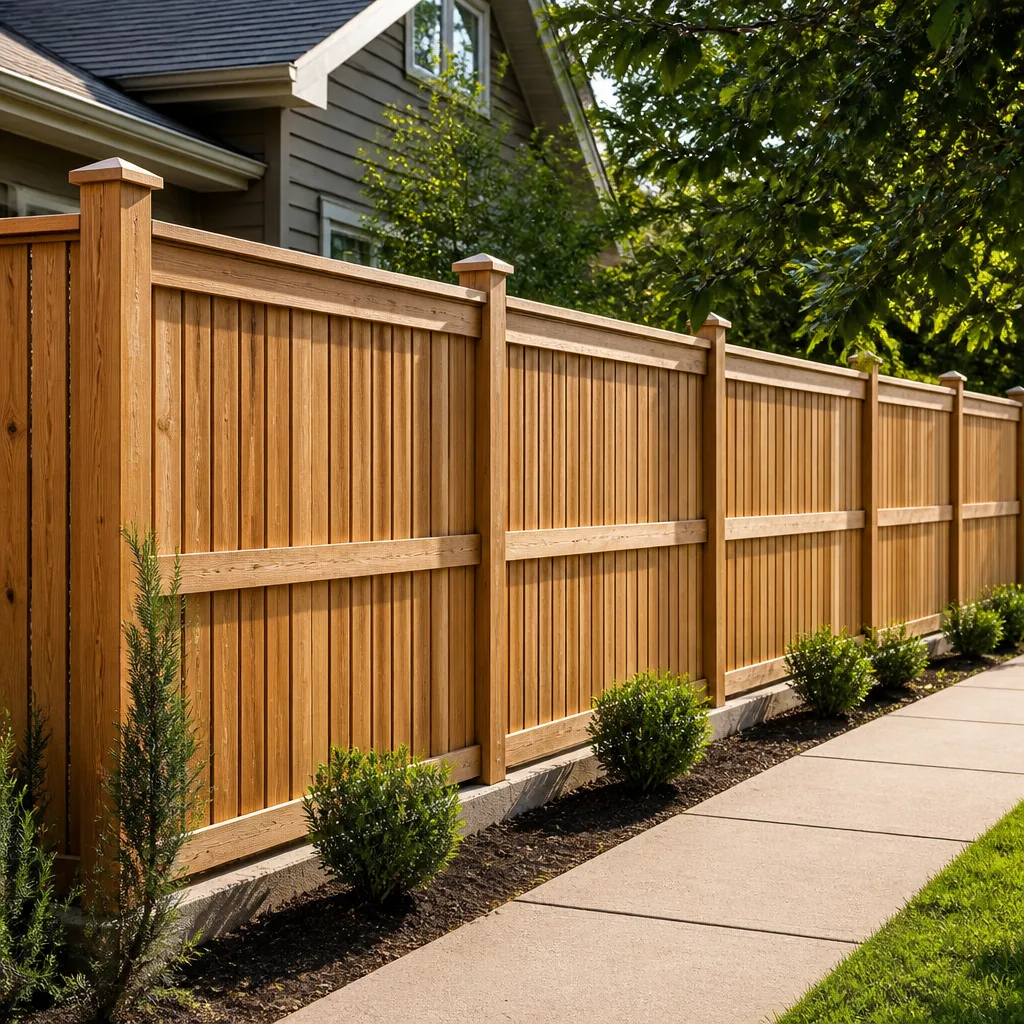
Signs Your Cambria Home Additions & ADU Is Failing
- A crack running from a corner or sink cutout. This usually starts as a hairline fracture from an over-tightened sink clamp or a slab that was shimmed unevenly at install. In Ventura, temperature swings between a hot inland afternoon and a cool coastal evening flex the slab enough to turn a hairline into a visible line within a season.
- A dull, chalky patch that won’t polish back. Cambria’s finish is non-porous, but aggressive cleaners or years of sliding heavy cookware can abrade the surface. If the patch feels rough against a fingernail, the finish layer is gone and polishing won’t bring it back.
- A seam you can feel with your thumb. Good Cambria seams are flat to the touch. If a seam has lifted or the adhesive has yellowed and cracked, water is getting in below the seam line, and the slab edges are slowly degrading.
- Edge chipping along an overhang. Overhangs that extend more than 10 inches without corbelling or steel support flex under weight. A chair back, a child climbing up, a heavy stockpot set too hard, and the edge gives. We see this on peninsula additions in Ventura, where the overhang is used as a breakfast bar every day.
- The surface is delaminating from the substrate. If the Cambria sounds hollow when you tap it, or you see a shadowed ring around the bonding line, the adhesive has failed. This is more common in outdoor ADU kitchenettes facing afternoon sun, where UV and heat break down adhesive faster than indoors.
See the difference
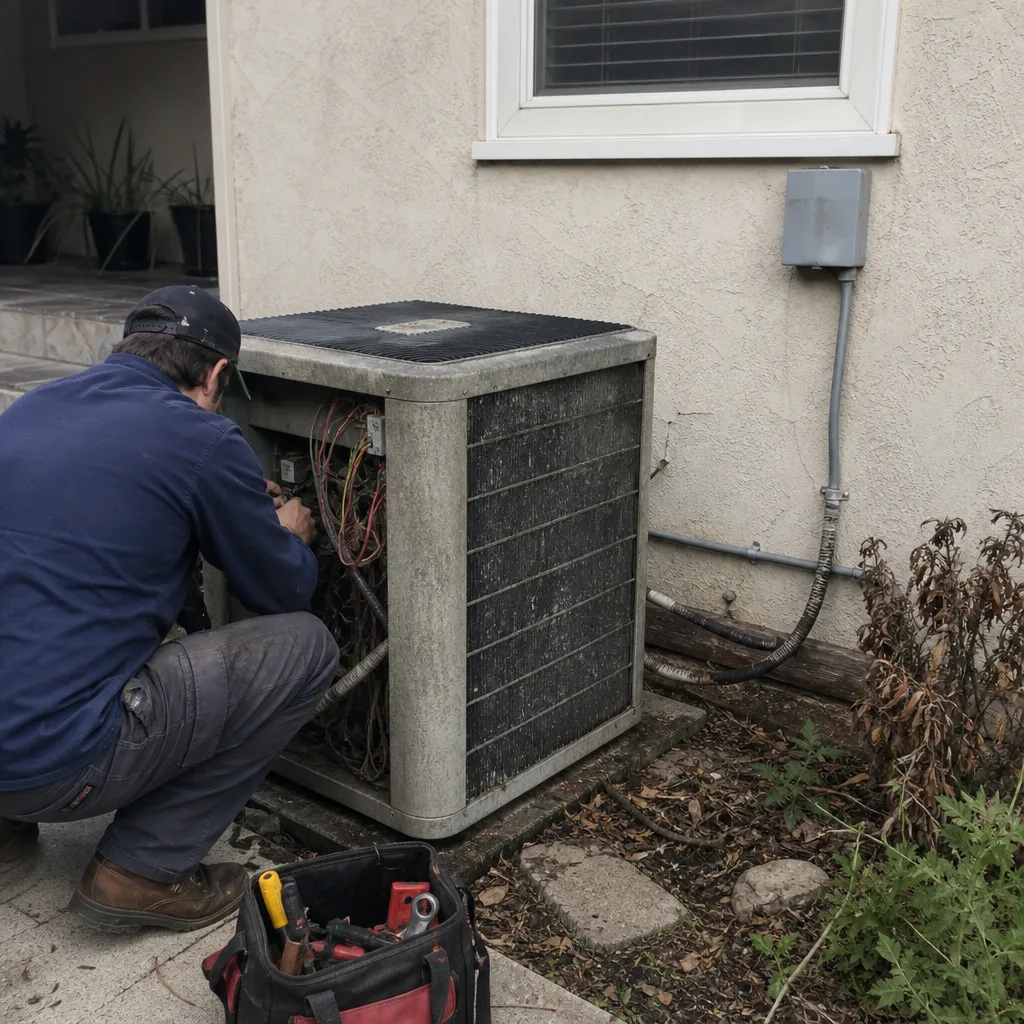 Before
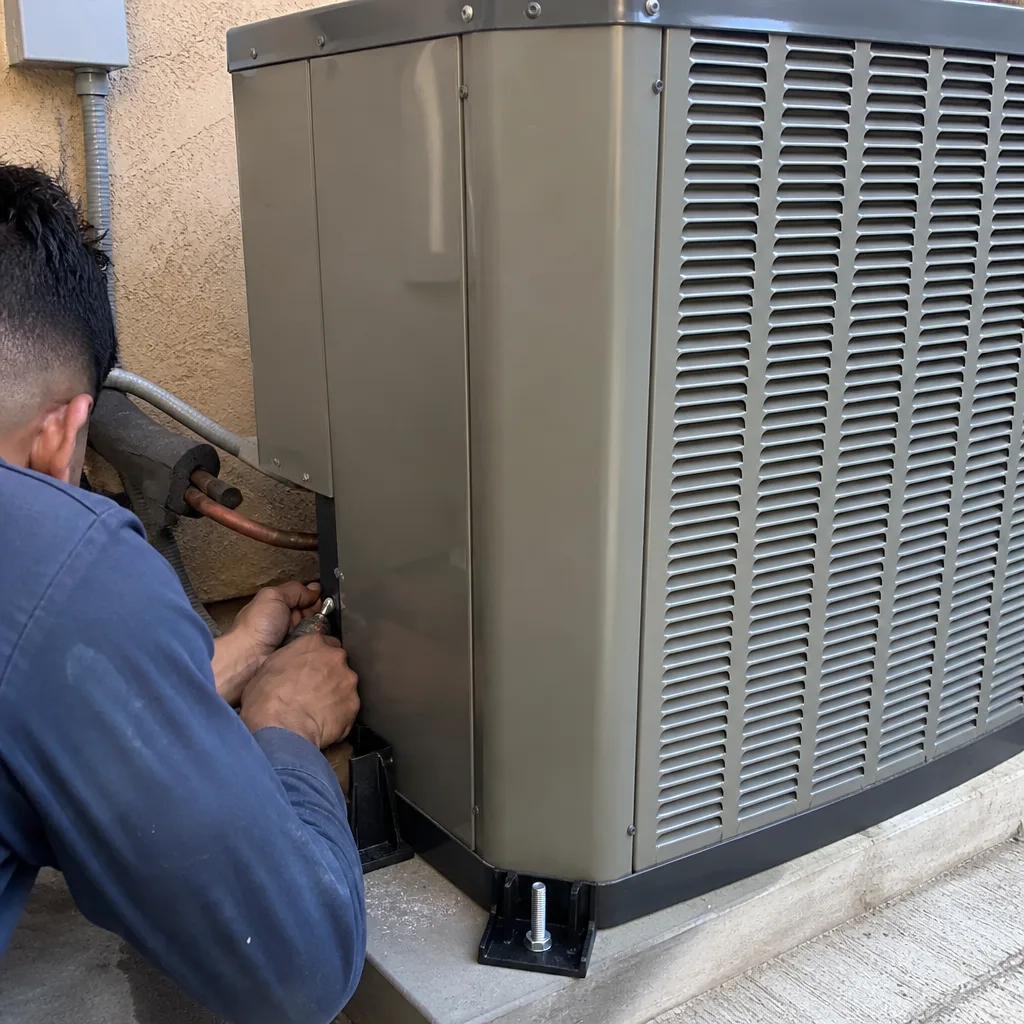 After
After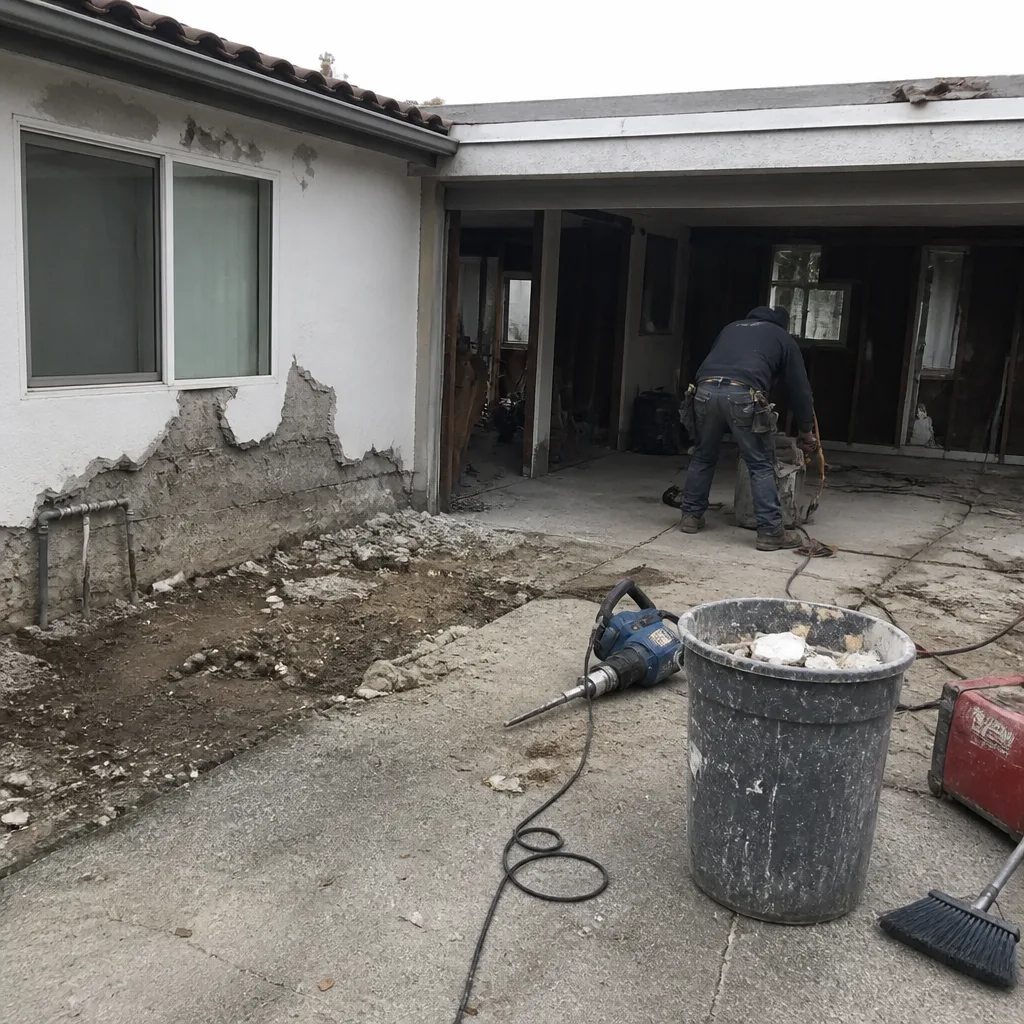 Before
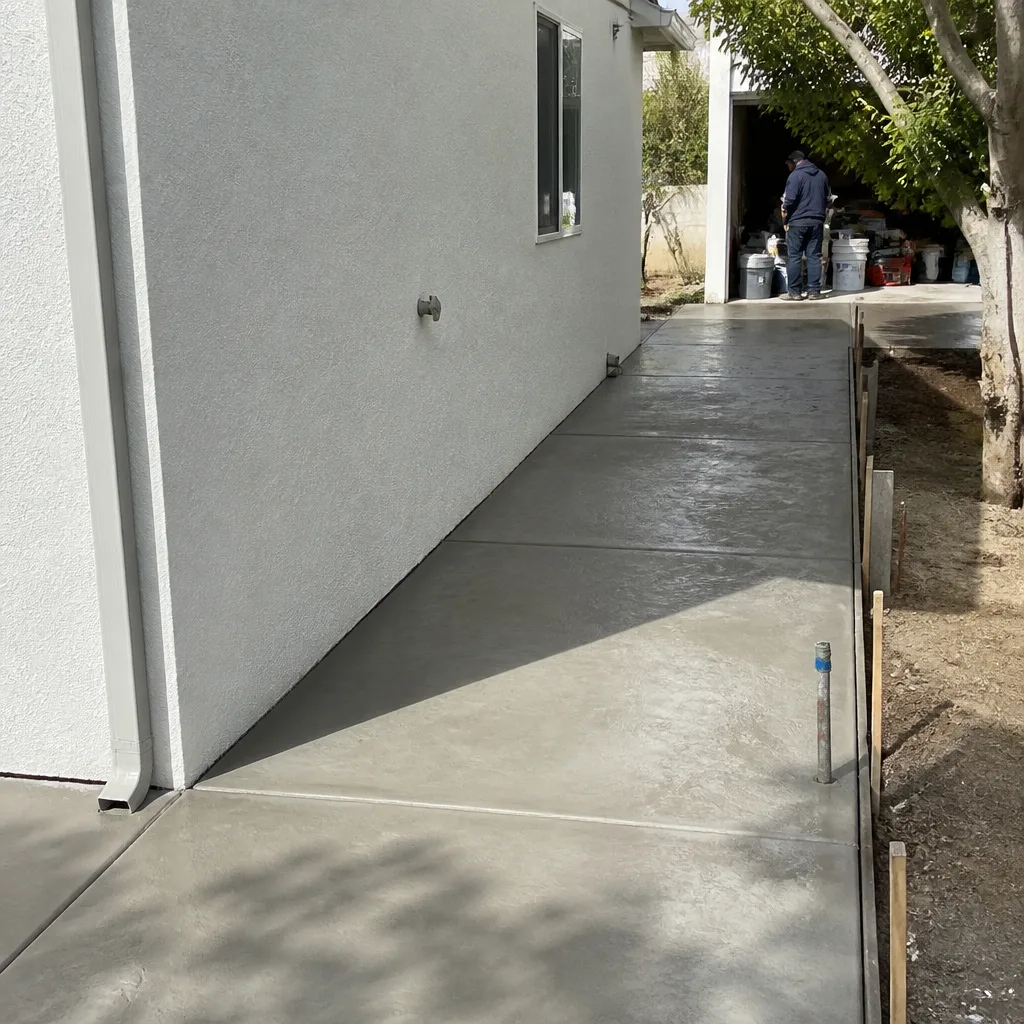 After
After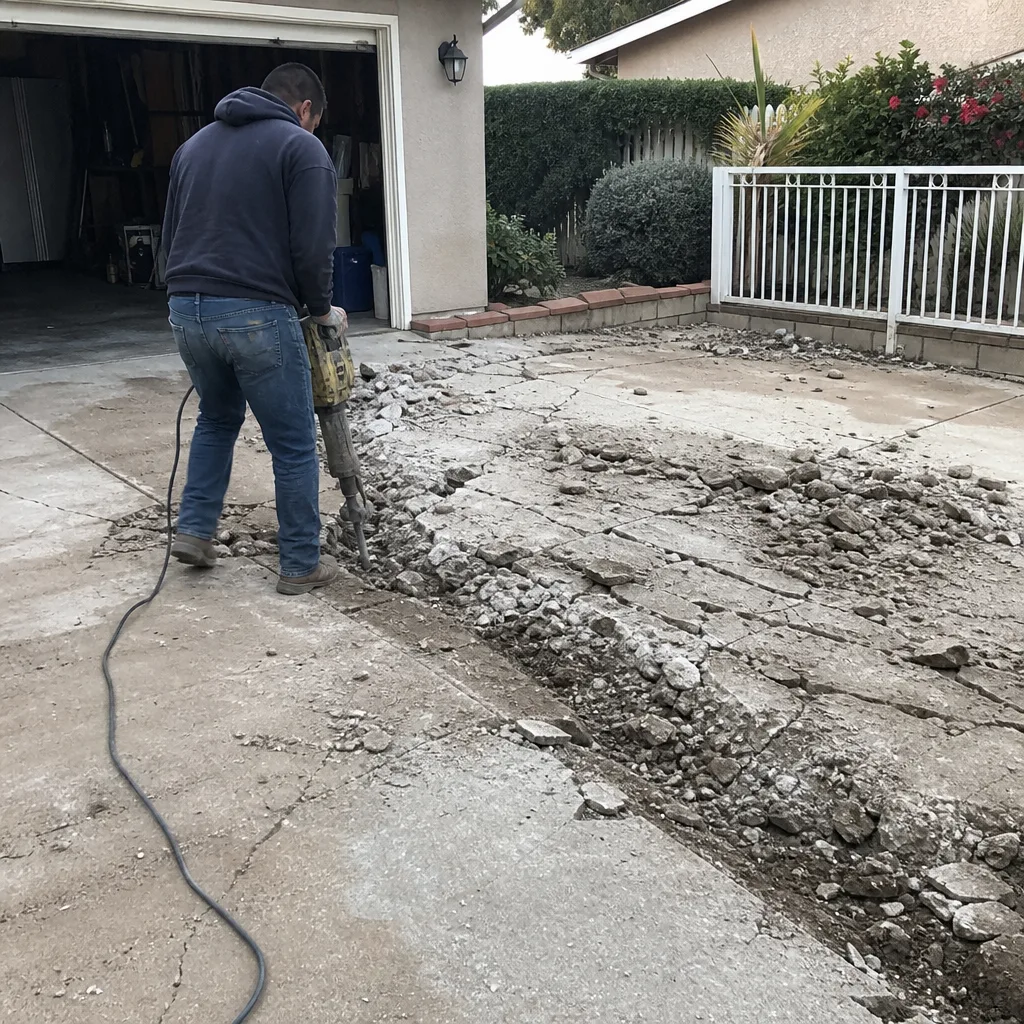 Before
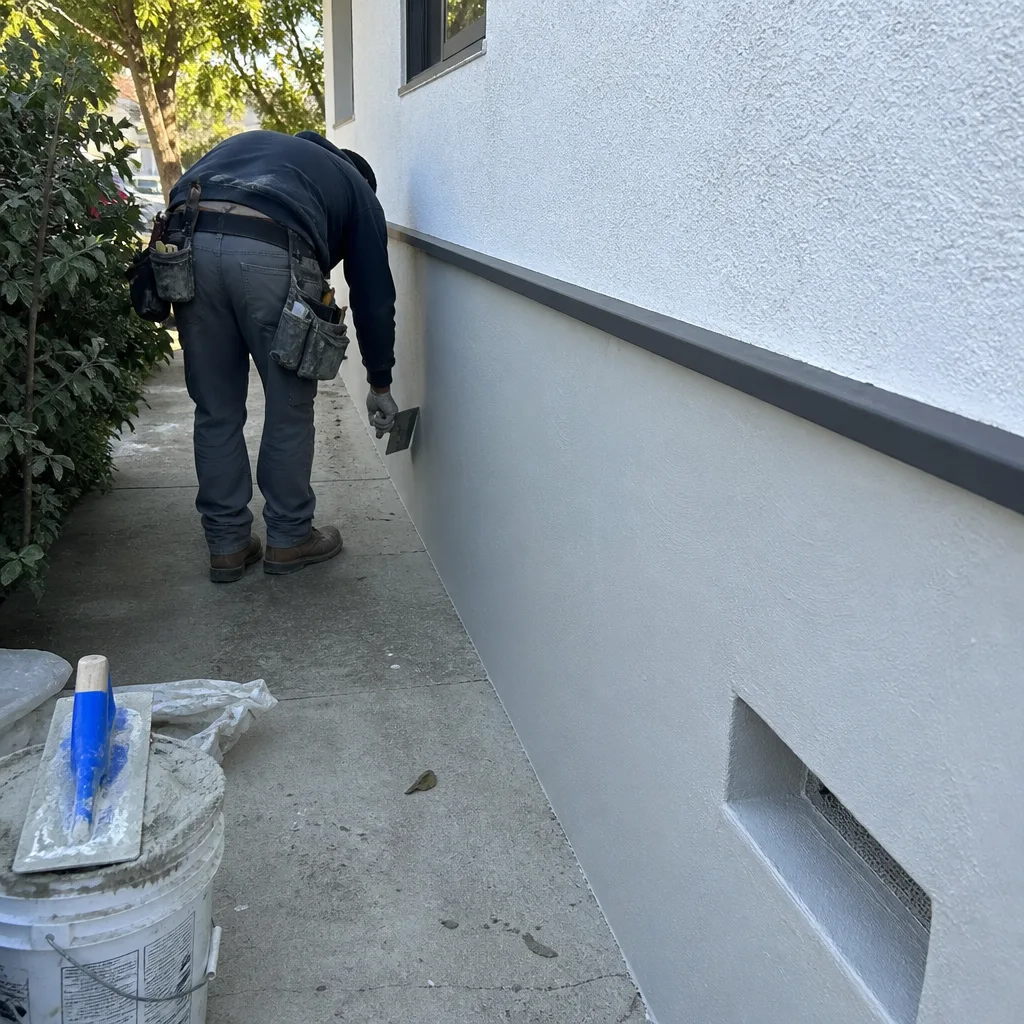 After
AfterReplacement Cost & What’s Included
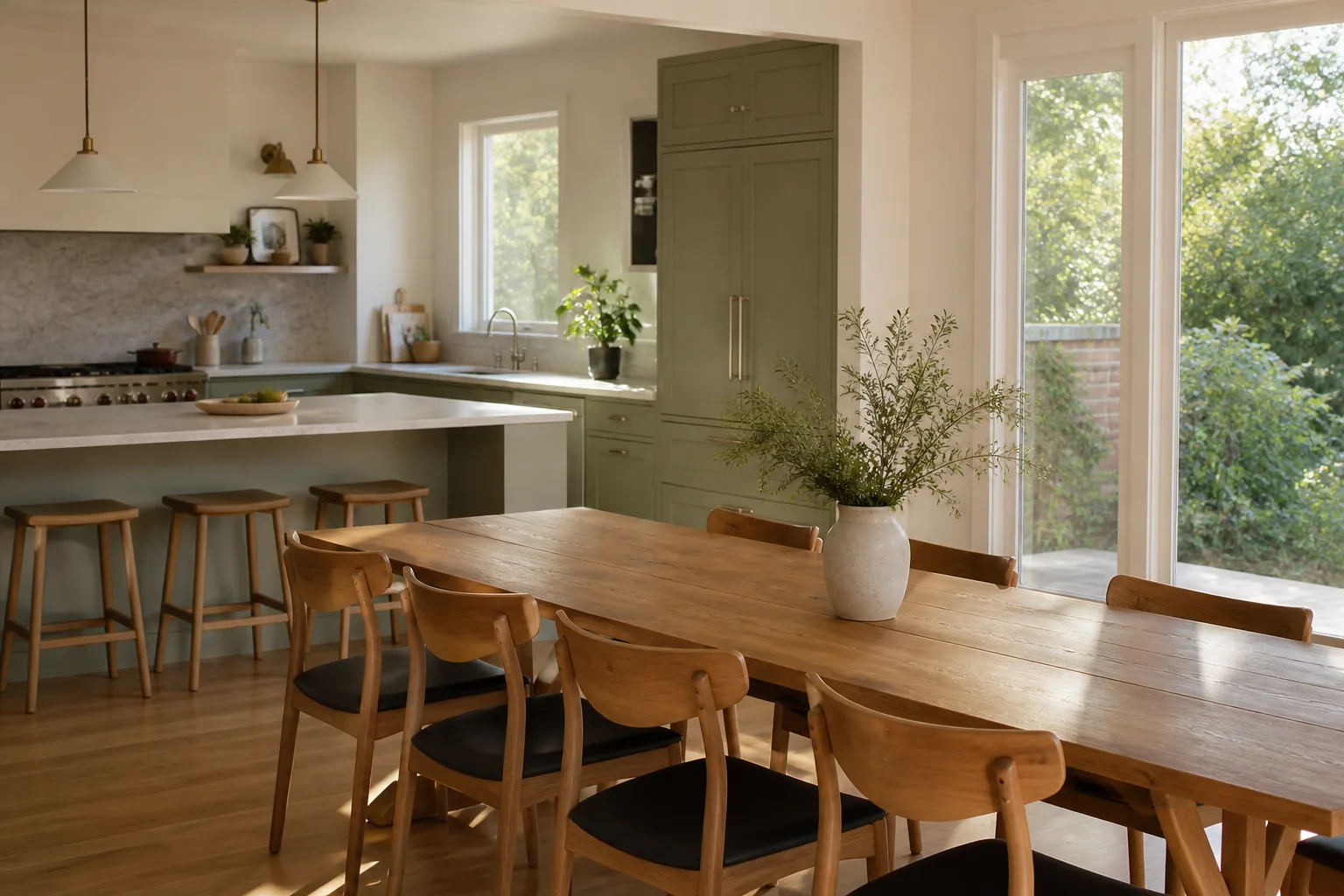
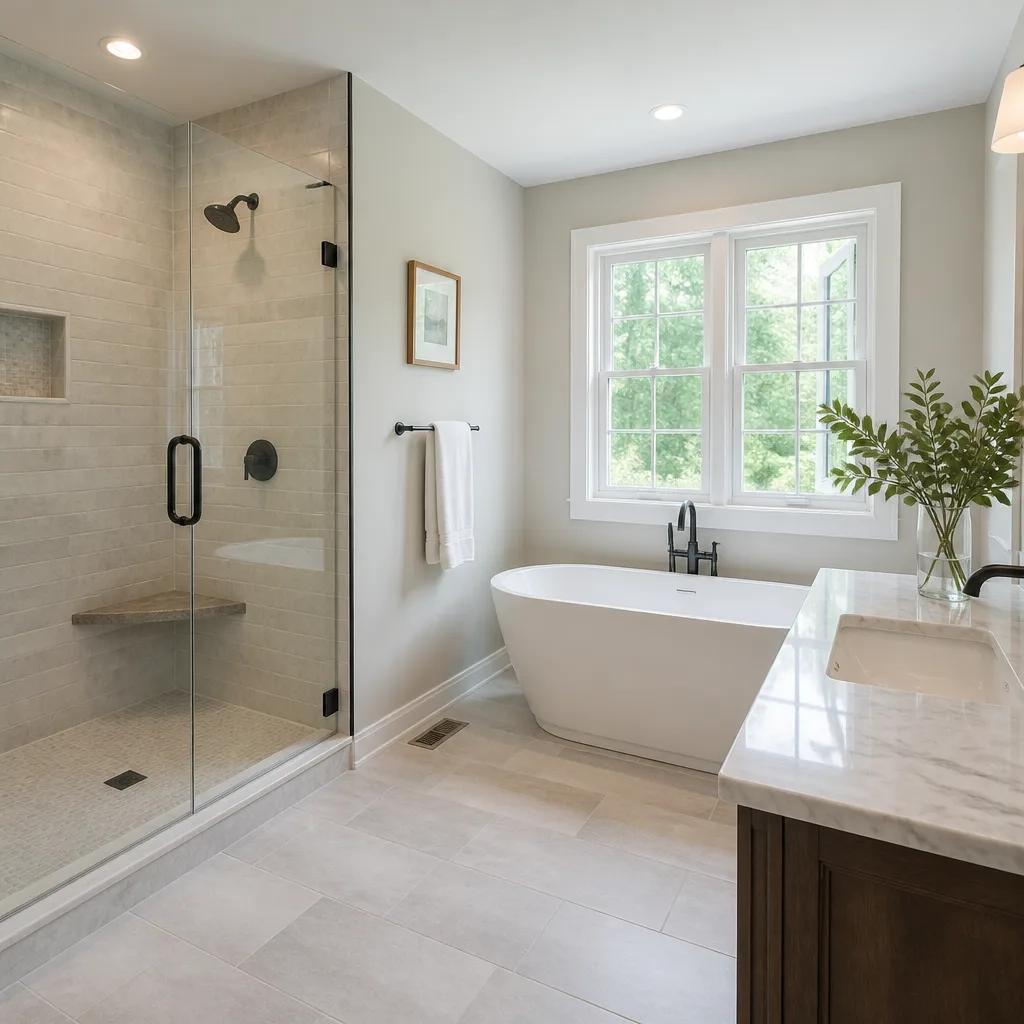
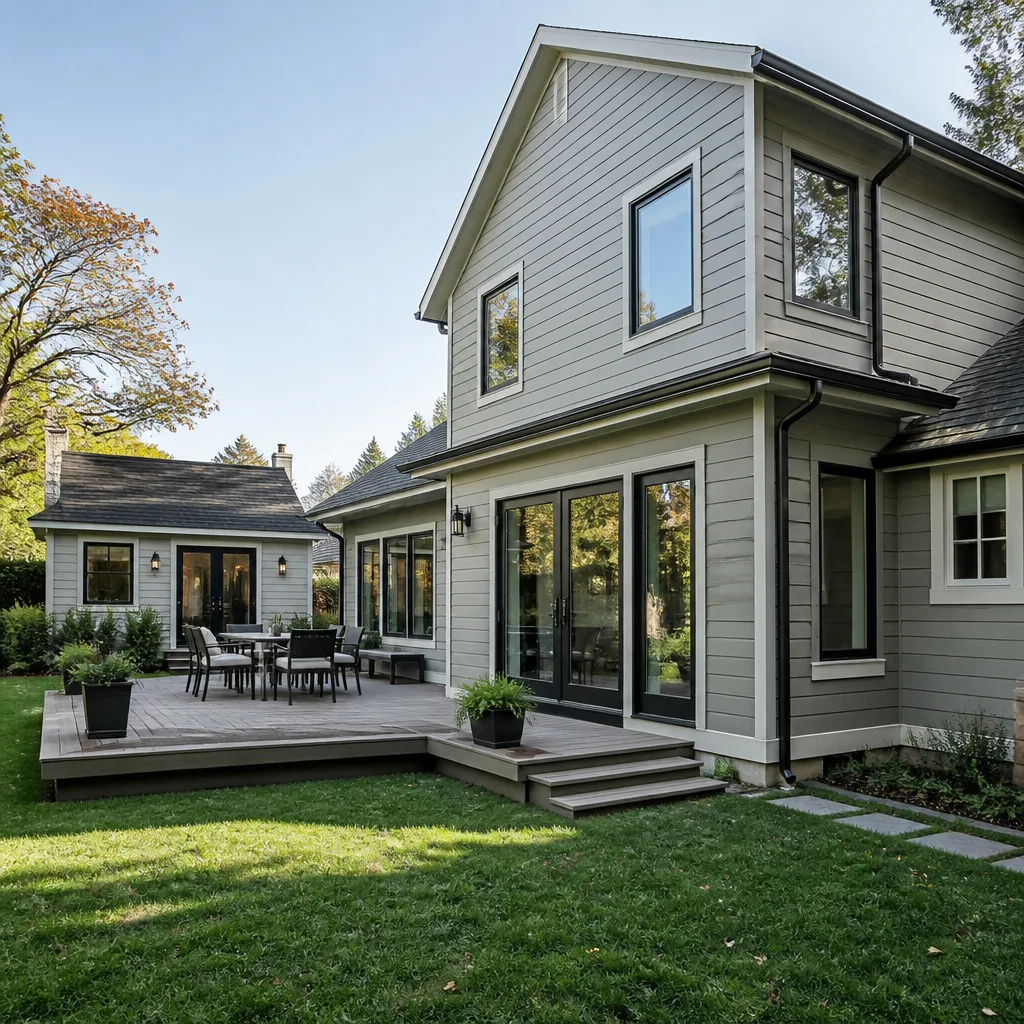
For a Cambria surface replacement within an addition or ADU in Ventura, plan on $2,000 to $6,500 for countertop installation, with the final number driven by slab area, edge profile complexity, sink and faucet cutouts, and whether we’re matching an existing pattern or starting fresh. Small runs like a vanity top in an ADU bathroom trend toward the bottom of that range. A full ADU kitchen with a 9-foot run, waterfall edge, and undermount sink trends toward the top. The addition or ADU construction itself runs $45,000 to $130,000 for the addition and $90,000 to $220,000 for the ADU, depending on foundation type, framing, and mechanical work.
Every quote includes the slab, fabrication, delivery, installation, sink and faucet cutouts, seam work, and edge finishing, written as separate line items before the first drop cloth goes down. We do not give verbal estimates that can drift. The number on your written quote is the number you pay, unless you change the scope. Our install work carries a workmanship warranty, and the Cambria material itself carries the manufacturer’s surface warranty. We also stand behind the whole project with our 365-Day Done Right Promise, which is exactly what it sounds like: if it isn’t done right, we make it right.
DIY or Call Us?
Cambria slabs are heavy, and that is the entire argument against DIY. A 2cm-thick Cambria slab weighs roughly 12 to 13 pounds per square foot, so a 30-square-foot kitchen run is over 370 pounds before you’ve touched a tool. Setting that without cracking it, leveling it without shims that telegraph through, and cutting it cleanly requires equipment and hands that have done it repeatedly.
What you can safely do: photograph the pattern name sticker on the underside of the slab before anyone moves anything, measure the thickness with a caliper if you have one, and note whether the failure is at a seam, a cutout, or an overhang. That information lets us quote accurately over the phone, and it saves a full second trip. What you should not do: attempt to lift, re-adhere, or polish a failed Cambria surface yourself. The break risk is high, the edge can be sharp, and a dropped slab damages floors, cabinets, and whoever is in the way. Call us at (341) 218-4316. Graham or someone from our Ventura crew will walk you through what we’re seeing and give you a written price before any work is scheduled.
FAQs
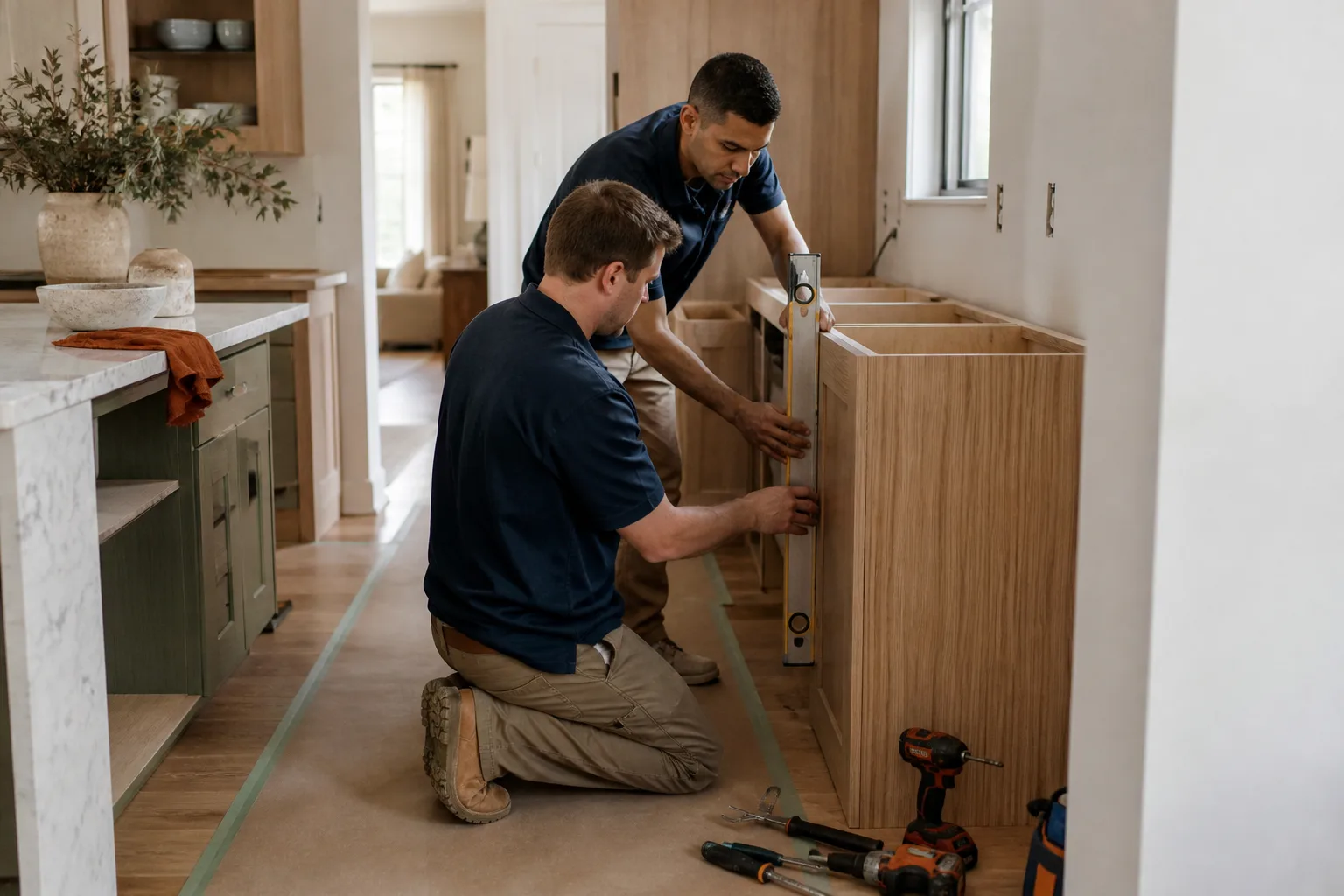
Indoors, with normal use, a Cambria surface will easily last 20 to 30 years. The quartz itself does not degrade; what fails first is the seam adhesive, the sink clamp tension, or the substrate under it. In Ventura’s coastal-inland temperature swing, we routinely see adhesive failures at year 12 to 15, long before the slab itself shows wear.
Small chips can sometimes be filled and color-matched by a fabricator, but a crack that runs from a sink cutout or a corner is structural and will continue to spread. If you can feel the seam with your thumb or see a gap wider than a fingernail, replacement is the honest fix. Call (341) 218-4316 and we’ll tell you which category your surface falls into before anyone schedules anything.
Template to finished install typically runs 2 to 3 weeks once the slab is selected and measured. The install itself is usually one day, with seams cured and polished before we leave. We’ll give you the exact sequence, in writing, before the first board moves.
We don’t stock full Cambria slabs on the truck, because slabs are cut to measure for each specific run and pattern inventory rotates. What we do stock in Ventura is the installation hardware and adhesives we trust, plus sample chips for pattern matching. When you call, we can confirm current Cambria pattern availability and lead time the same day. Call (341) 218-4316 and a live person answers, not a voicemail tree.
Written by Graham Stein, Owner, Elmstead Remodeling Ventura at Elmstead Remodeling Ventura, serving Ventura and nearby areas.