Free written scope consultation - allowances, timeline, and change-order rules on paper before a single trade is scheduled
Cambridge Pavers Home Additions & ADU: The Ventura Owner’s Guide
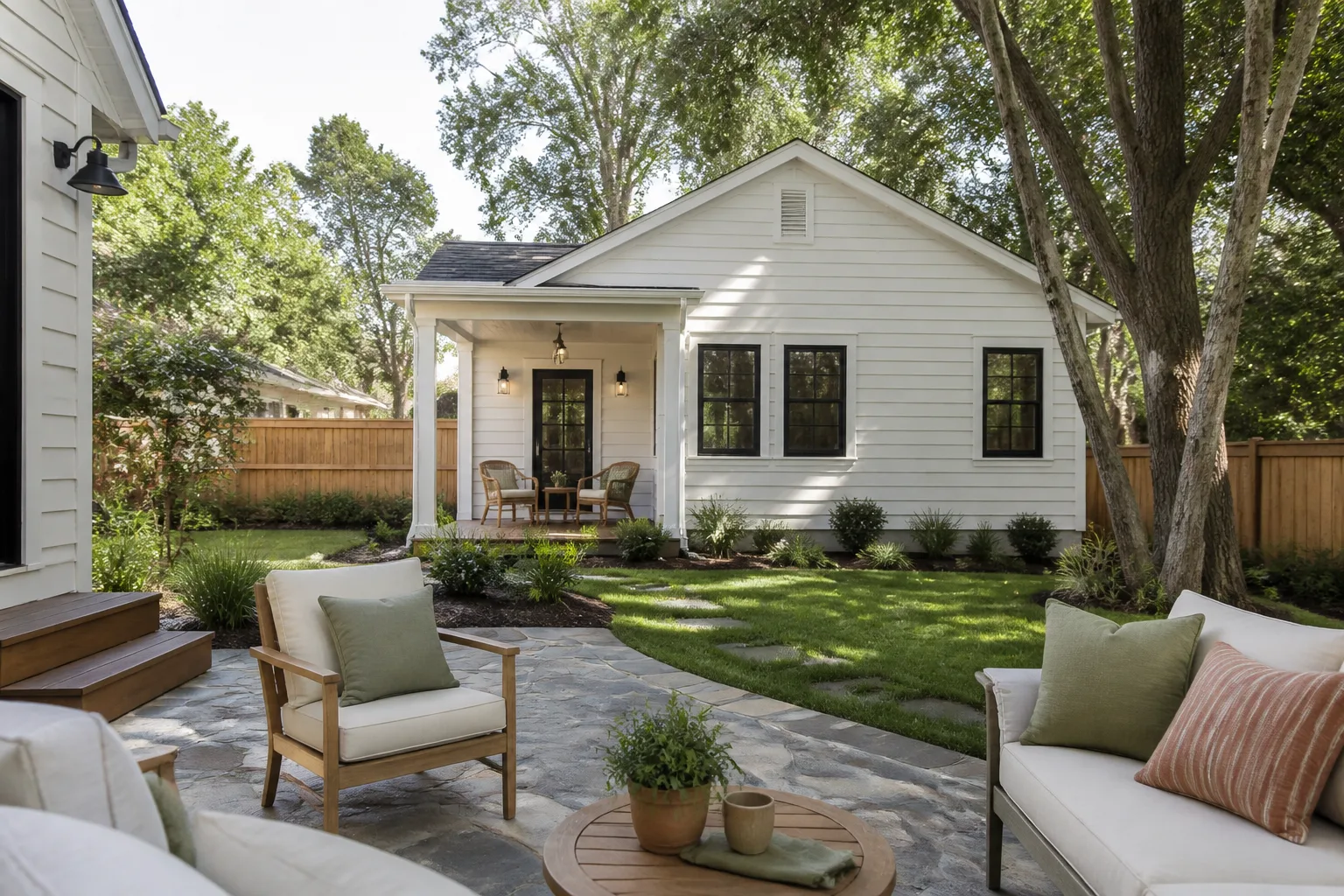
If you’re planning a home addition or ADU in Ventura and want Cambridge Pavers as part of the project, the typical installed cost runs $45,000 to $130,000 depending on scope, foundation work, and paver square footage. We regularly incorporate Cambridge paver patios, walkways, and driveway aprons into addition and ADU builds across Ventura, and we can usually start within two to three weeks of the written estimate. Most Ventura families discover they need this page when they’re mid-planning, realizing their existing hardscape won’t survive the excavation and utility trenching an addition requires, or when they’re trying to match a paver color and style that’s no longer in production. Graham Stein has walked more than a few Ventura lots where the original pavers were discontinued, and matching them meant either hunting a distributor or rethinking the whole hardscape plan. Before a single board moves, we put every material, every paver line, every number on paper.
Which Cambridge Pavers Models This Applies To
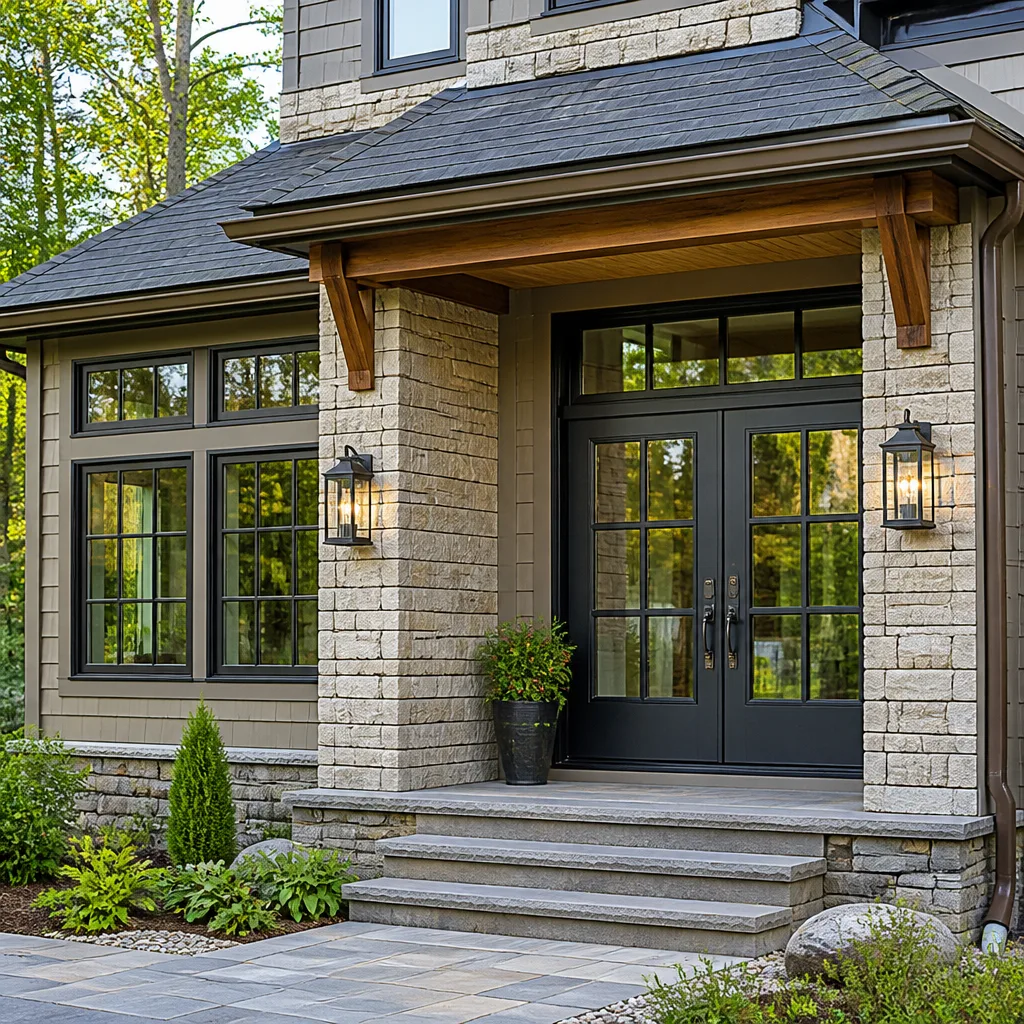
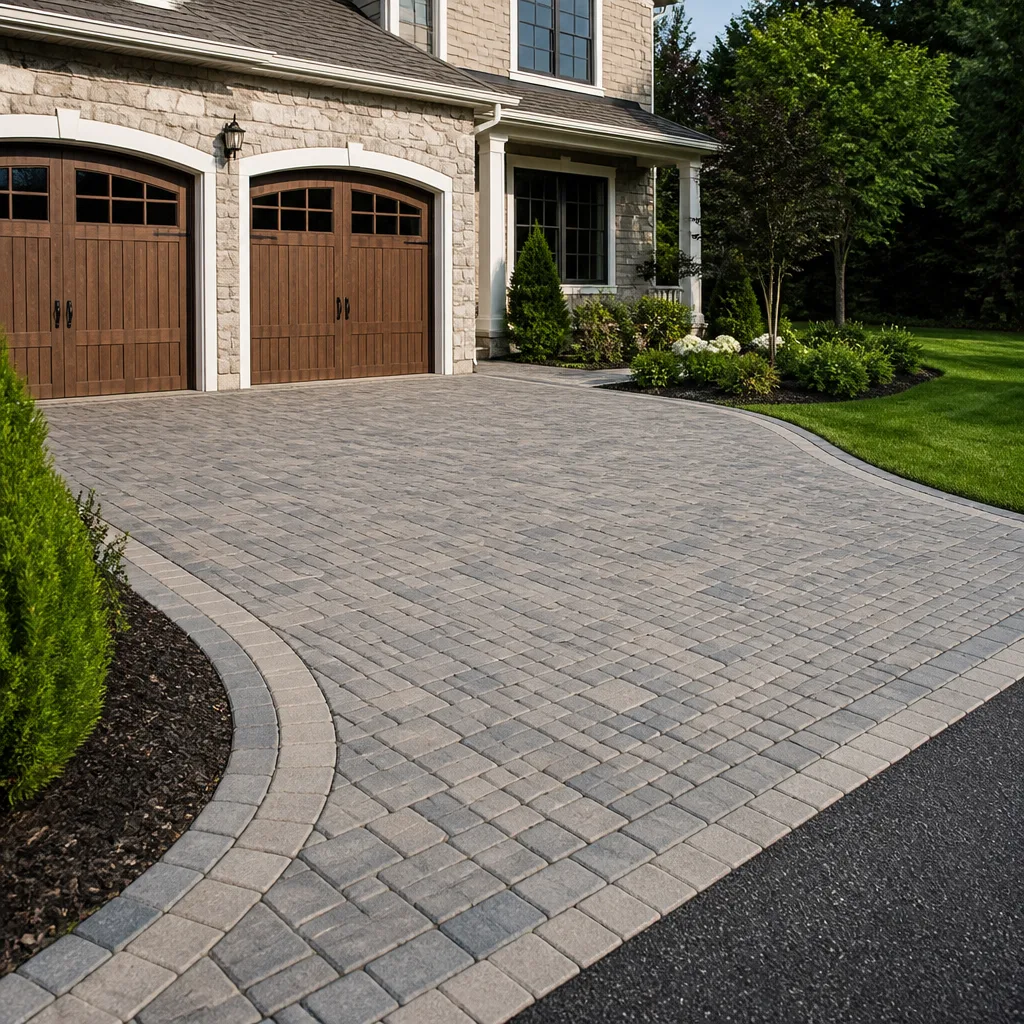
Cambridge Pavers produces several paver lines that show up regularly in Ventura home additions and ADU projects. The most common we encounter are the RoundTable collection (used heavily for patios and pool surrounds), the Ledgestone series (popular for seat walls and planter borders), and the Maytrx line (a tighter-joint paver that handles driveway weight well). Each line has its own dimensional profile: RoundTable runs roughly 6×9 inches and 6×6 inches mixed, Ledgestone comes in longer rectangular units meant to read like natural stone, and Maytrx is engineered at around 3×6 inches with deep spacer lugs. Here’s the compatibility gotcha most Ventura homeowners run into: Cambridge has discontinued several colorways in the last five years, including older blends in the “Harvest” and “Sierra” tones, so if you’re adding onto an existing patio, the new pavers may not match what’s already down. Before we quote anything, we check the manufacturer stamp on the back of an existing paver, because Cambridge color batches vary by region and year. For a new ADU or addition where we’re laying fresh hardscape, we can spec whatever Cambridge line is currently in active production, and we’ll give you the distributor part number in the written scope so you can verify it independently. If the original paver is discontinued, we’ll walk you through OEM options versus quality aftermarket equivalents from brands like Belgard or Calstone, but we’ll never swap in a different brand without your sign-off.
Styles & brands we work with
Signs Your Cambridge Pavers Home Additions & ADU Is Failing
Here’s what we see on Ventura properties when an existing hardscape isn’t going to make it through an addition or ADU project:
- Paver settlement near the planned foundation line. When you see a dip or wave across a walkway or patio within ten feet of where the new structure will sit, the sub-base has likely lost compaction. In Ventura’s sandy loam and clay mix, seasonal moisture swings cause this. Excavation for the addition will make it worse, so the pavers need to come up and be re-laid on a fresh compacted base before building starts.
- Color fade that’s gone patchy, not uniform. Cambridge pavers are color-through in most lines, but older batches that sat in direct Ventura sun for a decade can develop a chalky surface. If only part of the patio is faded (say, the half not shaded by the neighbor’s avocado tree), adding new pavers will create a visible two-tone effect. We flag this in the walkthrough because nobody wants to discover it after the ADU is framed.
- Edge creep into garden beds or against the house. When the paver border starts separating and drifting outward, the edge restraint has failed. This matters for an addition because the new foundation or utility trench will shift soil and make the creep worse within months, not years.
- Efflorescence that keeps returning after cleaning. A white, chalky film that comes back within a season signals moisture moving through the paver and the base beneath it. In Ventura’s marine air, this is common with poorly drained sub-base. If we’re tying a new addition’s drainage into an old paver area with this problem, the water issue needs solving first or it’ll migrate to the new work.
- Cracks across multiple pavers in a line. A crack running through three or four pavers in a straight path is usually a sub-base failure, not a paver problem. When you see this near where footings will go, it tells us the soil below has already moved. We’d rather address that before we pour concrete or set posts.
See the difference
 Before
 After
After Before
 After
After Before
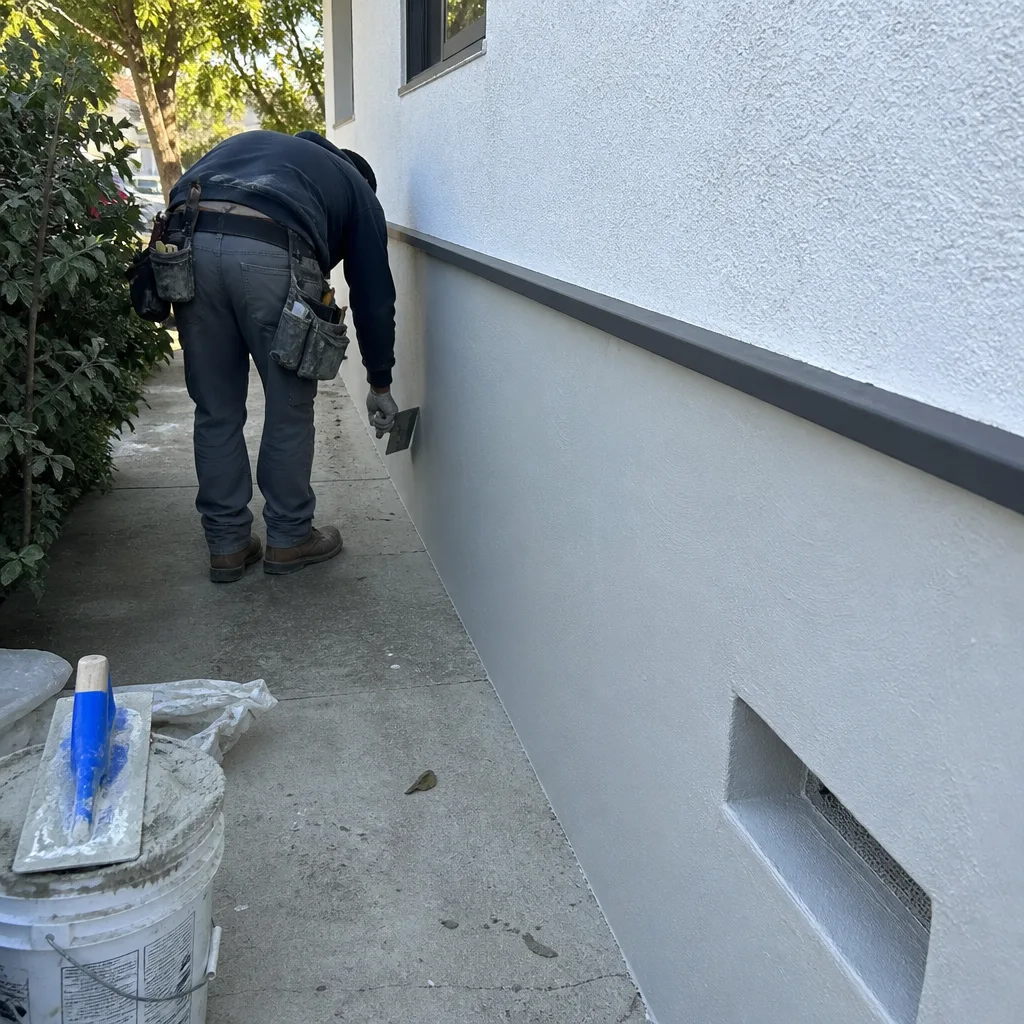 After
AfterReplacement Cost & What’s Included
For a Cambridge Pavers home addition or ADU in Ventura, the written price lands between $45,000 and $130,000. The range is wide because of three things: the size and structural scope of the addition itself, the amount of site preparation and utility work, and the square footage of Cambridge pavers you want installed as part of the project. A smaller addition with a modest paver patio and walkway sit at the lower end. A full ADU with a new foundation, kitchenette, bath, and a Cambridge paver driveway plus patio will push toward the upper end. When we write the scope, we break out the paver work separately, so you’ll see the exact cost per square foot for the Cambridge line you choose, the cost for base material and compaction, and the labor. You get that written price before any work starts, and it doesn’t change unless you change the scope. Every Cambridge paver installation we do in Ventura includes edge restraint, polymeric sand, and a final clean-up with a photo before the crew leaves. The work is covered under our 365-Day Done Right Promise: if the pavers shift, settle, or the sand washes out within a year, we come back and make it right.
DIY or Call Us?
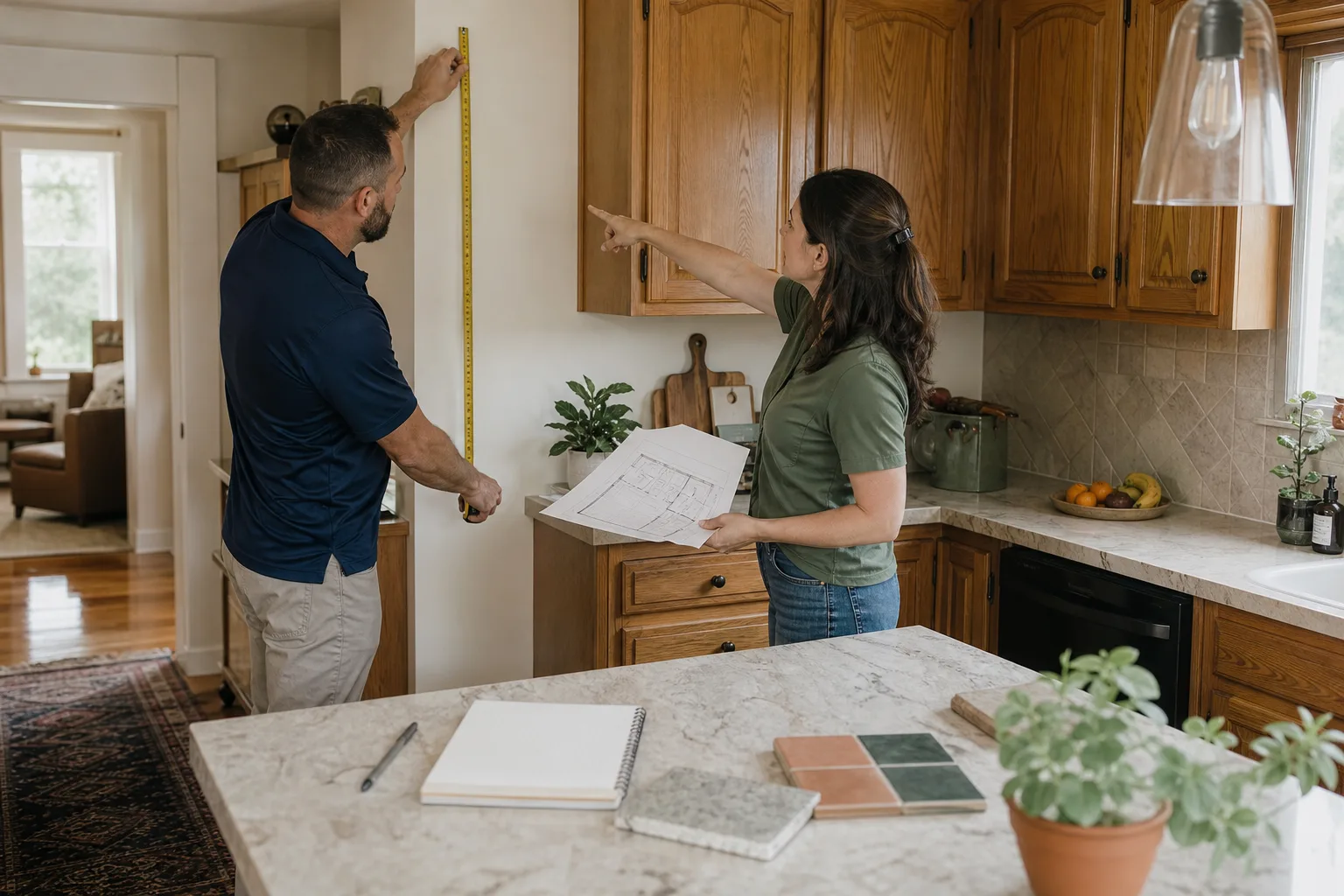
You can check a few things yourself: look at the back of an existing paver for the Cambridge stamp to identify the line, note whether the color looks faded or patchy, and keep an eye on where water pools after a winter rain. That information helps us quote more accurately. What you shouldn’t do is start pulling up pavers near where a foundation or utility trench will go, because you’ll disturb soil that we need to evaluate and compact properly before the addition goes in. You also don’t want to re-lay Cambridge pavers on an old base without re-compacting and re-grading it, because Ventura’s wet winters will undo that work in one season. If you’re in Ventura and want an honest look at whether your existing pavers can stay or need to come up before the addition starts, call (341) 218-4316 and we’ll schedule a walkthrough. The estimate is free, and we’ll write down everything we find.
FAQs
A properly installed Cambridge paver patio or walkway in Ventura typically lasts 25 to 40 years, with the base material being the more common point of failure than the paver itself. Our coastal marine air accelerates surface wear slightly compared to inland areas, but color-through pavers hold up better than face-mix products. Call (341) 218-4316 and we’ll assess the condition of your existing hardscape during the estimate.
Often yes, if the pavers themselves are intact and only the base or edge restraint has failed, we can lift, re-compact, and re-lay the same pavers for a fraction of replacement cost. The deciding factor is whether the Cambridge color and style is still in production, because adding new pavers to repaired areas requires a matching batch. We’ll tell you honestly during the estimate, and the written scope will list exactly what’s salvageable.
A full home addition with Cambridge pavers typically runs three to six months in Ventura, while a detached ADU with paver hardscape can run five to nine months depending on utility work and city permitting. The paver installation itself is usually one to two weeks. We’ll map out the schedule in the written scope before work begins, and we’ll note any Ventura permit timelines that affect the start date.
We order Cambridge pavers per project from a local Ventura distributor, which lets us match the current color batch and ensure you’re getting current-production product. We don’t keep pallets sitting in a yard where they can weather, and ordering per project means the pavers arrive fresh and consistent in color. For brands like KraftMaid, Cambria, and Silestone that we use in the interior portions of additions, we follow the same process: ordered per project, verified by distributor part number, delivered when the job is ready for them.
If you’re planning a Cambridge Pavers home addition or ADU in Ventura, we can give you a clear written price before any work begins. Call (341) 218-4316 to schedule your free estimate.
Written by Graham Stein, Owner, Elmstead Remodeling Ventura at Elmstead Remodeling Ventura, serving Ventura and nearby areas.