Free written scope consultation - allowances, timeline, and change-order rules on paper before a single trade is scheduled
Delta Home Additions & ADU: The Ventura Owner’s Guide
If you’re researching a Delta home addition or ADU in Ventura, you’re likely staring at a space that no longer works for your family and wondering what a realistic path forward looks like. A home addition in Ventura typically runs $45,000 – $130,000, while an attached or detached ADU generally falls between $90,000 and $220,000 depending on square footage, foundation work, and utility runs. We stock and install Delta-compatible framing hardware, window systems, and finish materials for both project types, and we’ll give you a written price before any work begins.
Most homeowners in Ventura discover this “part” fails gradually, not all at once. A bedroom feels tight the moment a second child arrives. A home office keeps getting repurposed into a guest room, a storage closet, a treadmill graveyard. The existing footprint of the house worked for the people who built it, but it wasn’t designed for the way your family actually lives now. When that gap gets wide enough, an addition or an ADU stops being a “someday” project and becomes the thing you need to solve.
Which Delta Models This Applies To
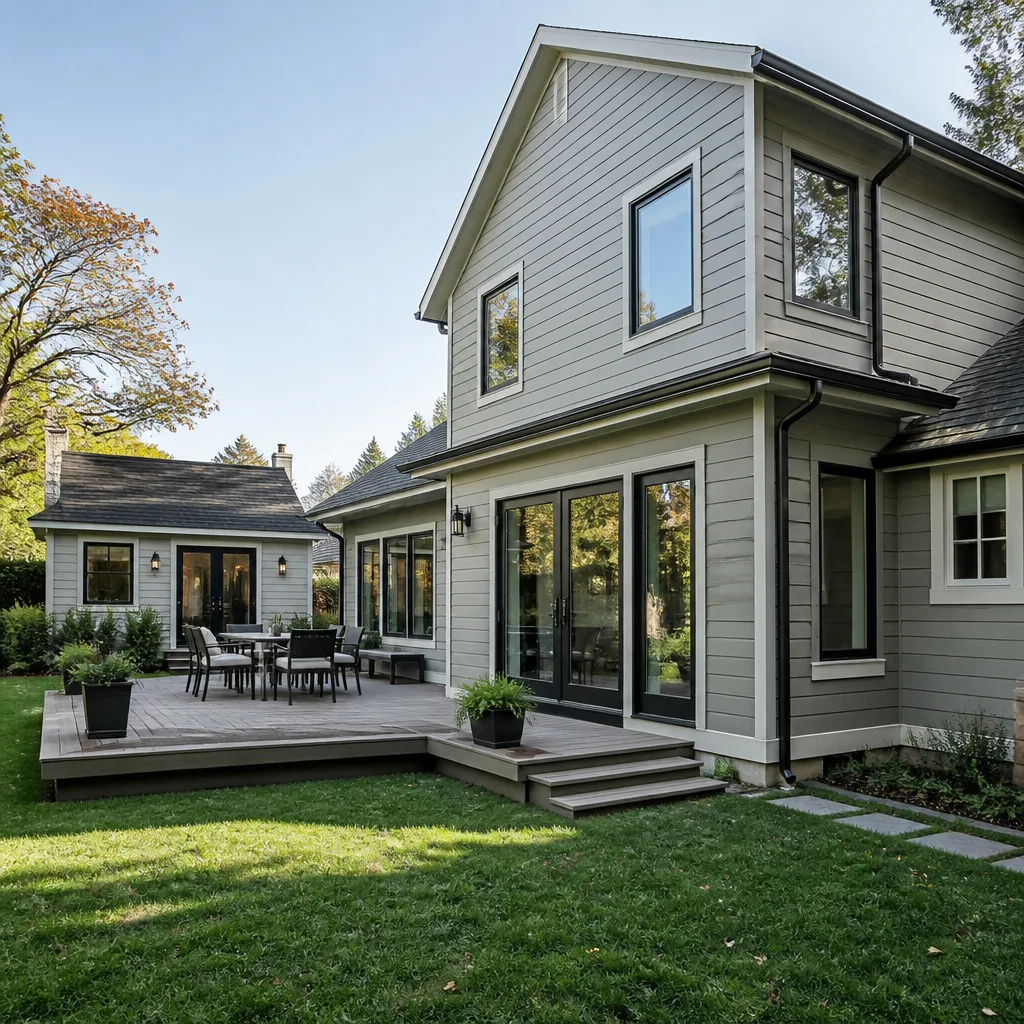
Delta manufactures a range of building products that show up in home additions and ADU projects across Ventura: window and door framing systems, sliding door hardware, and finish millwork. The compatibility question isn’t about matching a serial number the way you would with a faucet cartridge. It’s about understanding which Delta product line your existing home uses and making sure the new work ties into it without creating a visible seam between old and new.
Here’s what to check before you plan the work:
- Window and door series: Delta’s clad and vinyl window lines have different frame depths and nailing fin profiles. If your existing home was built with a specific Delta window series, matching it on the addition keeps sightlines consistent from inside.
- Millwork profiles: Delta’s interior trim and casing profiles vary by era. A 1990s Ventura ranch often used different profiles than a 2015 Midtown build. We match the profile, not just the color.
- Sliding door hardware: Delta sliding door tracks and rollers have changed over the years. A new multi-panel door on your addition needs either a matching Delta track or a full hardware swap to function smoothly.
One gotcha we see regularly in Ventura: homes within a half-mile of the coast have Delta window frames with accelerated corrosion on the aluminum cladding. What looks like a cosmetic issue on the existing house often means you should plan for full window replacement on the addition rather than trying to patch and match. Salt air doesn’t negotiate.
On the OEM-versus-aftermarket question: for structural framing hardware, we use Delta OEM components whenever the existing home has them in place. For finish materials like countertops and cabinetry, we’ll recommend brands by name – Cambria and Silestone for surfaces, KraftMaid for cabinets – because their warranties travel with the finished project and you can verify them independently. Elmstead Remodeling Ventura is an independent contractor, not affiliated with Delta. We choose parts the way we’d choose them for our own homes: the thing that fits correctly and lasts longest in Ventura’s specific climate.
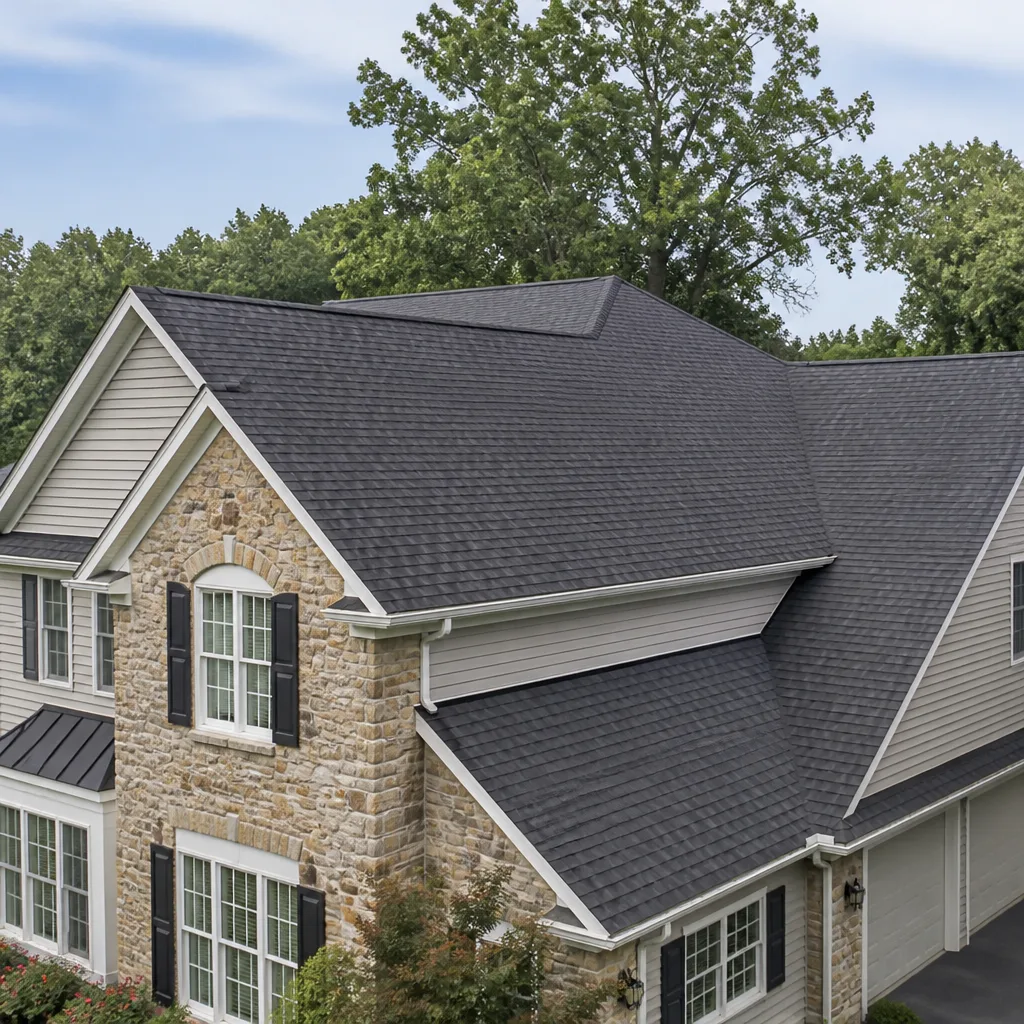
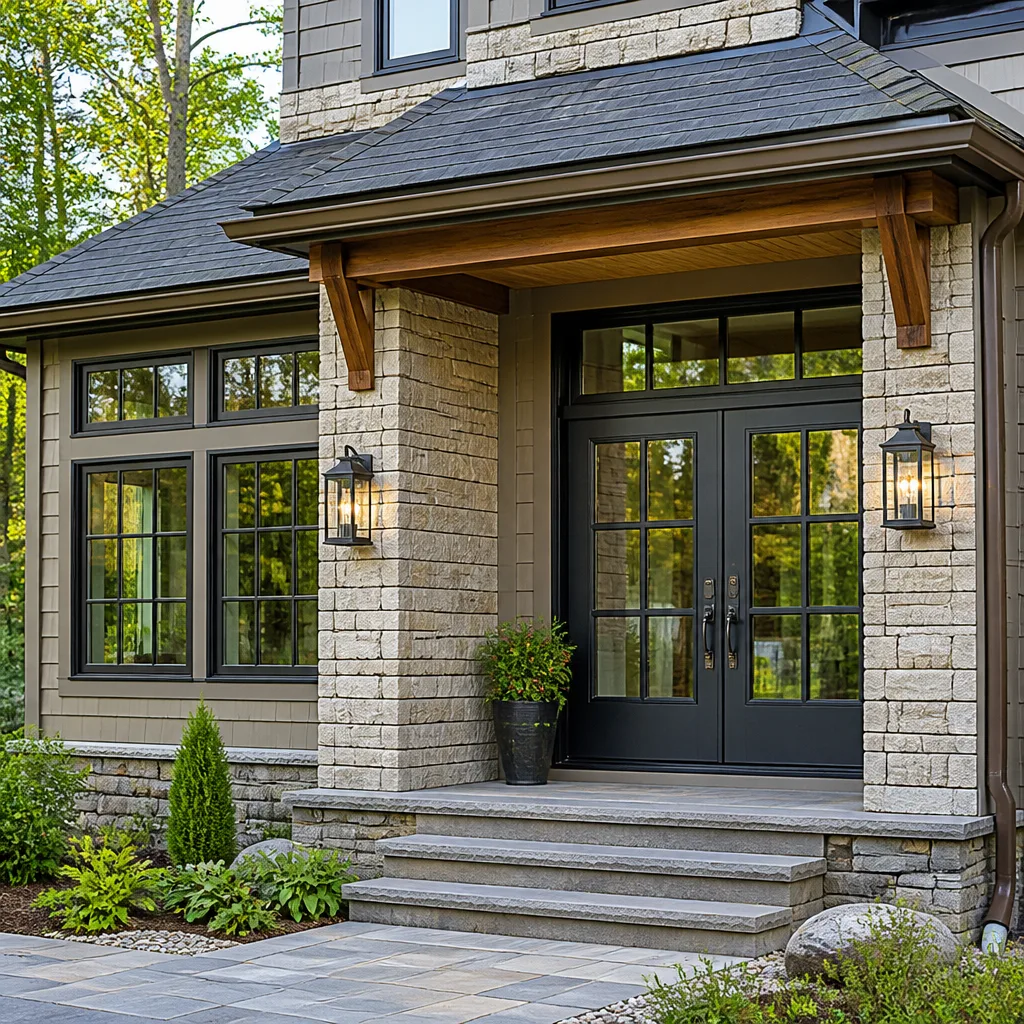
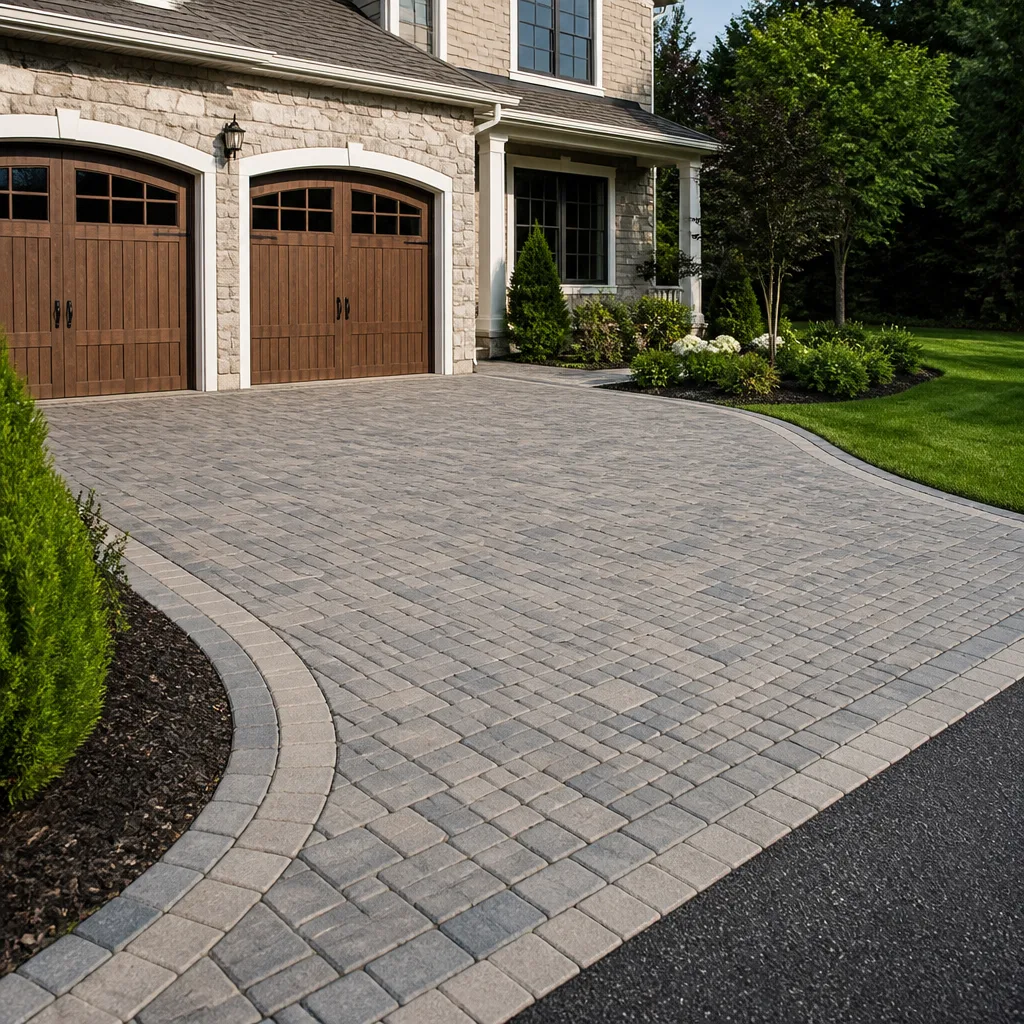
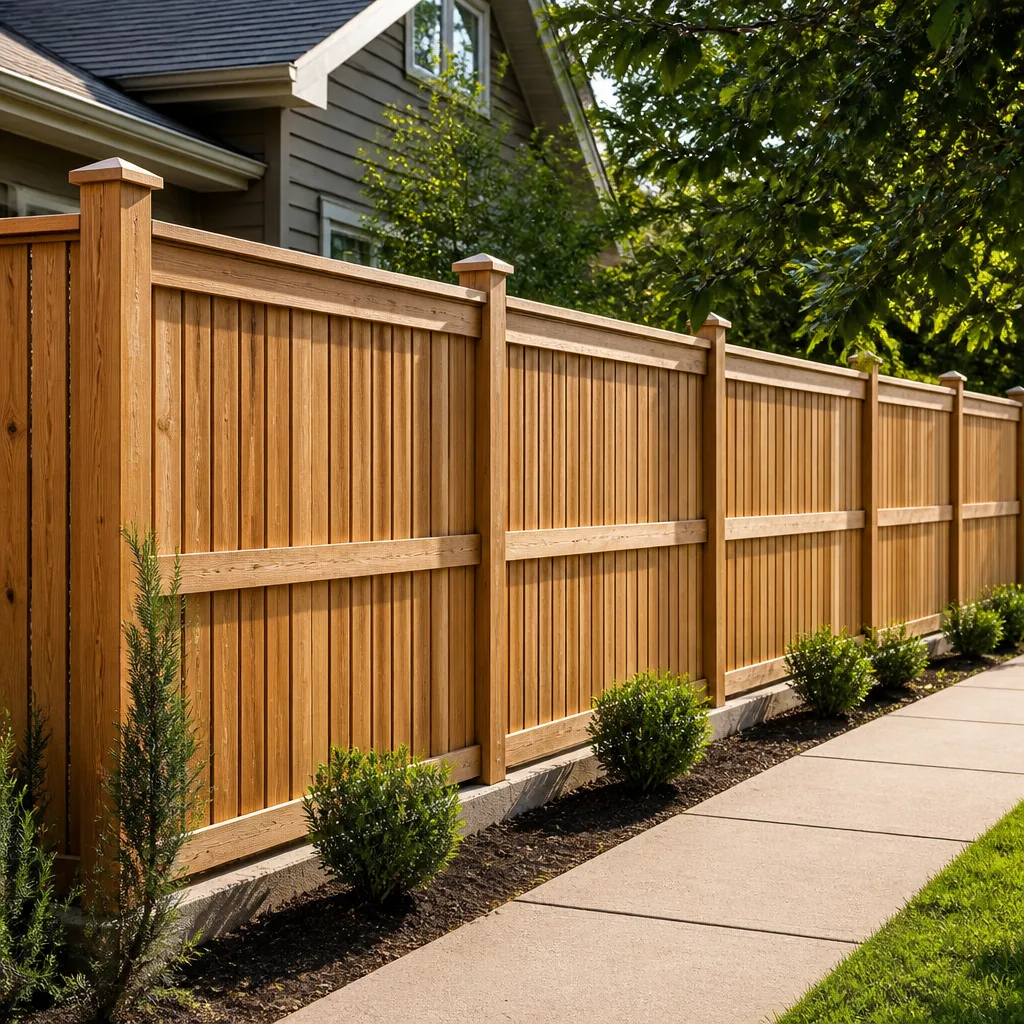
Styles & brands we work with
Signs Your Delta Home Additions & ADU Is Failing
- The existing rooms no longer function, not just feel small. When you can’t open a dresser drawer without hitting the bed frame, or the kitchen has no landing zone for groceries, the layout has failed. An addition fixes the function, not just the square footage.
- Windows and doors are wearing faster than you’d expect. Ventura’s coastal air means aluminum-clad Delta windows on older homes often show pitting and salt corrosion within 15-20 years. If the existing window frames are degrading, that’s a signal to plan for new window packages on any addition rather than trying to match a failing product.
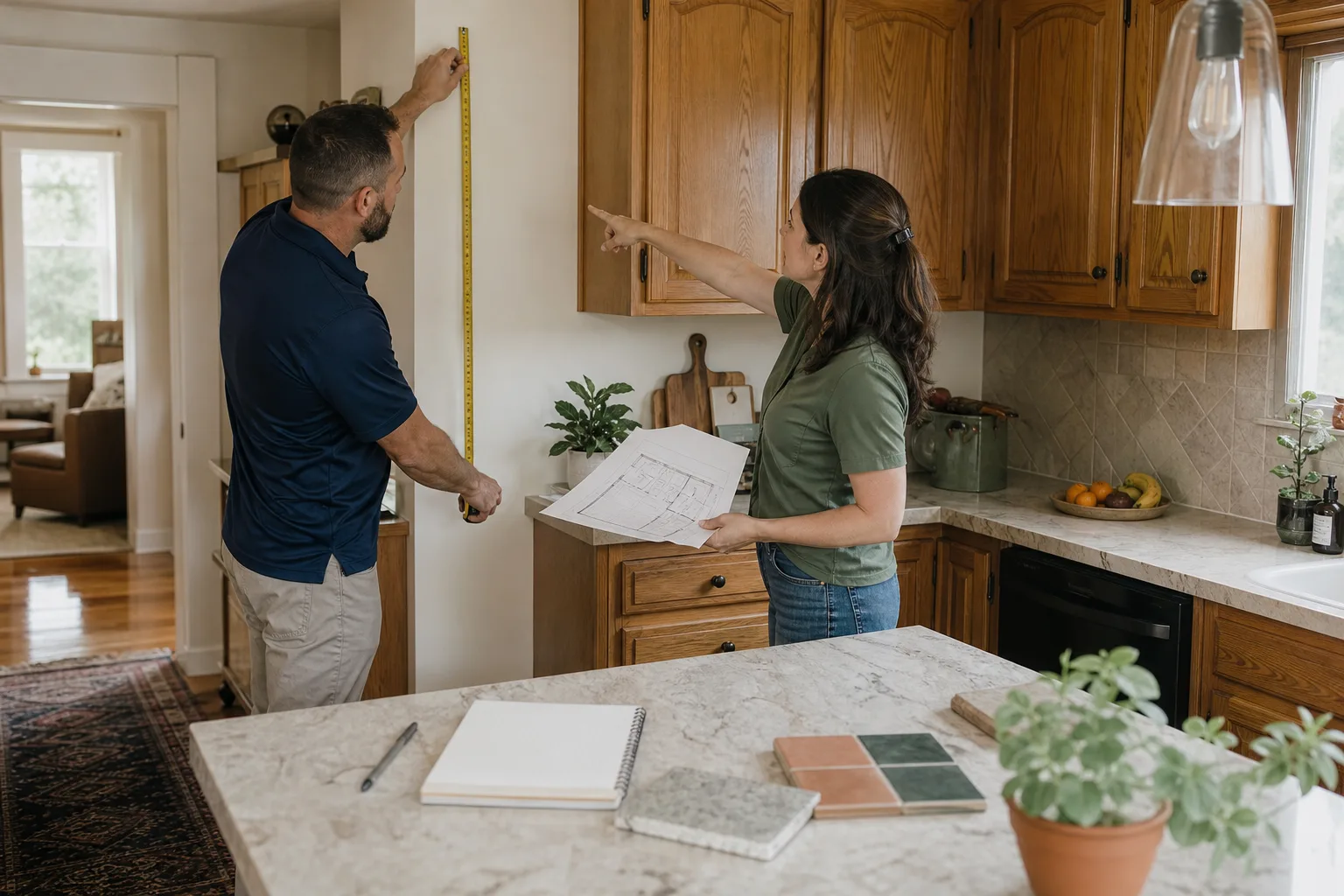
- The house sits wrong on the lot for how you use the yard now. Maybe the garage faces the sun all afternoon, or the backyard is the natural spot for an ADU but the current roofline doesn’t allow it. We walk the lot and flag what works before we ever draft a number.
- Your family’s daily schedule has outgrown the floor plan’s quiet zones. Kids doing remote school, one parent on video calls, a home gym that’s actually used – these all demand separation. When bedrooms share walls with the living room TV, the layout has functionally failed.
- You’ve priced moving, and it costs more than the addition. In today’s Ventura market, selling a three-bedroom and buying a four-bedroom often means $100,000+ in transaction costs alone before you factor in the higher interest rate. That math makes an addition or ADU the rational choice for a lot of families we work with.
Replacement Cost & What’s Included
A home addition in Ventura runs $45,000 – $130,000 installed. A detached or attached ADU runs $90,000 – $220,000. The range is driven by square footage, site access, foundation conditions, and whether you’re reusing existing systems or running new electrical, plumbing, and HVAC lines.
Here’s what shapes the number in Ventura specifically:
- Foundation and soils: Much of Ventura sits on expansive soils that shift with the seasons. We spec foundation work for the actual soil conditions, not a generic slab that cracks in three years.
- Setback and zoning constraints: ADUs in Ventura face specific setback requirements depending on the neighborhood. The Midtown district has different rules than the hills above Foothill Road. We check before we quote.
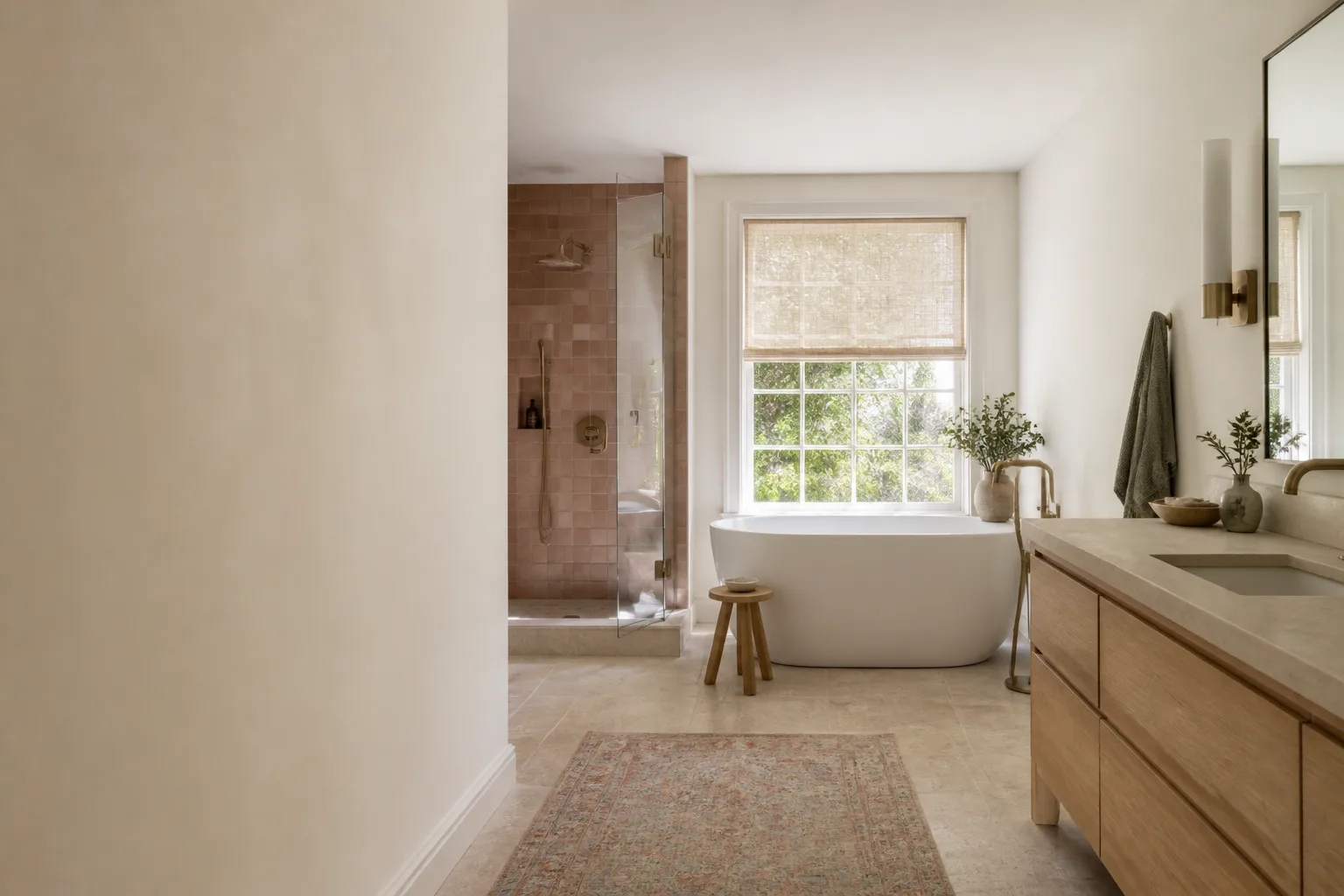
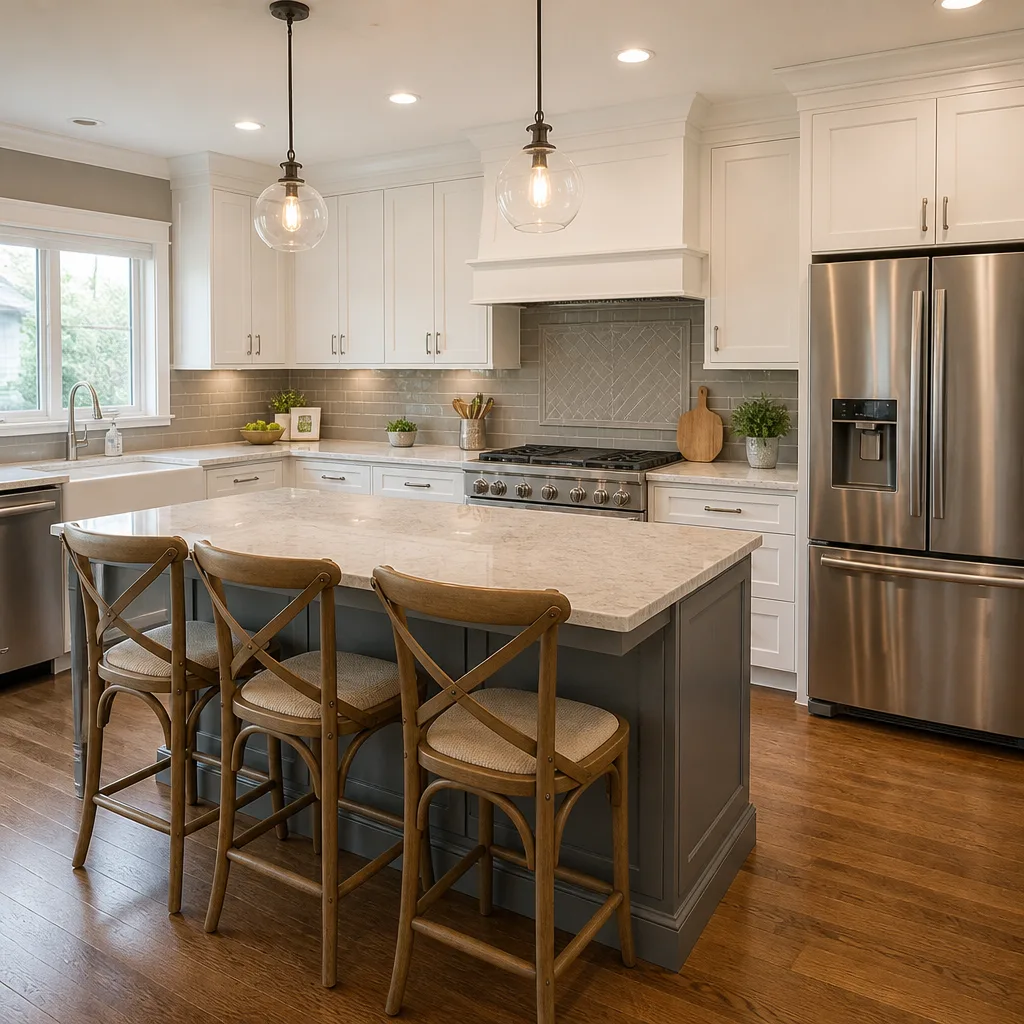
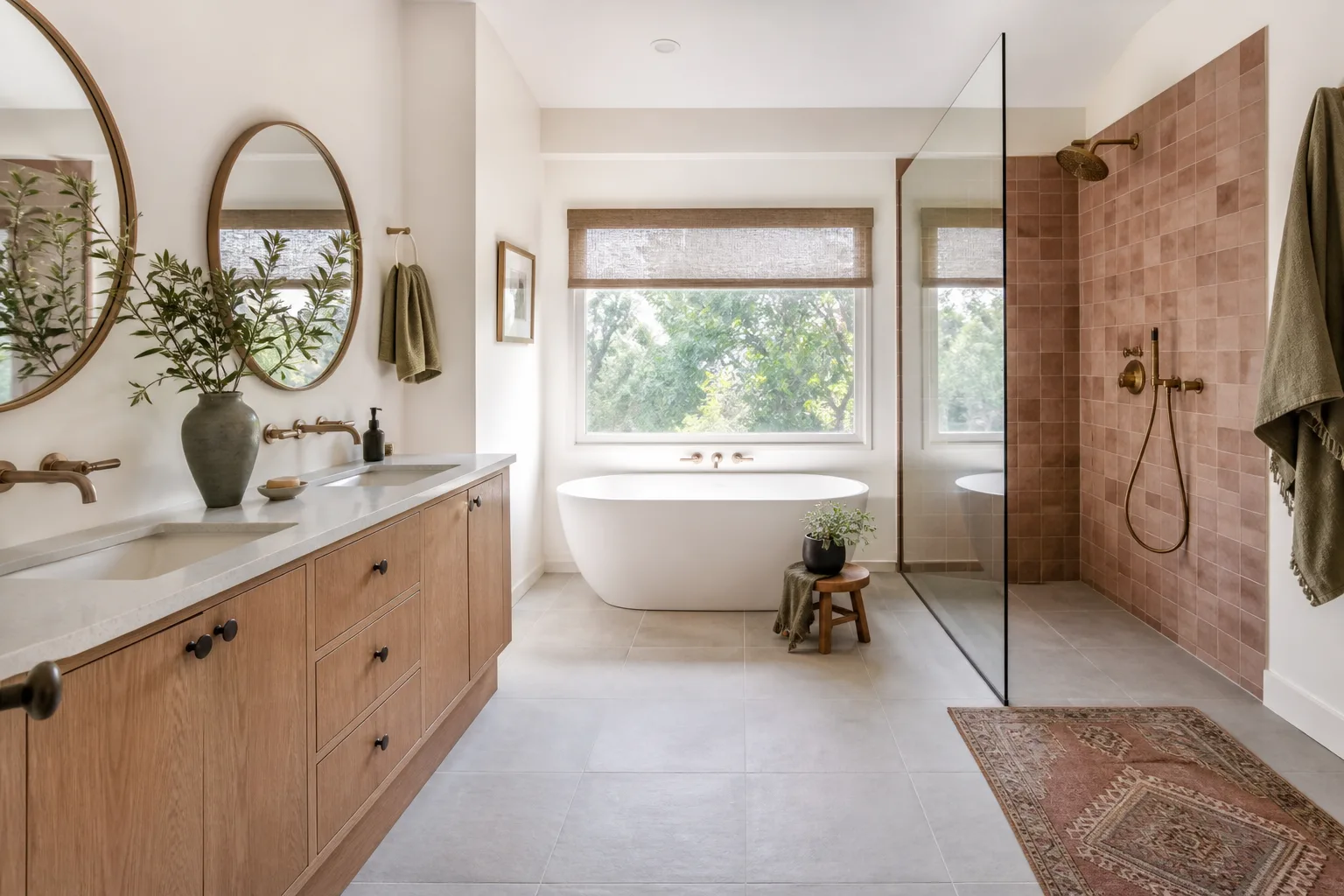
- Material quality: Cabinets from KraftMaid or Wellborn, counters from Cambria or Silestone, fixtures from Kohler or Moen. These are line items on a written proposal, not surprises added later.
- Utility connections: An ADU that needs a separate electrical panel and new sewer lateral costs more than one that ties into existing service at the main house.
Every quote we write is a fixed, line-item price before any work starts. You’ll see the materials, the labor, the sequencing, and the final number on paper. If it’s not done right after the job is complete, we make it right under our 365-Day Done Right Promise. That’s stamped on every project we do in Ventura.
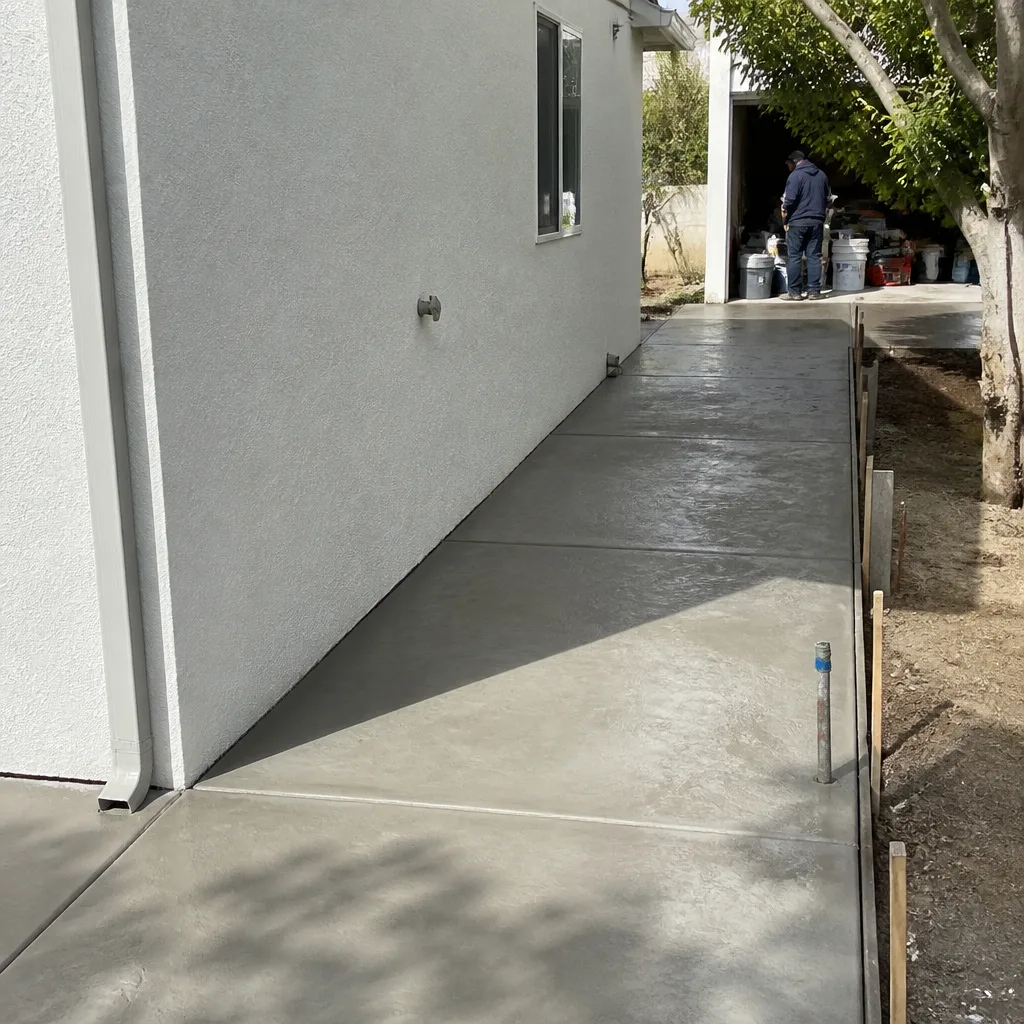
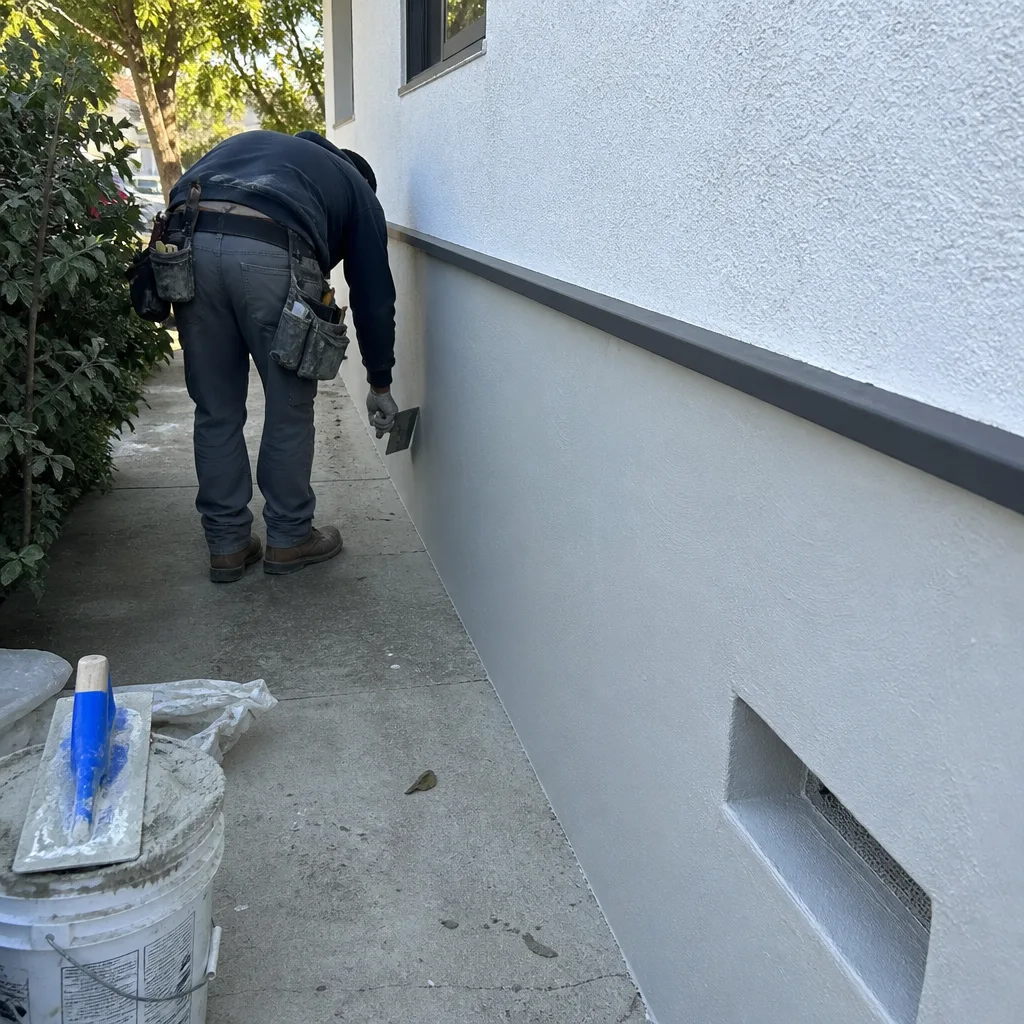
See the difference
 Before
 After
After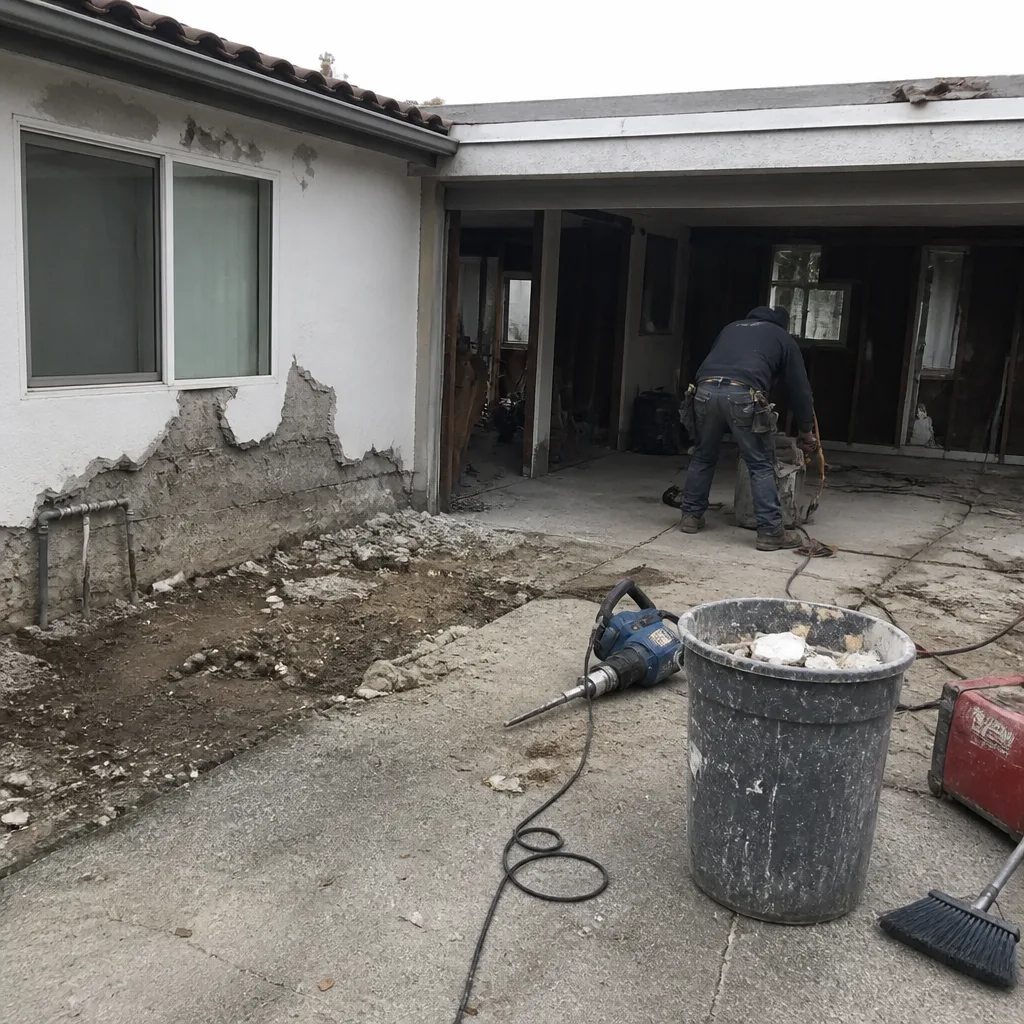 Before
 After
After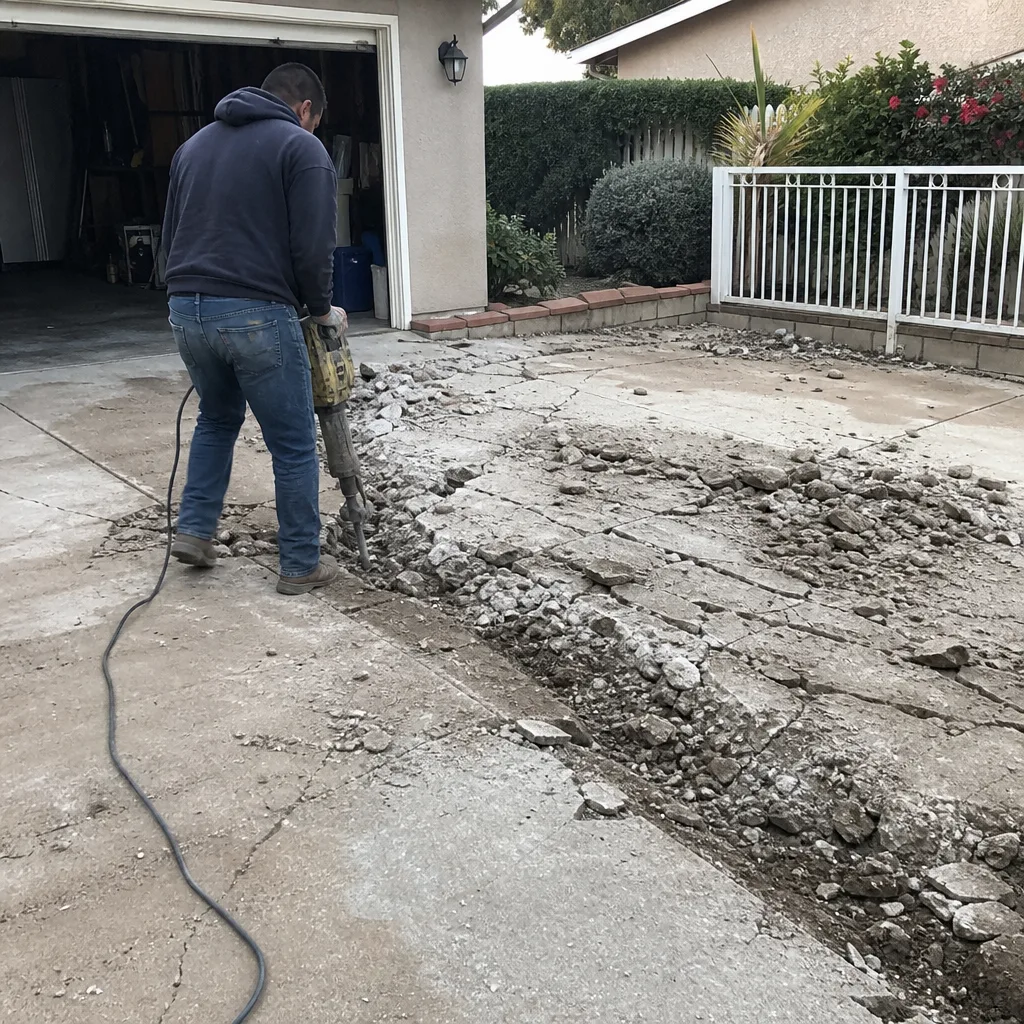 Before
 After
AfterDIY or Call Us?
There’s a difference between assessing your space and building it. You can absolutely walk your lot, measure rooms, sketch a rough layout, and talk to the City of Ventura planning desk about what an ADU would require on your parcel. That research will make you a sharper client and it costs you nothing.
Where DIY goes wrong on additions and ADUs is structural. Framing a room addition means cutting into your existing roofline and tying the new structure into the old one properly. Get that connection wrong and you get leaks, settling cracks, and a five-figure fix. Electrical, plumbing, and gas lines are another hard line: a permit is required, and Ventura inspectors will not sign off on homeowner work that doesn’t meet current code. Graham Stein grew up in Los Angeles and learned this trade through the building technology program at Los Angeles Trade-Technical College, spending two years studying framing, finish work, and reading structural plans before ever picking up a client’s key. We’ve been doing remodeling work in Ventura for well over a decade, and we’ll tell you plainly if a project is worth your sweat equity or if it’s a job for a licensed crew. Call (341) 218-4316 and we’ll walk it with you either way.
FAQs
A properly built addition or ADU in Ventura should last 50-plus years structurally, with finish materials like windows, roofing, and siding needing replacement every 15-25 years depending on exposure. Coastal homes a half-mile from the water see faster corrosion on metal components. The biggest variable is the foundation work, which is why we spec for actual soil conditions rather than minimum code. Call (341) 218-4316 for an exact assessment of your property.
Yes, in most cases the framing and foundation can be repaired rather than replaced, assuming the structure was built correctly the first time. We do targeted repairs on additions throughout Ventura: roof tie-in fixes, window replacement to stop leaks, and foundation leveling. If the original work was never permitted, we’ll tell you that too, because it affects the repair approach and resale value. Call (341) 218-4316 for an honest read on what needs fixing versus what needs redoing.
For a standard room addition, expect 3-5 months from permit approval to final inspection. A detached ADU typically runs 4-8 months depending on site work, utility runs, and the City of Ventura’s inspection schedule. We sequence the work so your family stays in the house during construction whenever possible, with quiet tools during nap and school hours as part of the plan. Call (341) 218-4316 to get a realistic timeline for your specific project.
We keep common Delta framing hardware, window flashing, and millwork profiles in our Ventura shop, and we can order any Delta product line within 3-10 business days. For countertops, we work with Cambria and Silestone slabs that are fabricated locally. For cabinets, KraftMaid orders typically arrive in 3-4 weeks. We’ll give you a written price for every material before you approve anything. Call (341) 218-4316 to check availability for your specific model.
Contact Us for a Free Estimate
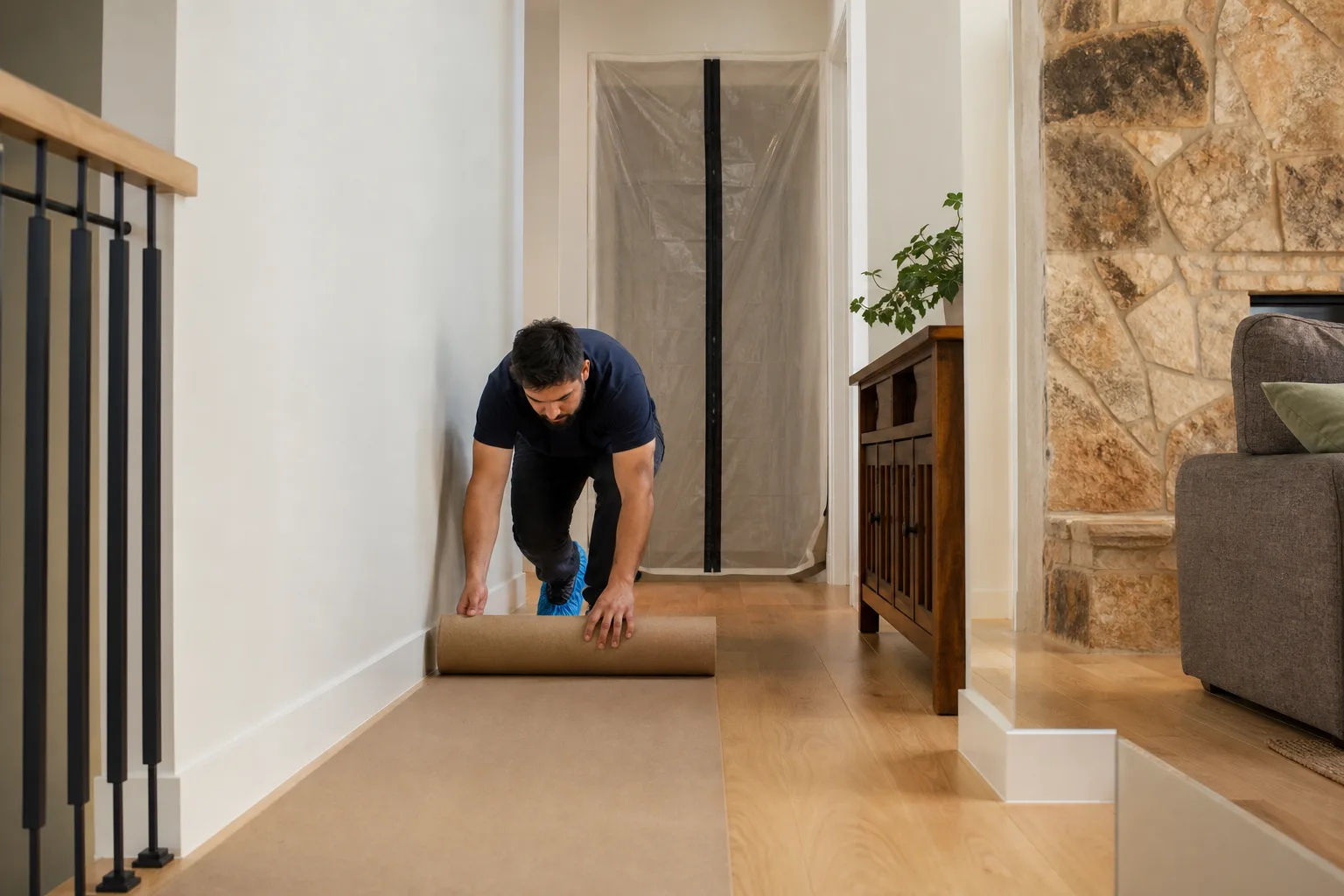
If you’re planning a Delta home addition or ADU in Ventura, the first step is a conversation. We’ll walk your property, listen to how your family actually lives, and put a written price in front of you before any work starts. Shoe covers at the door, drop cloths on the floors, and a photo of the clean-up before the crew leaves – every job, no exceptions. Put it in writing before the first board moves. Call (341) 218-4316 today to schedule your free estimate.
Written by Graham Stein, Owner, Elmstead Remodeling Ventura at Elmstead Remodeling Ventura, serving Ventura and nearby areas.