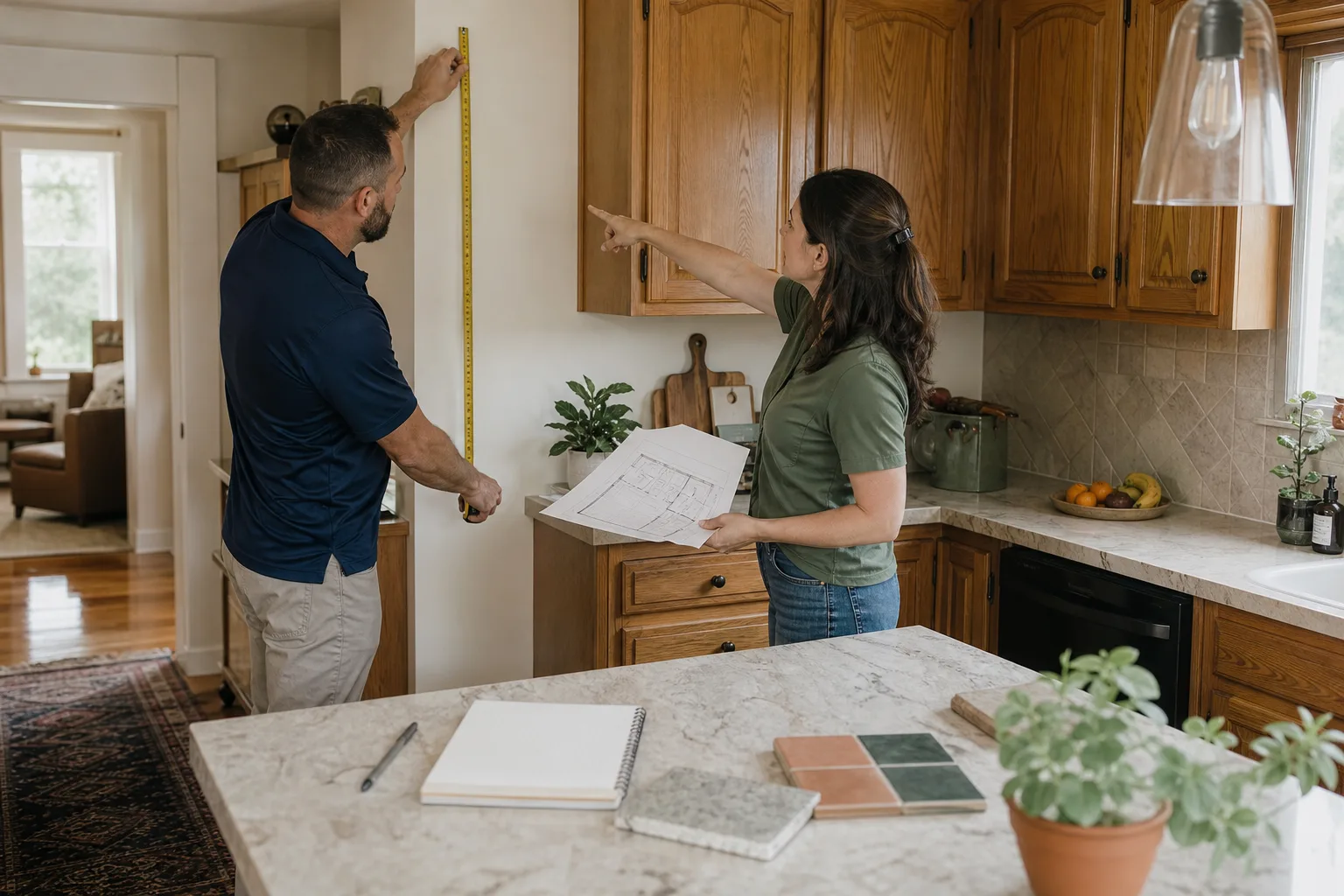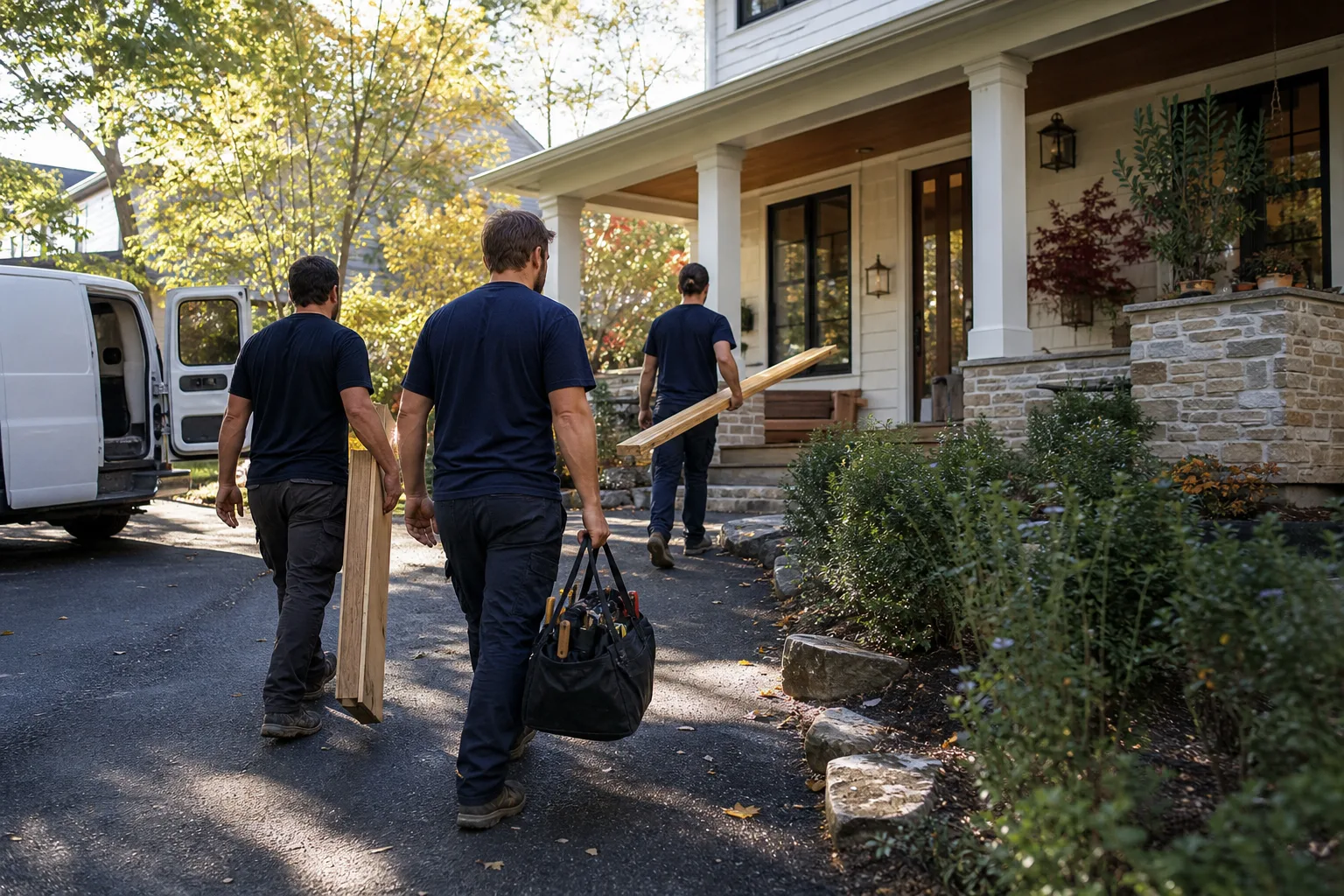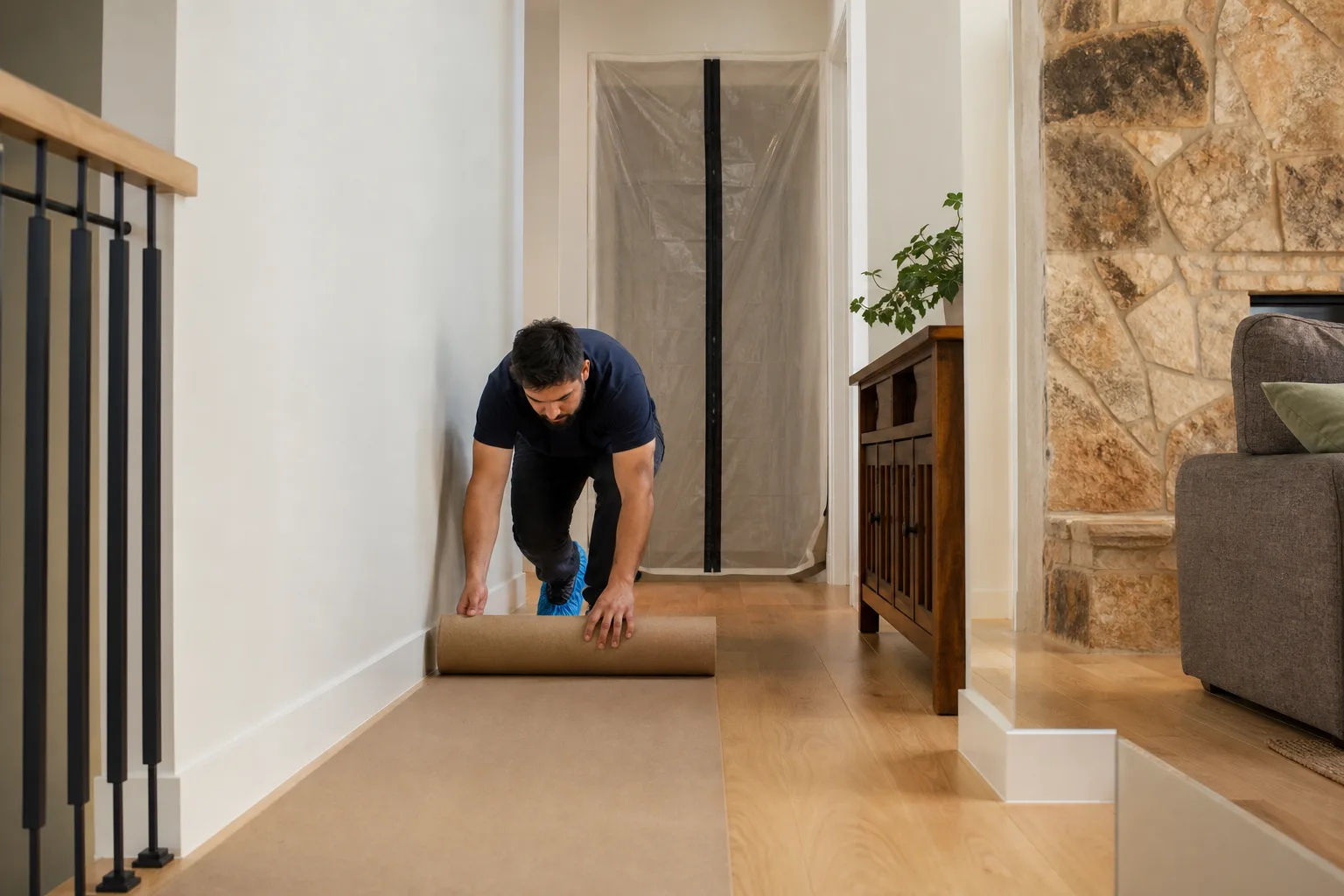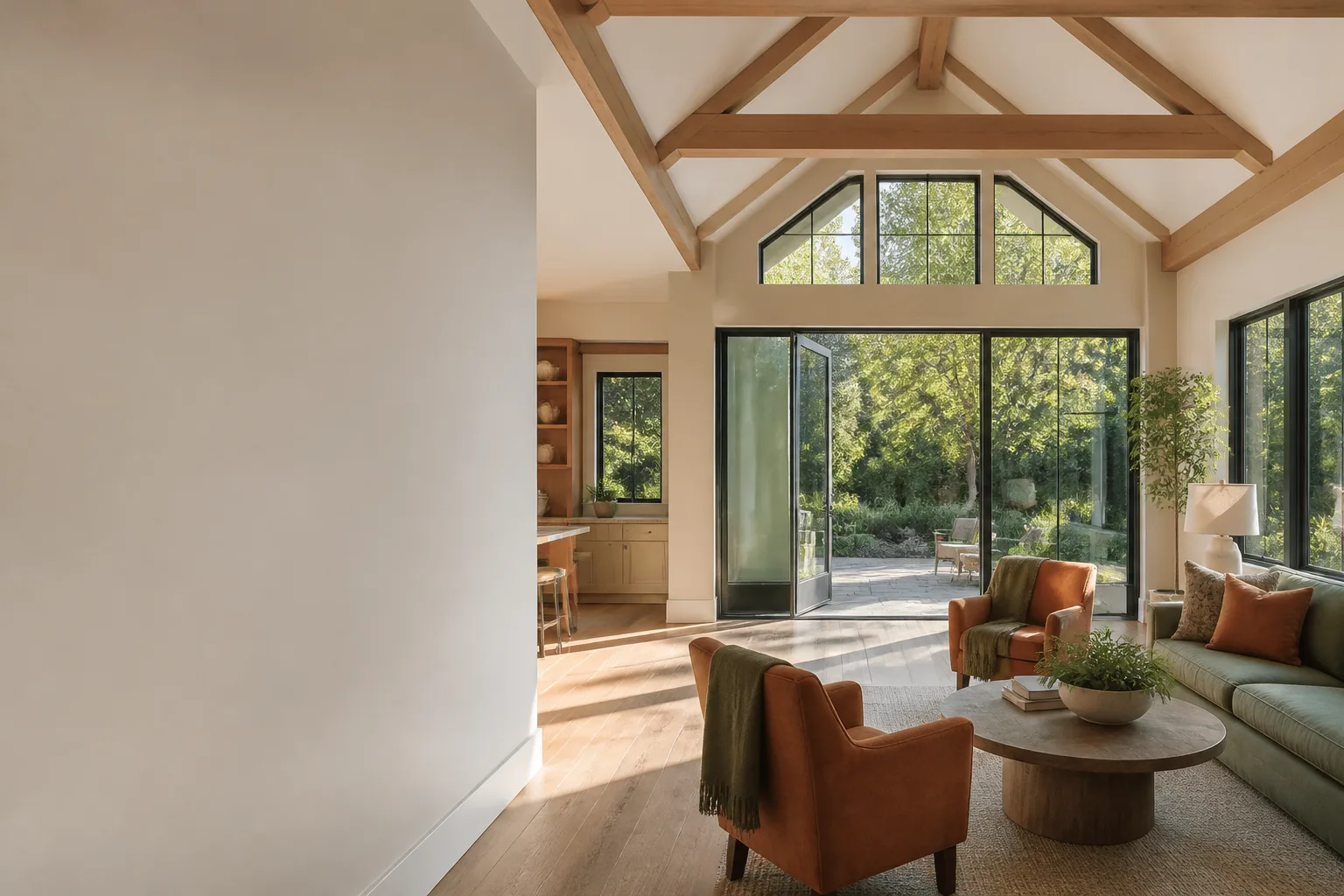



Free written scope consultation - allowances, timeline, and change-order rules on paper before a single trade is scheduled
IKO Home Additions & ADU: The Ventura Owner’s Guide
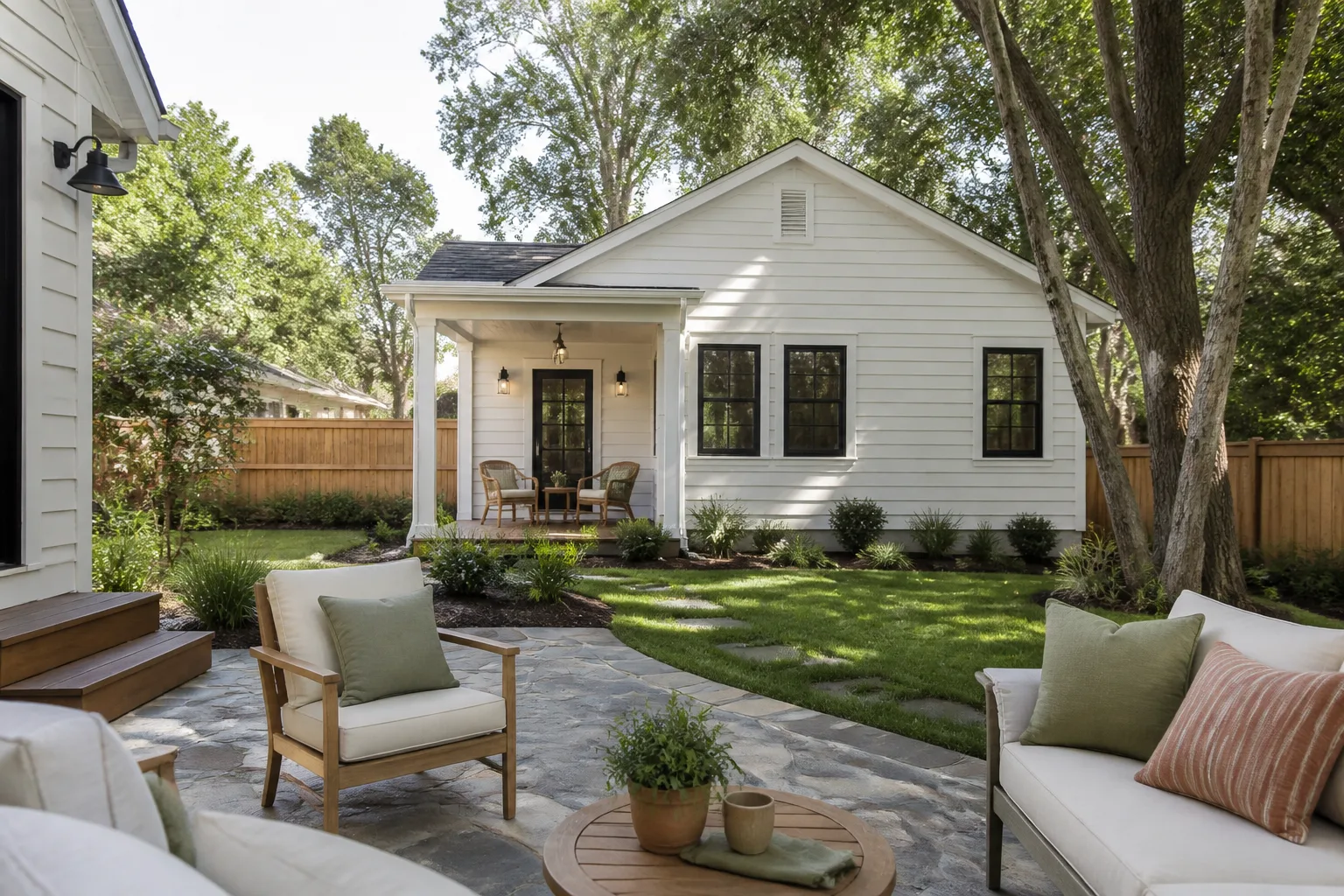
In Ventura, a full home addition built with IKO roofing and weatherproofing components typically runs between $45,000 and $130,000 installed, while an ADU construction project falls between $90,000 and $220,000. We stock IKO-compatible underlayment, flashing, and roofing accessories on our trucks, and we install them as part of the structured addition or ADU build, not as an afterthought. Most homeowners discover an IKO component has failed when they notice water staining on a new ceiling, a damp smell near the addition’s roofline, or shingle granules collecting in a gutter after a Santa Ana wind event.
What we see most often in Ventura is not a sudden IKO product failure. It is an installation detail that was never sealed correctly, or a flashing point where the addition meets the original roofline that was never tied in the way IKO’s installation specs require. When that happens, the fix is not a whole new roof. It is a targeted repair, done by someone who reads the IKO spec sheet before cutting anything open.
Which IKO Models This Applies To
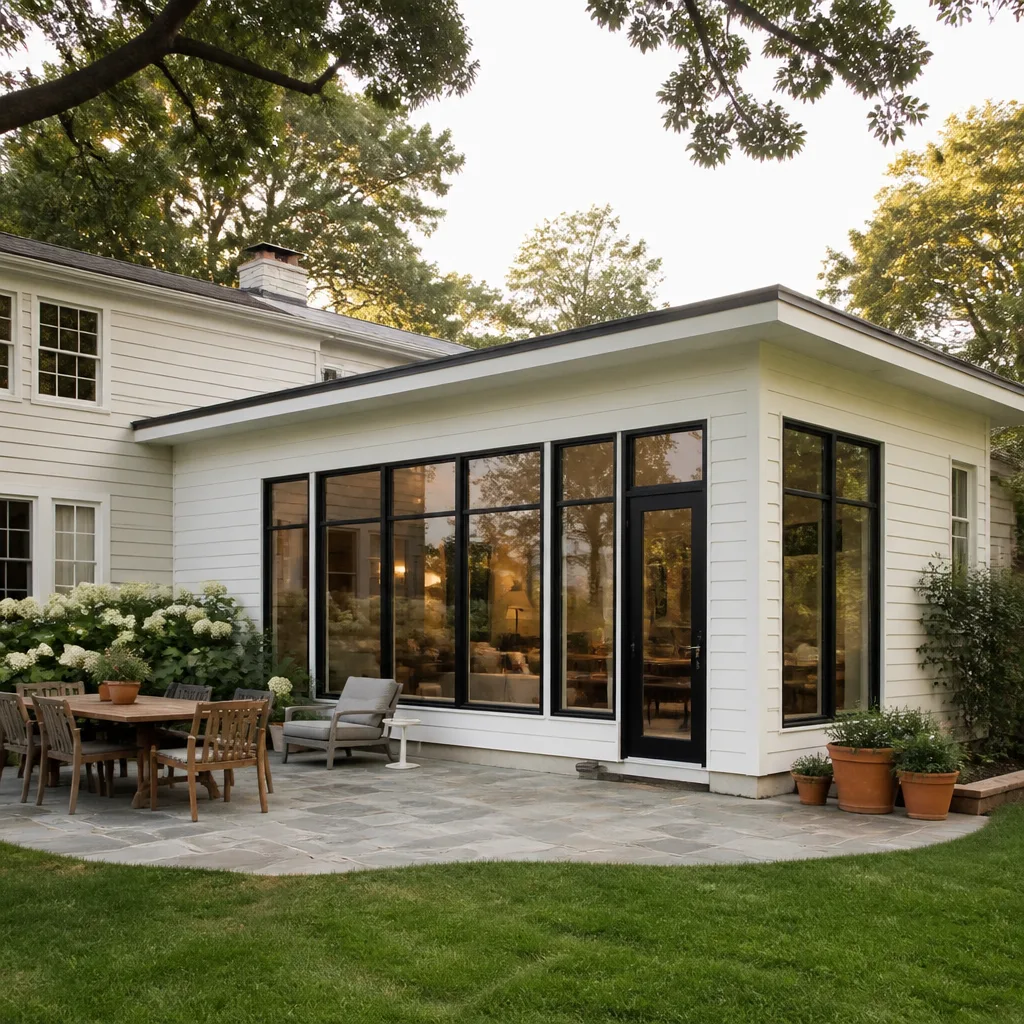
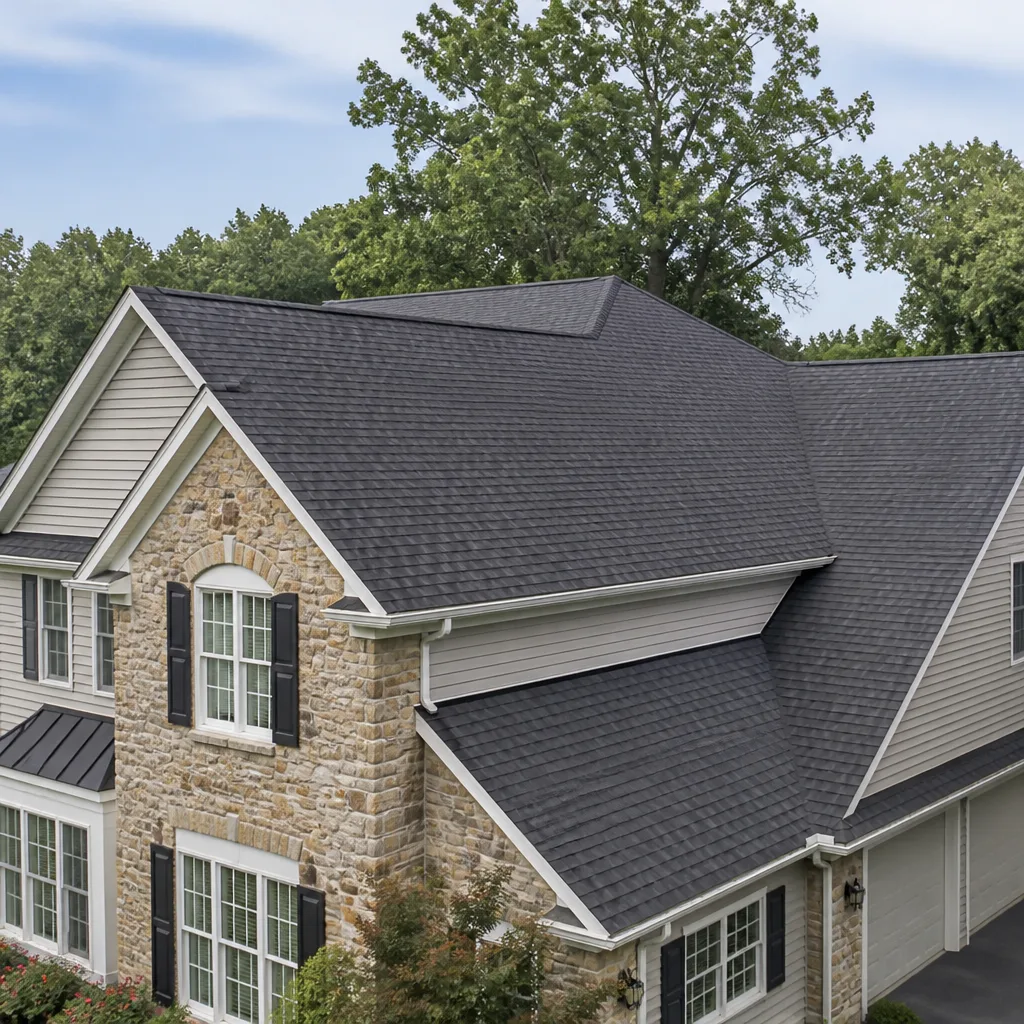
IKO manufactures several asphalt shingle lines that we regularly work with on Ventura additions and ADUs: the Cambridge series, the Dynasty series, the Nordic series, and the Royal Estate series. Each has a different exposure, nail line, and minimum slope requirement. The Cambridge line, for example, uses a 5-5/8-inch exposure and requires four nails per shingle at standard slopes. The Dynasty line has a wider 6-inch exposure and a different adhesive strip position. If a previous installer used one line’s nailing pattern on a different line’s shingles, the seal never fully engages, and the first big offshore wind season loosens an entire course.
Identifying what IKO product is on your addition matters before we touch anything. Look at the shingle’s underside for the manufacturing code printed on the strip, or check the original permit paperwork for the shingle brand and series. We also measure the exposure and check the nail placement against IKO’s current installation guides. For the OEM versus aftermarket decision, we almost always recommend genuine IKO components for any repair on an IKO roof. The adhesive strips, granule blend, and mat weight are matched to the original shingle’s dimensions. A generic underlayment or mismatched flashing can pass a visual check and still fail at the transition point two winters later.
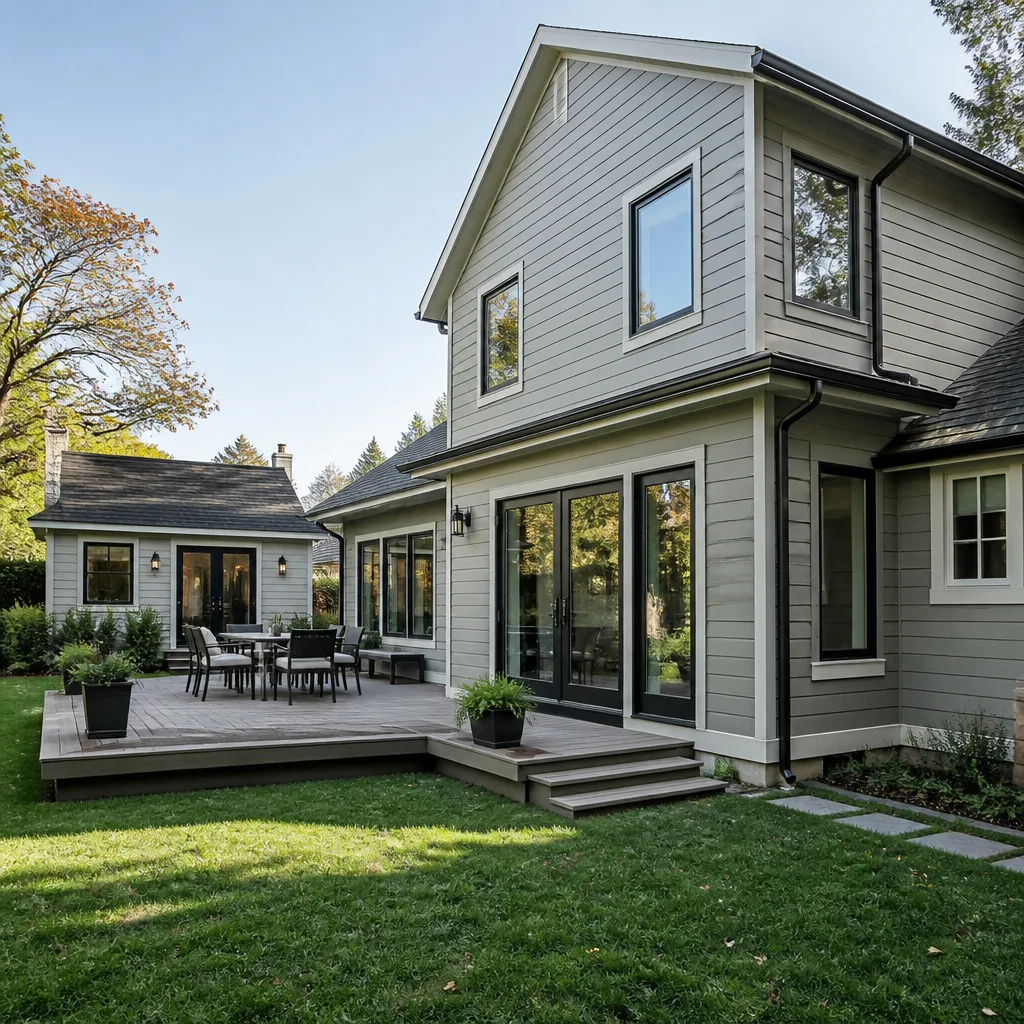
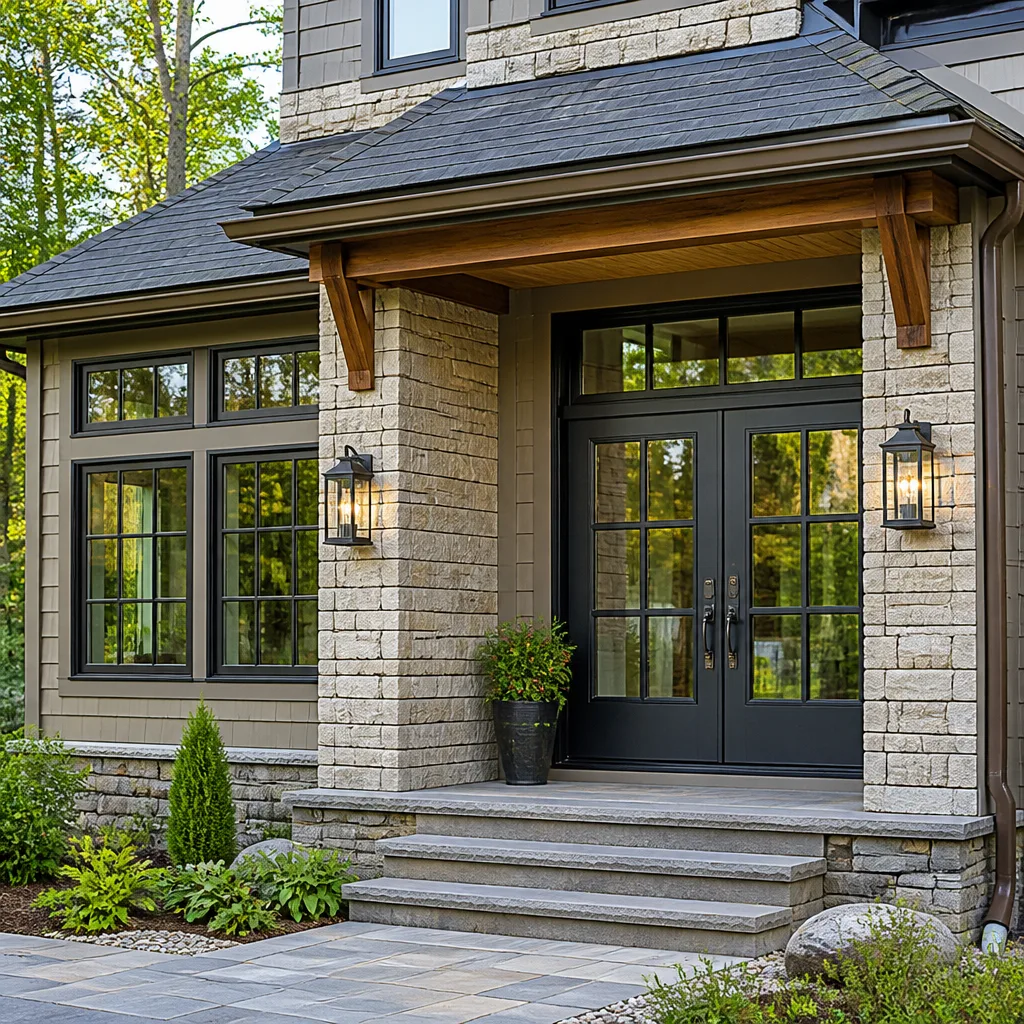
Styles & brands we work with
Signs Your IKO Home Additions & ADU Is Failing
- Granules collecting at downspout corners. IKO shingles lose granules over time, but an unusual concentration near one downspout means a section is shedding faster than it should. The underlying cause is usually wind lift from an under-driven nail or a slope transition that was never properly flashed.
- Water staining on the ceiling inside the addition, not the original house. This points to the tie-in point where the new roofline meets the old one. The valley flashing or step flashing at that junction is the first place a Ventura wind-driven rain finds its way in.
- Shingles lifting at the rake edges after a wind event. Rake edges catch the brunt of offshore gusts. If the original installer skipped the extra fasteners IKO calls for at the rake, the shingles curl up and expose the underlayment to UV and moisture.
- Damp musty smell near the ADU’s interior wall where it meets the roofline. This often means the peel-and-stick underlayment on the low-slope section was never extended past the wall line as IKO’s spec requires. Moisture wicks into the framing.
- Exposed fasteners rusting through shingle surfaces. If nails are backing out, the shingle above never sealed over them. The rust you see is the nail head corroding inside the shingle’s asphalt layer, which splits the shingle from within.
See the difference
 Before
 After
After Before
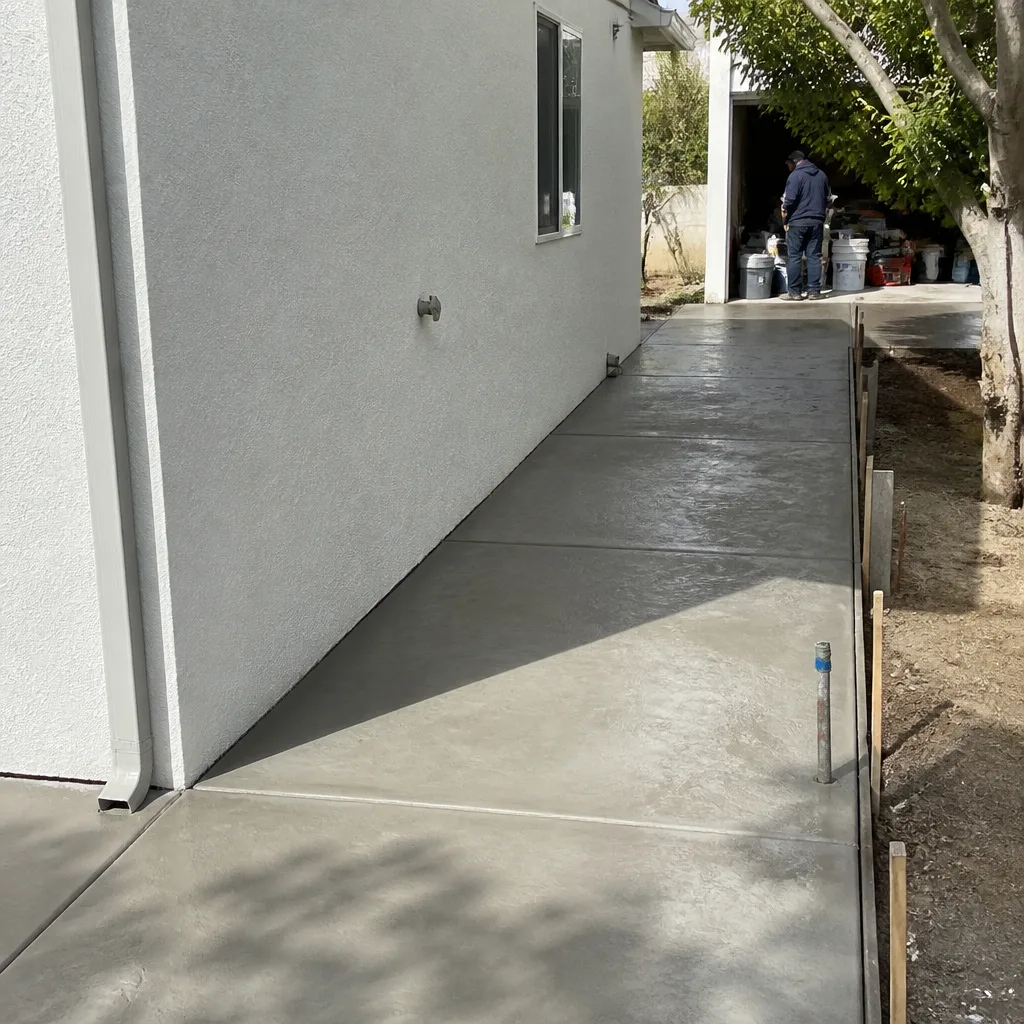 After
After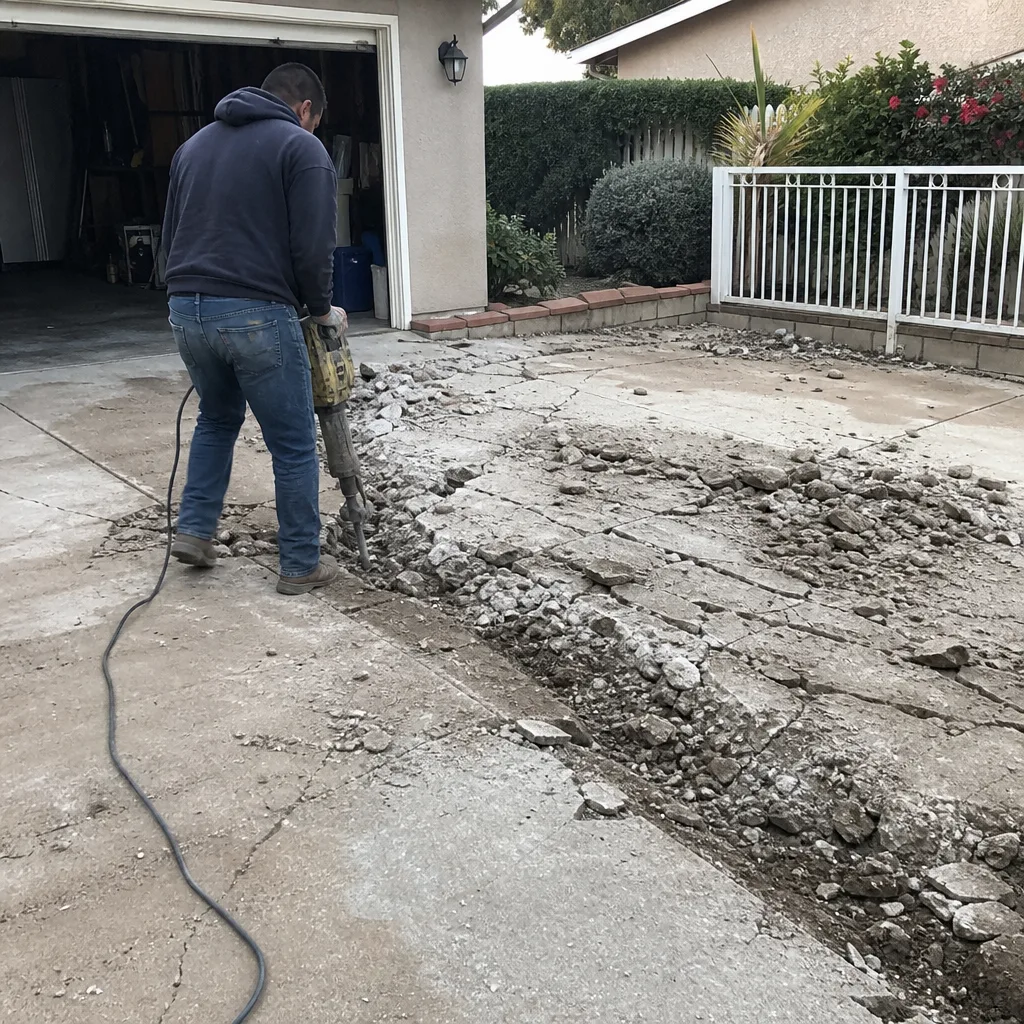 Before
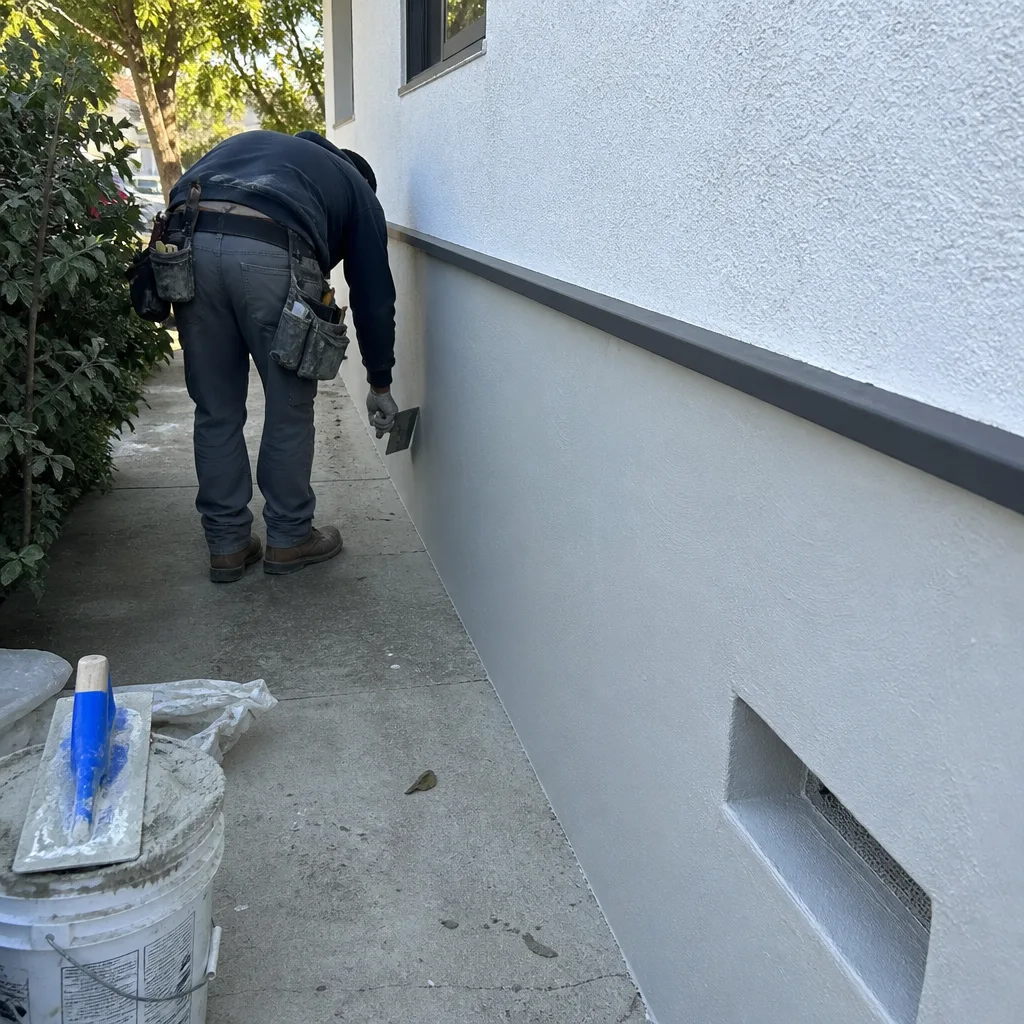 After
AfterReplacement Cost & What’s Included
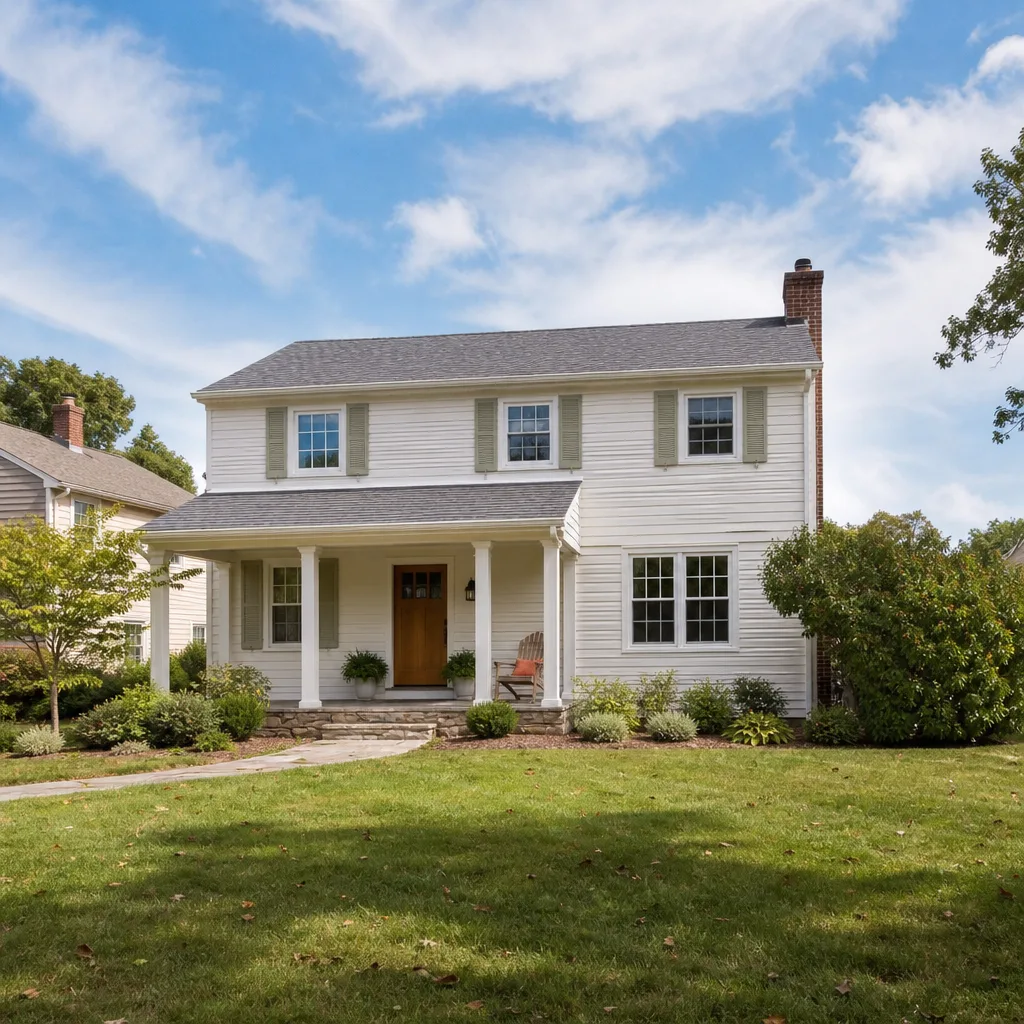
For a targeted IKO component repair on an existing Ventura addition or ADU, expect to pay between $400 and $1,800 for roof repairs, and up to $2,500 when the issue extends into flashing replacement at the tie-in point. If the failure is widespread enough to require a full reroof of the addition, the roof replacement range in Ventura is $8,000 to $20,000, depending on whether the existing underlayment can be salvaged and how much of the old flashing needs to be removed and replaced.
Our written price before any work starts covers everything: the IKO shingles or components, the underlayment, the flashing, the fasteners, the dump fees, and the labor to remove and reinstall. We do not write change orders after the fact. If the scope shifts because we find rot once the old shingles come off, we stop, show you, and put the new number in writing before moving forward. The workmanship is covered under our 365-Day Done Right Promise: if it is not done right, we make it right.
DIY or Call Us?
There are things you can safely check yourself. Walk the addition’s perimeter after the next rain and look for shingle edges that are not lying flat. Check the gutters for granule buildup. Look at the ceiling inside the addition for any staining that was not there six months ago. These observations are useful when you call us.
What you should not do is get on a ladder and start pulling shingles. Roof work on an addition involves heights, steep slopes, and a fall risk that is not worth a weekend. And if the issue is at the tie-in point where the new roofline meets the old, opening that seam without knowing how IKO’s flashing sequence works is how small leaks become structural problems. Our crew handles this work with the right fall protection and the right materials. Call (341) 218-4316 and we will come look.
FAQs
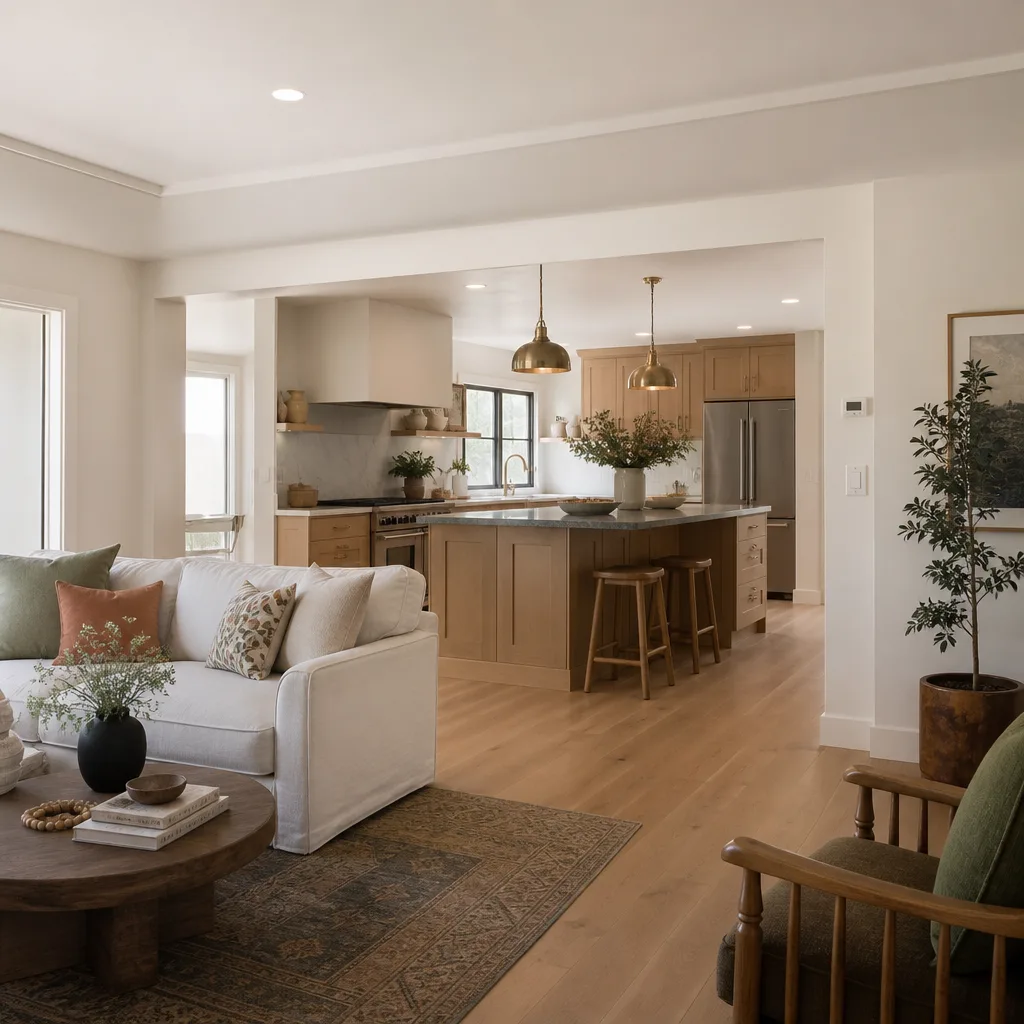
An IKO asphalt shingle roof installed to spec on a Ventura addition typically lasts 20 to 30 years, with the lower end more common on west-facing exposures that catch full afternoon sun off the ocean. The tie-in points and flashing details fail before the shingles do, which is why we inspect those joints first.
Yes, and in most cases that is the right call. If the shingles are still flexible and the failure is localized to a flashing point, a ridge, or a rake edge, we repair just that section with matching IKO components. We only recommend a full reroof when the shingles themselves are brittle, cracking, or losing their seal across multiple slopes. Call (341) 218-4316 for an exact assessment and a written estimate.
A typical flashing or localized shingle repair on an addition takes one day, sometimes two if we are removing and replacing underlayment at the tie-in point. We schedule the work around your family’s quiet hours where possible, and we leave the job site with drop cloths removed and a photo of the clean-up before the crew pulls away.
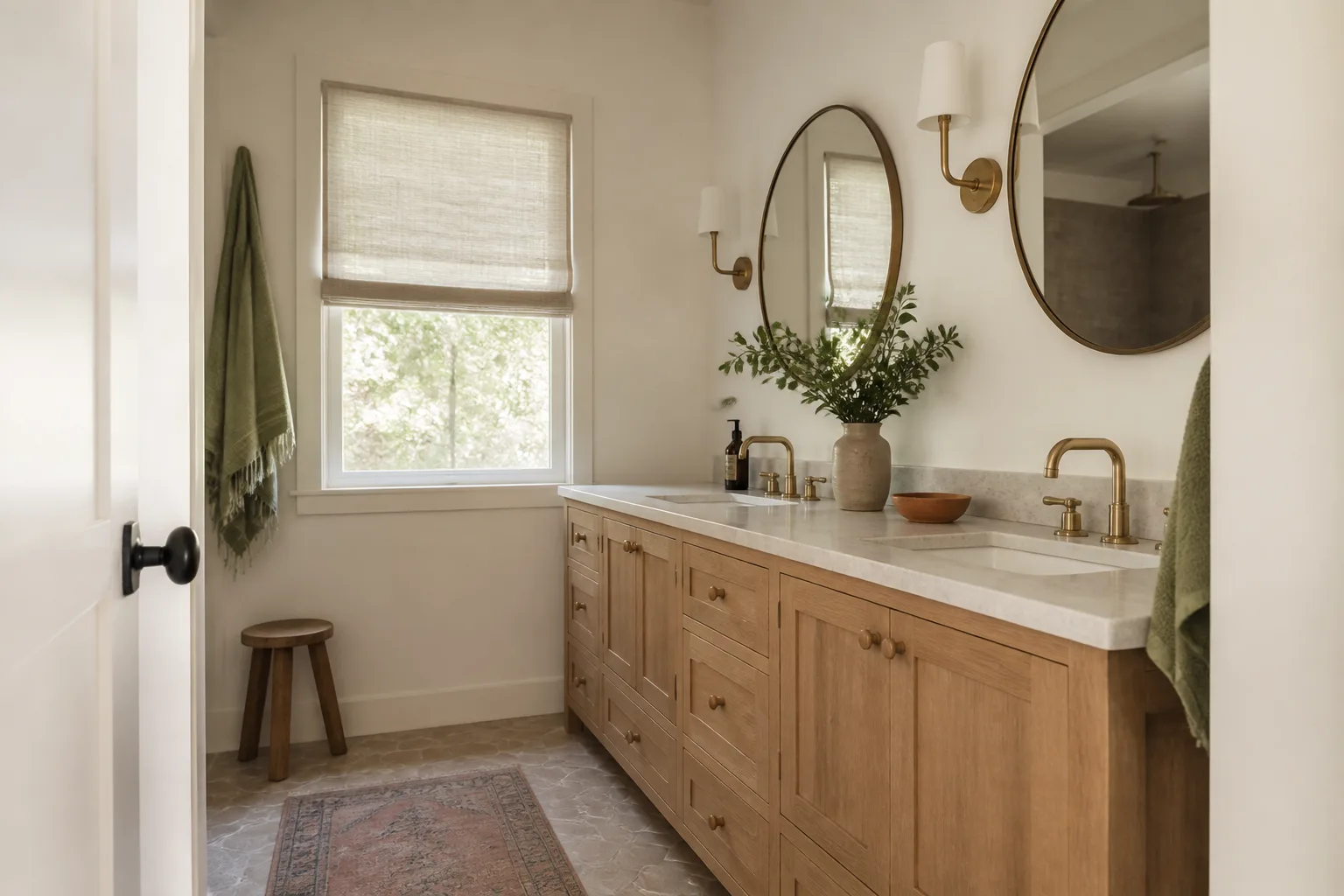
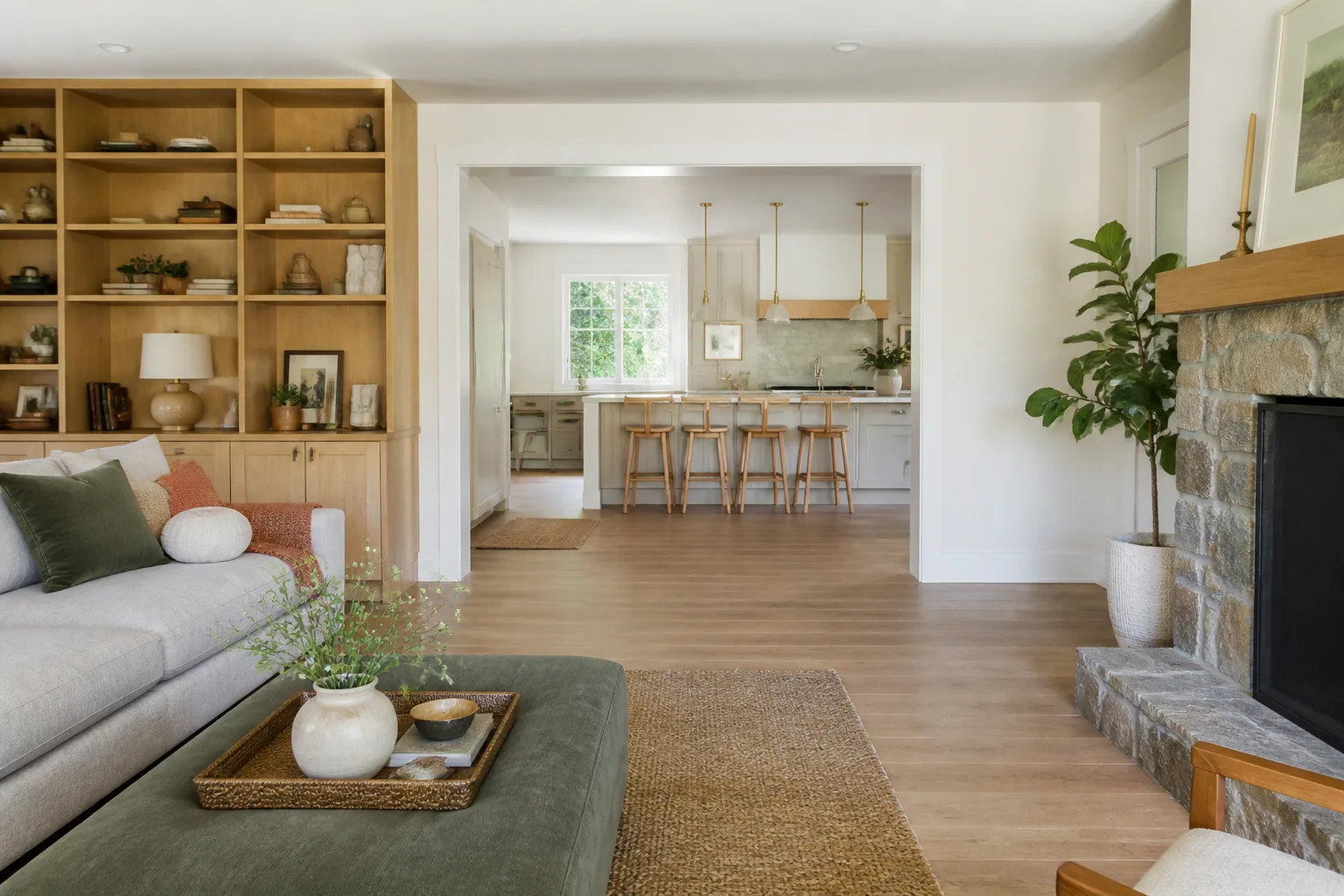
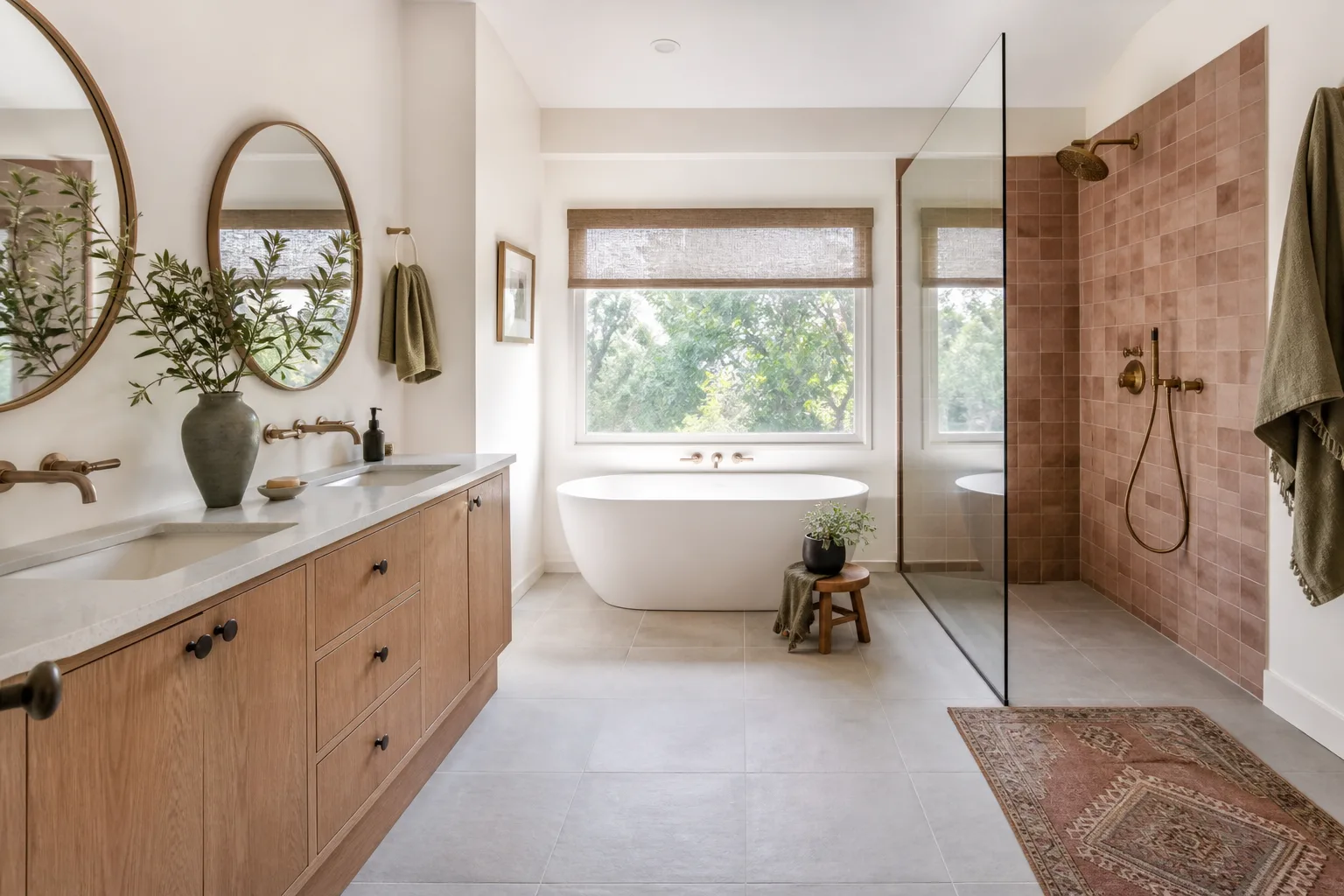
We keep IKO-compatible underlayment, flashing, fasteners, and a selection of Cambridge and Dynasty shingles on our trucks for common repair situations. If your addition uses a less common IKO color or series, we order directly from our supplier and have it within a few days. We also work with components from KraftMaid, Cambria, and Silestone on the interior side of addition projects, so the same crew can handle the full scope.
If the IKO components on your Ventura addition or ADU are failing, the sooner the tie-in points are checked, the smaller the repair. Call (341) 218-4316 for a free estimate. Graham Stein puts every scope in writing before the first board moves, and the price you see is the price you pay.
Written by Graham Stein, Owner, Elmstead Remodeling Ventura at Elmstead Remodeling Ventura, serving Ventura and nearby areas.