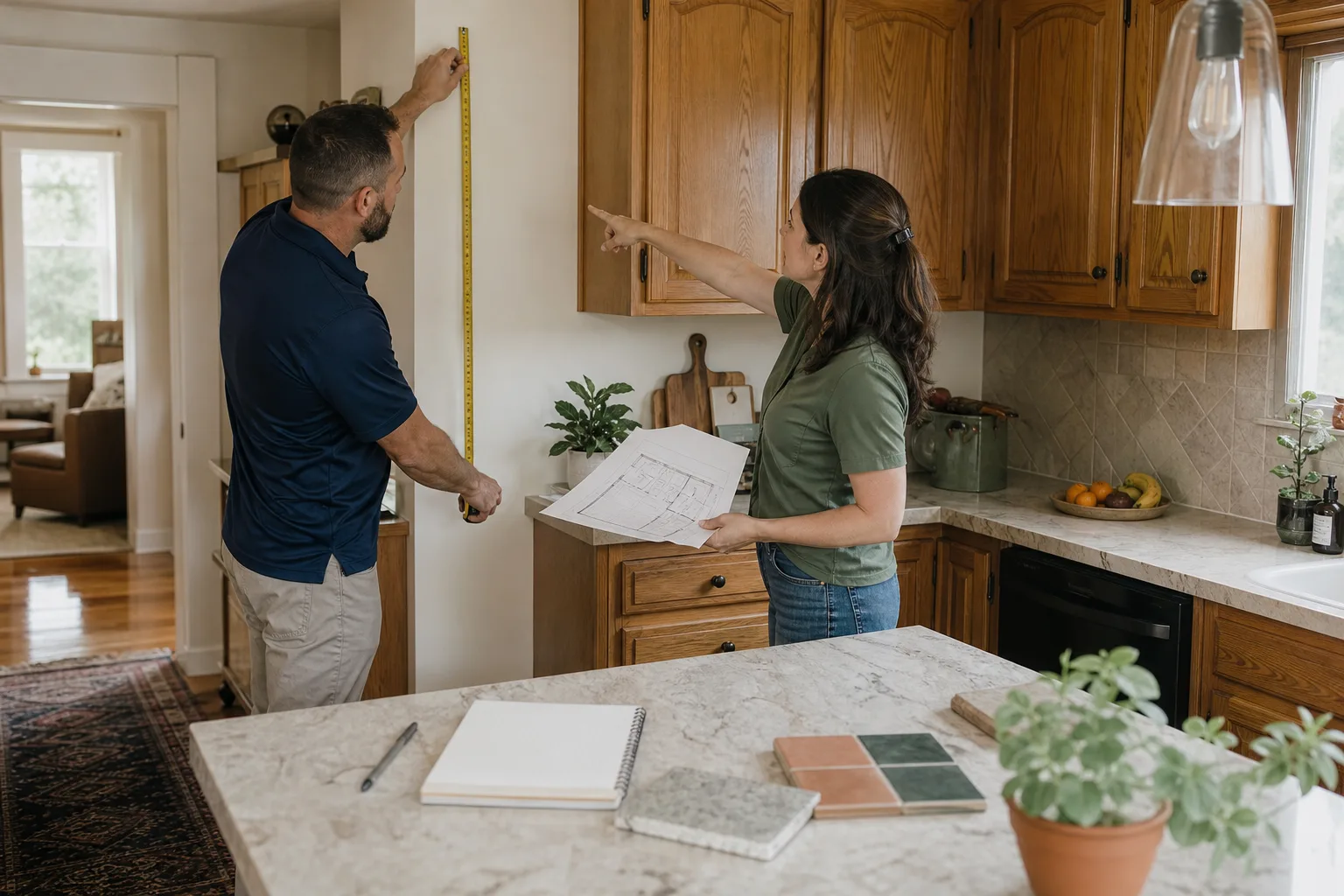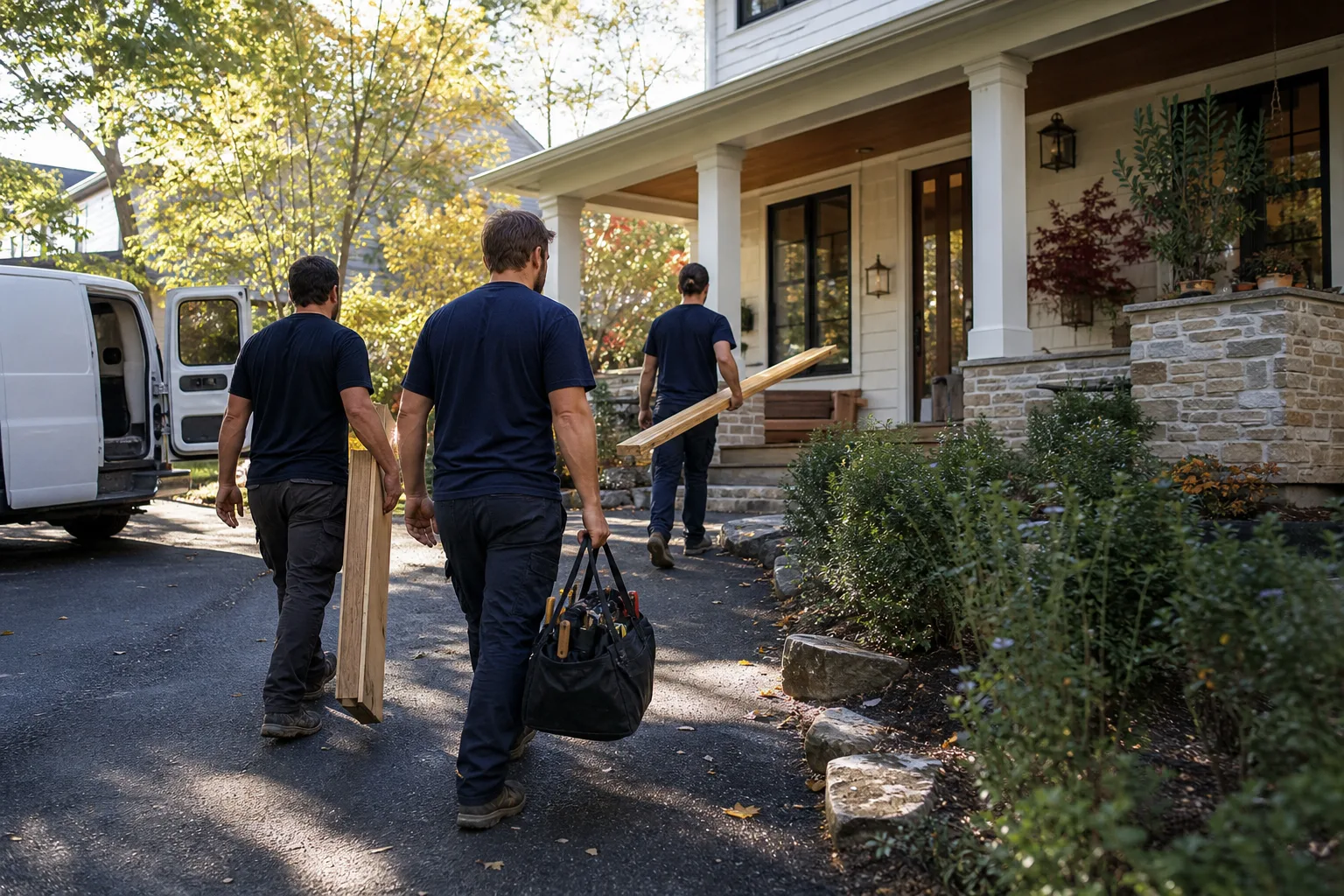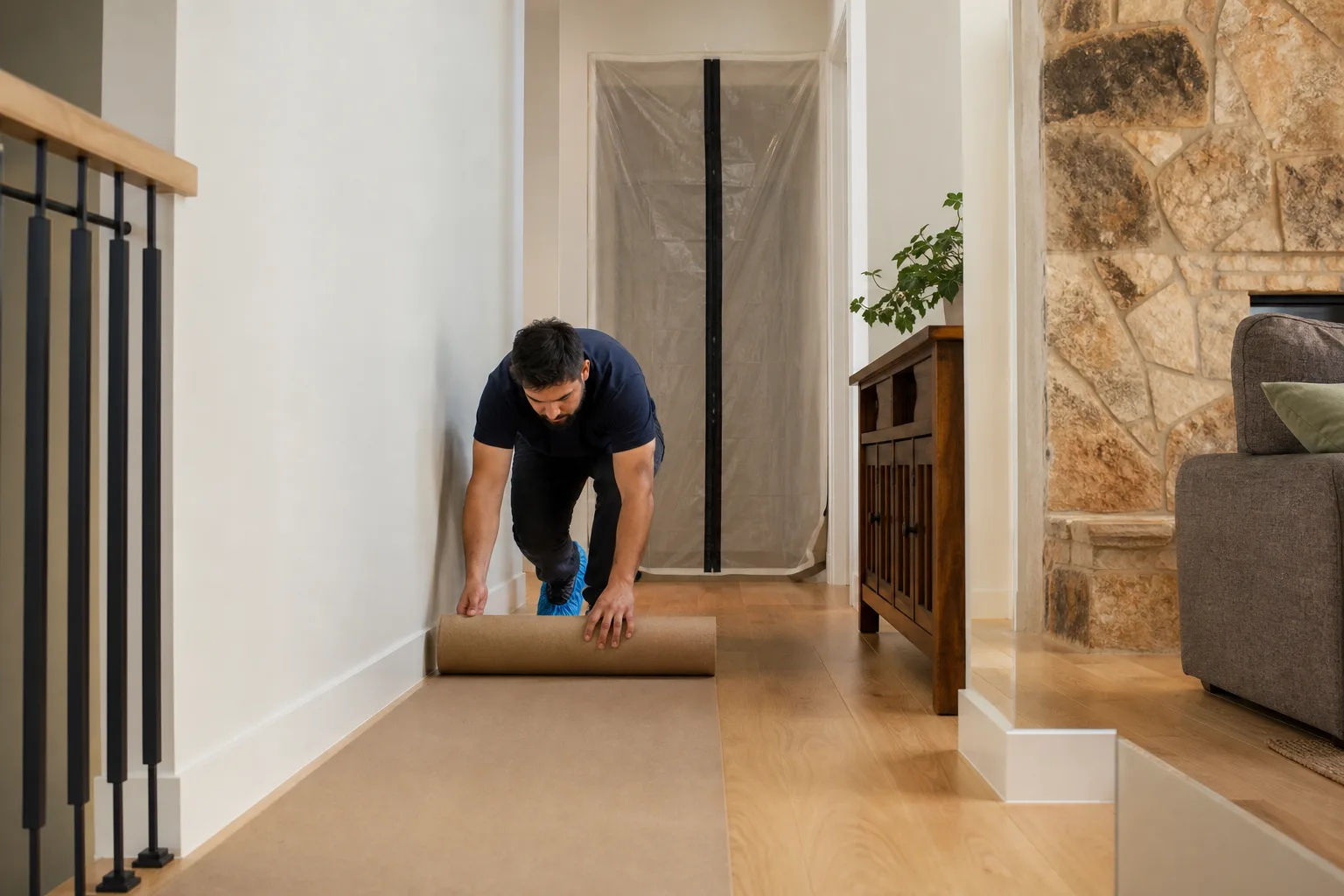




Free written scope consultation - allowances, timeline, and change-order rules on paper before a single trade is scheduled
Plant Prefab Roofing: The Ventura Owner’s Guide
If you own a Plant Prefab home in Ventura and the roof is giving you trouble, here’s the short answer: we install Plant Prefab-compatible roofing in Ventura, and a typical roof replacement on these homes runs $8,000 – $20,000 depending on square footage, pitch, and the membrane system your specific model shipped with. A targeted repair usually falls between $400 and $1,800. Most owners discover the issue the same way: a water stain on the ceiling after a heavy marine-layer week, or a lifted seam visible from the backyard after a Santa Ana wind event.
Plant Prefab builds panels in a factory and joins them on site, which means the roof assemblies are precise. What fails first on these roofs in Ventura’s climate is rarely the structural panel. It’s the flashing and the seam tape at panel joints, followed by any penetration like vent pipes or skylights. The salt air near the coast accelerates corrosion at exposed fasteners, and the UV load we get from June through October breaks down acrylic and TPO seam adhesives faster than the manufacturer’s general lifespan numbers suggest. That’s the combination we plan for on every Plant Prefab roof we touch here.
Which Plant Prefab Models This Applies To
We work on roofing across Plant Prefab’s current and earlier-shipped product lines, including panels from the Kithaus, LivingHome, and the custom series homes that came out of the Rialto factory. The roofing assemblies differ by model: some shipped with a flat TPO membrane over a plywood deck, others with a standing-seam metal profile, and a handful of earlier Ventura installations used a modified bitumen system that predates the current factory spec.
Here’s the gotcha worth knowing before you order any part: Plant Prefab does not use one roofing system across all models, and two homes that look identical from the street can have completely different roof assemblies depending on the year they left the factory and which architect spec’d the project. The panel dimensions are not interchangeable between a Kithaus YB2 and a LivingHome 8. You cannot pull a roof section off one and expect it to match the other. If you’re unsure which system yours has, look for the factory label on the interior of the access hatch or in the mechanical closet. That label tells us the panel series and build year, and it’s the first thing our crew checks before we order a single membrane roll or flashing profile.
For the OEM-versus-aftermarket question on Plant Prefab specifically: the membrane itself is almost always a commercial TPO or EPDM from a major manufacturer like Carlisle or GAF. We stock those in Ventura, and in most cases the aftermarket equivalent is identical to what Plant Prefab shipped. The custom-milled metal edge flashing and factory-formed panel joinery is a different story. Those are proprietary, and when they’re the point of failure, we source through the factory or we fabricate an exact match from a local Ventura metal shop. We’ll show you the difference in writing before we order either way.
Elmstead Remodeling Ventura is an independent contractor, not affiliated with Plant Prefab. We’ve worked on enough of their homes in Ventura to know which parts are commodity and which ones need factory sourcing, and we’ll tell you straight which path each component requires.
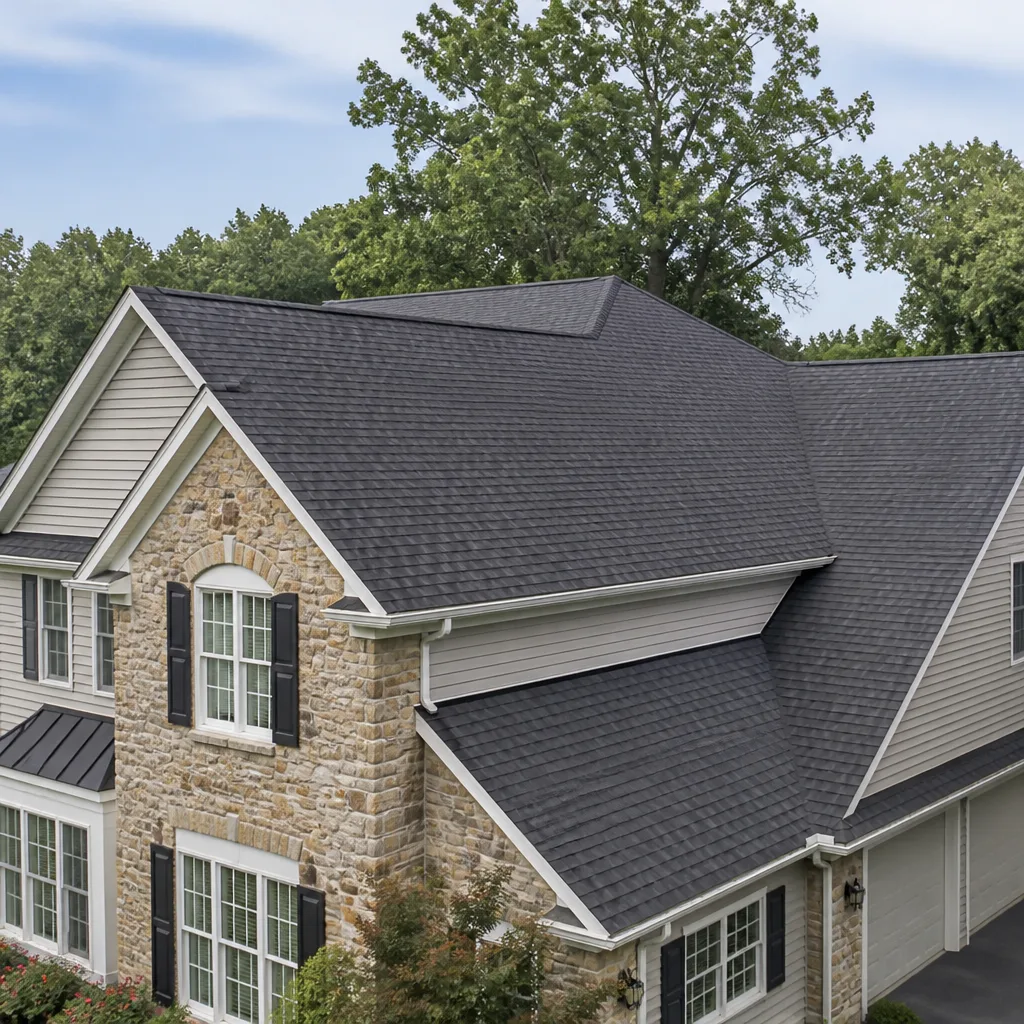
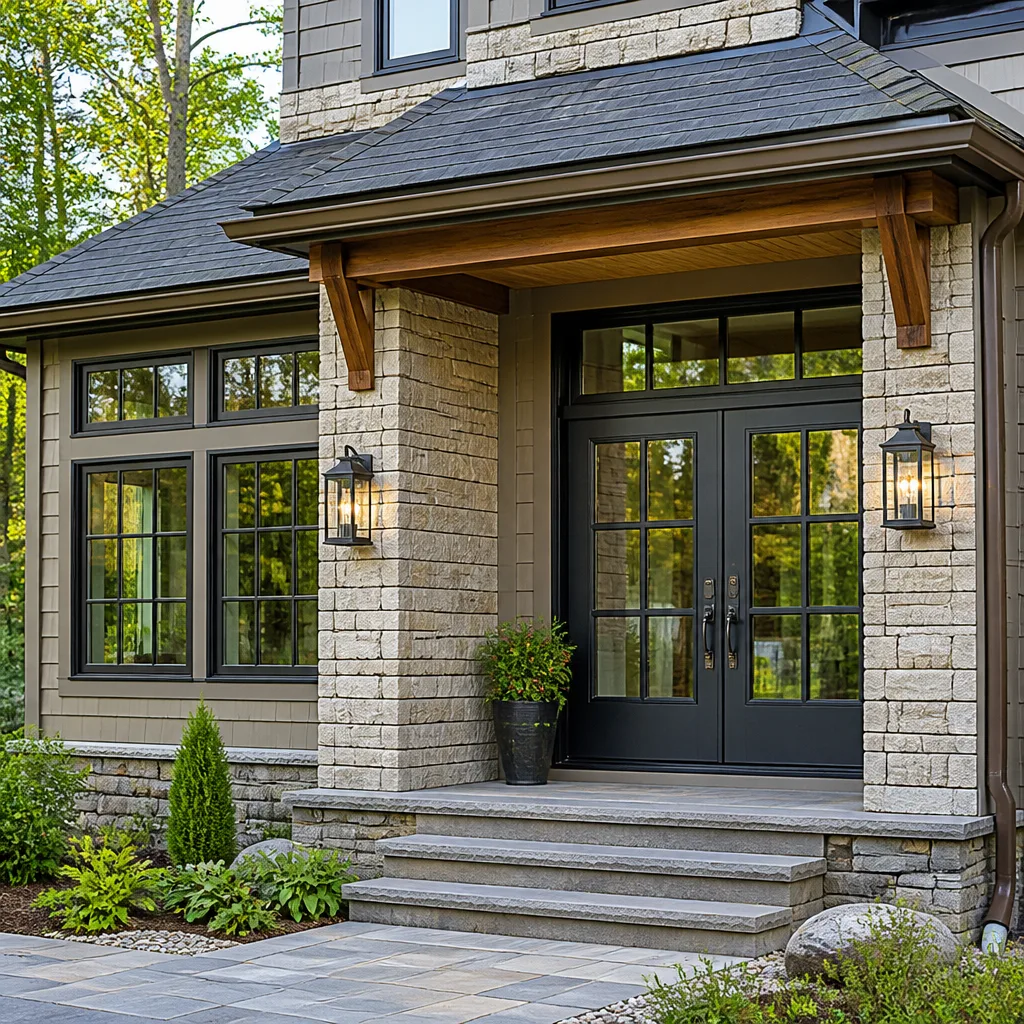
Styles & brands we work with
Signs Your Plant Prefab Roofing Is Failing
- Water staining at ceiling panel seams. Plant Prefab roof panels join along a seam, and that seam is the first place water finds a path when the sealant degrades. A stain that follows a straight line across the ceiling, rather than a random blotch, points to a panel seam rather than a plumbing leak.
- Lifting or flapping at the membrane edge during wind events. The Santa Ana winds we get each fall put real stress on TPO edges and flashing returns. If you can see daylight or movement at the roof edge from the ground, the fastening or the adhesive strip is already compromised.
- Flashing corrosion at vent pipes and skylight curbs. The marine air in Ventura eats galvanized flashing faster than the roof membrane fails. Rust streaks running down from a pipe boot or skylight curb mean the metal is oxidizing and the waterproof seal is next.
- Granule loss in your gutters on a shingle-style finish. Some Plant Prefab homes spec’d an architectural shingle over the factory deck. If you’re finding granules collecting in the downspouts after a rain, the shingle surface is reaching the end of its service life even if the membrane underneath is still sound.
- Persistent interior mustiness with no visible leak. This is the one that worries us most on Plant Prefab builds. A slow weep at a panel joint can wick into the factory insulation and sit against the ceiling panel without ever producing a drip. By the time you smell it, there’s moisture where it shouldn’t be. Don’t wait on this one.
See the difference
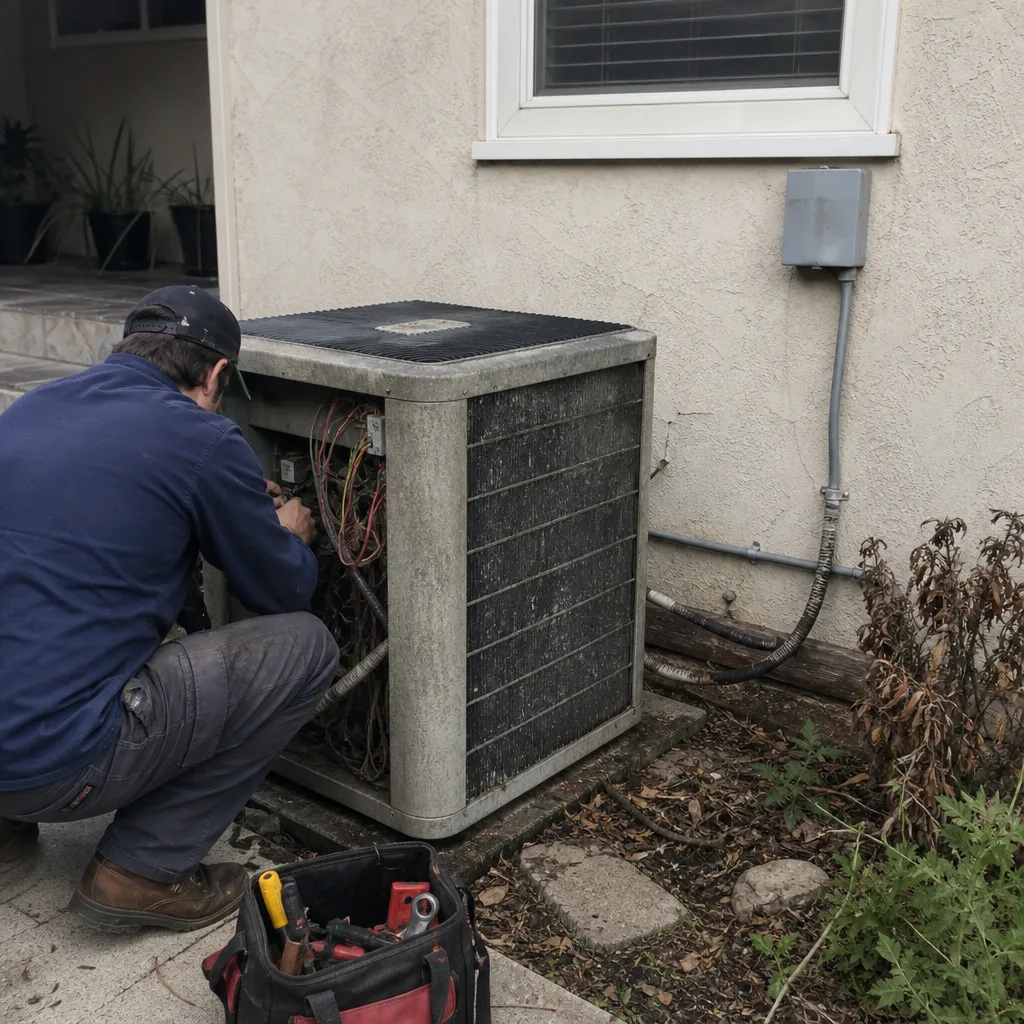 Before
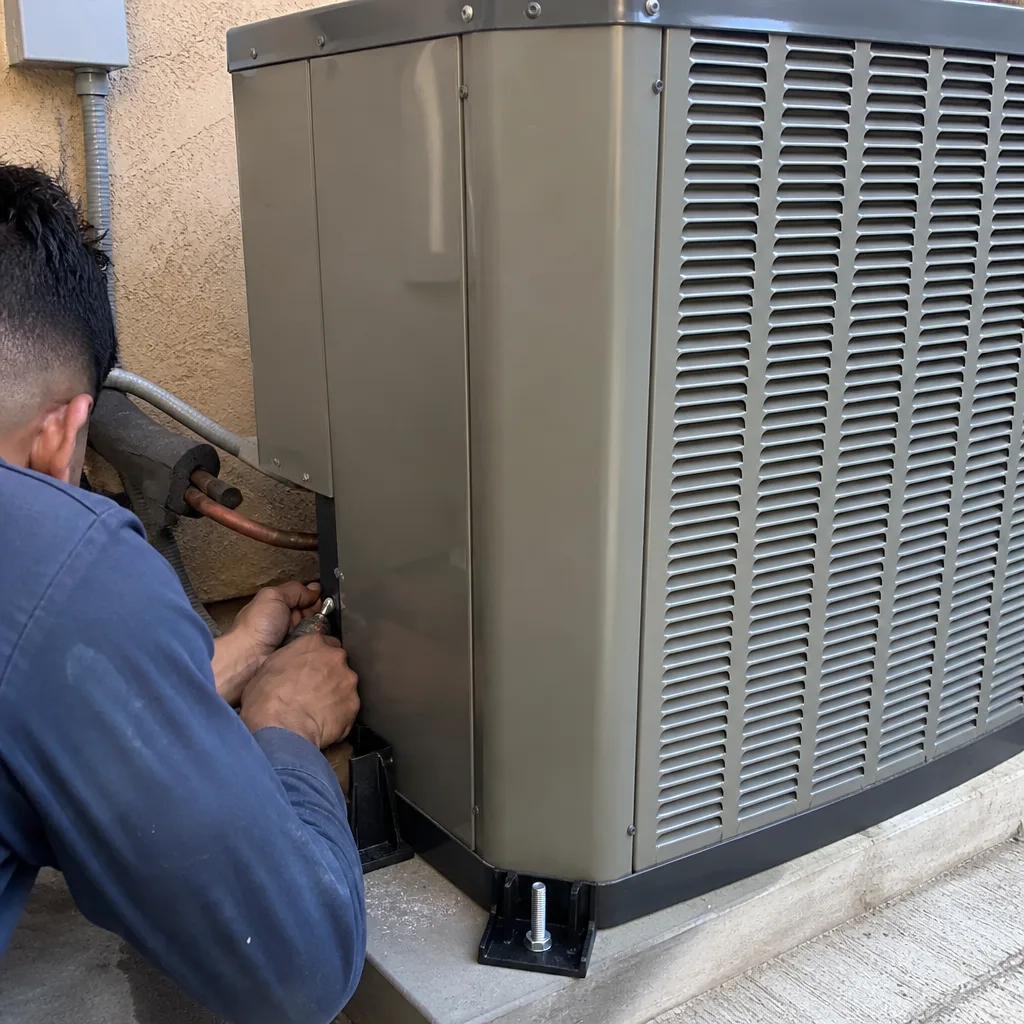 After
After Before
 After
After Before
 After
AfterReplacement Cost & What’s Included
In Ventura, a full Plant Prefab roof replacement on a typical LivingHome or Kithaus runs $8,000 – $20,000 installed. A surgical repair, like re-flashing a skylight curb or re-seaming a failing panel joint, lands between $400 and $1,800 depending on how much membrane we need to strip back and how much water has already found its way under the deck.
What drives the spread on a full replacement: flat TPO systems sit at the lower end, standing-seam metal roofs at the upper end, and any roof with multiple penetrations, steep access, or second-story work costs more because of the scaffold and fall-protection setup. We write the scope of work before the first board moves. You’ll see the membrane line item, the flashing count, the fastening and adhesive costs, dump fees, and the labor number separated out so there’s no pile of “miscellaneous” hiding anything. Our 365-Day Done Right Promise covers the roof work the same as it covers every other project in Ventura: if it’s not done right after the job is complete, we come back and make it right. The price we write before we start is the price you pay at the end, every time.
DIY or Call Us?
Roof work on a Plant Prefab home is not a DIY job, and I’ll tell you why without drama. The panel seams are under tension from the building’s own movement, and the sealant chemistry has to match what the factory used or the repair fails within a season. If your home has a standing-seam metal roof, walking it wrong can kink the seams and create leaks that didn’t exist before. Even a simple membrane patch requires heat-welding on TPO, which means a hot-air gun at specific temperatures, not a caulk gun.
What you can safely do from the ground: photograph any lifting edges or visible flashing corrosion so we know what we’re walking into, keep gutters and downspouts clear during the wet season so water isn’t backing up against the panel edges, and check the interior ceiling after the next real rain so we can map exactly where the water is entering. If you’re seeing any of the five signs above, call us at (341) 218-4316. We’ll come out to Ventura, get on the roof, and write up exactly what’s failing and what it costs to fix. No charge for the estimate, and no pressure to sign anything that day.
FAQs
A factory-installed TPO membrane on a Plant Prefab home in Ventura typically lasts 18 – 25 years before it needs replacement, but the flashings and seam tape usually need attention at the 10 – 14 year mark because of our marine air and UV exposure. Metal standing-seam roofs last longer, often 30 – 40 years, with fastener and flashing maintenance along the way. If your home is near the water, knock a few years off those numbers. Call (341) 218-4316 and we can look up your specific model’s roof assembly and give you an honest assessment.
Most Plant Prefab roofing failures in Ventura are repairable when caught early: a failed flashing, a seam that’s lifted, a pipe boot that’s split. Replacement becomes necessary when water has penetrated under the membrane across a wide area or the deck itself shows rot. We’ll always price the repair first and tell you if we think a full replacement is the more honest fix. Call (341) 218-4316 and we’ll come out and look.
A targeted repair, like re-flashing a skylight or re-seaming a panel joint, is typically done in one working day. A full membrane replacement on a single-story Plant Prefab home usually takes 3 – 5 working days, with weather scheduling around Ventura’s marine-layer pattern. We’ll put the timeline in writing before we start. Call (341) 218-4316 for a written estimate and schedule.
We stock the commodity components in our Ventura inventory: TPO membrane rolls, sealants matched to factory chemistry, standard flashing profiles, pipe boots, and fasteners. Proprietary parts, like custom-milled edge flashing or specific panel joinery, we order from the factory or fabricate locally if the factory wait would leave your roof exposed. We’ll tell you which parts are stock and which need sourcing before we schedule the work. Call (341) 218-4316 to talk through what your roof needs.
Graham Stein put it to us this way after a LivingHome in Midtown Ventura needed a full seam replacement last spring: put it in writing before the first board moves. That’s how every Plant Prefab roof job in Ventura starts. We write the scope, we name the materials, we give you the number, and then we do the work with drop cloths on the floors and a photo of the clean-up before the crew leaves. The same crew also handles bath and kitchen remodels across Ventura County, with brands like KraftMaid, Cambria, and Silestone in our material library, so if the roof leak leads you to rethink the room under it, we can handle both conversations.
Call (341) 218-4316 for a free estimate on your Plant Prefab roof in Ventura. A live person answers, 24/7. We’ll schedule the walkthrough, get on the roof, and give you a written price you can plan around.
Written by Graham Stein, Owner, Elmstead Remodeling Ventura at Elmstead Remodeling Ventura, serving Ventura and nearby areas.