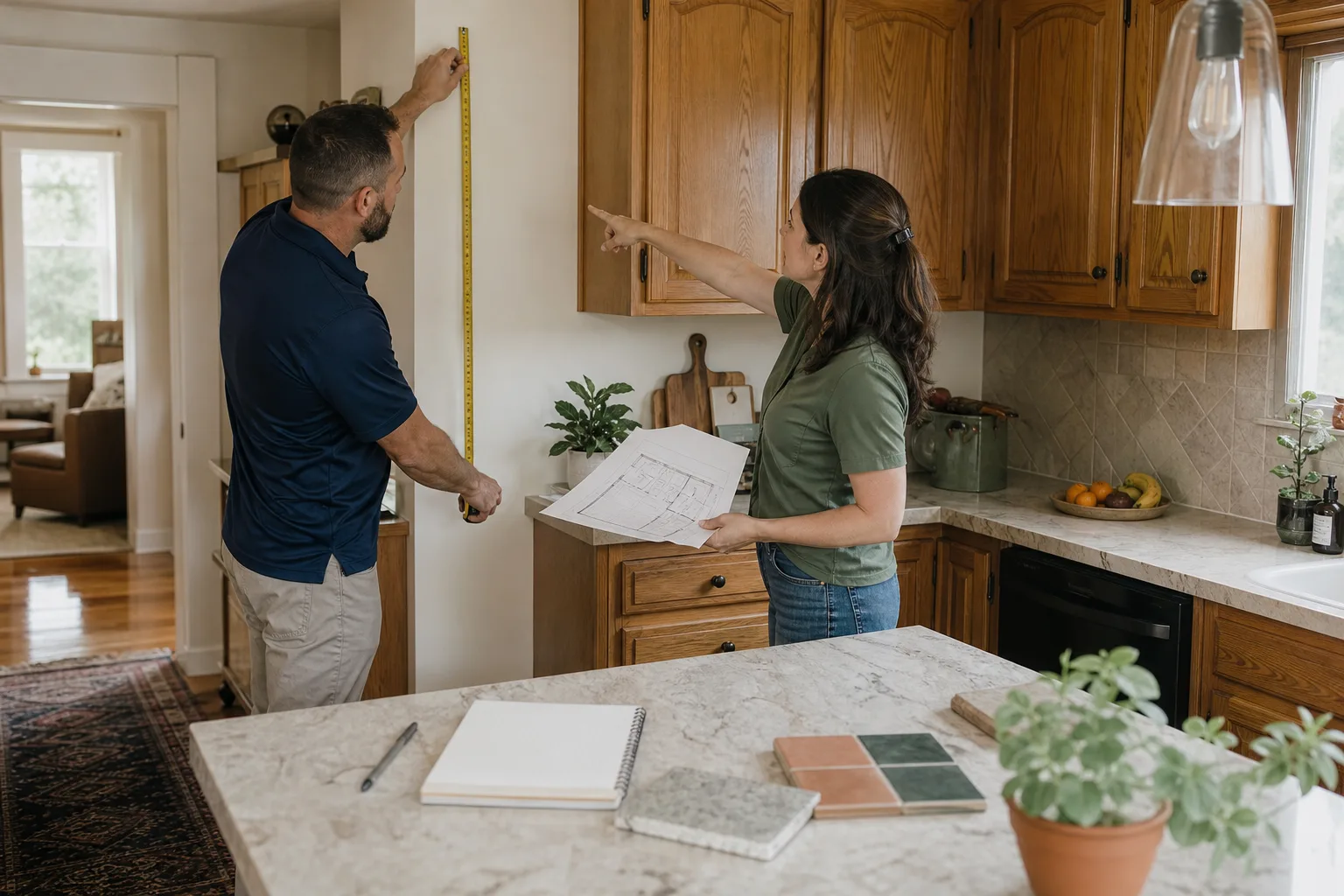
Free written scope consultation - allowances, timeline, and change-order rules on paper before a single trade is scheduled
Quikrete Home Additions & ADU: The Ventura Owner’s Guide
For a home addition or ADU built on a Quikrete slab or foundation system in Ventura, the typical finished project runs $45,000 – $130,000, and the Quikrete component itself (slab, footer, or grout work) is almost always installed by a licensed contractor rather than a homeowner. Most Ventura homeowners don’t discover a Quikrete problem until it’s visible: a hairline crack running across the garage slab, a door that suddenly sticks in summer, or a stem wall that’s spalling after a few wet winters. When that happens, the first question isn’t usually “which bag do I need” but “is this a structural issue” – and that’s where having someone who reads plans before touching concrete matters.
We’re Elmstead Remodeling Ventura, a Cedarwell company. We’re not affiliated with Quikrete, but we’ve built footings, slabs, and ADU pads with their products across Ventura for years. Graham Stein, our owner, grew up in Los Angeles and studied framing and structural plan reading at Los Angeles Trade-Technical College before he ever picked up a client’s key. That background means we don’t guess at slab specs.
Which Quikrete Models This Applies To
Home additions and ADUs in Ventura don’t use a single Quikrete “model” like a power tool. What matters is the application: Quikrete’s 5000 PSI concrete mix is the standard for load-bearing footers and ADU slabs in our area, and their crack-resistant 5000 mix gets specified on slabs that will carry tile or millwork. For stem walls and retaining elements, a 3500 PSI mix is common. The compatibility gotcha we see on Ventura jobs: bagged Quikrete labeled 5000 PSI still needs the right water ratio and a proper cure to actually hit that strength. We’ve torn out slabs where someone added too much water for easier pouring and ended up with a 3,000 PSI pad wearing a 5,000 PSI label. On any addition over 200 square feet, the city of Ventura will ask for a soils report and structural drawings that name the concrete spec – not the brand. That’s the part owners should know before they buy a pallet of anything.
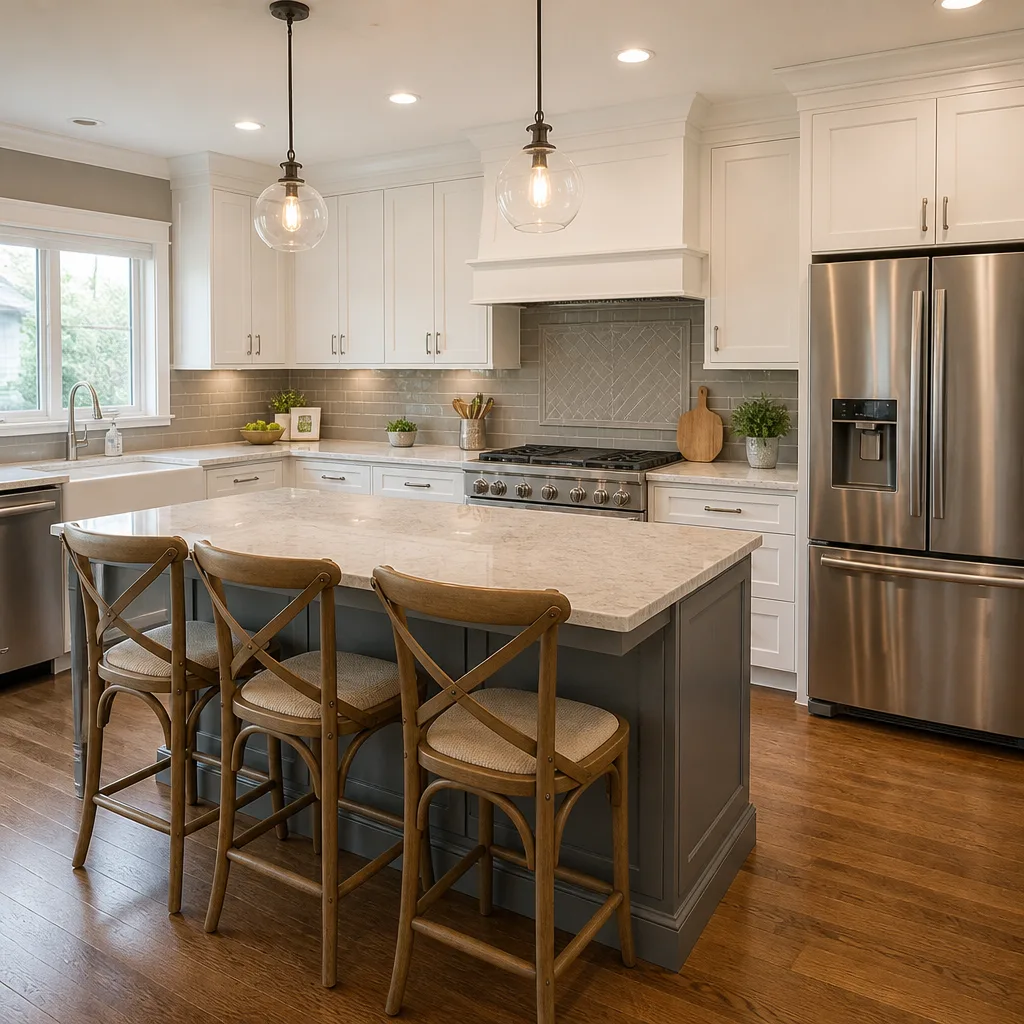
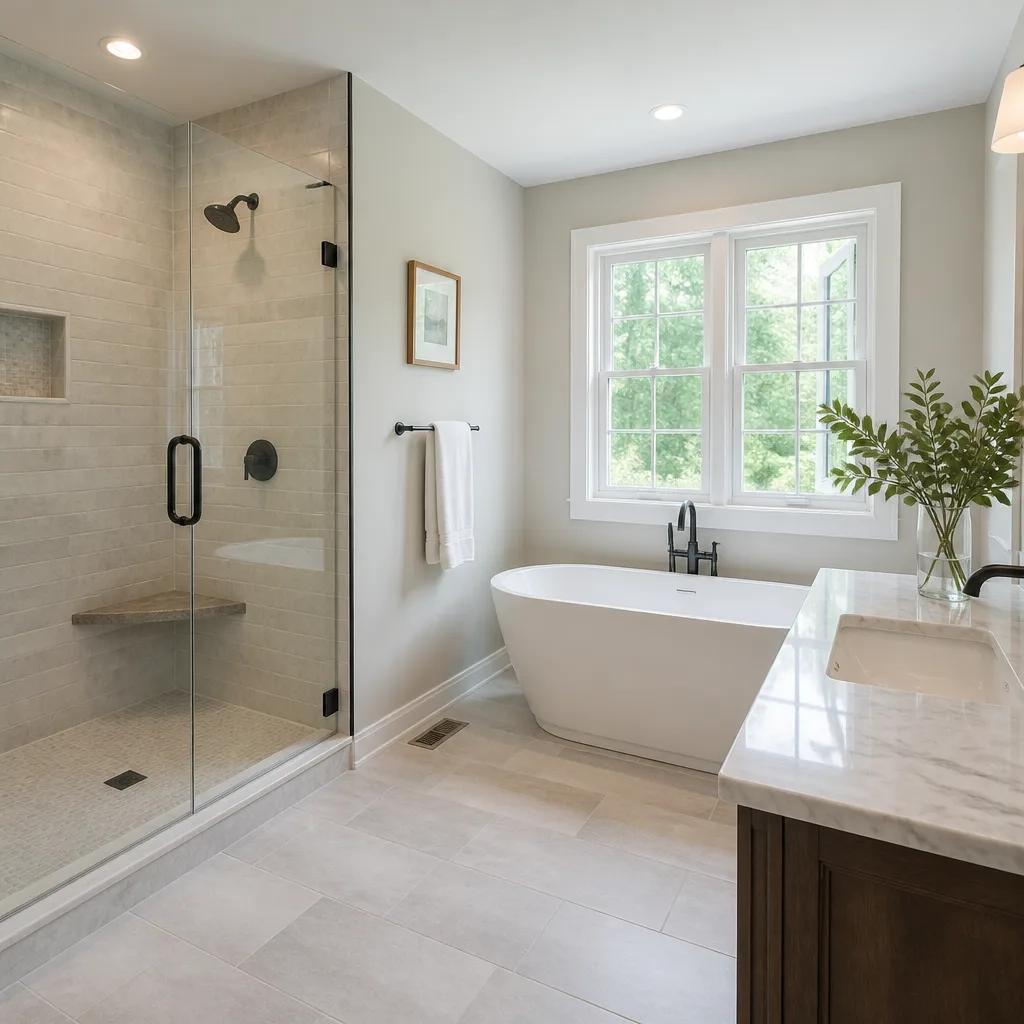
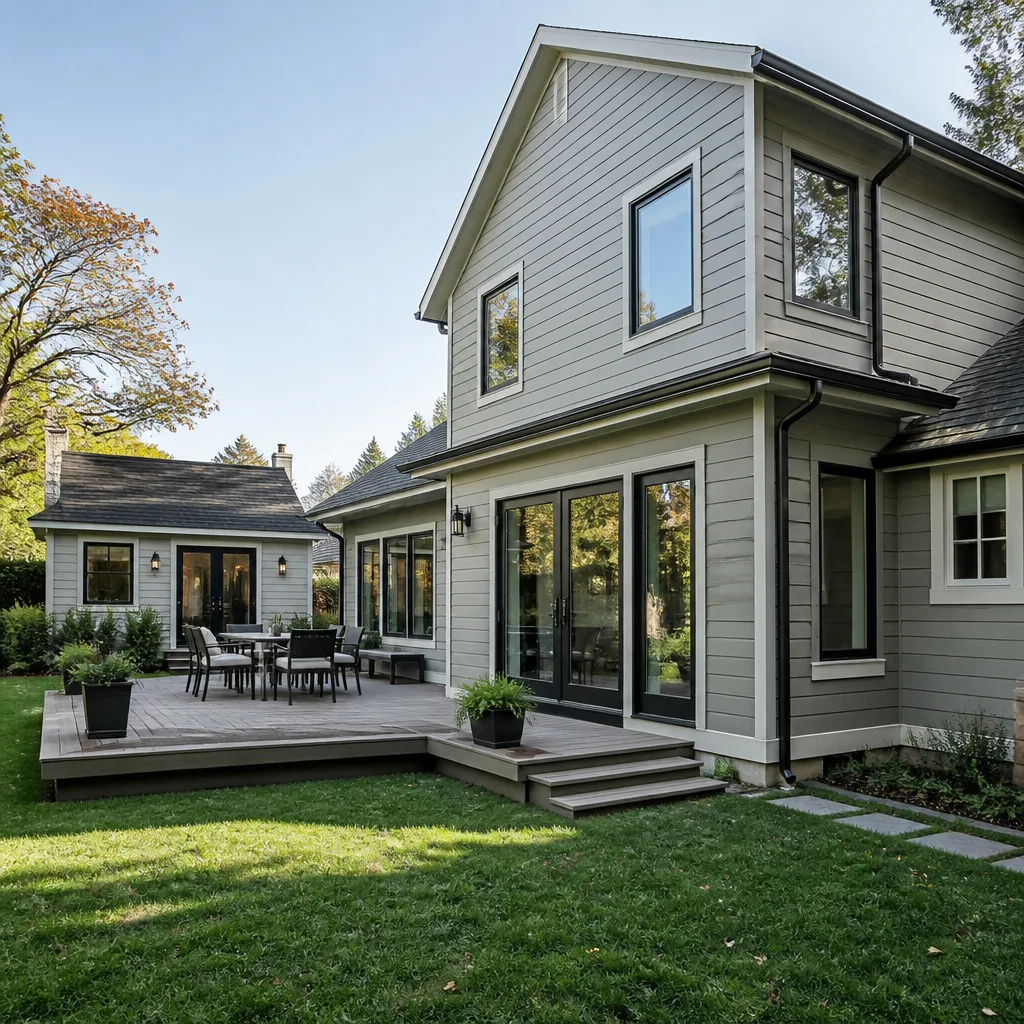
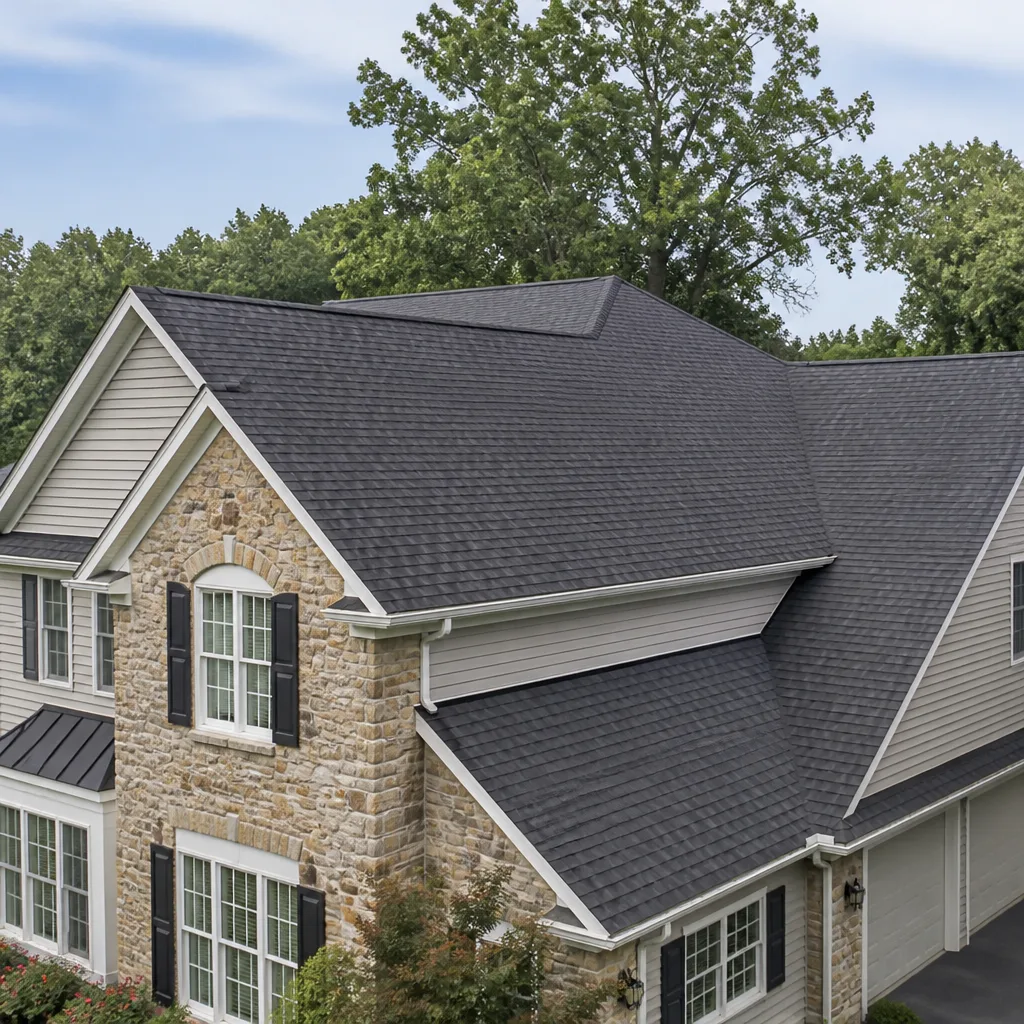
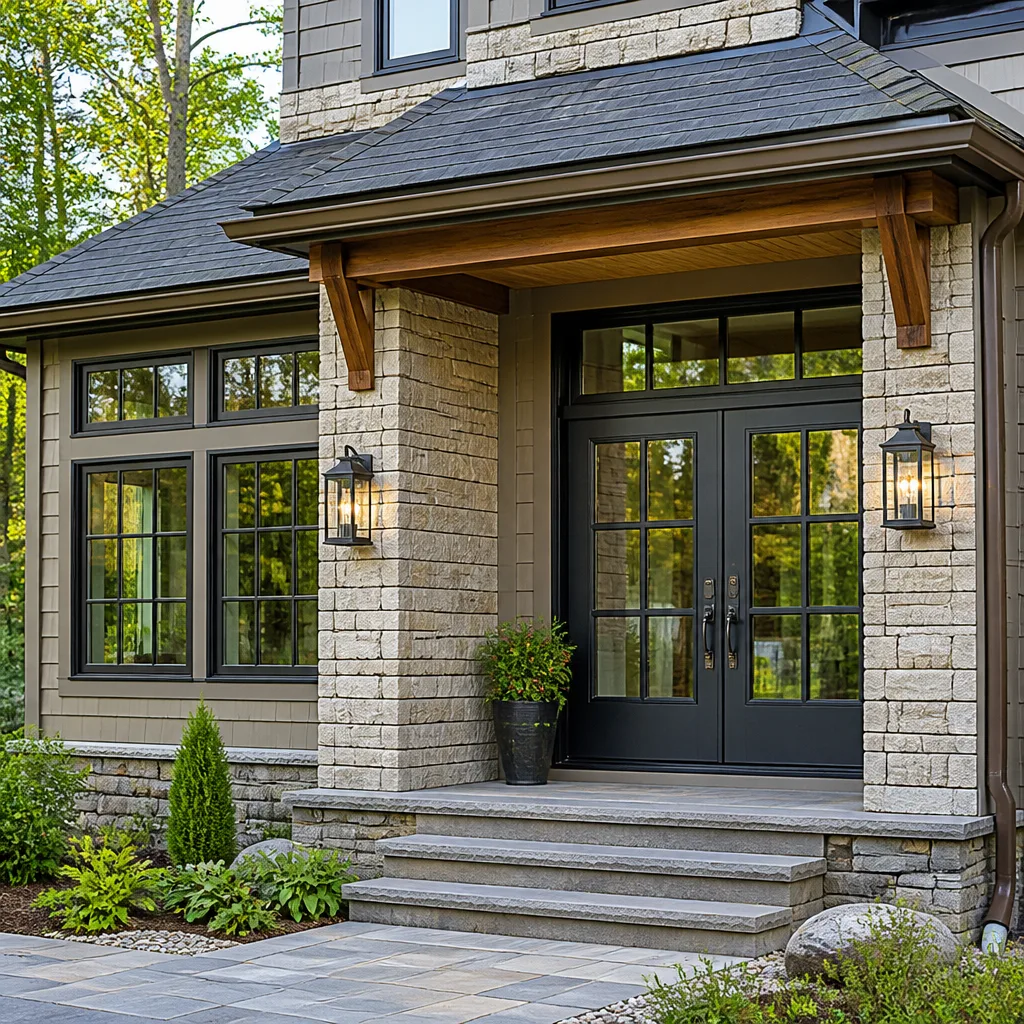
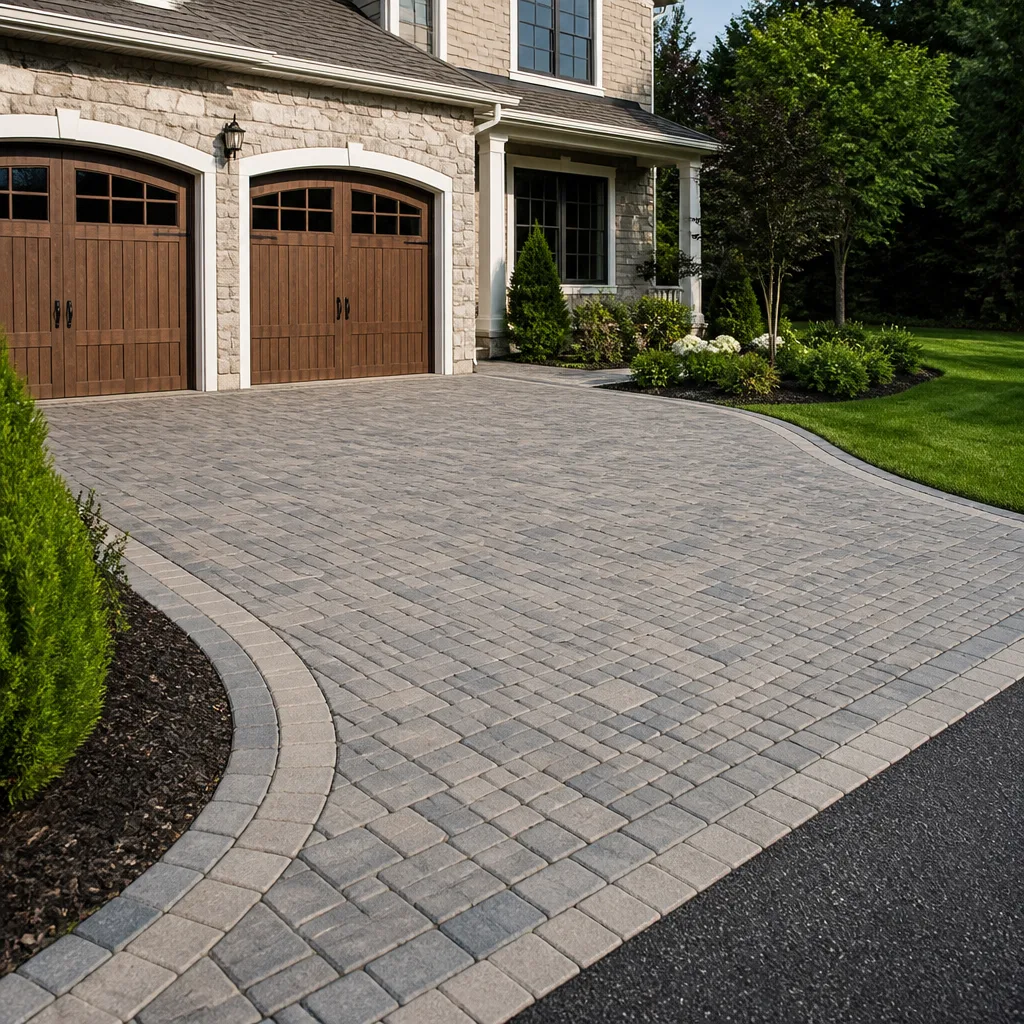
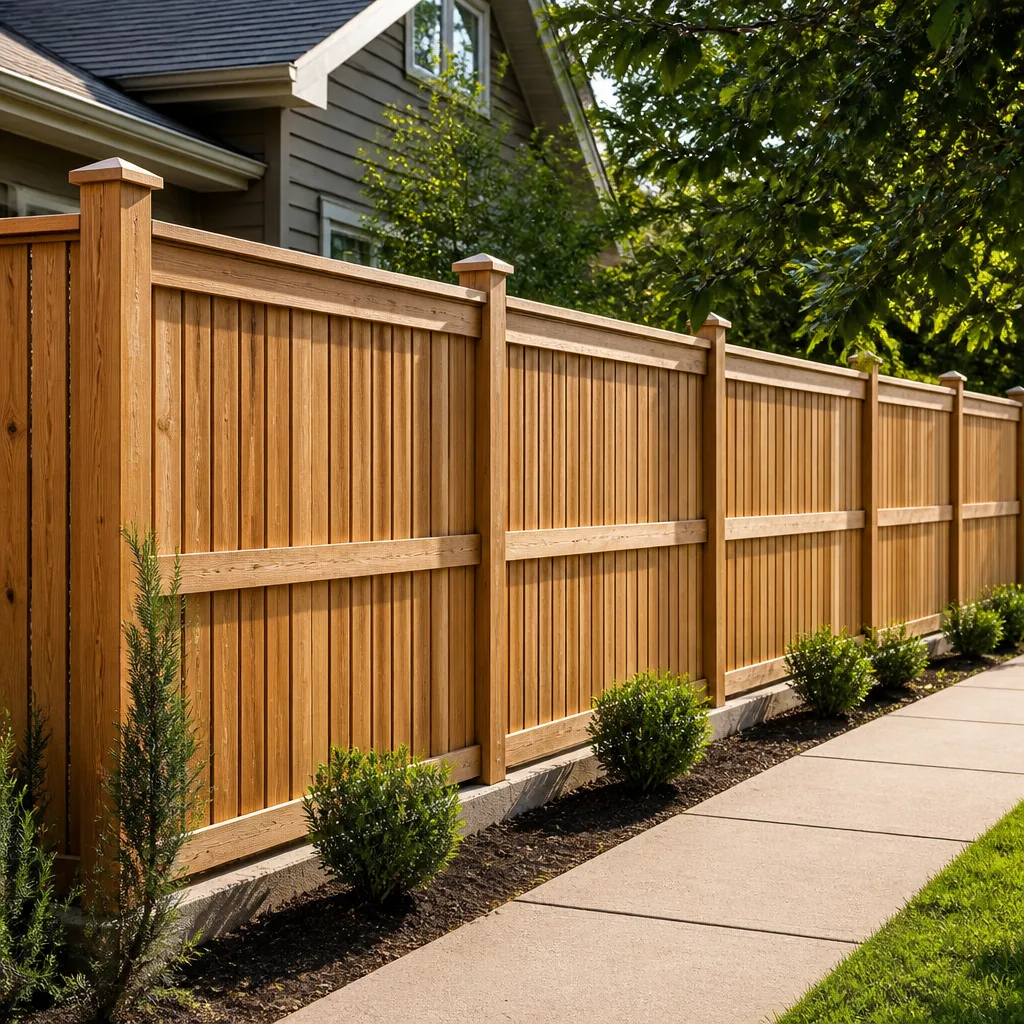
Styles & brands we work with
Signs Your Quikrete Home Additions & ADU Is Failing
- Diagonal cracks wider than 1/8 inch at slab corners. This usually means differential settling under the pad, not a Quikrete product failure. Ventura’s clay soil expands and contracts hard between wet winters and dry summers.
- Spalling or flaking on the top surface. Common on older slabs where water pooled and sat. In coastal Ventura air, salt and moisture accelerate this, and a flaking top layer won’t hold flooring.
- A door or window that jams seasonally. If the frames were set on a slab that shifted, sticking doors in summer are often the first practical clue. Measure the gap at the top corners with a level and watch it change over a season.
- Efflorescence or white powder across the surface. This happens when water wicks up through the Quikrete slab and evaporates. It’s treatable with a moisture barrier if caught before flooring goes down.
- Cracks that follow the edge of a trench or form line. That’s a cold joint where two pours didn’t bond. It needs to be sealed sooner than later, because water gets in and makes the problem wider every winter.
See the difference
 Before
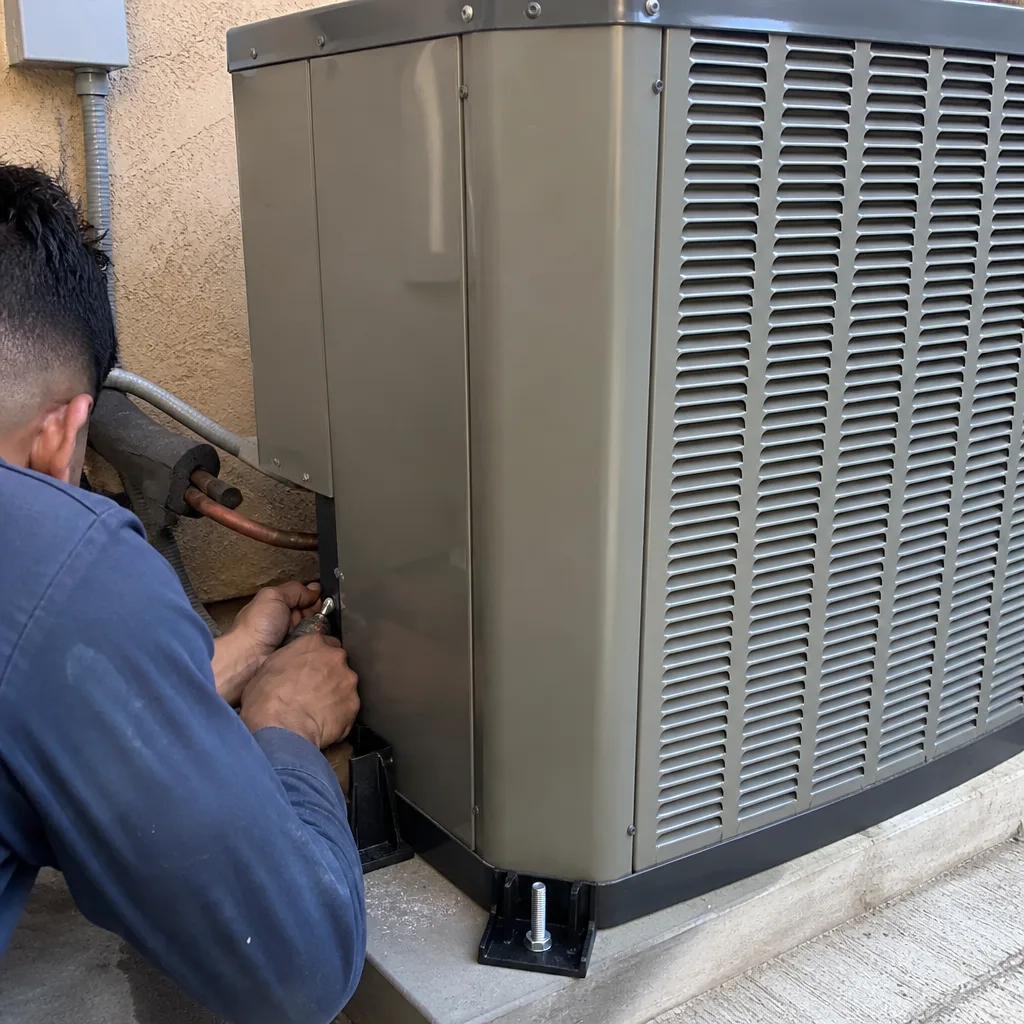 After
After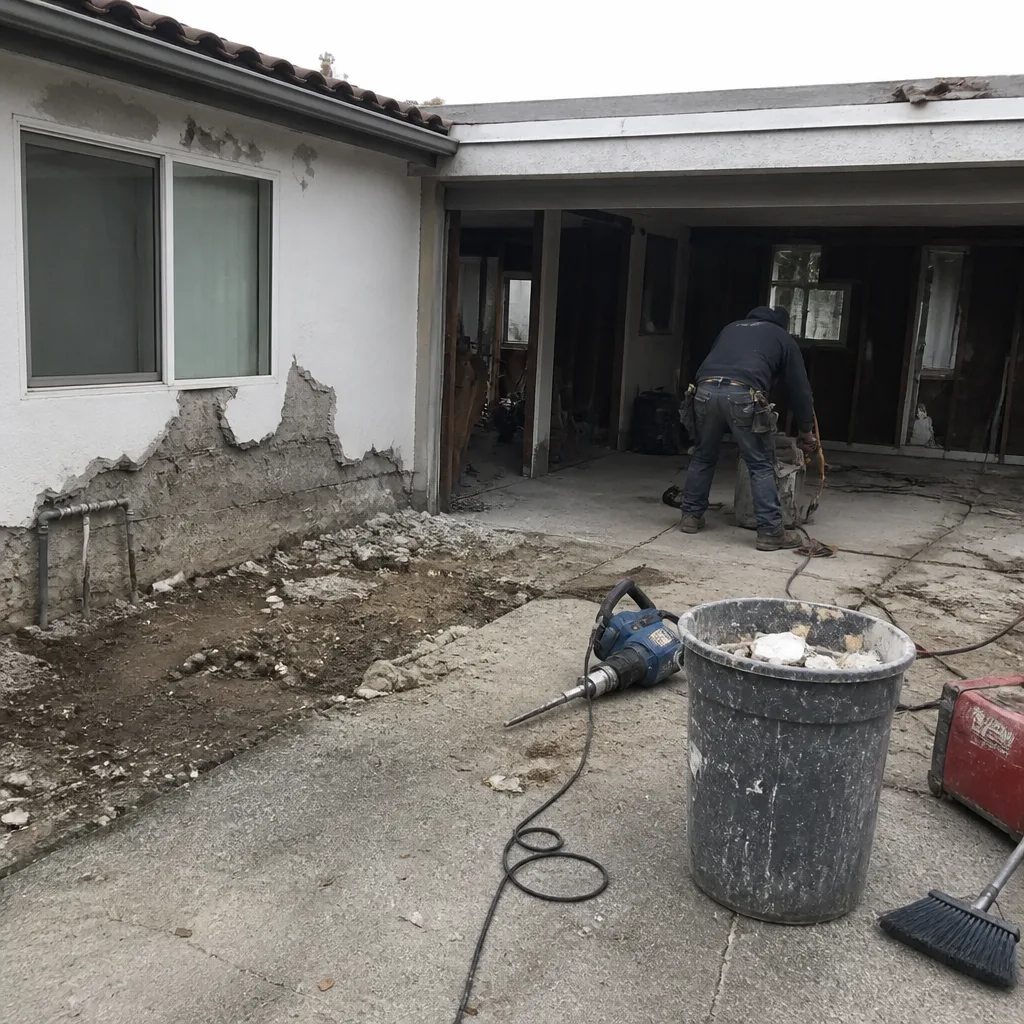 Before
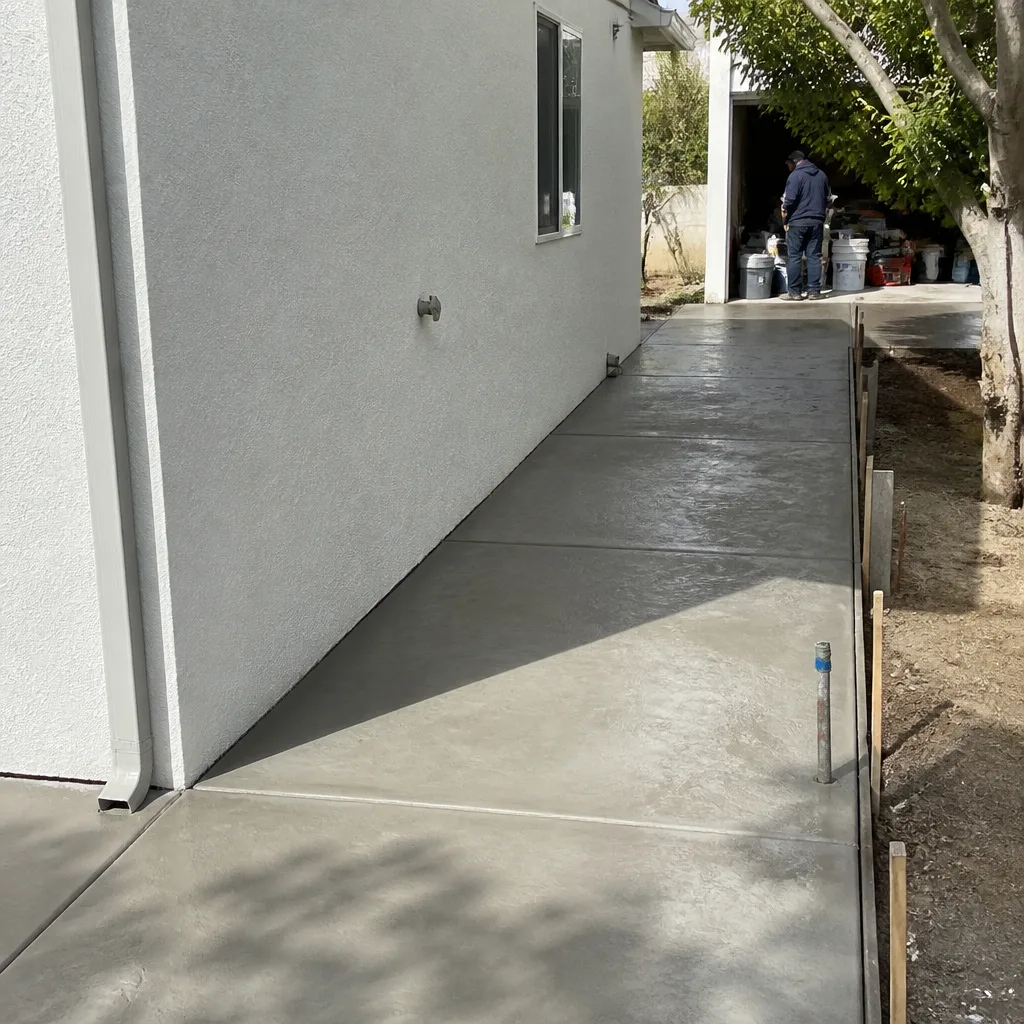 After
After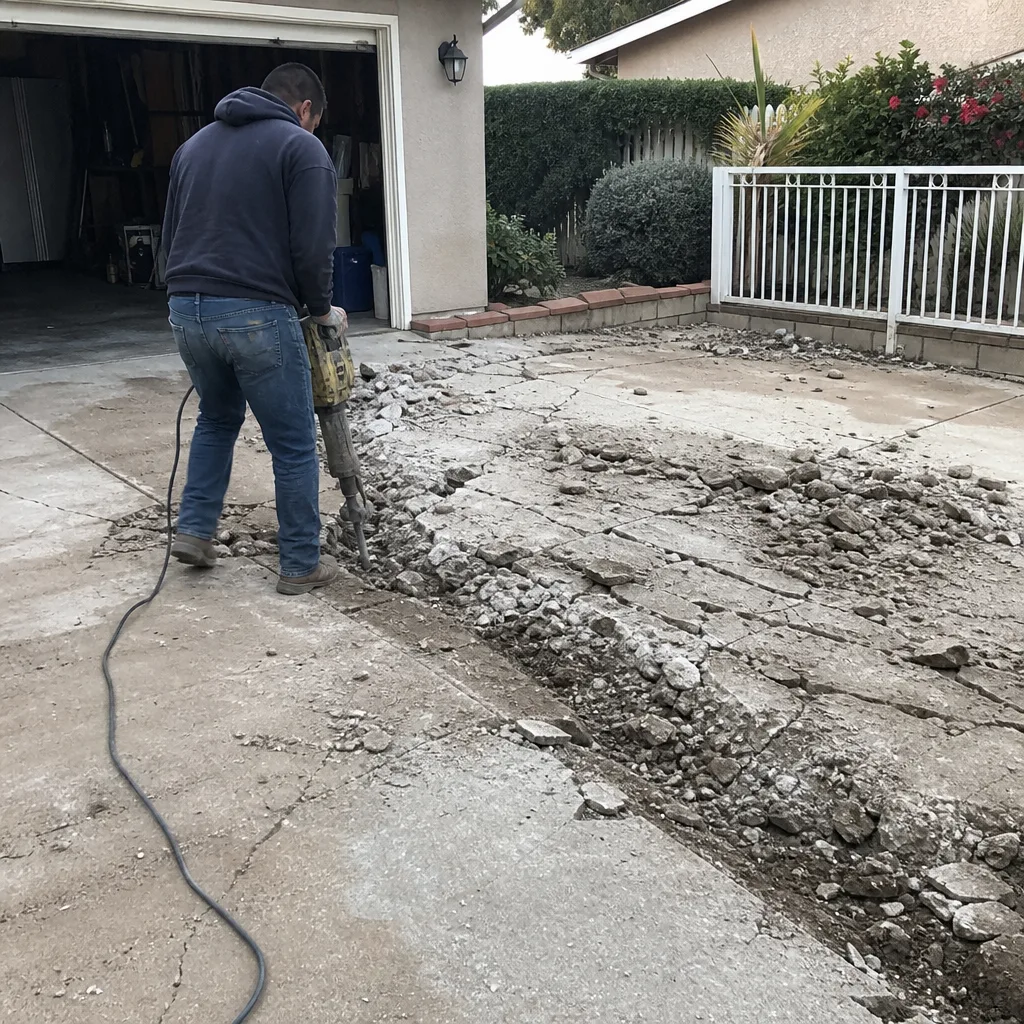 Before
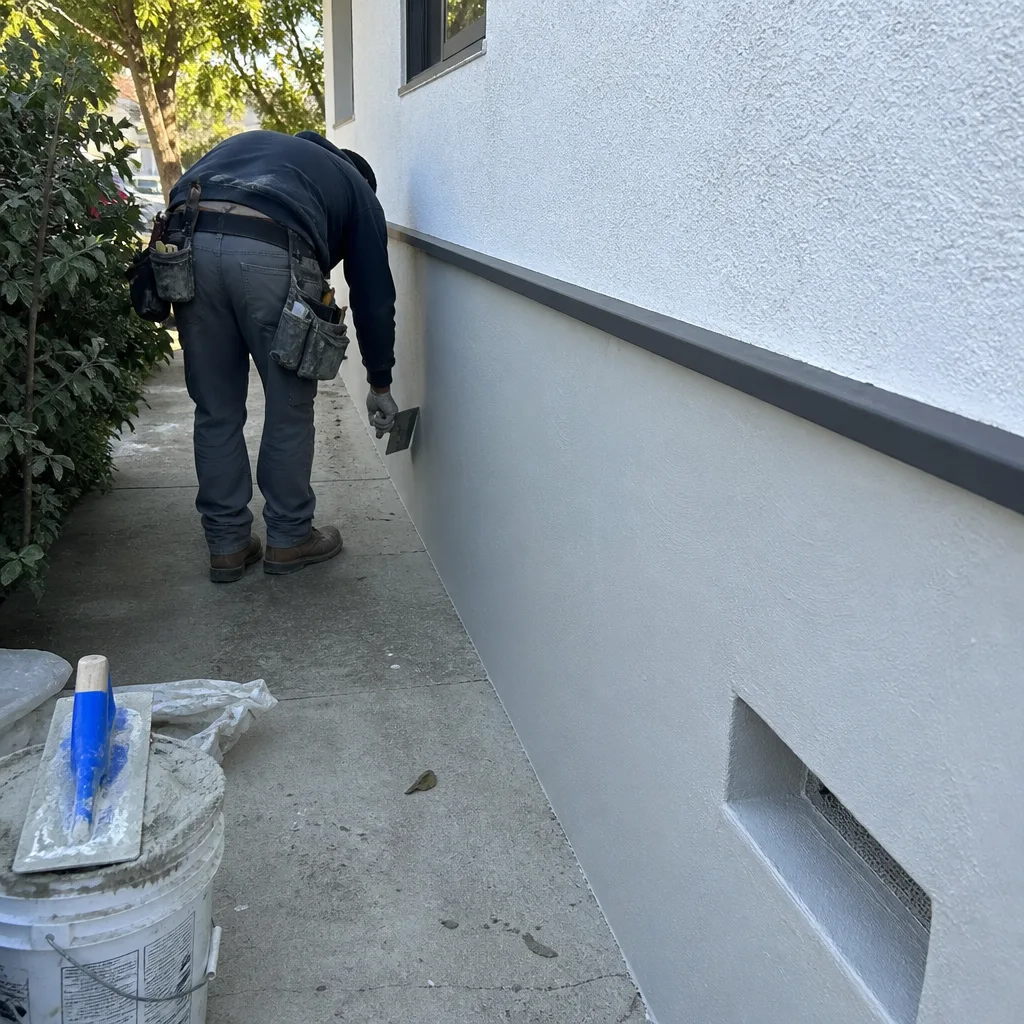 After
AfterReplacement Cost & What’s Included
In Ventura, a repair or replacement on an existing Quikrete slab typically falls in the $4,500 – $12,000 range when we’re correcting the slab itself. A full home addition running $45,000 – $130,000 or an ADU at $90,000 – $220,000 includes the Quikrete concrete work as part of a much larger scope: plans, permits, framing, finishes, and the slab itself. What drives the concrete-side cost is thickness (4 inches versus 6 inches), access for a pump truck, and whether we’re cutting out and re-pouring a section or doing a full pad. Every quote from us is a written price before any work starts, down to the materials, sequencing, and the final number. You won’t get an estimate that grows after the crew arrives. The work carries our 365-Day Done Right Promise: if it’s not done right after the job is complete, we make it right.
DIY or Call Us?
Mixing a bag of Quikrete to set a fence post is one thing. Pouring a footing for a 400-square-foot ADU is a different kind of job, and the risk isn’t just cosmetic. Concrete work on additions involves rebar placement, proper curing under Ventura’s coastal sun, and city inspections you won’t pass with a guess. What an owner can safely do: photograph the crack with a quarter for scale, check that gutters and downspouts are moving water away from the slab, and write down when the crack first appeared. What we’d rather you not do: attempt to patch a structural crack with a caulk gun and hope the inspector doesn’t look twice. If you’re looking at a crack that’s moving seasonally, call us at (341) 218-4316 and we’ll tell you honestly if it’s a cosmetic fix or something structural. Put it in writing before the first board moves – that’s how we work here in Ventura.
FAQs
A properly poured and cured Quikrete pad in Ventura should run 30 to 50 years before needing major work, provided the soil beneath it was compacted correctly and water is routed away from the edges. Coastal air and clay-soil movement are the two things that shorten that window here, which is why we spec crack-resistant mixes and proper drainage on every addition we pour.
It depends on whether the crack is cosmetic or structural. Hairline cracks under 1/8 inch with no vertical displacement can usually be sealed and monitored. A crack that’s wider at the top than the bottom, or one where one side sits proud of the other, usually means the soil moved and the fix is more significant. Call (341) 218-4316 for an exact diagnosis – estimates are free.
For a standard garage-slab or addition-pad replacement in Ventura, figure on 5 – 7 working days: saw-cutting and removal, soil prep and compaction, form setting and rebar, the pour, and a cure period before any framing load goes on it. Weather and inspection scheduling can shift that, and we’ll tell you the sequencing in writing before we start.
We carry 5000 PSI and crack-resistant Quikrete mixes as standard on our Ventura trucks, along with the admixtures we use for coastal pours. If a job needs a different spec, we order it in advance and show you the delivery ticket. We don’t substitute a weaker mix to save a trip – the slab spec is the slab spec.
Call (341) 218-4316 and a live person answers. Tell us what you’re seeing on the slab or what you’re planning for the addition, and we’ll give you a written price before any work starts – no voicemail maze, no callbacks three days later.
Written by Graham Stein, Owner, Elmstead Remodeling Ventura at Elmstead Remodeling Ventura, serving Ventura and nearby areas.