Free written scope consultation - allowances, timeline, and change-order rules on paper before a single trade is scheduled
Tuff Shed Driveway & Pavers: The Ventura Owner’s Guide
If your Tuff Shed sits on a driveway or paver foundation that’s cracked, sinking, or shifting, we stock Tuff Shed-compatible paver and driveway materials and install them across Ventura for $7,000 – $18,000 depending on the footprint, access, and the condition of the ground under the old surface. Most Ventura owners discover the problem the hard way: the shed doors start binding mid-swing, or a corner of the floor feels soft after a heavy rain, and when we lift the bottom plate we find the pavers underneath have settled unevenly into the soil. That settlement is almost never the shed’s fault. The ground underneath it moved, and the pavers just followed.
Here’s what to know before you touch anything: a Tuff Shed isn’t a weightless box. A standard 10×12 model can press several thousand pounds onto its footprint, and Ventura’s clay-heavy soil expands when wet and contracts when dry. That cycle is what breaks pavers apart. We see it most often in the hills above Midtown and out toward Saticoy, where the soil runs tighter and holds water longer. The repair isn’t about replacing a few bricks. It’s about stabilizing the base so the next set doesn’t fail the same way in three years.
We’re an independent Ventura remodeling contractor, not affiliated with Tuff Shed, but we work with their sheds regularly because the foundation issues are predictable and we’ve learned how to fix them correctly the first time. The written price you get from us before any work starts covers the tear-out, the base work, the materials, the install, and the cleanup, so you’re never guessing mid-job what the final number will be.
Which Tuff Shed Models This Applies To
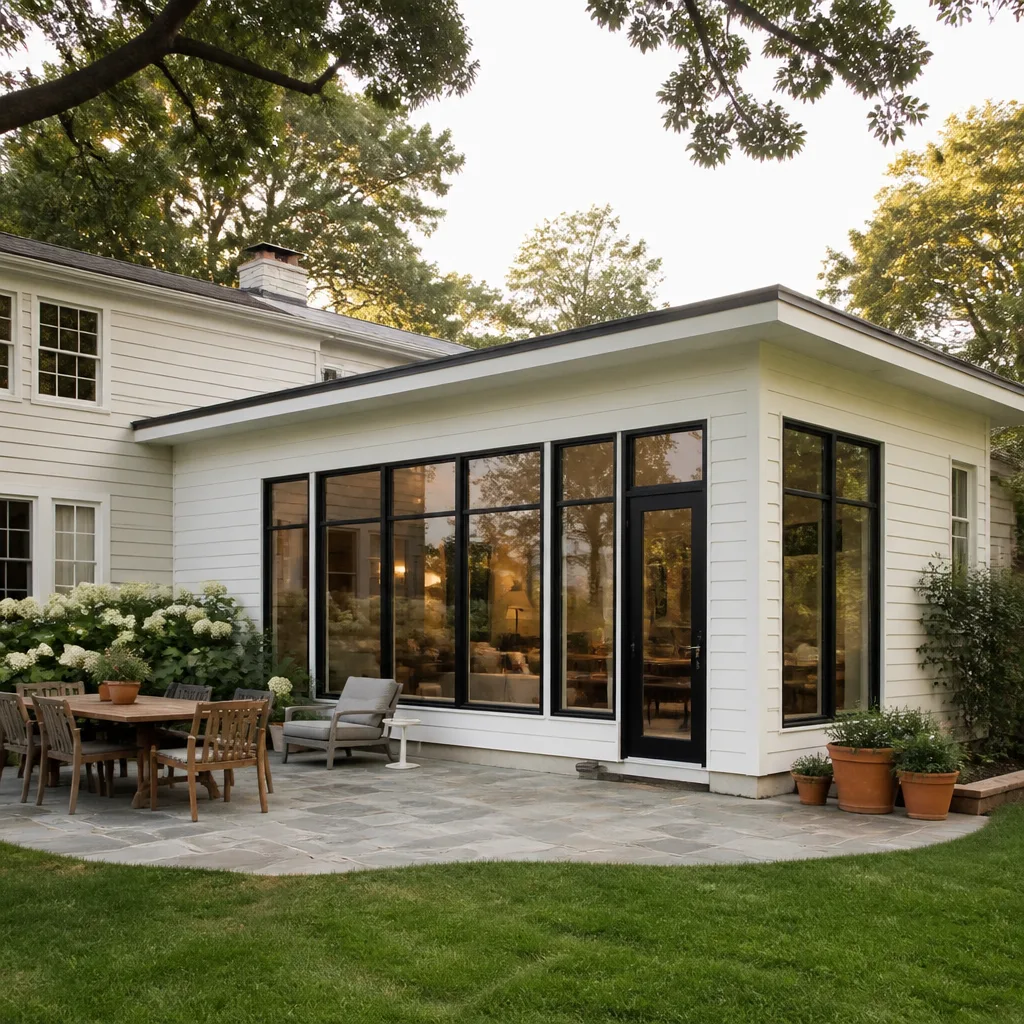
All Tuff Shed structures eventually live and die by what’s under them. We commonly work on the Premier PRO series, the Premier Ranch, the Sundance series, and the newer Pro Series tall-wall models, all of which are heavy enough that a failing paver base will betray itself within a few seasons in Ventura’s soil. The compatibility question for your shed isn’t about a model number stamped on the wall. It’s about the shed’s footprint, the pier spacing if it was set on blocks, and the weight per square foot your floor carries.
Getting the right paver spec matters more than most owners think. Tuff Shed floor runners are typically spaced about 12 inches on center, and the pavers beneath need to support the concentrated load at each runner without cracking under the point pressure. Thin 1.5-inch pedestrian pavers are the most common mistake we see from previous installs; they look fine on day one and begin spalling around the edges by the second wet season. For a Tuff Shed in Ventura, we want pavers at least 2.25 inches thick, ideally concrete interlocking units rated for light vehicular loads if the shed sits anywhere near a parking area. That single spec change eliminates most of the failures we’re called to replace.
When it comes to OEM versus aftermarket, the honest answer is that Tuff Shed doesn’t manufacture pavers. The company builds the shed. The base is purchased separately, which means you’re already in the aftermarket world whether or not you realized it. What matters is the material spec, not a brand stamp. We use interlocking concrete pavers from manufacturers whose warranties are independent and verifiable, and we’re happy to write the exact product name and SKU into your scope before the first paver is pulled.
Styles & brands we work with
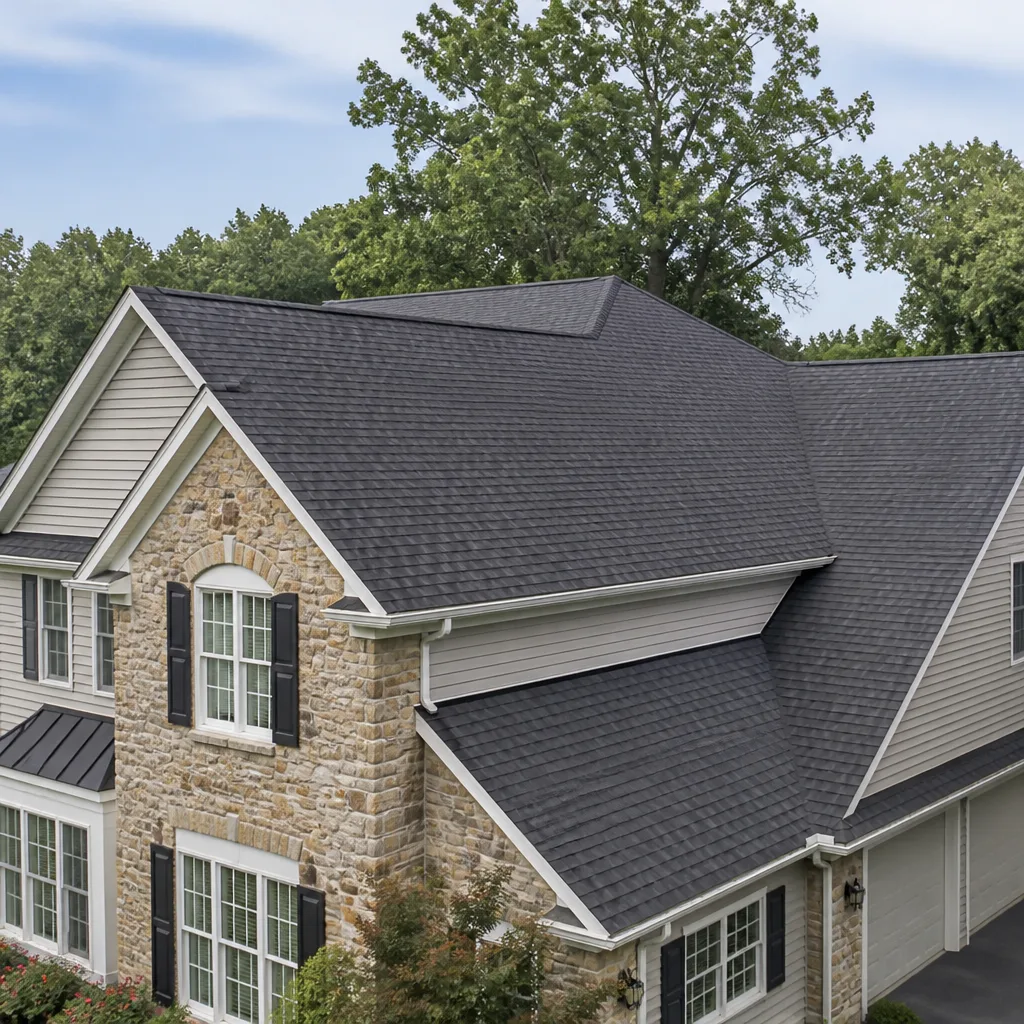
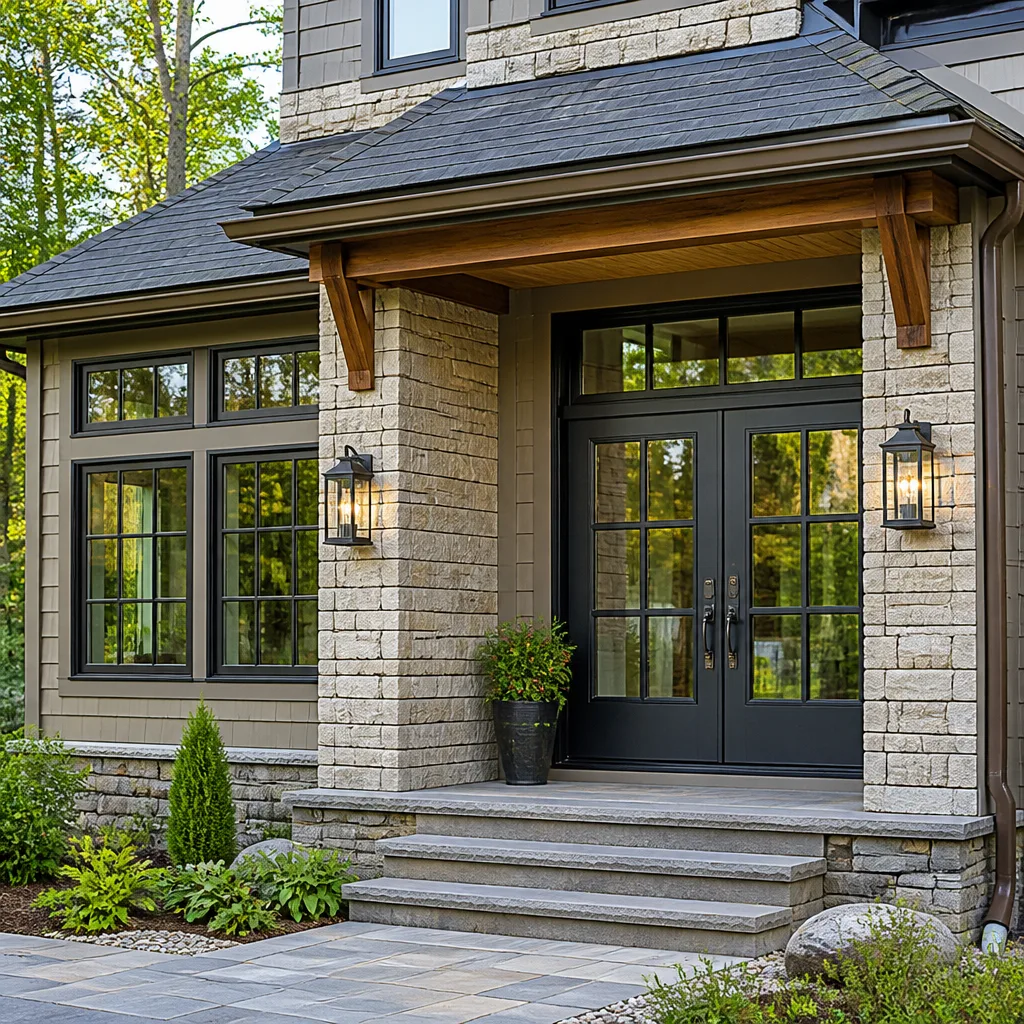
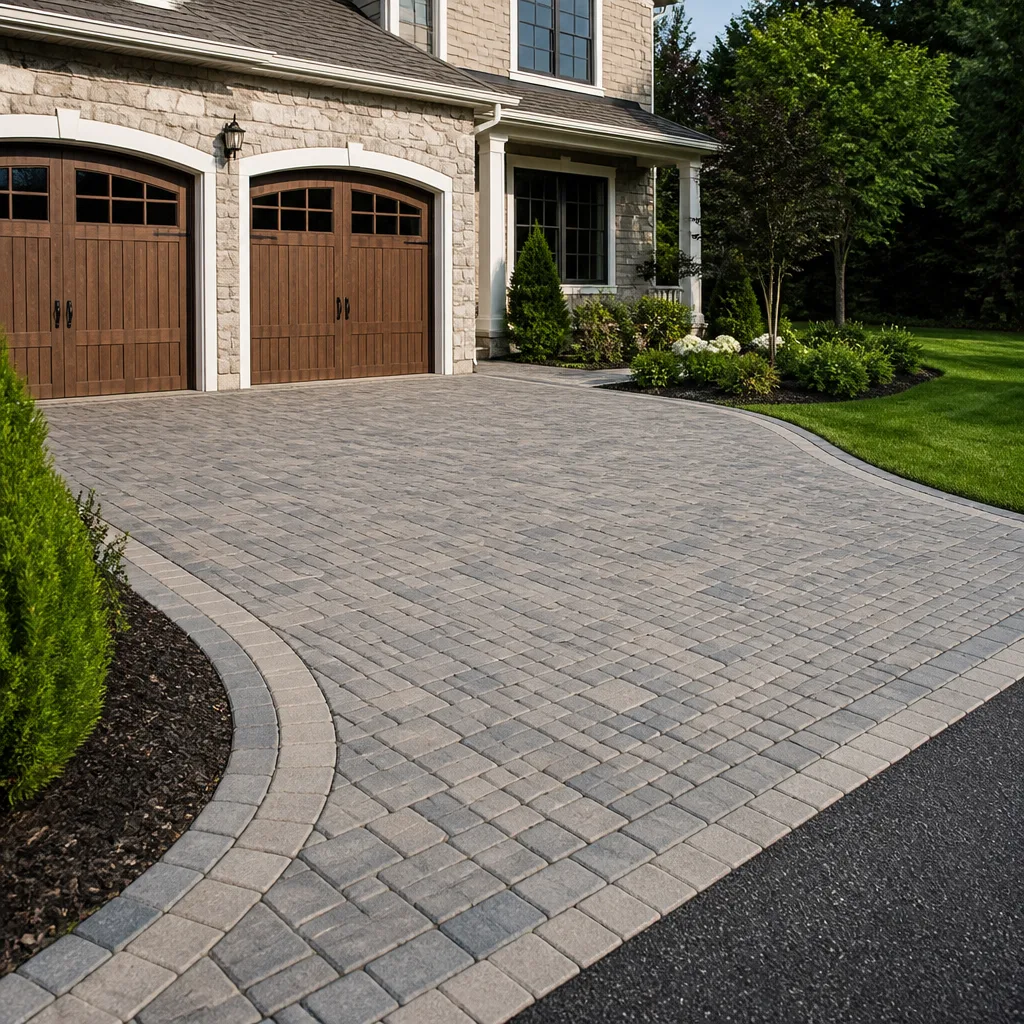
Signs Your Tuff Shed Driveway & Pavers Is Failing
- The shed doors don’t close square anymore. When the corner of the shed settles even half an inch, the door frame torques and the latch misses. The shed itself hasn’t warped – the base under one corner has dropped. If you have to lift the door to latch it, start looking at the pavers underneath.
- Visible cracks spider across the pavers in front of the door. This is the highest-traffic, highest-load point on the base. Cracks here usually mean the pavers are thinner than they should be, the sand base has washed out, or both. In Ventura’s wet winters, water gets into those cracks and accelerates the failure.
- One corner of the shed floor feels spongy when you step on it. The floor runner underneath no longer has solid contact with the ground. Moisture from the bare soil underneath wicks up into the floor system, and the whole assembly begins to flex. Left alone, the next symptom is mold on the shed’s interior floor sheathing.
- Weeds or grass pushing up between pavers. Plant roots mean the joint sand has failed and the pavers have shifted enough to let soil accumulate. In a Ventura spring, this happens quickly. Weeds aren’t just cosmetic; they’re evidence that the base fill has begun to migrate.
- Water pools against the low side of the shed after rain. The paver field has lost its slope, or it never had one. When water sits against a Tuff Shed’s bottom plate, it climbs into the wood framing and shortens the structure’s life dramatically. The pavers need both re-leveling and re-grading.
See the difference
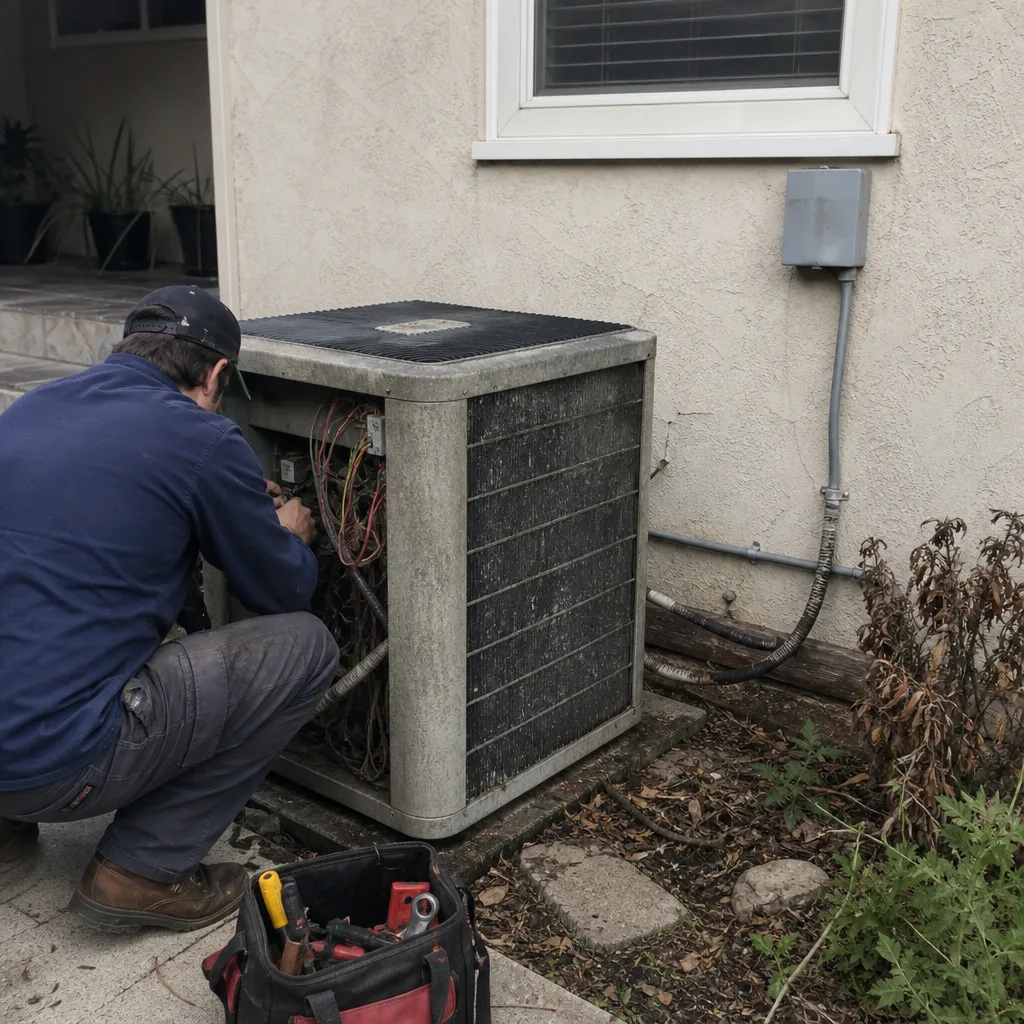 Before
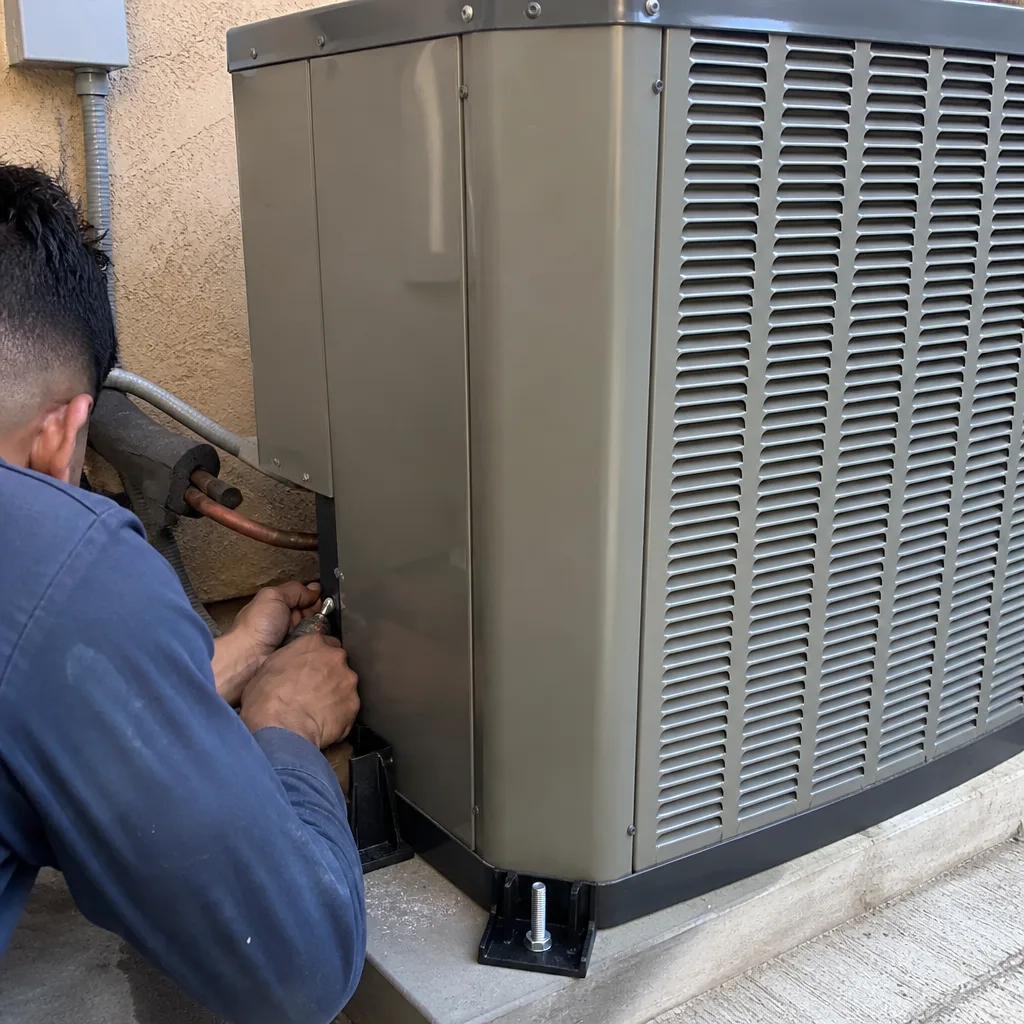 After
After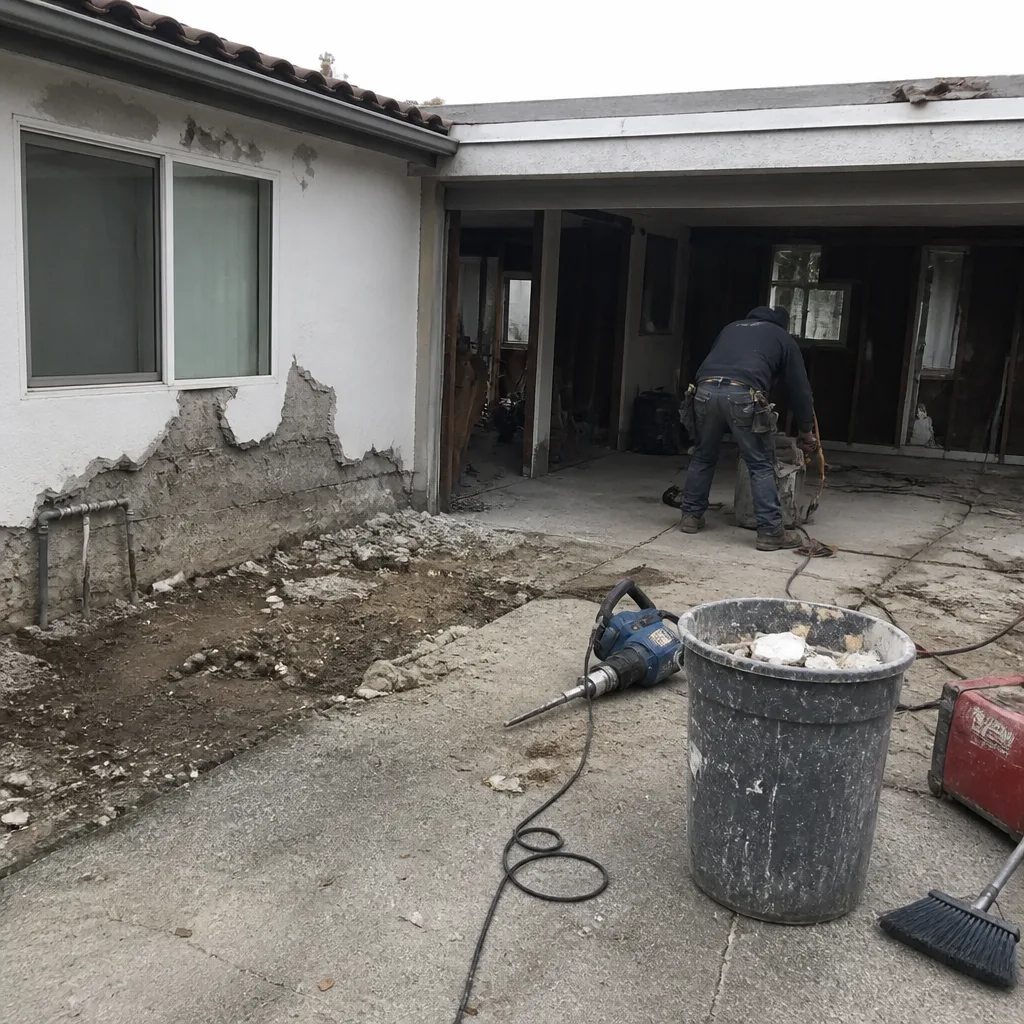 Before
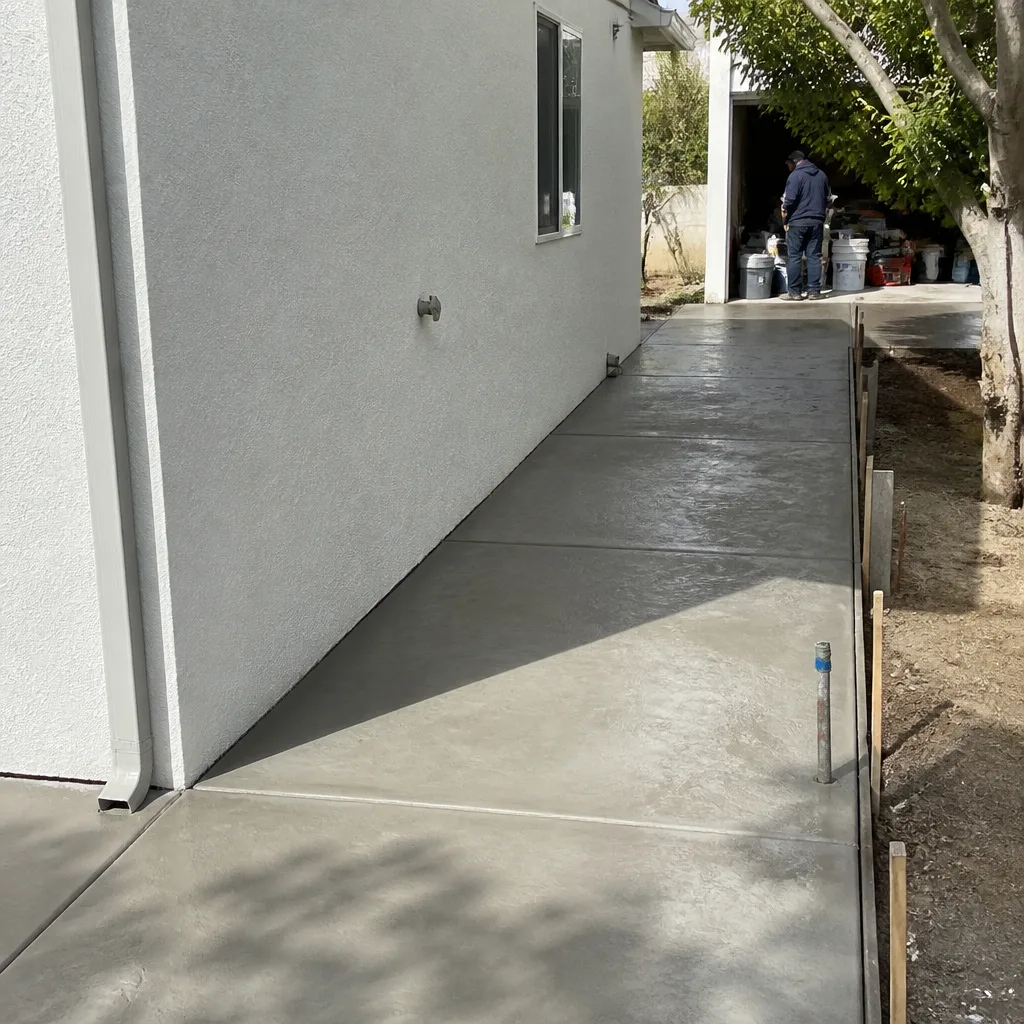 After
After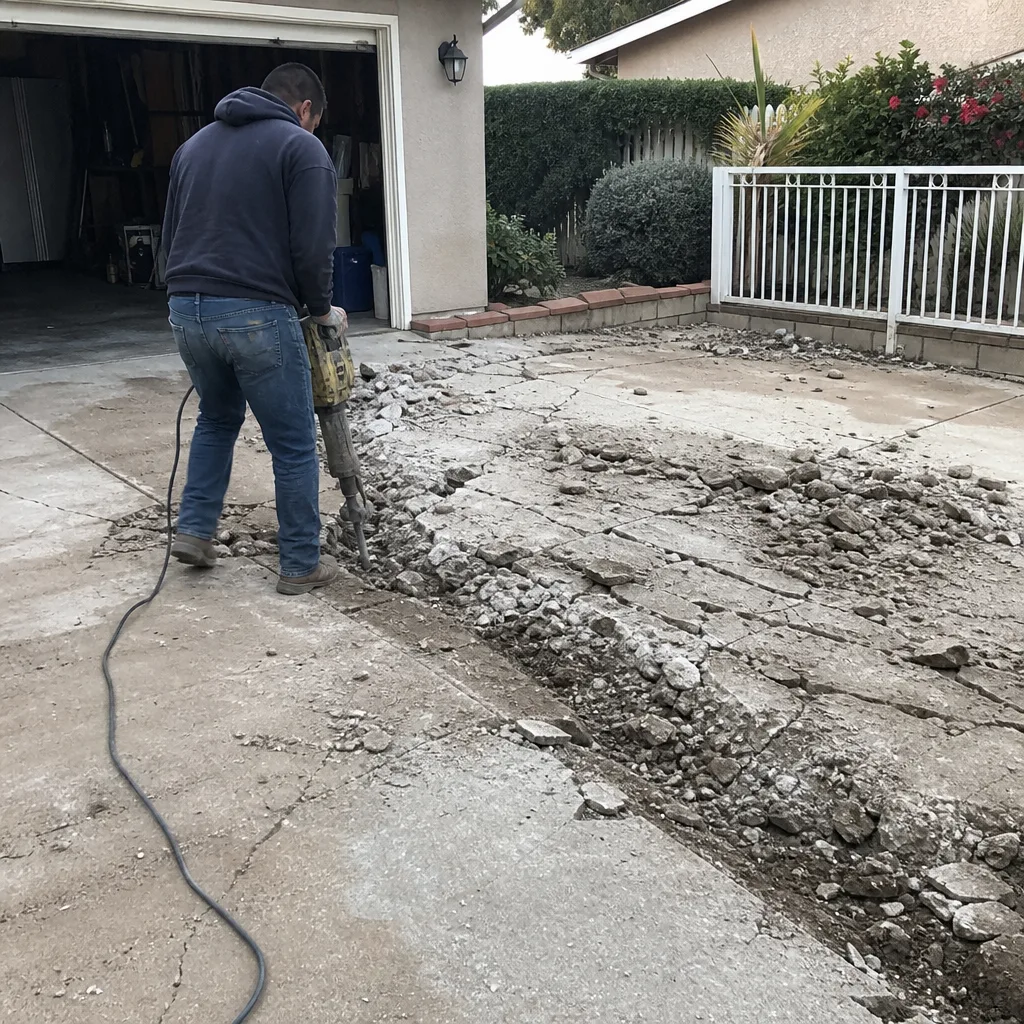 Before
 After
AfterReplacement Cost & What’s Included
For a Tuff Shed paver base in Ventura, installed pricing runs $7,000 to $18,000, with most single-shed jobs falling between $8,500 and $13,000 depending on the paver area, how much base fill needs to be removed, and whether the shed has to be temporarily supported while we work beneath it. If the pavers extend into a driveway apron, the driveway replacement range of $5,000 to $14,000 may apply to that portion of the work. Our written quote always separates the line items so you can see what’s material, what’s labor, what’s haul-away, and what’s contingency for the surprises soil always holds.
Every job includes removal of the failed pavers and old base material, re-compaction of the subgrade, installation of new aggregate base at the correct depth, screeding and laying the new pavers, re-setting the shed’s floor system on the new surface, and a photo of the finished cleanup before the crew rolls out. The work carries the 365-Day Done Right Promise: if something isn’t done right, we make it right. That’s written, not implied.
DIY or Call Us?
A Tuff Shed driveway or paver base isn’t a high-tension part like a garage door spring, and giving it a look yourself won’t hurt you. What we tell owners they can safely do: check the corners with a simple 4-foot level, note where water stands after rain, and snap photos of the cracks you see. What we warn against is lifting the shed with a borrowed bottle jack and stacking shims under the low corner. The shed is heavy, the jack point is rarely where homeowners think it is, and the structure can twist faster than a person expects. We’ve repaired multiple floors where a skew-angled DIY lift cracked the wall framing and turned a paver job into a structural one in an afternoon.
If you’re comfortable mapping the problem, that’s genuinely useful. If you’re not comfortable making the ground underneath it level and stable for the next decade, that’s what we do. Call Graham and the crew at (341) 218-4316 and we’ll have a look, write the number down, and leave you with a plan you can actually read.
FAQs
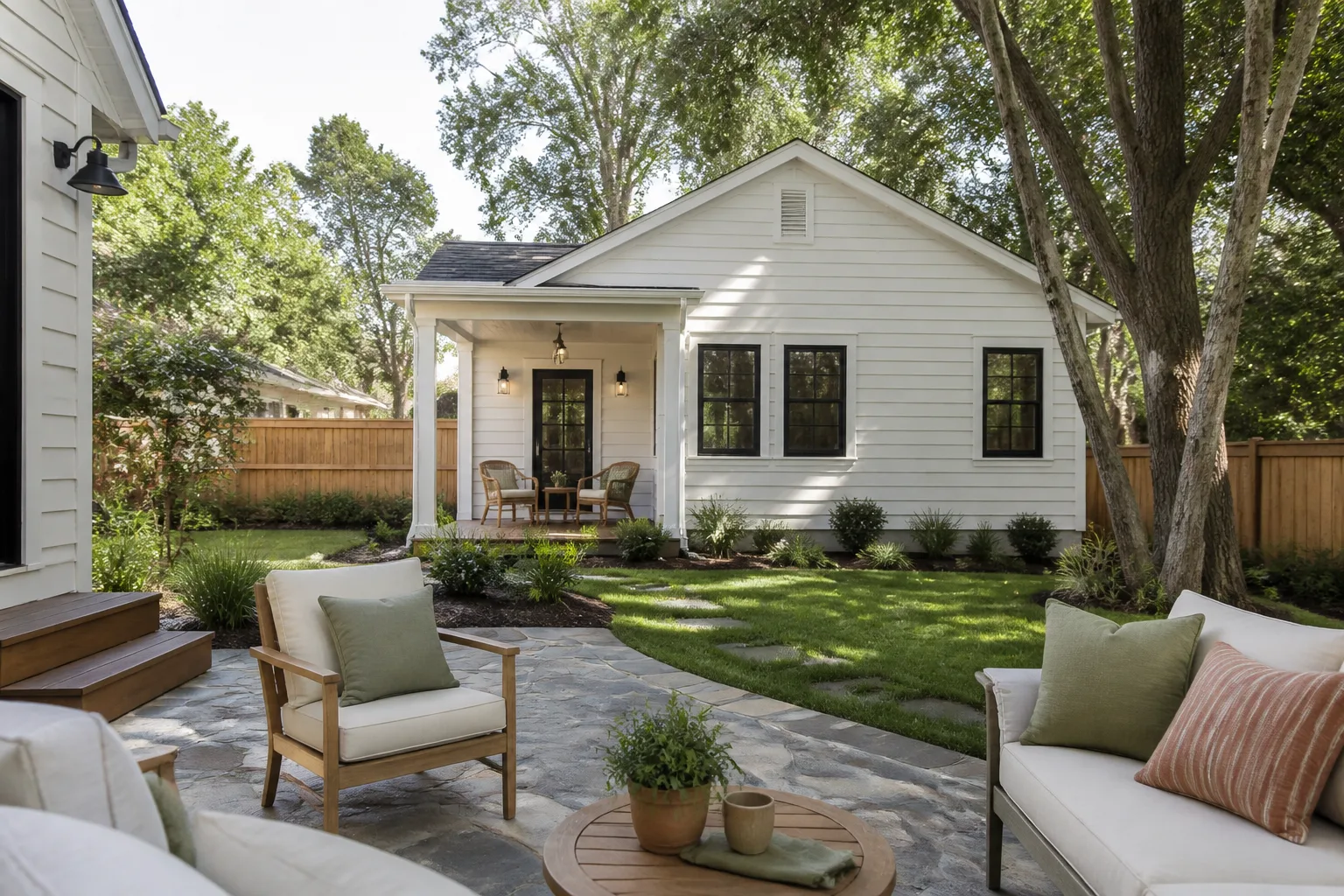
A properly installed concrete paver base under a Tuff Shed in Ventura should last 20 to 30 years before the base itself needs attention, though the joint sand needs re-application every few years as wind and rain strip it away. Pavers that fail within five years usually failed because the base was too shallow or the pavers were too thin, not because the pavers wore out. Call (341) 218-4316 for a free look at what you’ve got and an honest answer about its remaining life.
Isolated repairs work when the failure is confined to a small corner and the rest of the base is still compacted and shedding water properly. When cracks and settlement run across multiple pavers or the water slope is gone, patching just the visible damage usually means doing the job twice. We’ll tell you which situation you’re in, and the written quote reflects only the pavers that need to move.
Most single-shed paver replacements in Ventura take three to five working days from tear-out to walking away, depending on weather and how much base fill has to be excavated. If the shed has to be supported while we work underneath, add a day. You’ll know the schedule before the first drop cloth goes down, and we keep quiet hours during the times you tell us the kids are sleeping.
We stock the common 2.25-inch and thicker interlocking concrete pavers on our Ventura trucks in the standard colors and patterns, so many sheds can be re-based within the same week. For custom paver colors or permeable paver systems, expect a one-to-two-week order window from the manufacturer. Alongside the paver lines, we also carry parts for KraftMaid, Cambria, and Silestone on our remodeling projects, but for Tuff Shed bases, the pavers come first and they’re what we keep ready.
Yes. Every completed project, including Tuff Shed paver and driveway bases, carries the 365-Day Done Right Promise. If something isn’t done right after the job is complete, we make it right. Graham’s rule on paper hasn’t changed in all his years in Ventura: put it in writing before the first board moves. The number includes everything, and the promise holds.
Written by Graham Stein, Owner, Elmstead Remodeling Ventura at Elmstead Remodeling Ventura, serving Ventura and nearby areas.