


Free written scope consultation - allowances, timeline, and change-order rules on paper before a single trade is scheduled
Unilock Fence Installation: The Ventura Owner’s Guide
Elmstead Remodeling Ventura installs Unilock fence systems across Ventura for $3,500 – $9,000, with most residential jobs landing between $4,200 and $6,800 depending on linear footage, gate hardware, and site prep. We stock Unilock-compatible post caps, base courses, and gate hardware on the truck, which keeps most installations to a single visit. The way most Ventura homeowners discover they need this work is simple: a fence section starts leaning after the winter rains soften the soil in the Midtown and Eastside neighborhoods, or a gate that used to swing clean starts dragging across the walkway.
What makes Unilock fence systems different from generic vinyl or wood fencing is the way the components lock together as a system rather than relying on individual fasteners. When one piece fails, it’s usually a symptom of something underneath shifting, not just a broken board. We walk every Ventura job the same way Graham Stein learned to do it at Los Angeles Trade-Technical College: find what moved first, then fix the cause before the visible part.
Which Unilock Models This Applies To
Unilock’s fence and post systems are built around a modular base-and-post design that shares component geometry across their Estate, Brussels, and Stonecrest lineups, but there is one compatibility gotcha that matters: the post-to-base locking depth varies by series, so a Brussels base course will not seat a Stonecrest pillar without shimming, and shimming is exactly how a fence starts leaning again a year later. We match parts by the series stamp on the underside of the base course or the inside face of the gate post. If the stamp is worn off, we measure the locking channel depth and compare it against the Unilock series specs before we order anything. That step has kept more than one Ventura job from shipping the wrong piece.
On the OEM versus aftermarket question for Unilock specifically: we install OEM Unilock posts and base courses whenever the series is still in production, because the locking geometry is the whole point of the system. Aftermarket post caps and gate hinges from brands like Ozco and Simpson are just as durable and often easier to source quickly, so we use them for hardware where the manufacturer’s own warranty does not extend to coastal corrosion anyway. The salt air off the Ventura coastline is harder on gate hardware than the fence itself, which is why we recommend stainless or powder-coated hardware on any job within a mile of the water.
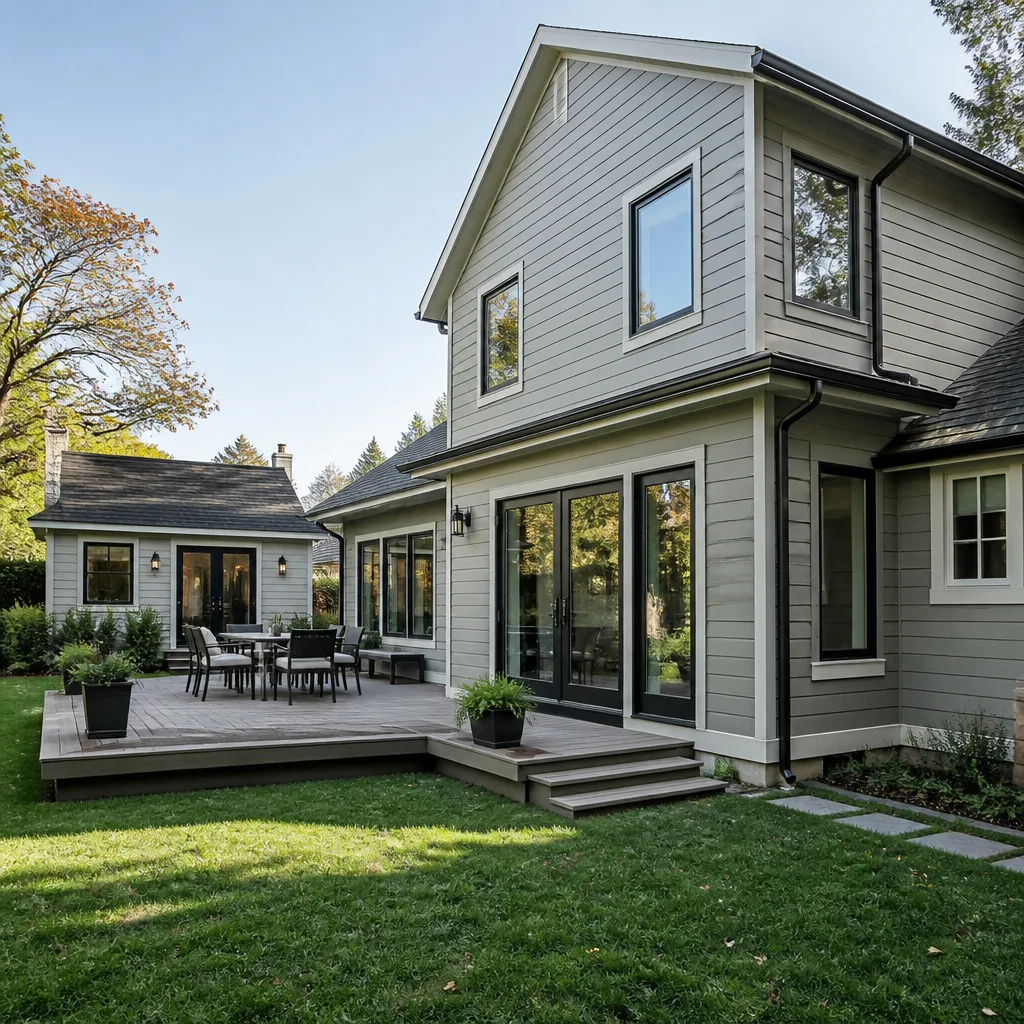
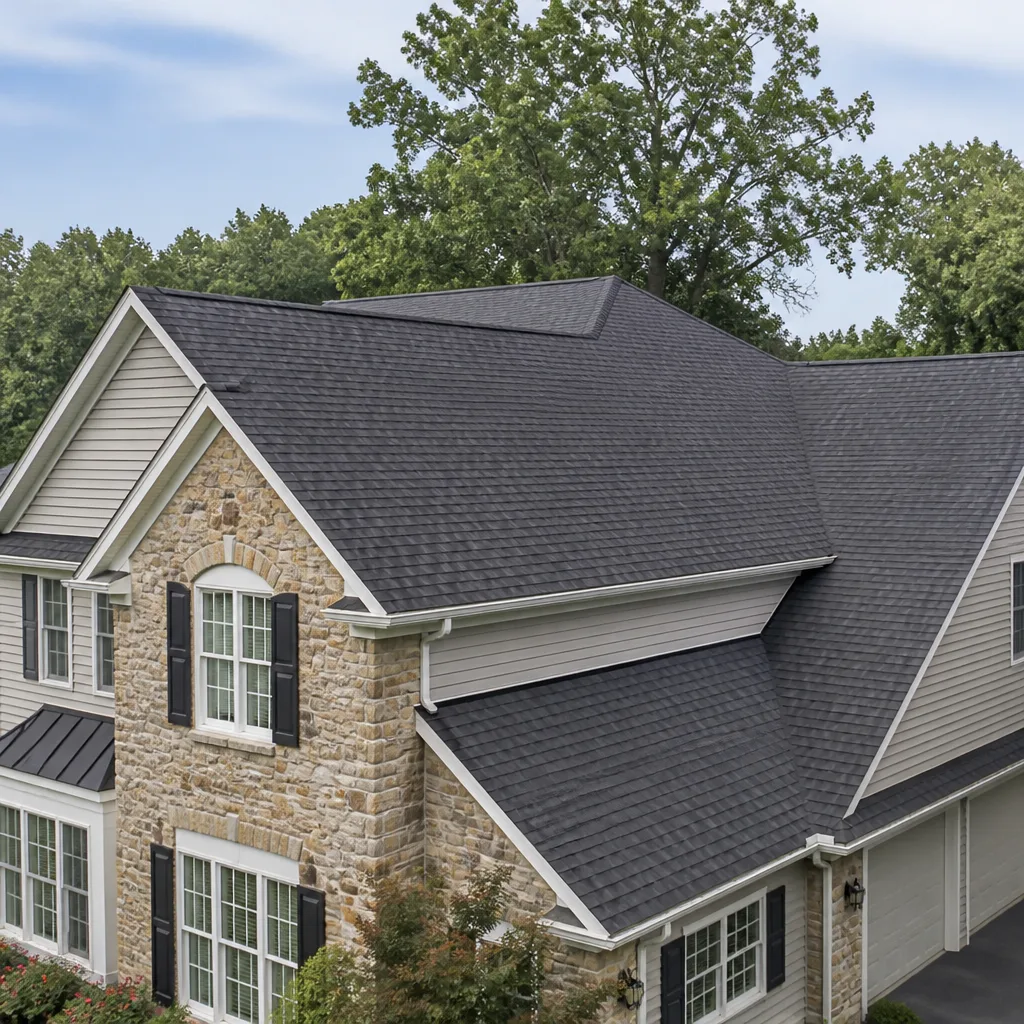
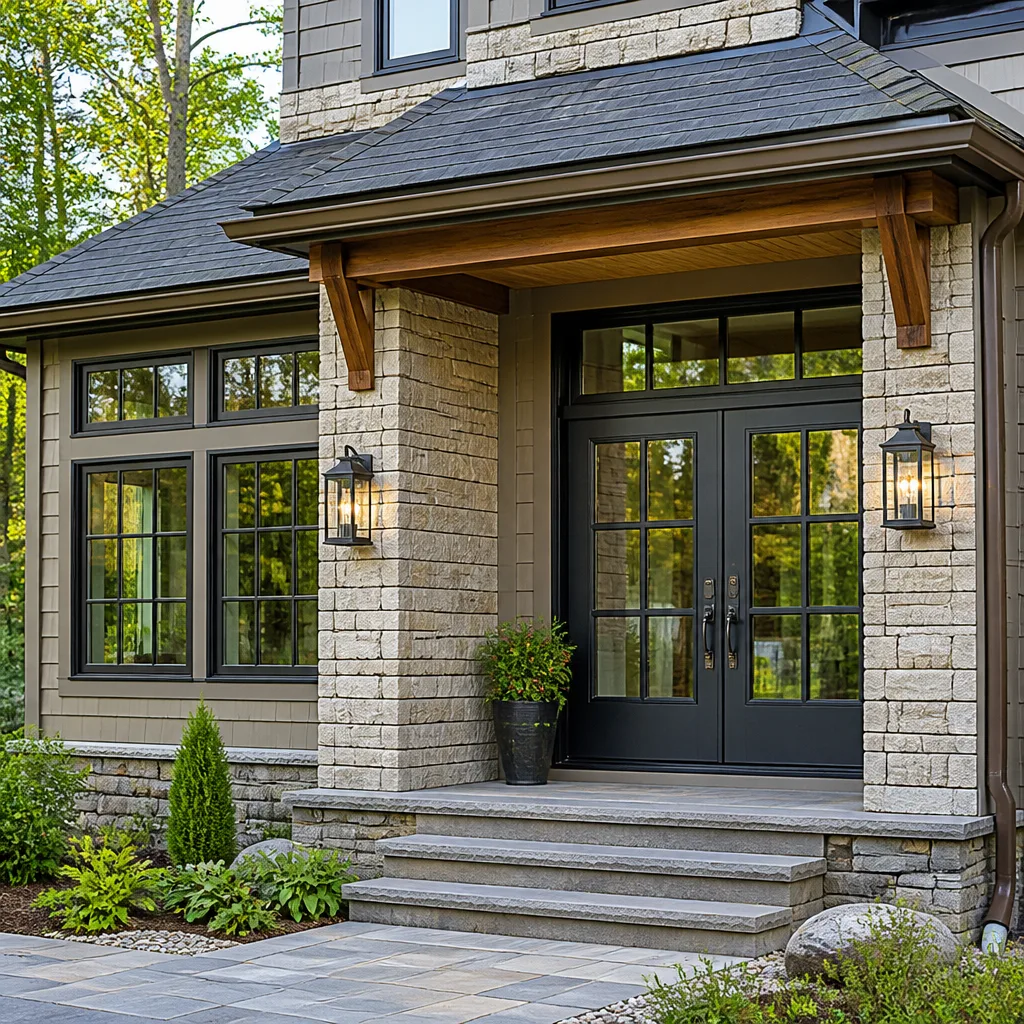
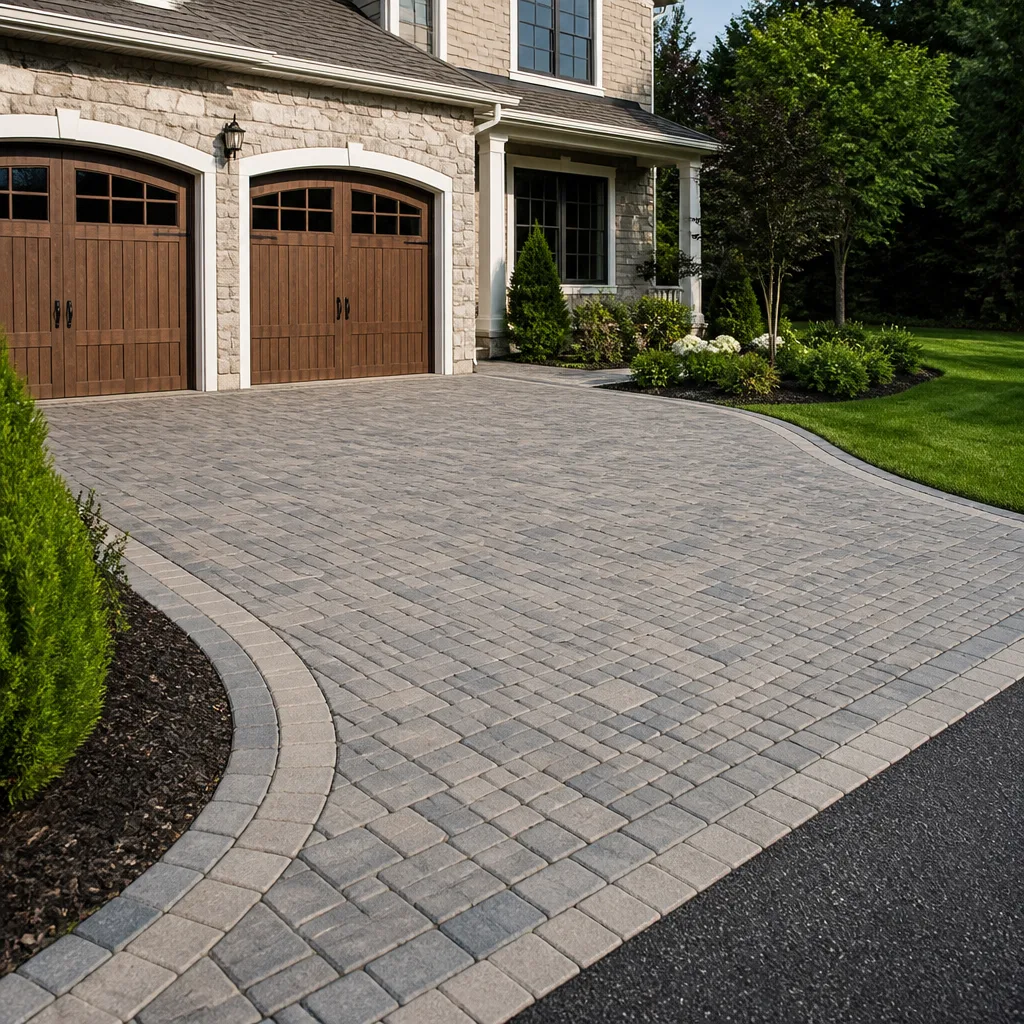
Styles & brands we work with
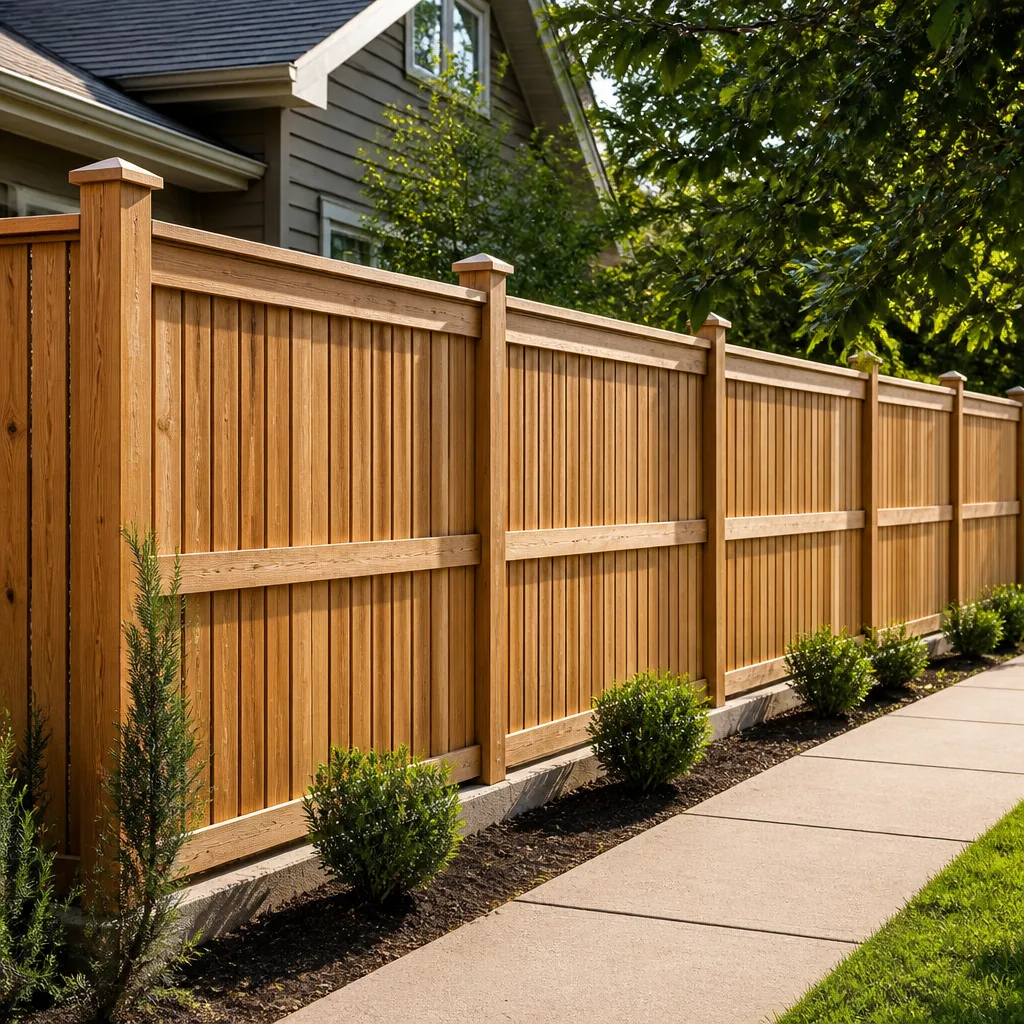
Signs Your Unilock Fence Installation Is Failing
- Posts leaning past the plumb line: The base course settled unevenly, usually because the substrate below it wasn’t compacted in lifts when the original fence went in. Ventura’s clay-heavy soil expands and contracts through the wet-dry season, which pushes shallow-set posts out of alignment within a few seasons.
- Gaps opening between the lock blocks: The interlocking tabs have worn or cracked. This happens when the fence sections carry wind load they weren’t sized for, a common issue on properties near the Ventura foothills where gusts funnel through the canyons.
- Gate dragging or catching at the latch: Usually the gate post has rotated, not the hinge. The post base is no longer seated, and every swing is grinding the locking channel wider. Forcing the gate open accelerates the damage.
- Base course cracking at the front corners: Water pools at the base in low spots of the yard, and repeated freeze-thaw cycles, rare as they are in Ventura, still do damage. More often it is standing irrigation water from sprinkler heads placed too close to the fence line.
- Fence sections that rattle when a truck rolls past: The sections have lost contact with the base course. The fence isn’t about to fall over, but every vibration is wearing the lock tabs flatter, and the repair gets more involved the longer it goes.
See the difference
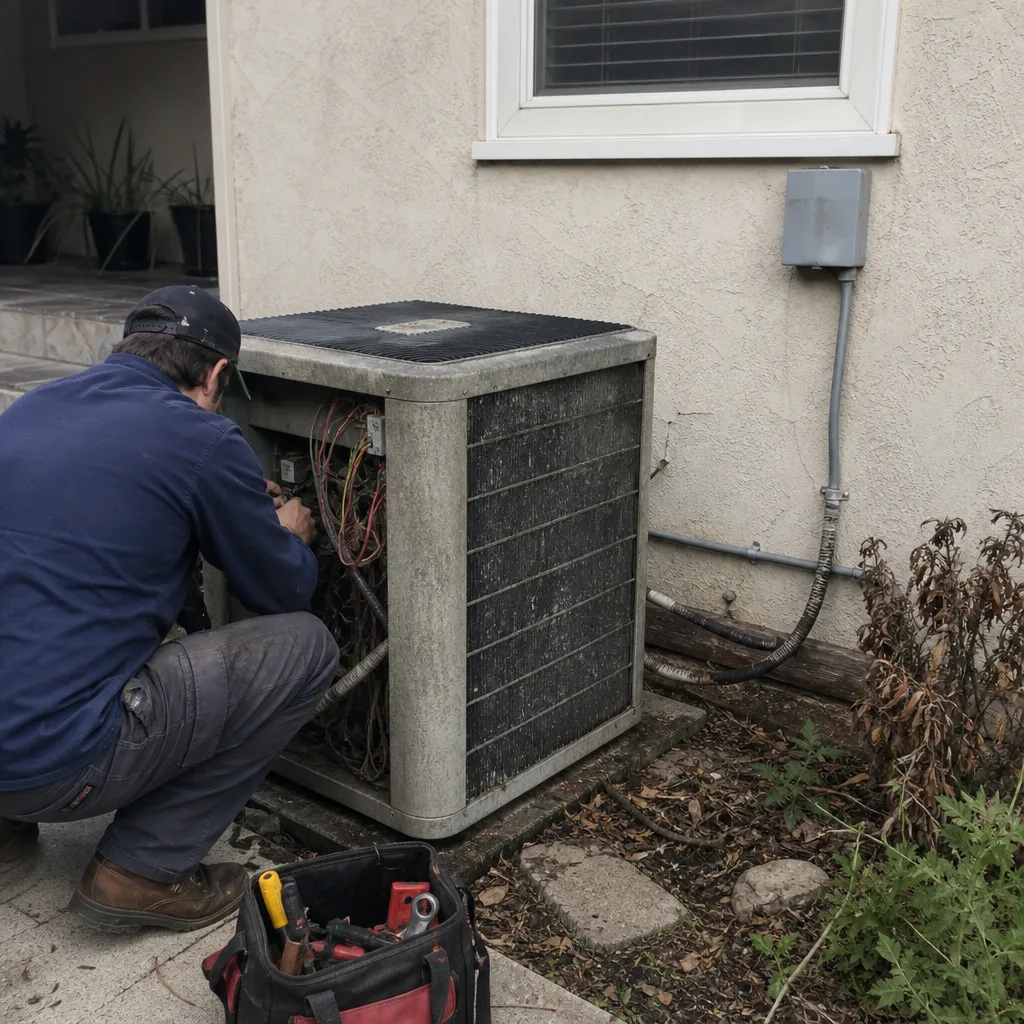 Before
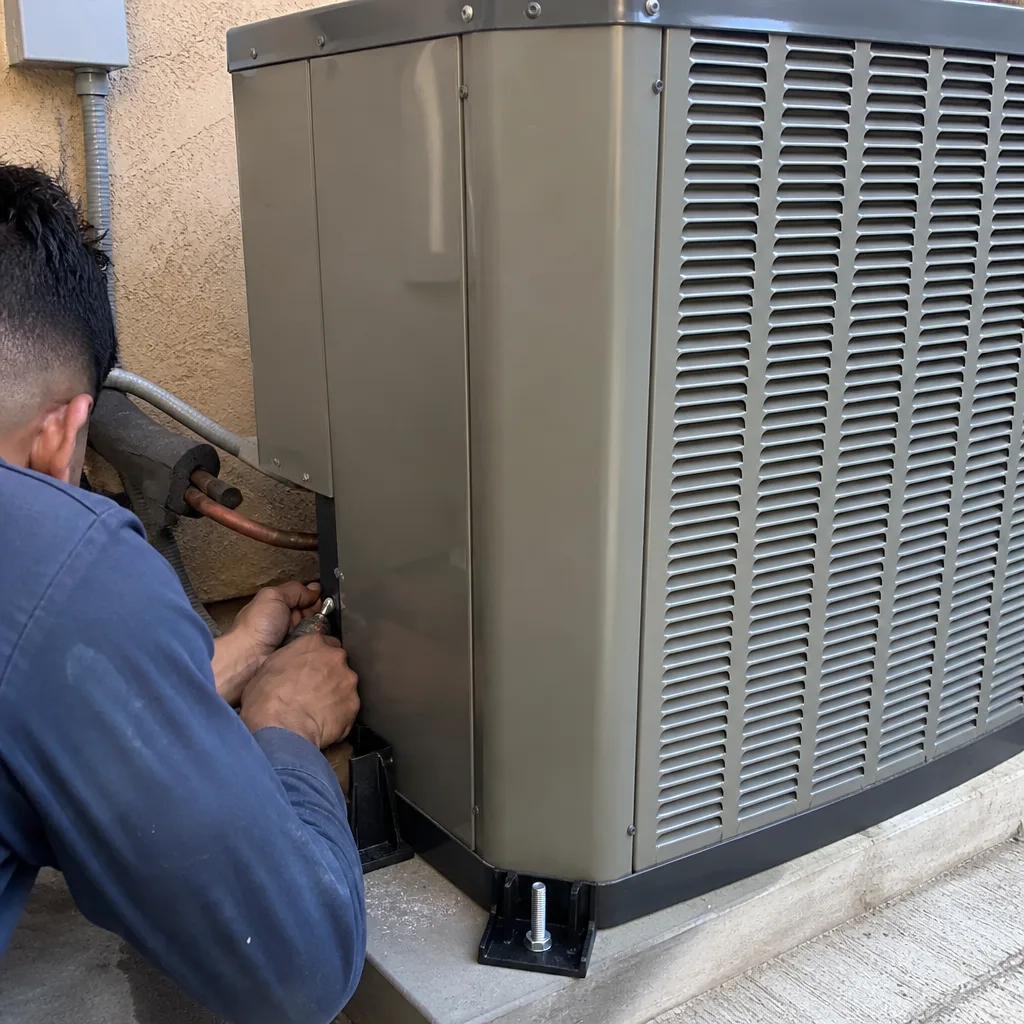 After
After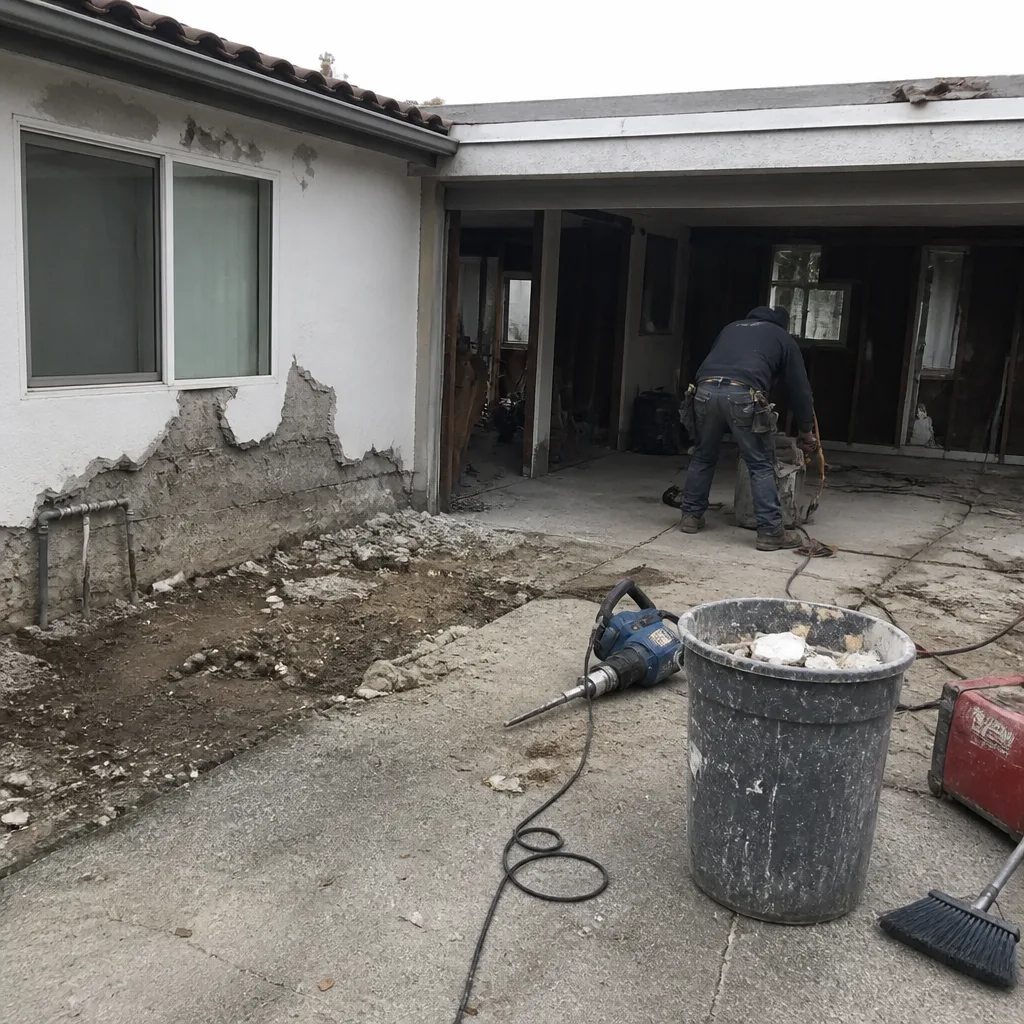 Before
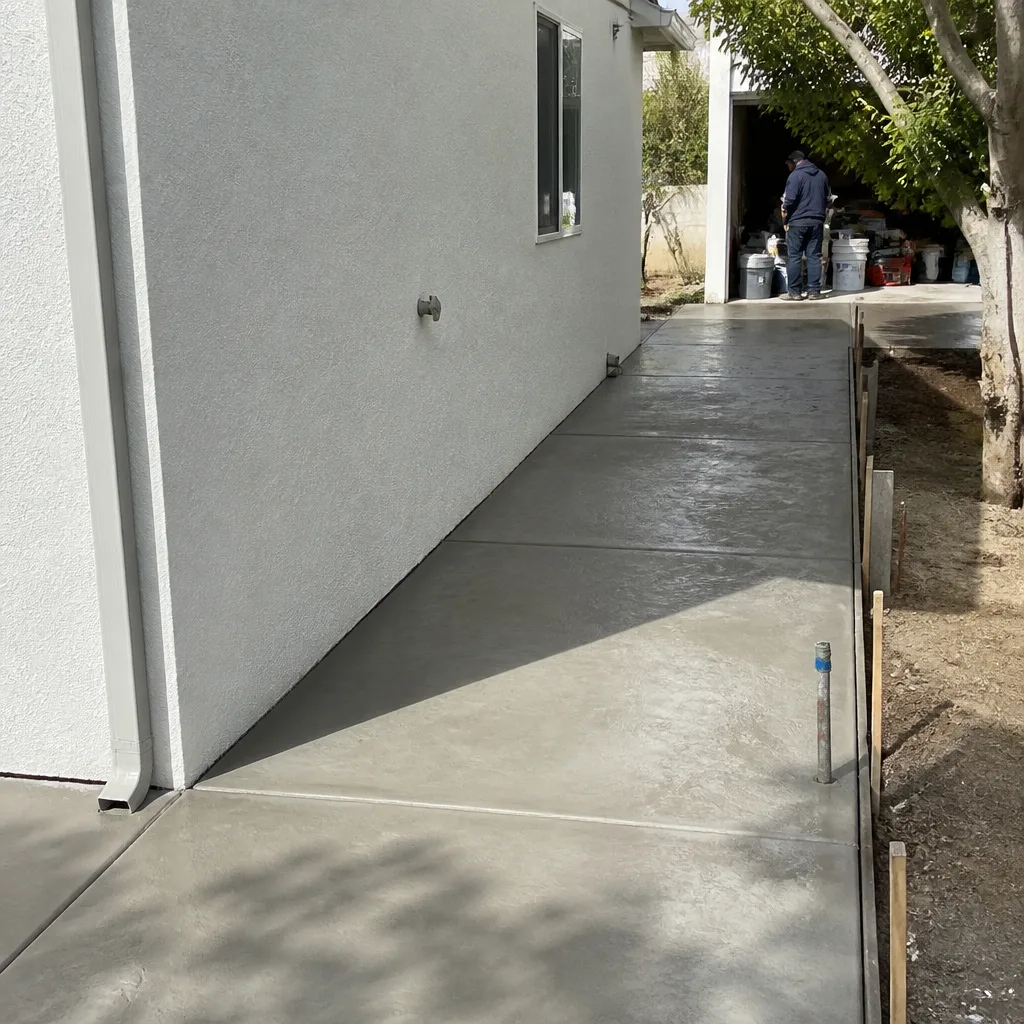 After
After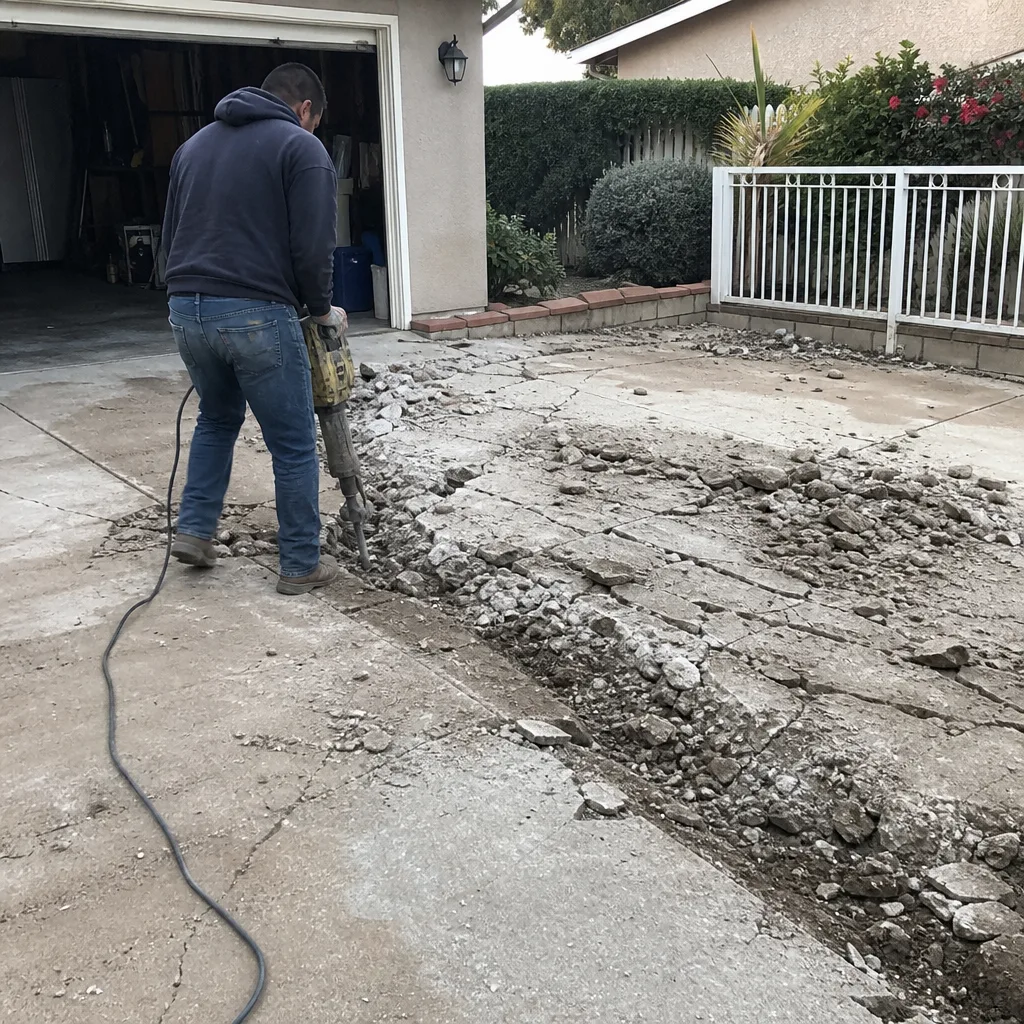 Before
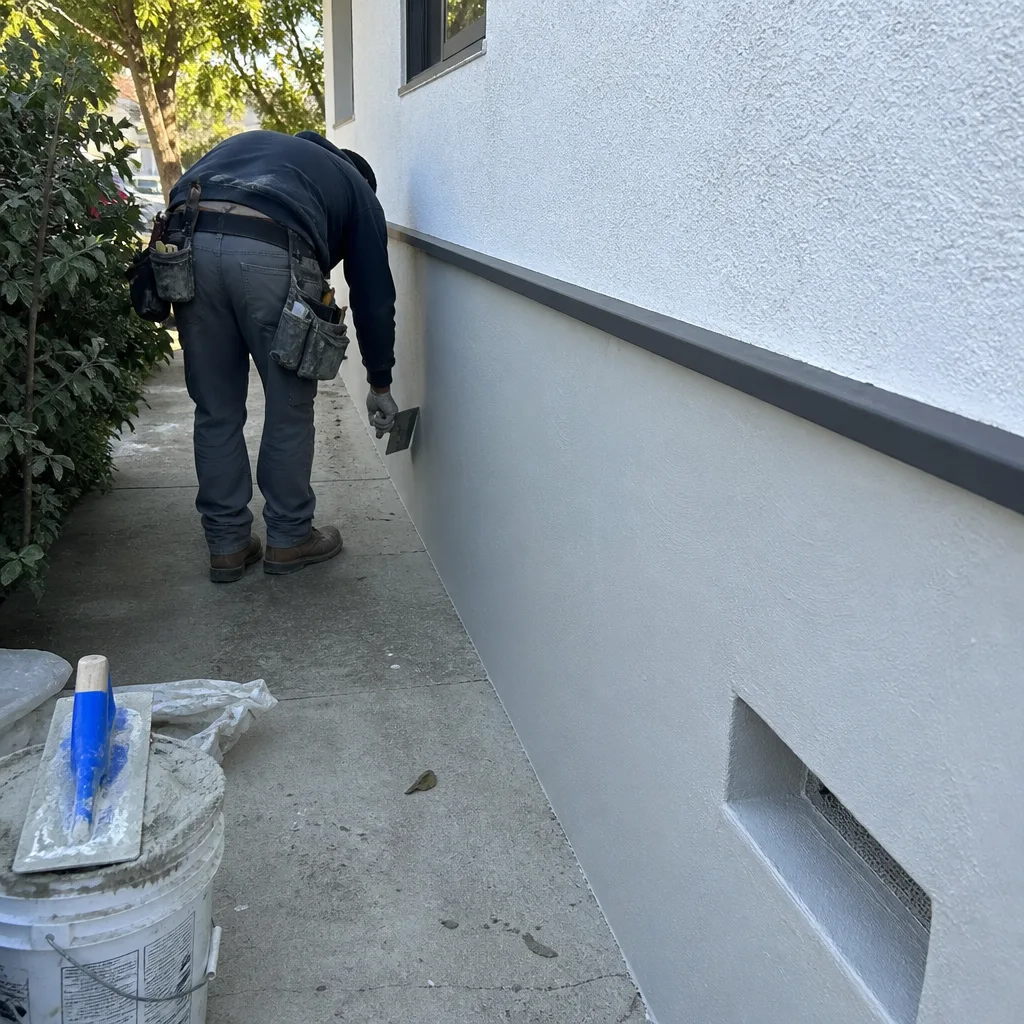 After
AfterReplacement Cost & What’s Included
For a typical Ventura residential Unilock fence installation, most families pay between $3,500 and $9,000. The range moves with three things: how much linear footage is being installed or reset, whether we’re reusing the existing base course or pouring new footings, and how many gates are in the layout. A straight run of 40 to 60 feet with one gate usually lands at the lower end. A longer run on a slope with two gates, new hardware, and haul-away of old materials will trend toward the top.
Every quote is a written line-item number before any work starts. Materials, labor, haul-away, hardware, fasteners, and cleanup are broken out on paper, not combined into a lump sum where you have to guess what anything cost. If a base course is still sound, we say so and we don’t sell you a new one. The workmanship is covered by the 365-Day Done Right Promise, which means if the fence settles or the gate binds within the first year, we come back and fix it without another invoice.
DIY or Call Us?
There are things worth checking on your own. You can check whether the base courses are still seated by sighting down the fence line from one end. You can look at the underside of a base course for a series stamp. You can feel whether a gate post moves when you push it gently at chest height. Those are safe, useful observations that help you describe the problem when you call.
What we would not recommend is pulling a leaning post out by hand or jacking a fence section up to reset it. The base courses are heavy, and when one lets go, it tends to drop straight down without much warning. A dropped base course has cracked more than one toe and at least one driveway in Ventura that we know about. The gates are the worst part for DIY attempts, because the hinge tension combined with the post weight wants to pinch exactly where your hand is. If the lean is more than an inch out of plumb, call (341) 218-4316 and let us put it on paper first.
FAQs

Fifteen to twenty-five years for the concrete components, and that number comes from the fence itself, not the hardware. Coastal hardware usually needs replacement around year eight to twelve if it was not stainless or powder-coated, and the base course can last far longer than the hardware does. For a specific assessment, call (341) 218-4316 and we’ll take a look.
Yes, if the base course is intact and the posts are still structurally sound. We reset the base course on a properly compacted bed, reseat the posts, and replace only the worn lock components and hardware. If the base course is cracked or the post channels are worn flat, replacement is the only honest fix. Estimates are free.
A straight 40-to-60-foot run with one gate is usually completed in two to three days, including footing prep and cleanup. Jobs on slopes, with multiple gates, or requiring old fence demolition and haul-away can run four to five days. We give you the sequencing on paper before the first board moves.
We stock Unilock-compatible post caps, gate hardware, and base course anchoring components on the truck for the Estate, Brussels, and Stonecrest series. Odd-run colors and discontinued series are ordered from our supplier network, which usually means a three-to-five-day lead. We also work with parts for KraftMaid, Cambria, and Silestone projects when a remodel and a fence happen together.
Written by Graham Stein, Owner, Elmstead Remodeling Ventura at Elmstead Remodeling Ventura, serving Ventura and nearby areas.