Last updated October 15, 2026




Free written scope consultation - allowances, timeline, and change-order rules on paper before a single trade is scheduled
The Complete Guide to Construction in Ventura
Ventura sits in two jurisdictions, the City of Ventura and Ventura County, and which side of a street your house is on can change your permit fees, your setback requirements, and your inspection timeline by weeks. Most homeowners don’t discover this until they’ve already paid an architect for plans that need reworking. This guide maps the actual terrain: the coastal microclimate that dictates material grades, the neighborhood HOAs that review your paint colors, and the realistic timeline for getting a project from concept to final inspection in Ventura. For construction warning signs every homeowner should watch for, see our dedicated reference. You’ll learn what to ask before signing anything, what documentation protects you, and how to plan a build that doesn’t fight the local environment.
Styles & brands we work with
Quick Answer
Construction in Ventura requires confirming whether your address falls under City of Ventura or Ventura County jurisdiction, using coastal-rated materials for exterior work, budgeting for HOA review in neighborhoods like Ondulando and Skyline, and waiting for a written line-item scope before any work begins. Most residential projects in Ventura take 20% longer than comparable builds inland because of inspection backlogs and the layered city/county rules. A written price tied to a fixed scope is the single most valuable document a homeowner can hold before construction starts.
Table of Contents
- Ventura’s Jurisdiction Split: City vs. County and Why It Changes Everything
- The Marine Layer Problem: Coastal Material Requirements Most Builders Skip
- HOA Architectural Review in Ventura Neighborhoods: Timelines and Realities
- When to Build in Ventura: Fog Season, Summer Crunch, and the Sweet Spots
- Permits and Inspections: The Ventura Process Step by Step
- The Written Scope Document: What It Must Contain Before You Sign
- Real Project Cost Ranges for Ventura Construction
- Common Mistakes to Avoid
- When to Call a Professional
- Frequently Asked Questions
- The Bottom Line
Ventura’s Jurisdiction Split: City vs. County and Why It Changes Everything
Ventura is not one permitting authority. The City of Ventura Community Development Department handles properties within city limits, while Ventura County’s Building and Safety Division governs unincorporated pockets that many residents assume are part of the city. Streets like Foothill Road and sections of the Avenue have addresses that straddle this line. A house on the north side can need county approval while the house directly across the street works through City Hall.
The practical differences are not subtle. City of Ventura currently charges building permit fees based on project valuation, and plan review typically takes two to four weeks for simple residential work. County review can stretch longer, particularly during spring, when agricultural and residential applications pile up. Setback requirements differ too: coastal zone parcels under county jurisdiction may carry additional California Coastal Commission review, which adds months, not weeks, to any project that touches the exterior footprint.
Here’s the step-by-step way to confirm your jurisdiction before you design anything:
- Pull your address in the Ventura County assessor parcel search. The parcel map will show whether you’re inside city limits or in an unincorporated island.
- Check the Ventura city limits map published by the Community Development Department. Sections like Montalvo and Saticoy have transitioned over the years, and older maps mislead.
- Call the City of Ventura permit counter directly with your assessor parcel number. A five-minute call confirms which authority you’ll work with.
- Ask about coastal zone status. If the parcel touches the coastal belt, ask whether Coastal Commission review applies before you spend money on design work.
We’ve walked families through this check many times, and it consistently saves more time than any other single conversation early in a project. As General Contractor in Ventura work goes, the jurisdiction question is the one that shapes everything downstream, from plan submittals to which inspectors show up on-site.
The Marine Layer Problem: Coastal Material Requirements Most Builders Skip
Ventura’s morning marine layer is not just a weather pattern. It’s a corrosion engine. Salt air, fog moisture, and the temperature swings along the coast combine to degrade standard exterior materials faster than inland builders expect. A galvanized fastener that lasts forty years in Ojai can show rust in eight years within a mile of the beach.
The California Building Code has specific requirements for coastal exposure zones, and Ventura’s coastal neighborhoods from Pierpont to the Keys fall squarely inside them. This means exterior fasteners must be hot-dipped galvanized or stainless steel, not the electroplated hardware that passes code inland. Window flashing needs to be a sealed, corrosion-resistant system. Exterior paint needs to be formulated for high-moisture, salt-laden air, and the substrate prep matters more than the paint itself on older stucco homes near the water.
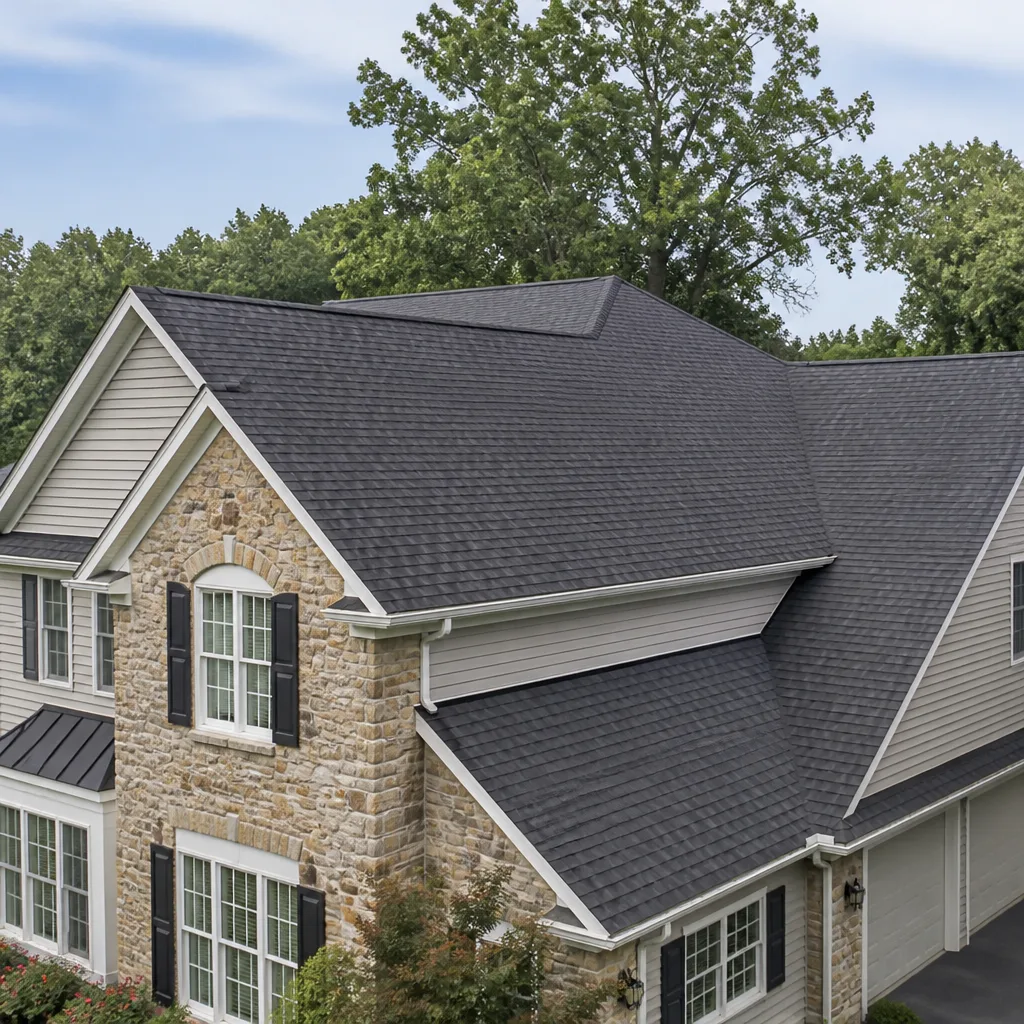
Roofing underlayment and shingles get specific treatment too. Brands like GAF and CertainTeed manufacture coastal-rated shingle lines with enhanced nail-pull resistance and algae-resistant granules that hold up to fog-season dampness. Our experience with El Niño winters in Ventura has shown that underlayment choice is the difference between a roof that lasts twenty-five years and one that needs repair after the first serious storm cycle.
What to verify with any contractor before exterior work begins:
- Fastener grade: Confirm hot-dipped galvanized or stainless for all exterior connections. Ask for the specification in writing.
- Flashing system: Coastal-rated flashing, not builder-grade aluminum, at all window and door openings.
- Paint spec: A primer and finish system rated for marine exposure, with documented prep standards for pre-existing stucco or wood siding.
- Roof underlayment: A synthetic or high-grade felt meeting current code for the wind and moisture zone, not the cheapest roll at the supply yard.
Skipping these details is the most common way a Ventura exterior project looks good for three years and then starts failing early. The material line item on a written estimate tells you whether the contractor has done coastal work before or just does the same thing everywhere.
HOA Architectural Review in Ventura Neighborhoods: Timelines and Realities
Several Ventura neighborhoods carry active homeowners association architectural review boards, and their approval processes run on timelines that do not care about your construction schedule. Ondulando, Skyline, and portions of east Ventura have CC&Rs that require exterior modification review before the city will even look at your permit application. This is a sequencing rule, not a suggestion: HOA approval comes first, then city or county submittal.
Typical HOA architectural review timelines in Ventura run two to six weeks, depending on the board’s meeting calendar. Boards often meet monthly, which means a submittal that misses the deadline by one day waits another month. Some associations require paint color swatches, roofing material samples, and even window style renderings before they’ll calendar a review. This is not the time to be vague about materials.
If you’re planning a kitchen or bathroom remodel that stays entirely inside the existing footprint, most HOAs do not require review. The moment the project touches windows, exterior doors, roofing, paint, or any structural change visible from the street, the review requirement typically activates. Read your CC&Rs before you assume.
A practical sequence that avoids the common stall:
- Request your HOA’s full architectural guidelines before any design conversation. Most associations publish a downloadable packet with submittal requirements.
- Prepare a submittal packet with material samples, color swatches, and a written description of the scope. Photographs of the existing exterior help board members who never visit in person.
- Submit at the earliest opportunity in the month to make the next board meeting.
- Get approval in writing and attach it to the city or county permit application.
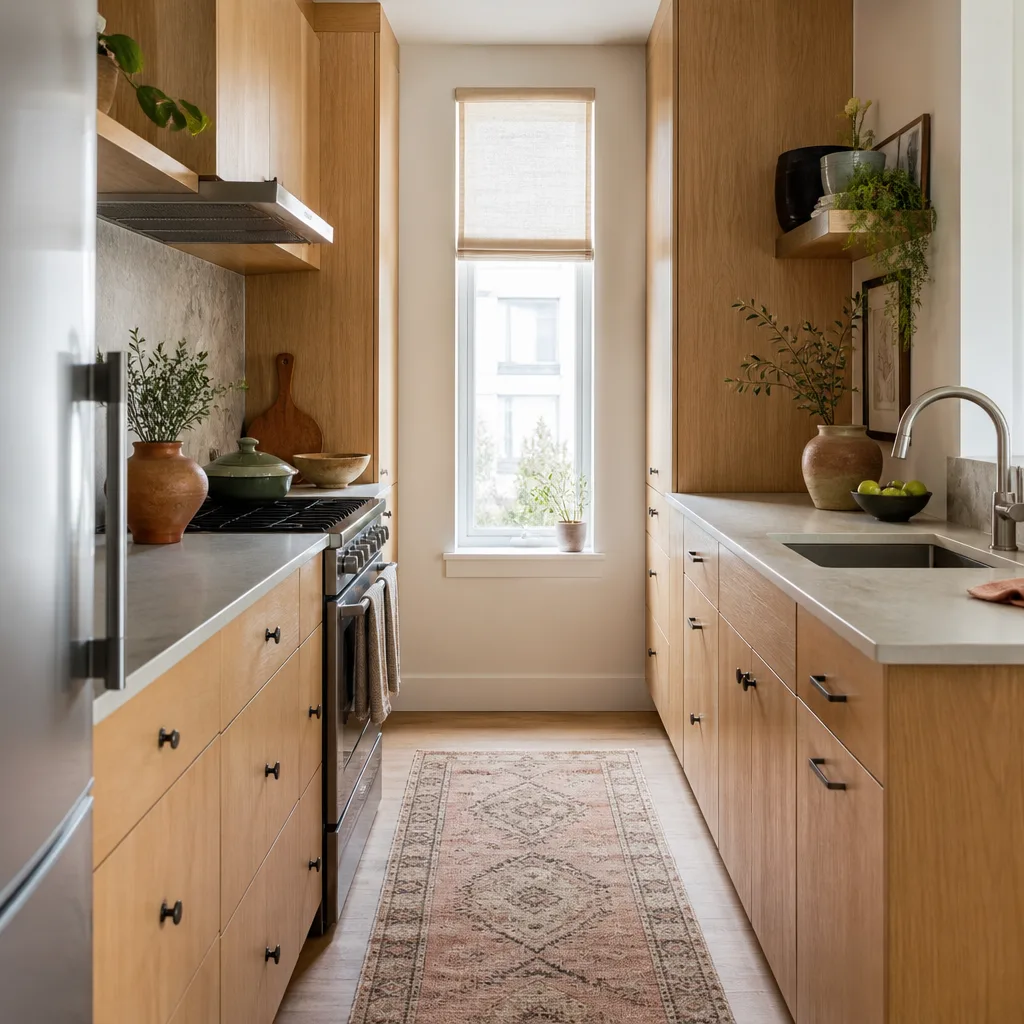
When we handle Kitchen Remodeling in Ventura projects that stay interior-only, this step disappears entirely. For additions, exterior paint, or window replacement, it’s part of the schedule from day one.
When to Build in Ventura: Fog Season, Summer Crunch, and the Sweet Spots
Ventura’s building calendar is shaped by two things: the May Gray and June Gloom marine fog that slows exterior paint and stucco curing, and the summer contractor rush that pulls crews toward higher-volume jobs and stretches inspection scheduling thin. If you have flexibility, late spring (April through mid-May) and early fall (September through October) are the windows that avoid both problems.
The marine layer matters because exterior finishes need dry, stable conditions to cure properly. Stucco applied during a heavy fog cycle can hold moisture against the lath and create long-term adhesion problems. Paint applied to damp surfaces fails early. Roofing work during fog season introduces condensation risks under underlayment that later show up as trapped moisture. A contractor who knows Ventura schedules exterior finishes for the clear windows and interior work for the fog-heavy months.
Summer brings the scheduling crunch. Every homeowner wants work done while kids are out of school, which means permit review queues lengthen, inspectors get booked out, and material suppliers run lean on common items. A project that takes eight weeks in October can take twelve in July through no fault of the contractor. Early fall is the quiet window, as the fog lifts and the summer backlog clears.
For families planning around school calendars, we recommend starting design and permitting in January, ordering materials in March, and breaking ground in April. That puts finish work through early summer and moves the family back in before the school year starts, assuming a four-to-six-month project. For smaller remodels, a September start avoids most delays.
Permits and Inspections: The Ventura Process Step by Step
Construction in Ventura requires permits for most work beyond cosmetic finishes, and the process for permits, codes & inspections in California is more layered here than in many inland cities. Here’s the step-by-step flow for a typical residential project with exterior or structural elements:
- Confirm jurisdiction and HOA status for your parcel, as covered above.
- Prepare plans. For structural work, a draftsperson or architect produces drawings that meet California Building Code and local amendments. Simple bathroom remodels staying inside the footprint may only need a plot plan and fixture layout.
- Submit for plan review. City of Ventura aims for a two-to-four-week first review on simple residential plans; county timelines run similar but vary with seasonal volume.
- Address plan review comments. Most plans come back with corrections. Responding quickly keeps your project moving; sitting on comments is the most common self-inflicted delay.
- Pay permit fees. Ventura calculates fees on project valuation. Ask for the fee schedule up front so it’s in your budget from the start.
- Schedule inspections at each stage. Typical milestones: foundation, rough framing, rough electrical/plumbing, insulation, drywall, final. Each requires a scheduled visit from the city or county inspector.
- Close the permit. The final inspection signs off and closes the record. If a permit stays open, it complicates any future sale of the home.
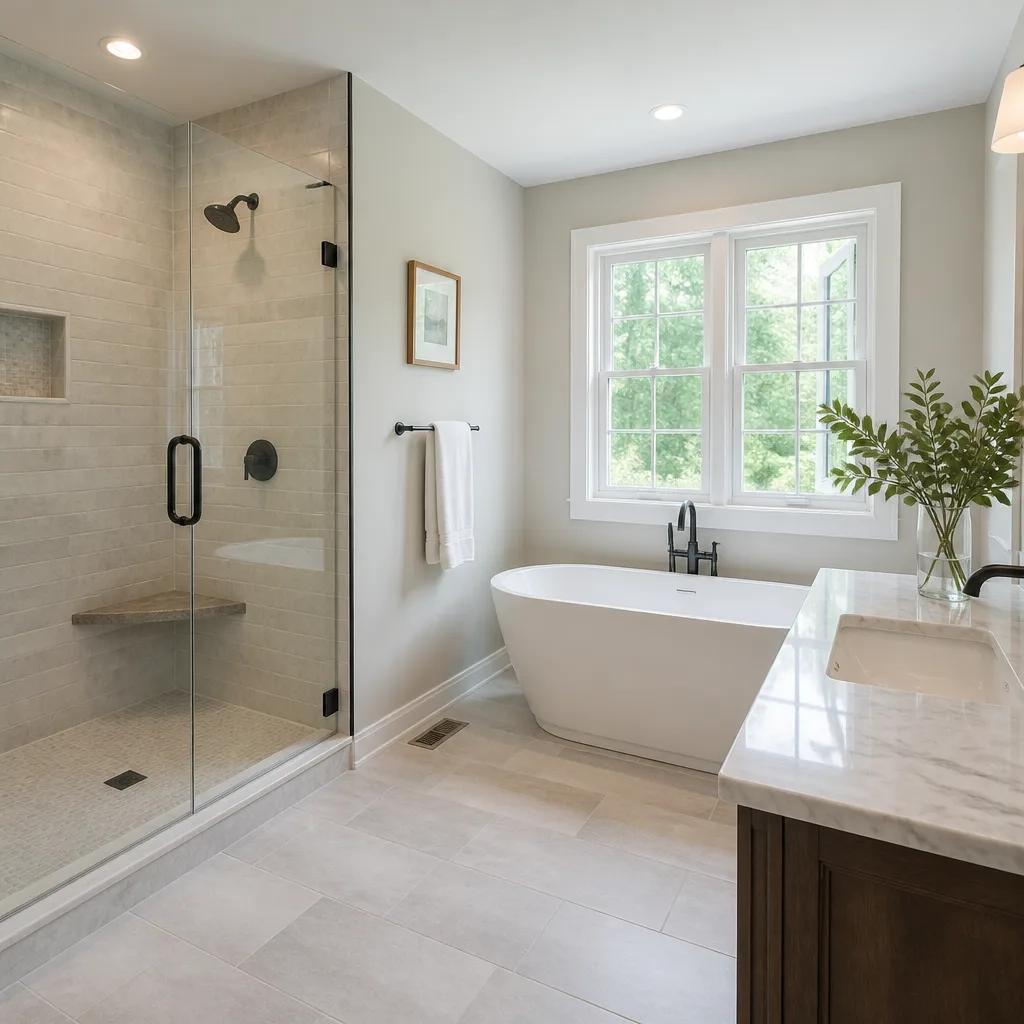
A common Ventura-specific wrinkle: properties in the hillside grading areas or coastal zones may carry additional geologic or environmental review. These add weeks to the front end and can’t be rushed. Budget for them in the plan. For Bathroom Remodeling in Ventura work that swaps fixtures in place with no wall movement, the permit path is short and straightforward, often through an over-the-counter review.
The Written Scope Document: What It Must Contain Before You Sign
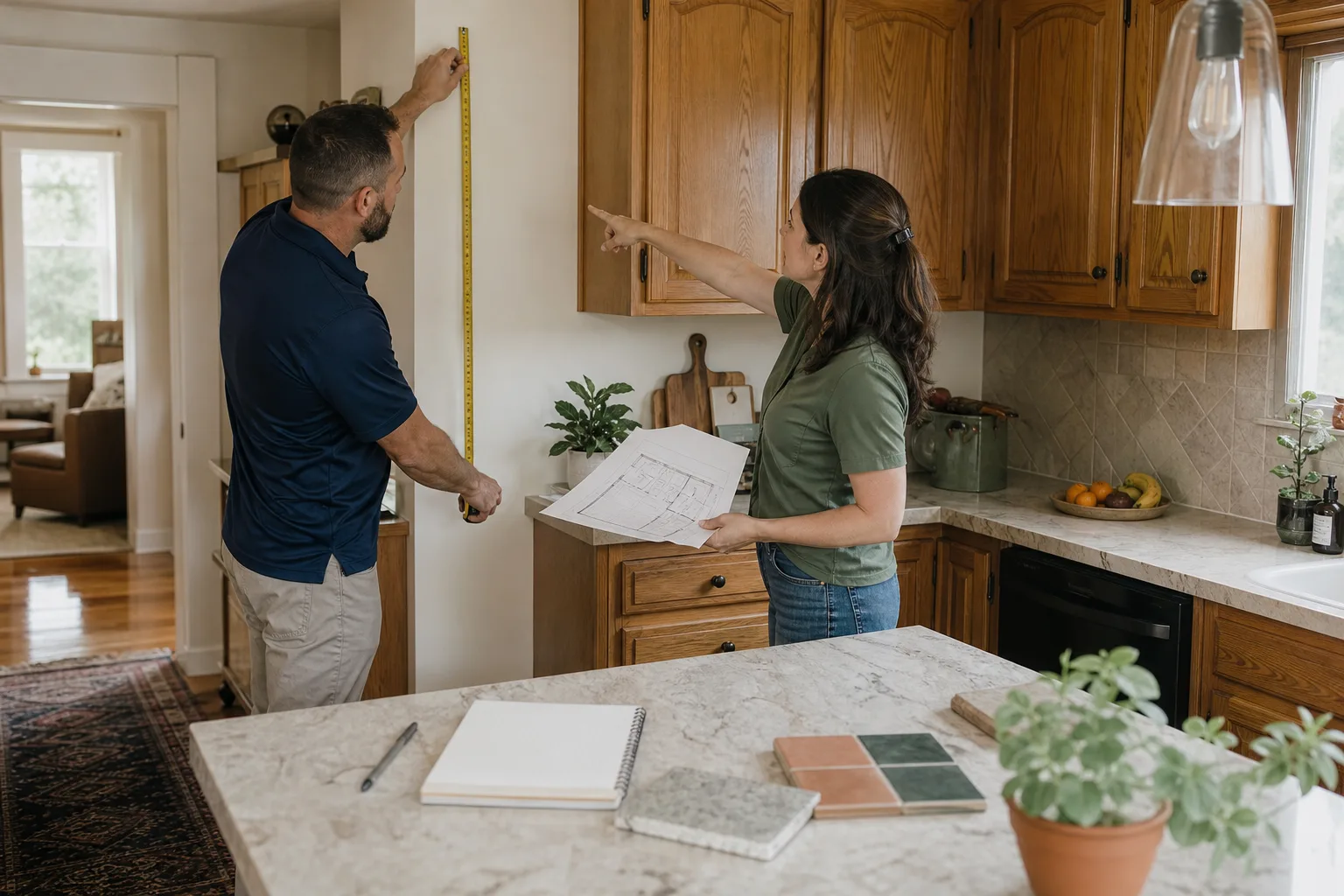
Before you sign any construction contract in Ventura, you should hold one document: a written line-item scope tied to a fixed price. This is not a one-page estimate. It’s the document that names every material, every finish, every allowance, and every exclusion in plain English, priced line by line. It answers the question “what exactly am I paying for?” before you write a check.
This matters more in Ventura than in many markets because coastal material upgrades (the fasteners, the flashing, the paint systems covered above) are line items that some contractors omit from the bid and then add later as “unforeseen requirements.” A written scope with brand names and grades eliminates that conversation. If the scope says KraftMaid cabinets, you get KraftMaid cabinets. If it says a Cambria quartz countertop, that’s the countertop that goes in.
A written scope should include at minimum:
- Brand and grade for every material: cabinet line, countertop name, fixture manufacturer, flooring product.
- Fastener and flashing specifications where exterior work is involved, with coastal ratings called out explicitly.
- Scope of demolition and disposal with debris hauling included, not left as an open allowance.
- Permit fees and who pulls the permit.
- Exclusions in writing so there’s no debate about what was “implied.”
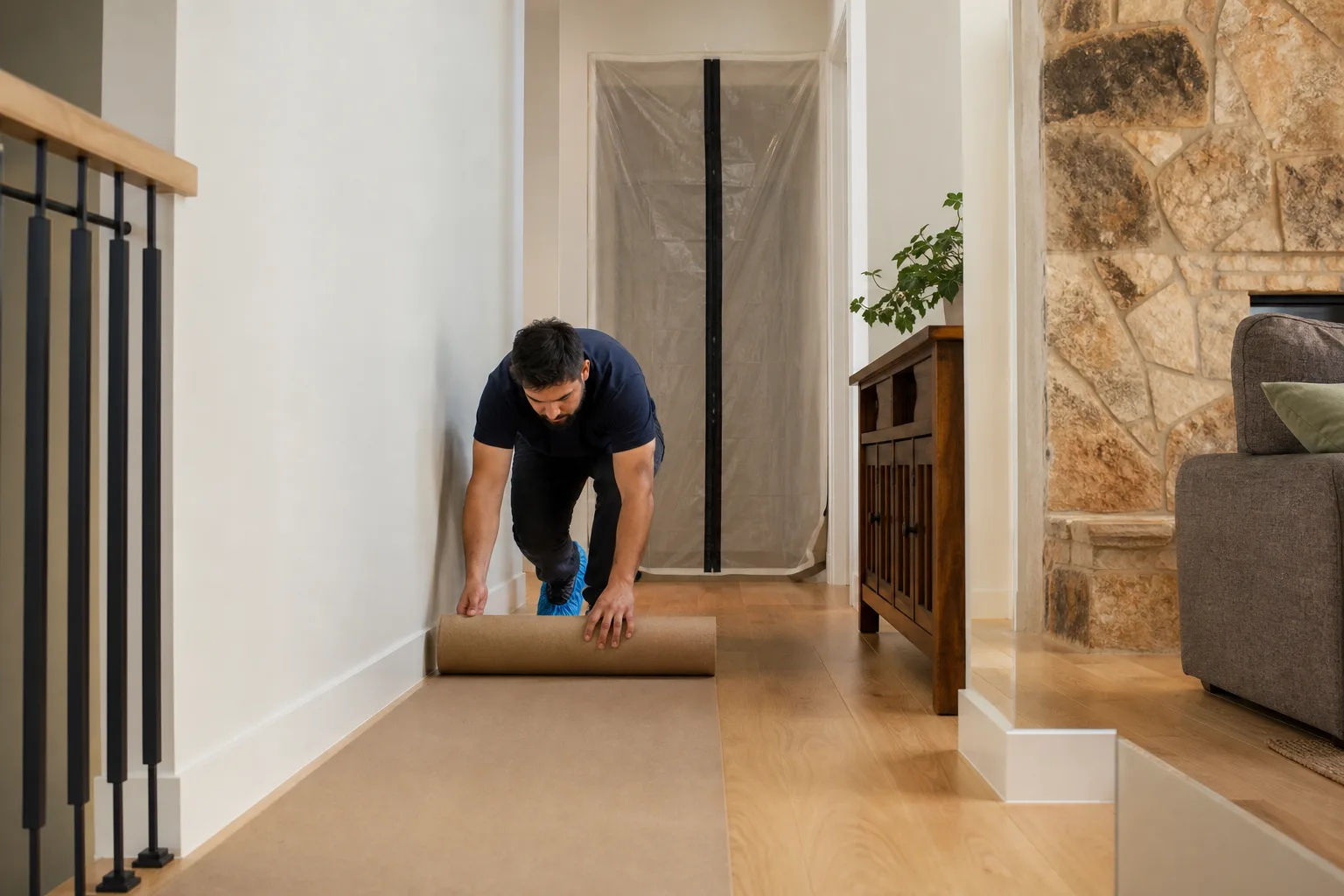
- Clean-up and protection specifics: drop cloths on floors, shoe covers at the door, daily tidy-up, final cleaning.
Every project we take on at Elmstead Remodeling Ventura starts with a written price before any work begins, and the scope names the brands so homeowners can research them independently. There’s no version of our process where the price changes after the crew arrives because something was “unexpected.” The Elmstead Remodeling Ventura home page walks through how that promise works in practice.
Real Project Cost Ranges for Ventura Construction
Ventura construction costs run above the national average and slightly above the Los Angeles metro average for comparable work; see our Construction Cost Breakdown: The Ventura Homeowner’s Reference for 2026 for detailed figures. The coastal material requirements, the permit fee structure, and the cost of doing business in a high-demand coastal community all factor in. Here are realistic ranges for common project types in Ventura as of the current market:
- Bathroom remodel (full, fixtures-in-place): $28,000 to $55,000 depending on fixture grade and tile scope.
- Primary bathroom remodel with layout change: $45,000 to $85,000 once plumbing moves and waterproofing scope expands.
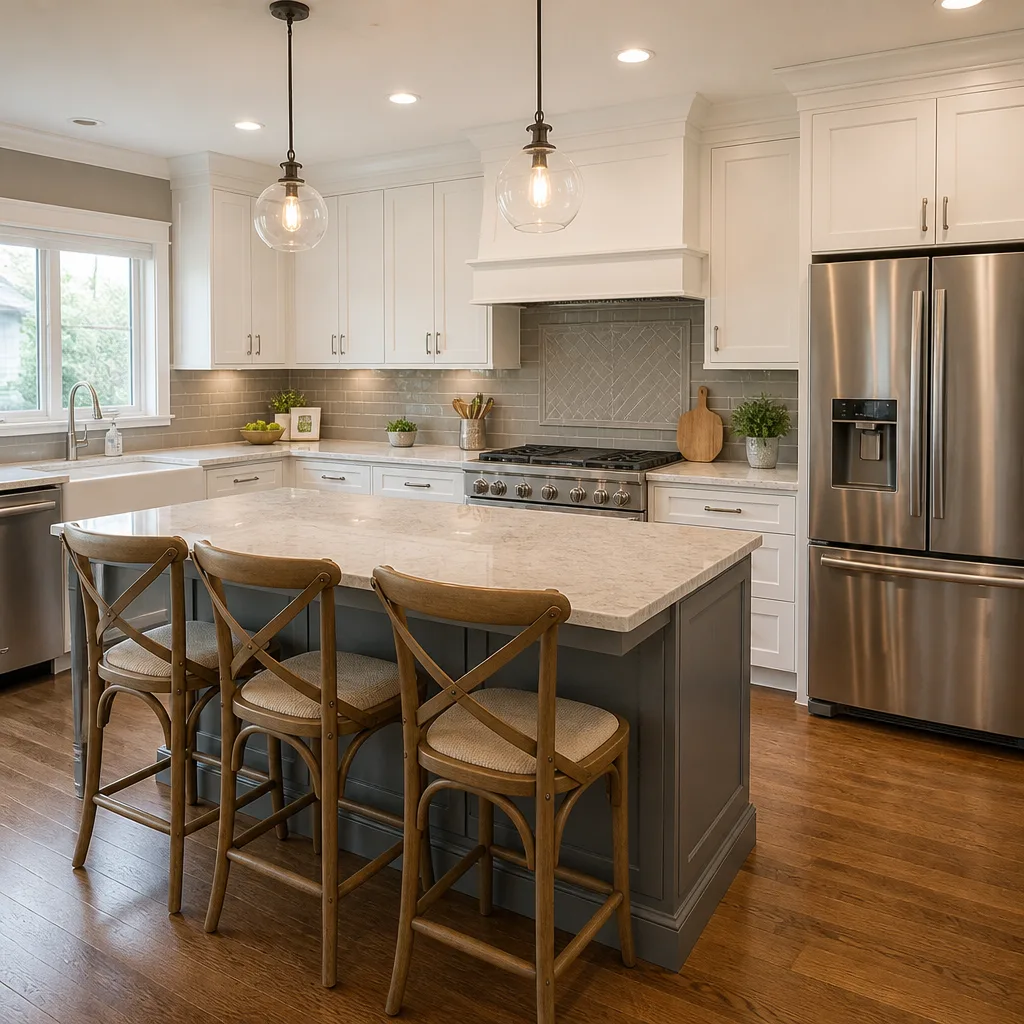
- Kitchen remodel (mid-range, existing footprint): $55,000 to $110,000 for named-brand cabinets, stone countertops, and new fixtures.
- Kitchen remodel with structural opening: Adds $10,000 to $30,000 depending on beam span and engineering.
- Whole-home interior refresh (paint, floors, trim, fixtures): $40,000 to $90,000 for a typical 1,800 to 2,400 square foot Ventura home.
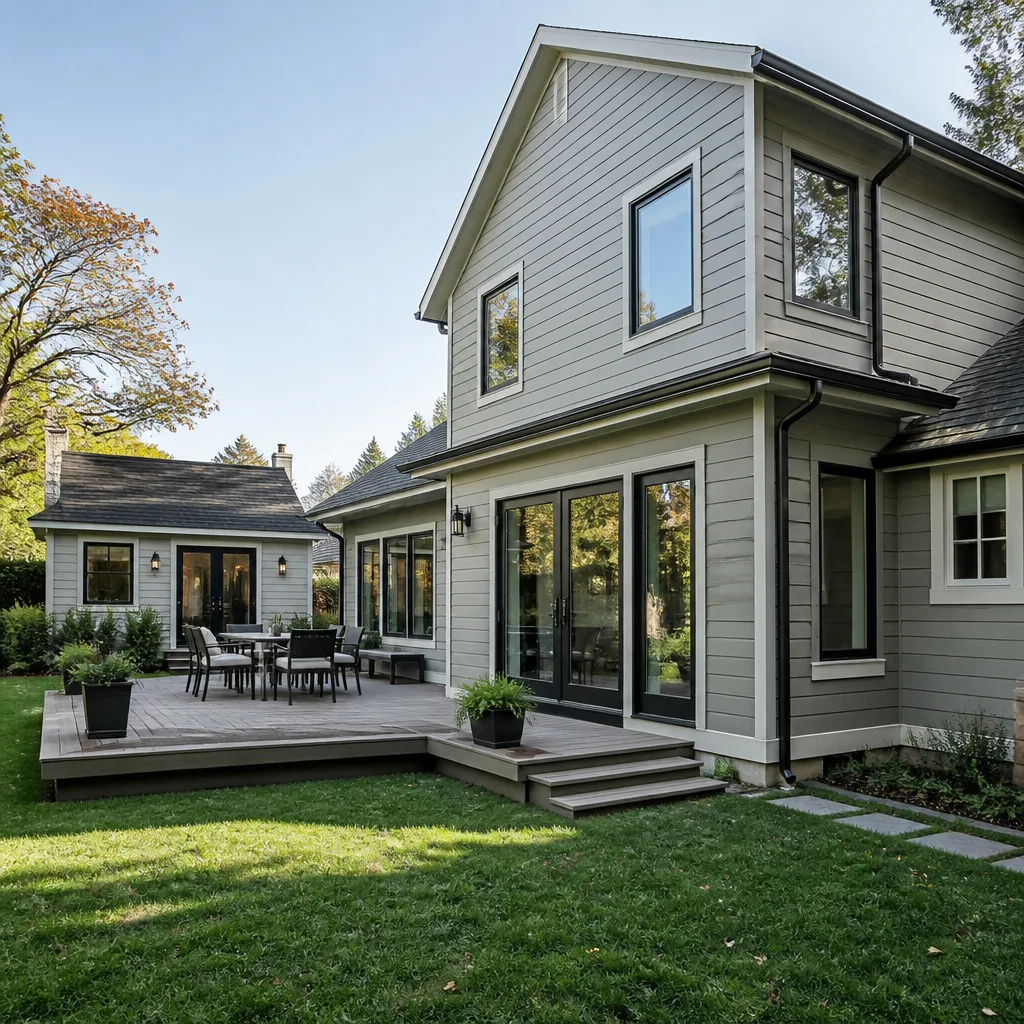
- Exterior paint on a standard two-story Ventura home: $8,000 to $18,000 with coastal-rated prep and materials.
- Roof replacement with coastal underlayment: $14,000 to $30,000 depending on roof complexity and product line from manufacturers like GAF, CertainTeed, or Owens Corning.
These are planning ranges, not quotes. The only number that matters for your specific home is the written line-item scope you receive after a site walk. Be cautious with any bid well below these ranges in Ventura: it typically means coastal material upgrades are absent from the bid and will surface later as change orders.
Common Mistakes to Avoid
- Assuming your address is in the City of Ventura without checking. Unincorporated county pockets exist throughout the area, and the permitting path is different enough to derail a schedule by weeks. Confirm jurisdiction before design.
- Skipping coastal-rated fasteners and flashing on exterior work. Standard hardware corrodes fast within the salt-air zone, and repair costs later dwarf the upgrade cost up front.
- Signing a contract without a written line-item scope. A vague estimate with allowances leaves you exposed to change orders that grow the final price well past the initial number.
- Starting exterior paint or stucco during May Gray or June Gloom. Moisture trapped during fog season creates long-term adhesion problems that show up after the warranty expires.
- Ignoring HOA architectural review requirements. City plan check will not override a missing HOA approval, and retroactive review can stall a project mid-build.
- Pulling permits yourself to save money without understanding the inspection sequence. Missed inspections can require opening finished walls, which costs far more than the permit fee you saved.
- Choosing the lowest bid in a coastal market. In Ventura, low bids usually reflect missing coastal upgrades, missing permit fees, or uninsured labor, and the correction arrives after work starts.
When to Call a Professional
Some construction work in Ventura genuinely benefits from a contractor who has done it dozens of times in this specific coastal environment. Structural changes, any work touching the outside of the house, kitchen and bathroom remodels that involve plumbing or electrical, and roof or window replacement all fall into this category. The material specification mistakes are expensive, and the inspection sequence penalties for skipping steps are worse. If your project includes any exterior element, HOA review, or permit-triggering structural work, a professional who knows the local process will save you time you didn’t know you were going to lose. Elmstead Remodeling Ventura offers free estimates in Ventura – call (341) 218-4316 to schedule a walkthrough, and we’ll put the written scope in your hands before any commitment.
Frequently Asked Questions
A mid-range kitchen remodel in Ventura with named-brand cabinets, stone countertops, and new fixtures typically runs $55,000 to $110,000 when staying in the existing footprint. Structural changes that open walls add $10,000 to $30,000 for engineering and beam work. Call (341) 218-4316 for an exact written scope for your kitchen, free of charge.
Yes, any bathroom remodel that moves plumbing, changes electrical, or opens walls requires a permit in Ventura, whether your address falls under city or county jurisdiction. Swapping fixtures in place is typically the only bathroom work that avoids a permit. The inspection sequence protects the work and keeps the property record clean for future resale.
HOA architectural review in Ventura neighborhoods like Ondulando and Skyline typically takes two to six weeks, depending on the board’s monthly meeting calendar and the completeness of your submittal. Missing a deadline by one day can push you to the next month’s meeting. Submit early and with complete material samples.
The marine layer carries salt and moisture that corrode standard fasteners, degrade flashing, and undermine paint adhesion faster than inland conditions. Coastal-rated hot-dipped galvanized or stainless fasteners, sealed flashing systems, and marine-formulated paint are required for durability within the Ventura coastal zone. The material spec on your contract should name these upgrades explicitly.
Yes. September and October are typically the fastest months for Ventura construction, with fog cleared and summer permit backlogs drained. May and June slow exterior finishes because the marine layer traps moisture. April through mid-May works well for starts, and the summer months stretch schedules across the industry.
A written line-item scope tied to a fixed price is the most important document you can hold before signing. It names every material, every allowance, every exclusion, and the total price in plain language. Elmstead Remodeling Ventura provides a written price before any work starts, every time, on every project. Call (341) 218-4316 for your copy.
The Bottom Line
Construction in Ventura rewards preparation and punishes shortcuts. Know your jurisdiction before you design. Specify coastal-rated materials before you approve a bid. Respect the HOA timeline before you set a start date. Hold a written line-item scope before you sign anything. The families who follow this sequence build without the mid-project surprises that plague the ones who don’t. Elmstead Remodeling Ventura has done this work in these neighborhoods long enough to know exactly where the problems hide, and we write them out of the plan before they can slow your family down. Explore more guides & resources on planning your project. If you’re ready to price a project properly, the estimate is free.
Written by Graham Stein, Owner at Elmstead Remodeling Ventura, serving Ventura since 2005.
See the difference
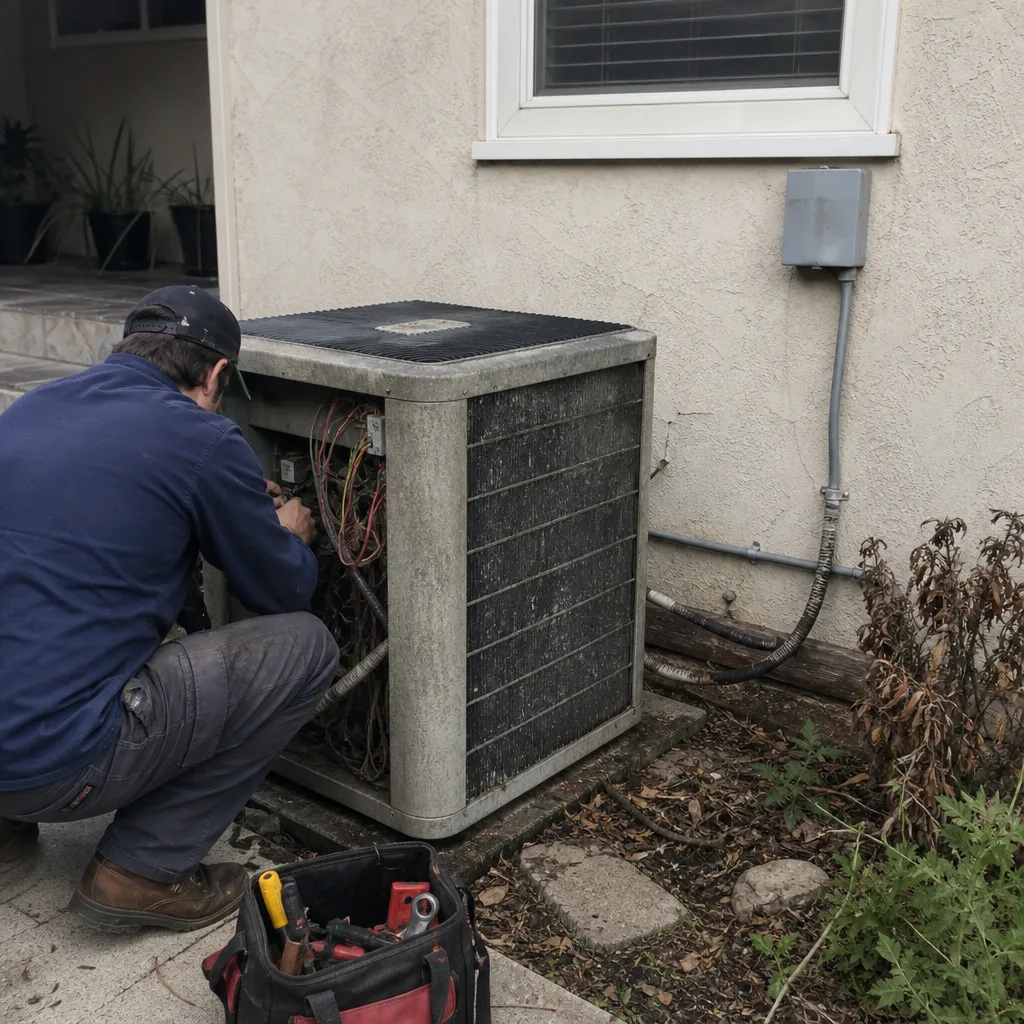 Before
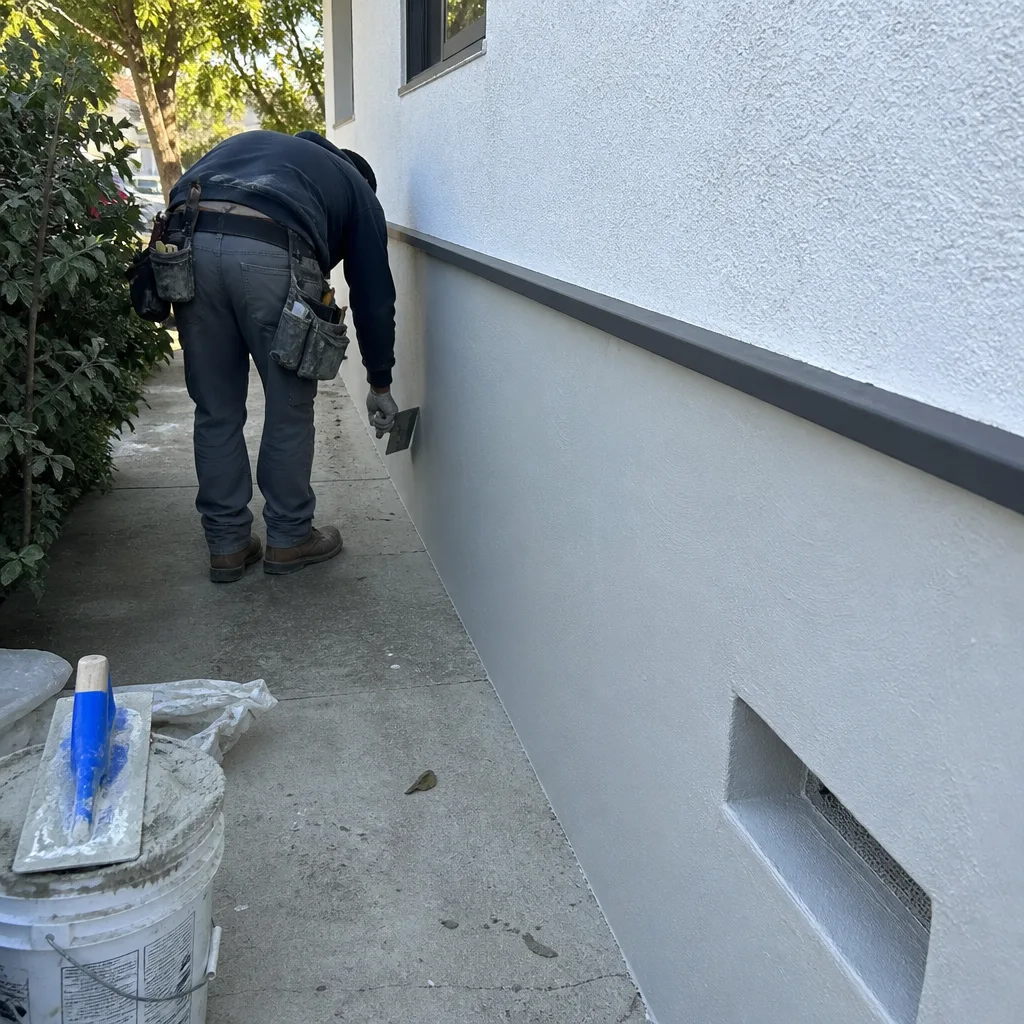
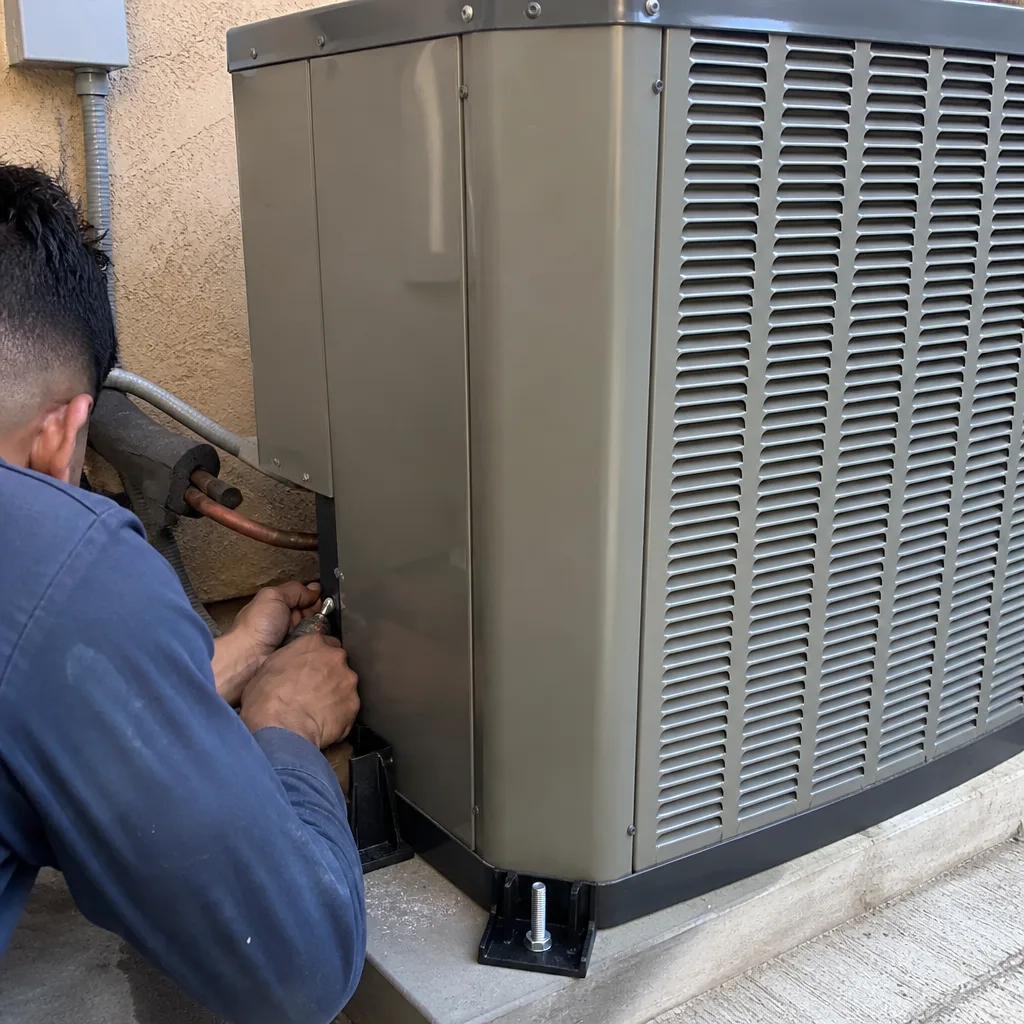 After
After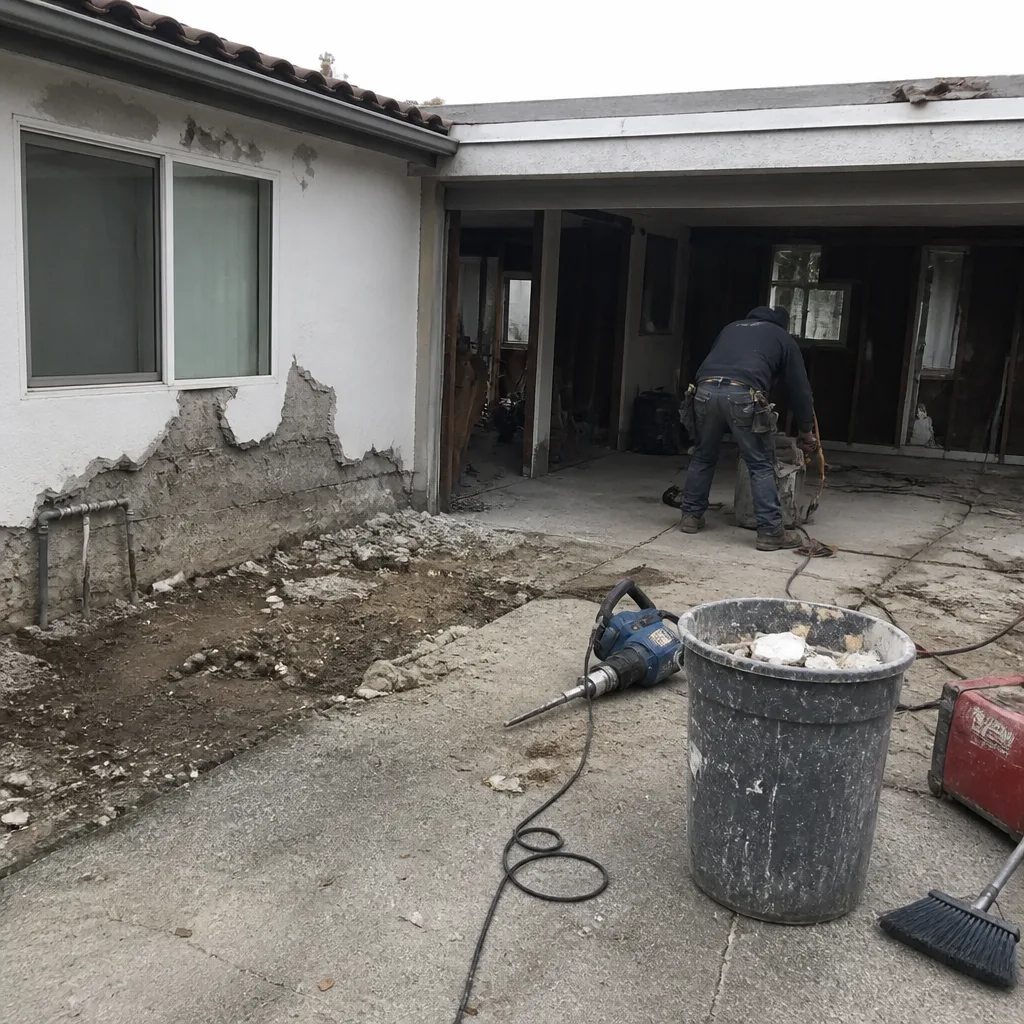 Before
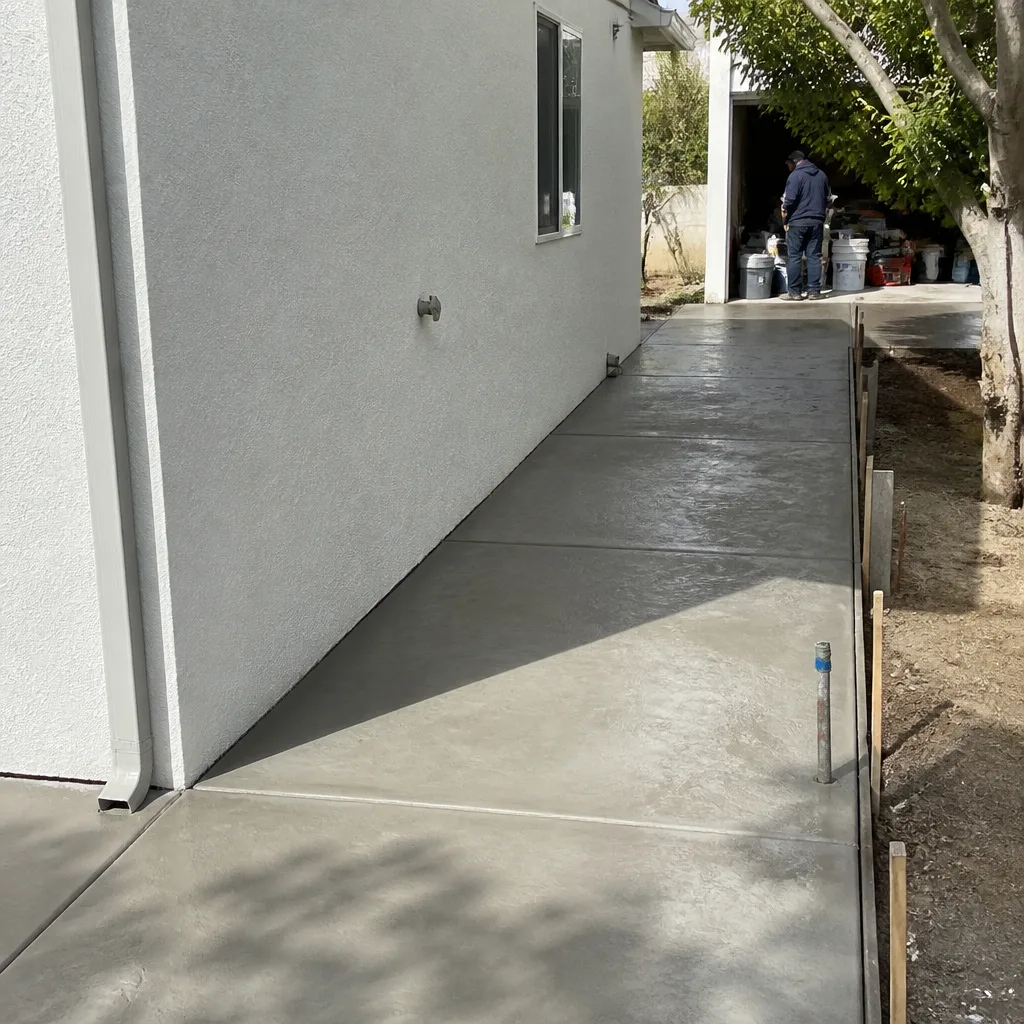 After
After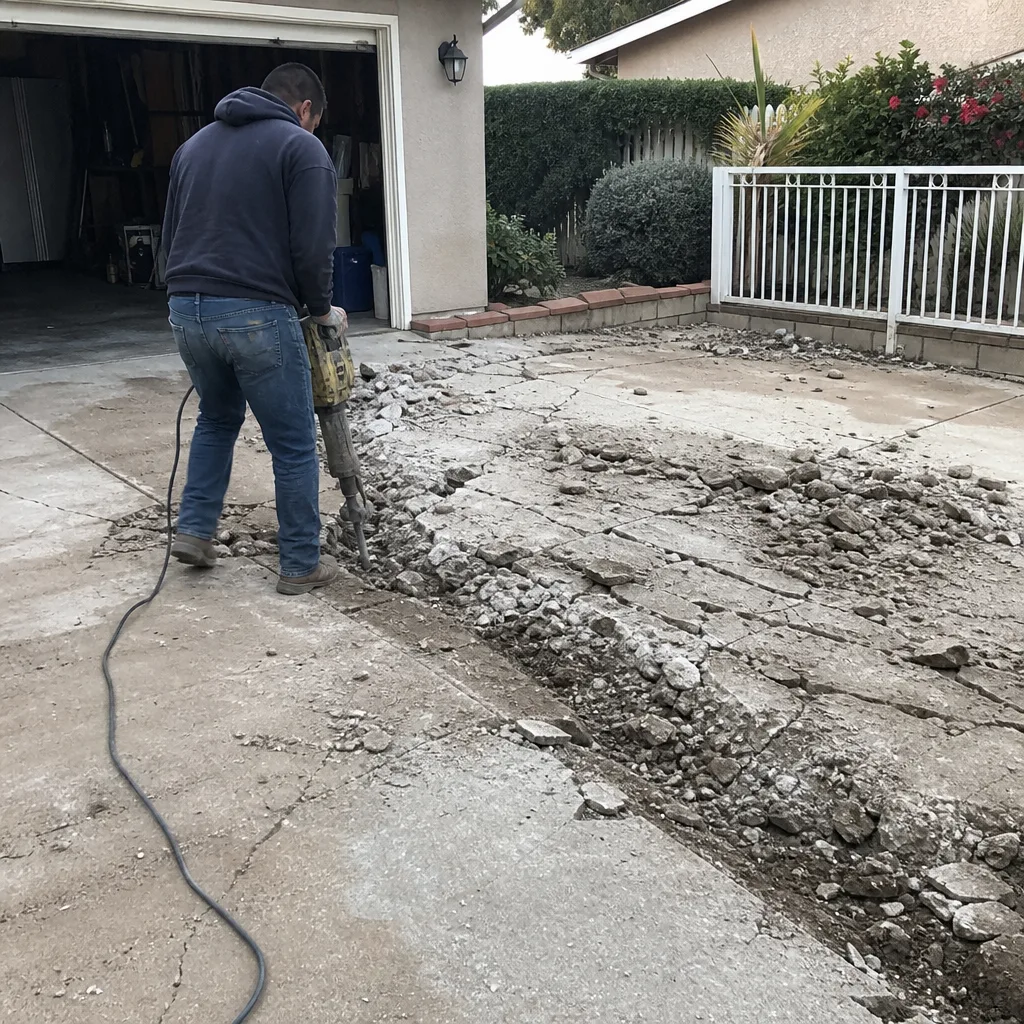 Before
 After
After