Last updated October 15, 2026



Free written scope consultation - allowances, timeline, and change-order rules on paper before a single trade is scheduled
Construction Permits, Codes & Inspections in CA: What You Need to Know
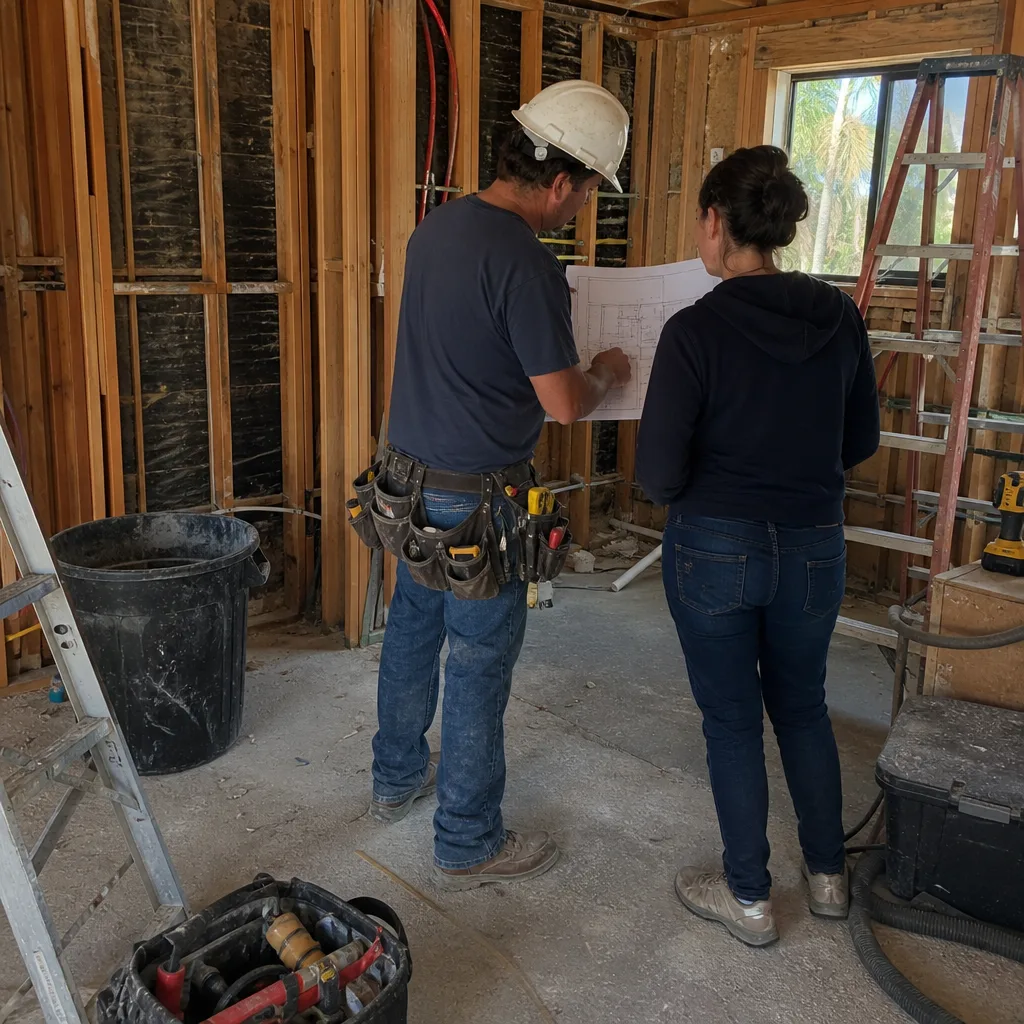
Most Ventura homeowners don’t worry about building permits until the moment they become a problem. That moment is usually the wrong one: during escrow, when a buyer’s inspector flags a remodeled bathroom as unpermitted, or after a claim, when an insurance adjuster notices the water heater was installed without a final inspection sign-off. We wrote this guide because the gap between what California’s statewide building code says and what Ventura’s Community Development Department actually requires is where projects stall, budgets quietly inflate, and families get surprised. For more guides & resources, visit our blog. By the time you finish reading, you’ll know which projects need a permit in Ventura, what the approval timeline really looks like, how inspections work from rough to final, and which mistakes cost homeowners the most.
Styles & brands we work with

Quick Answer
Building permits in Ventura, CA are required for most structural, plumbing, electrical, and mechanical work beyond basic cosmetic finishes, and are issued through the City of Ventura’s Community Development Department. Fees are calculated per project valuation and square footage, and residential remodels typically take 2 to 8 weeks for plan review depending on submission type and project complexity. Inspections follow a fixed sequence, and final approval depends on passing every phase plus meeting California’s Title 24 energy requirements.
Table of Contents
- Which Projects Need a Permit in Ventura (and Which Are Exempt)
- How the Ventura Permit Portal Works: Online vs. Over-the-Counter
- Third-Party Plan Check: The Timeline Shortcut Ventura Allows
- The Inspection Sequence for Kitchen and Bathroom Remodels
- Title 24 Energy Code: What Ventura Inspectors Ask For at Final
- What Permits and Inspections Actually Cost in Ventura
- Common Mistakes to Avoid
- When to Call a Professional
- Frequently Asked Questions
- The Bottom Line
Which Projects Need a Permit in Ventura (and Which Are Exempt)
California sets the baseline in the California Building Code (CBC), California Residential Code (CRC), California Plumbing Code, California Mechanical Code, and California Electrical Code. Ventura adopts these codes with local amendments. What trips people up is that the permit threshold isn’t about how “big” a project feels. It’s about the system being touched. A small kitchen faucet swap doesn’t need a permit. Adding a new outlet in the same wall might. Here’s the practical breakdown for Ventura residential work.
Projects that require a permit in Ventura include:
- Any structural modification: removing or altering a load-bearing wall, adding a beam, cutting new window or door openings, enlarging an existing opening, adding a room, converting a garage to living space, or building a deck over 30 inches above grade.
- Kitchen and bathroom remodels that move plumbing or electrical: relocating a sink, shower, toilet, or appliance; adding circuits; installing a new vanity with new supply lines (the cabinet itself doesn’t need a permit, the plumbing does).
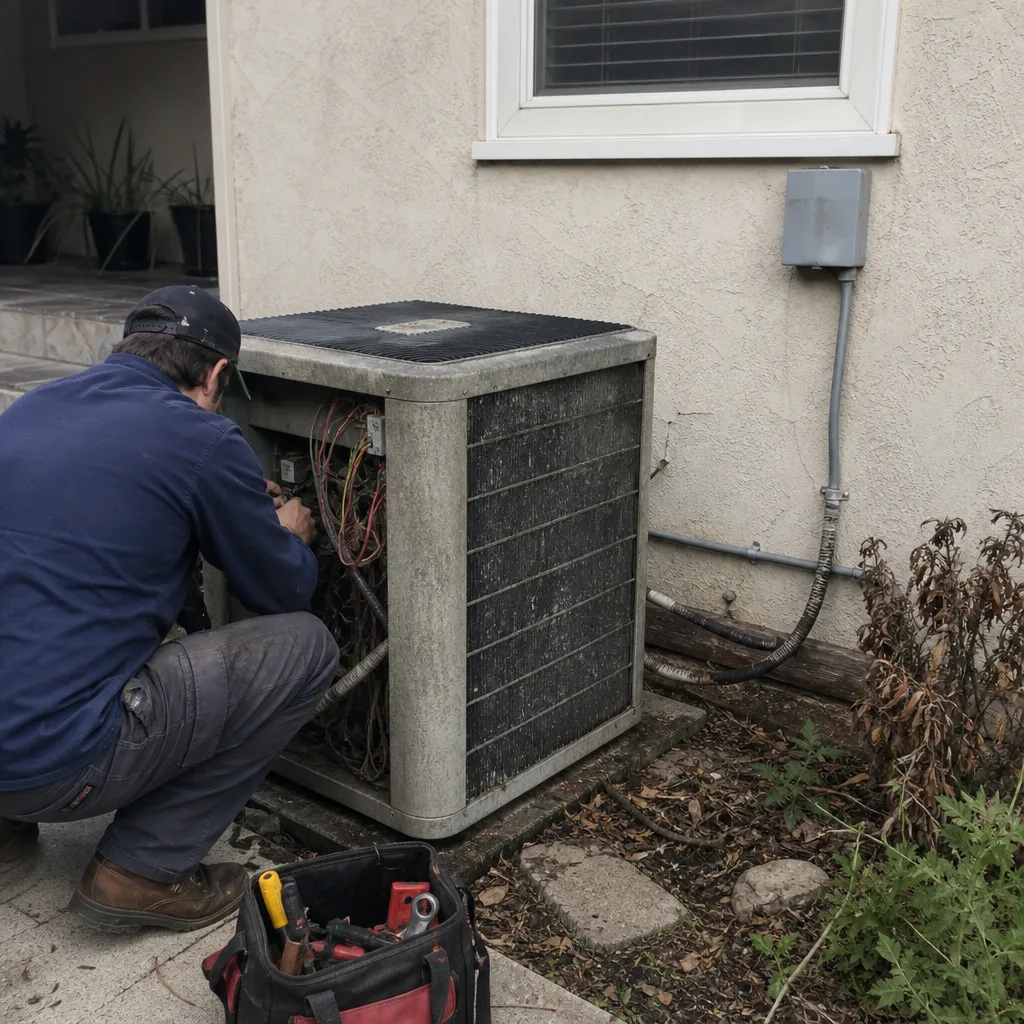
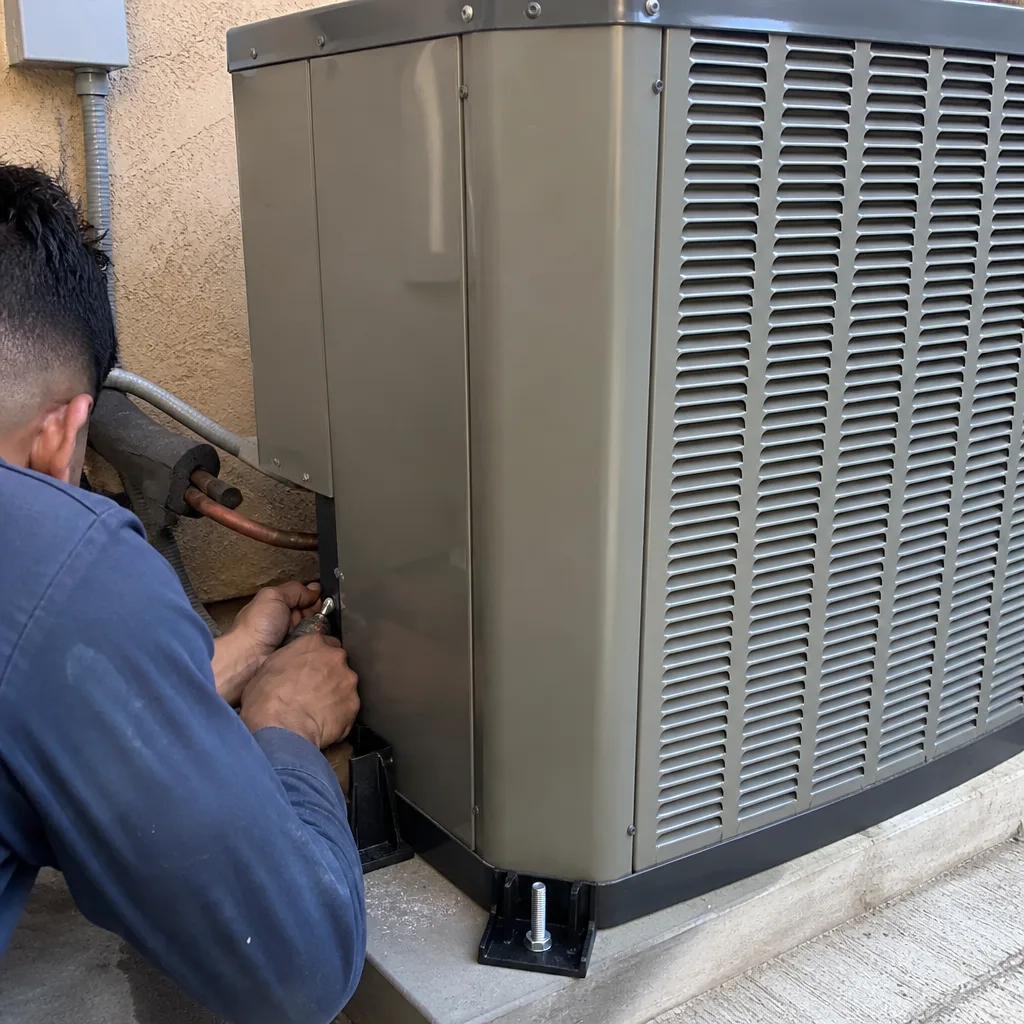
- Water heater replacement and HVAC work: all water heater swaps, furnace or AC replacement, new ductwork, and any gas line modification require permits with corresponding inspections.
- Electrical panel changes: upgrading from a 100-amp to a 200-amp panel, adding a subpanel, or installing an EV charger requires an electrical permit and inspection.
- Roof replacement: full tear-off and re-roofs require a permit in Ventura. A minor repair of a few shingles does not.
- Window replacement when the opening changes: swapping same-size windows is usually exempt, but changing a window to a door or altering the rough opening triggers the permit requirement.
- Fences over 7 feet in height and retaining walls over 48 inches from grade need permits and possibly engineering.
Projects typically exempt in Ventura include painting (interior or exterior), flooring replacement, countertop replacement without plumbing changes, cabinet refacing or replacement when plumbing stays put, swapping like-for-like fixtures, and replacing a toilet in the same footprint.
Our crews have worked in neighborhoods from Midtown to the college area, and we’ve seen the same pattern many times: a homeowner tiles a shower without a permit, the waterproofing detail doesn’t match current code, and the fix three years later costs triple the original permit fee. The permit isn’t the expensive part. The correction is.
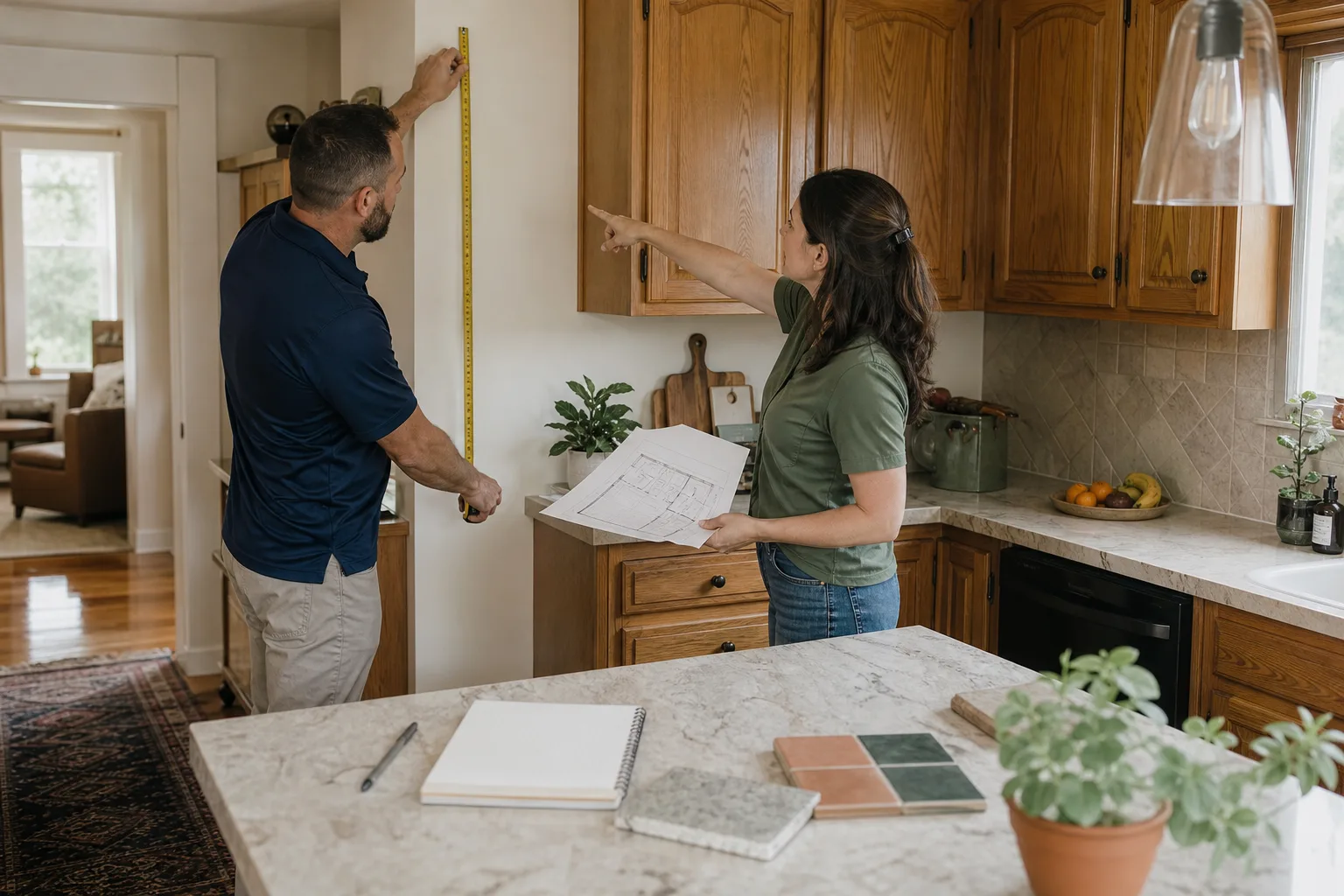
Need help determining whether your project needs a permit? Our team at General Contractor in Ventura can evaluate your scope during a free estimate and tell you honestly what the city will require.
How the Ventura Permit Portal Works: Online vs. Over-the-Counter
Ventura uses an online permit portal through the City of Ventura’s Community Development Department. Homeowners and contractors can submit plans electronically, pay fees, schedule inspections, and track permit status without visiting city hall. For simple permits, the city also offers over-the-counter service at the permit counter at 501 Poli Street. The difference matters if you’re trying to protect a start date.
Here’s how the two paths compare in practice:
- Over-the-counter permits (water heater replacement, simple electrical, re-roof, some window replacements) can often be issued the same day, especially if you arrive before 2:00 p.m. with complete paperwork. You walk out with the permit in hand.
- Online submissions for remodel-level work require plan review. The city’s residential plan review queue in Ventura typically runs 2 to 4 weeks for a first response, but our experience in the last two years is that complete, professionally prepared plans often see comments within 10 business days. Incomplete submissions go back to the end of the line.
- Revisions add time. If the plan checker writes comments, you respond, and resubmit. Each resubmission cycle is usually 1 to 2 weeks. Two rounds of comments are common; three rounds means something was misread in the original scope.
What most online guides don’t tell you: the city of Ventura’s permit fees are calculated from project valuation, and valuation is set by the city’s fee schedule, not simply by what you tell them the project costs. For a kitchen remodel with a valuation of $60,000, the building permit fee alone typically lands between $800 and $1,400. Electrical, plumbing, and mechanical permits each have their own fee schedules on top of that. We cover exact fee structures in the fees section below.
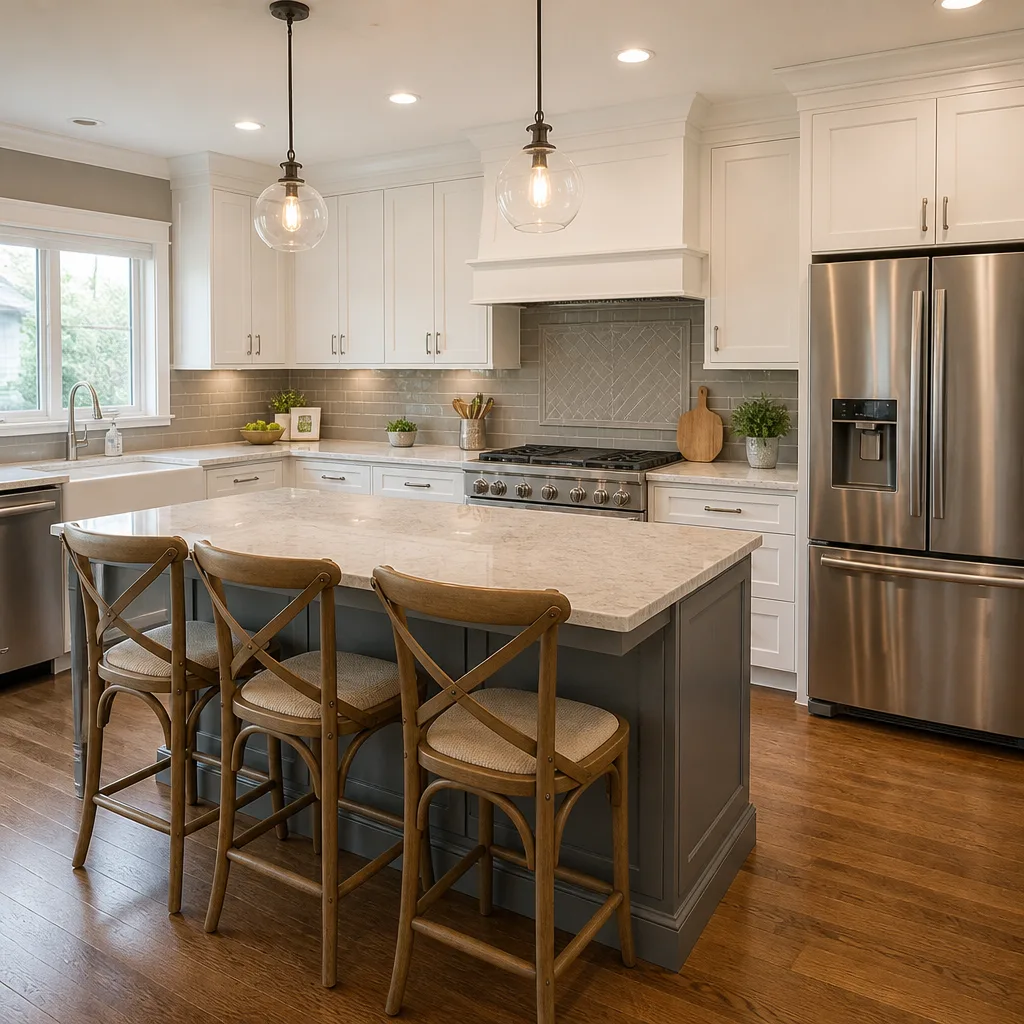
For Kitchen Remodeling in Ventura, we submit plans through the portal the same week the written price is accepted. That means permit processing doesn’t add avoidable weeks to the construction timeline.
Third-Party Plan Check: The Timeline Shortcut Ventura Allows
Ventura participates in a California program that lets some residential projects use an approved outside plan checker instead of waiting for city staff review. A third-party plan check means a licensed engineer or architect reviews your plans against the same codes the city uses, stamps them, and submits the approval to the city as part of the permit application. The city retains final authority, but the review workload moves off the city’s queue.
When it makes sense:
- Straightforward single-room remodels where the structural work is minimal and the drawings are clean. A kitchen remodel that doesn’t touch load-bearing walls is a good candidate.
- Projects with a tight closing or move-in date where shaving 2 to 4 weeks off approval matters.
- When the city’s plan review queue is backed up, which happens seasonally in late spring and early fall as homeowners rush to start projects before holidays and school schedules.
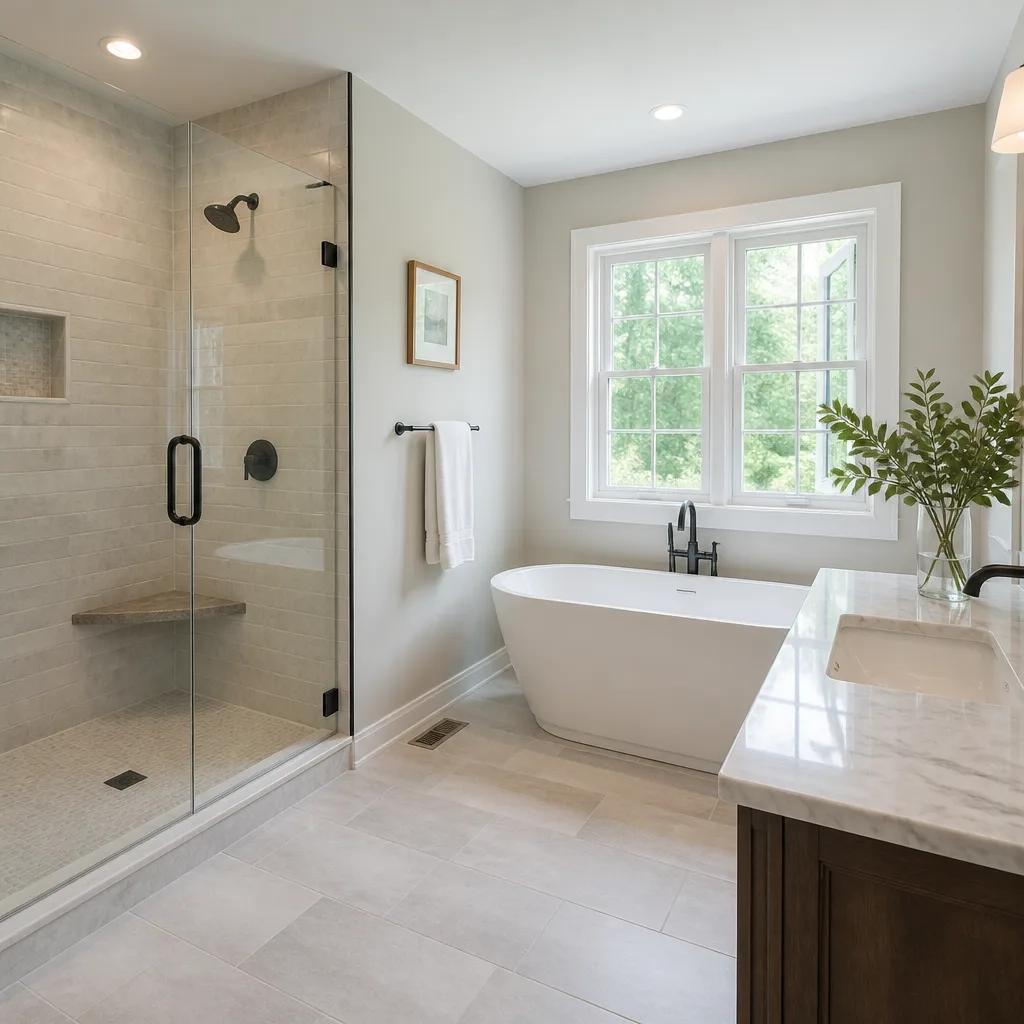
Third-party plan review costs extra, typically $500 to $1,500 depending on project size and the reviewer’s rates. Against a project budget of $40,000 to $100,000, that’s usually less than the carrying cost of a delayed start. For Bathroom Remodeling in Ventura, we recommend it on a case-by-case basis, and we’ll tell you when it’s worth the money and when it isn’t.
The Inspection Sequence for Kitchen and Bathroom Remodels
Inspections in Ventura follow the same phased logic as most California cities. The inspector comes to the site at defined milestones, and each phase must pass before the next one proceeds. If a phase fails, the contractor corrects the issue and schedules a reinspection. Here’s the typical sequence for a kitchen or bathroom remodel in Ventura:
- Rough framing inspection. After demolition is complete and new framing is up, the inspector checks stud spacing, header sizing, fire blocking, and shear wall details if any structural work was done.
- Rough plumbing inspection. Supply and drain lines are pressure-tested. For shower pans, the pan must hold water for the inspector to verify no leaks before tile goes in.
- Rough electrical inspection. Wiring is checked for circuit sizing, box fill, grounding, and GFCI/AFCI requirements. This happens before drywall is hung.
- Insulation inspection. Batts or foam are checked for R-value compliance and proper installation. In Ventura, this often gets combined with a Title 24 verification for exterior walls.
- Drywall and lath inspection may be required depending on fire separation details, especially in kitchens adjacent to garages.
- Final inspection. Everything is checked: fixtures, outlets, smoke and CO detectors, water heater strapping, appliance connections, and Title 24 documentation. The inspector also confirms the permit card and posted job site address match.
A failed inspection isn’t a disaster, but it does mean a minimum 2 to 3 business day delay in Ventura while the fix is made and the reinspection is scheduled. Common failures we’ve corrected on other contractors’ projects include missing GFCI protection within 6 feet of a sink, shower pan test failures, and missing smoke detector upgrades that are triggered by any remodel over a certain dollar threshold in California.
Title 24 Energy Code: What Ventura Inspectors Ask For at Final
California’s Title 24, Part 6 sets energy efficiency standards for residential buildings. Ventura’s coastal climate gives it a mild zone (Climate Zone 6 in Title 24 mapping), which means less severe heating demands than inland cities, but the code is still enforced. For a kitchen or bathroom remodel, the Title 24 requirements most likely to affect your project are:
- Lighting. Every permanently installed light fixture in the remodeled area must be high-efficacy, typically LED or a fixture with a high-efficacy rating. Recessed cans must be Title 24-compliant models with gaskets and no thermal bypass.
- Ventilation fans. Bathroom exhaust fans must be Energy Star-labeled and wired to run automatically or be controlled by a humidistat or occupancy sensor. The fan’s CFM rating must match the bathroom’s square footage per code.
- Windows. If your project includes new or replacement windows, the U-factor and SHGC (solar heat gain coefficient) must meet Title 24 minimums for Climate Zone 6. In Ventura, that means windows with a U-factor of 0.32 or lower and SHGC of 0.25 or lower typically satisfy the prescriptive path.
- Insulation. New walls or re-insulated walls in the remodeled area must meet R-value requirements. For 2×4 exterior walls in Ventura, that’s typically R-13 or R-15, and the inspector will ask for the insulation certificate at the insulation inspection.
At final inspection, the Ventura inspector may ask for the CF-1R (compliance documentation prepared before the work) and CF-2R (installation verification completed by the contractor). If your remodel didn’t trigger Title 24 plan requirements because the scope was modest, the inspector will still verify that whatever was installed meets the code. Our team prepares Title 24 documentation as a standard step in every permitted remodel, not as an afterthought.
What Permits and Inspections Actually Cost in Ventura
Ventura’s fee schedule is formula-driven, and it’s one of the most commonly misunderstood parts of budgeting a remodel. The city calculates building permit fees from the project’s valuation, and the valuation is determined by the city’s published building valuation table, which assigns a dollar-per-square-foot value to different project types. You don’t get to invent your project’s valuation to lower the fee.
Here’s what Ventura homeowners should expect for common project types, including the building permit plus typical separate electrical, plumbing, and mechanical permit fees:
- Water heater replacement: $110 to $180 total, issued over the counter, inspection included.
- Electrical panel upgrade (100A to 200A): $250 to $400 for the electrical permit, plus any plan check fee if the city requires it.
- Bathroom remodel (fixtures moved, new shower, new tile, new vent fan): $550 to $1,100 total for building, plumbing, electrical, and mechanical permits, depending on valuation.
- Kitchen remodel (appliances relocated, new circuits, structural header for a pass-through): $900 to $1,900 total.
- Whole-home remodel or addition (200 to 400 square feet added): $2,500 to $6,000 total, including school impact fees and any public works fees attached to the permit.
These are planning ranges based on projects we’ve managed in Ventura in the last three years. Your exact total depends on square footage, valuation, and how many separate permits the scope triggers. A written price from your contractor should include every permit fee line item, including school fees where applicable. We give every homeowner a line-item written price before any work starts, so there’s no permit-fee surprise after demolition day. If you’re planning a whole-home project, we recommend starting with our Elmstead Remodeling Ventura home page to understand what a complete package includes.
Common Mistakes to Avoid
- Skipping the permit because a friend or neighbor did. Ventura’s code enforcement isn’t aggressive door-to-door, but permit records surface during sale disclosures, refinance appraisals, and insurance claims. A neighbor’s lucky year doesn’t protect your escrow.
- Applying for the permit before the scope is final. Every scope change after permit issuance means an amendment or a new permit. Finalize the plan first. This is one reason we don’t start demolition until the written scope is approved and the permit is in hand.
- Assuming the permit fee is the total cost of compliance. Permit fees are one line item. Plan check corrections, Title 24 documentation, additional inspections, and reinspection fees all add up. Budget 10 to 15 percent above the published permit fee for the full compliance cost.
- Treating Title 24 as optional paperwork. The inspector will fail final without the compliance documentation for the fixtures, windows, or insulation you installed. It’s not a box to check later.
- Using a handyman for permit-required work. In California, a contractor performing work that requires a permit must hold a valid contractor’s license in the correct classification, and the permit must list that license. An unlicensed handyman who “knows a guy” at the city is not a thing. You’re signing the project’s liability.
- Ignoring the garage-to-living-space conversion rule. Converting a garage in Ventura without a permit is one of the most common unpermitted structures to surface during escrow. The retroactive permit process includes bringing the entire space up to current code, not the code that existed when the conversion was done.
- Forgetting that some products need their own approvals. Fencing systems from manufacturers like Jerith, Bufftech, and ActiveYards may have installation specifications that differ from Ventura’s wind-load requirements for their specific product lines. Install to the manufacturer’s spec and the city’s code simultaneously, or the fence may fail inspection even though the product is solid.
When to Call a Professional
You can pull a permit as a homeowner in Ventura, and the city will accept an owner-builder application. That doesn’t mean every project should be a DIY vs Professional Construction: The Ventura Homeowner’s Decision Guide exercise. Call a licensed contractor when the project moves load-bearing walls, touches gas lines or main electrical panels, requires Title 24 compliance documentation, or needs to pass inspections on a schedule you’ve already promised to a mortgage lender or a moving truck. A failed gas-line inspection on a kitchen remodel isn’t a weekend fix. It’s a reschedule, a reinspection fee, and a delay in getting your family back into the kitchen. If you’re in Ventura and want a free estimate on a permitted remodel, Elmstead Remodeling Ventura covers general contracting, kitchen, bathroom, and whole-home work with written pricing and named-brand materials including fixtures from Kohler, Moen, and Grohe. Call (341) 218-4316 to schedule your free estimate.
Frequently Asked Questions
Simple over-the-counter permits like water heater replacements can be issued the same day at Ventura’s permit counter. Residential remodel permits that require plan review typically take 2 to 4 weeks for the first response, plus 1 to 2 weeks per revision cycle if the plan checker requests changes. Complete, professionally prepared plans significantly reduce revision cycles. Call (341) 218-4316 if you need a realistic timeline for your specific project scope.
Unpermitted work can surface during escrow as an unpermitted structure disclosure, during an insurance claim as a coverage denial, or when the city notices the work and issues a stop-work order plus a permit after the fact with penalties. Retroactive permits almost always cost more than the original permit would have because the work must be brought up to current code, which can mean opening walls for inspection. See our Construction Warning Signs: A Ventura Homeowner’s Reference Guide for more red flags. If you’re planning a remodel, the permit question is worth answering before any demolition starts.
Yes, Ventura allows owner-builder permits for work on your own primary residence. The catch: you’re personally responsible for code compliance, inspection scheduling, worker safety, and any defects that surface after the work. For projects involving gas lines, structural changes, or electrical panels, hiring a licensed contractor who carries the permit under their license is the safer route.
For a typical bathroom remodel with plumbing and electrical changes, expect to pay $550 to $1,100 total across the building, plumbing, electrical, and mechanical permits. The cost varies by project valuation, which the city calculates from its own valuation table. Call (341) 218-4316 for a line-item estimate on your specific project, including all permit fees.
If you’re replacing cabinets, countertops, and appliances in the same locations without touching plumbing or electrical, a permit may not be required in Ventura. The moment you move a sink, add a circuit, relocate a range, or cut a new opening, the permit requirement kicks in. Our rule: if a pipe or wire moves, plan on a permit.
A failed inspection means the contractor corrects the issue and schedules a reinspection, which in Ventura typically adds 2 to 3 business days to the timeline. Serious corrections that require opening up finished work can add a week or more. The best protection against failed inspections is a contractor who pre-inspects each phase against the city’s checklist before the city inspector arrives. Our General Contractor Maintenance Checklist for Ventura Homeowners covers what to verify at each stage.
The Bottom Line
Permits in Ventura are a process, not a formality. The city’s plan review timeline, the phased inspection sequence, Title 24 compliance, and the cost of correcting unpermitted work all hit the same point: doing it right the first time is faster and cheaper than fixing it later. The permit protects the person who buys your house in five years, the insurance company that covers your house this year, and your family’s safety every day in between. If you’re planning a remodel in Ventura and want a contractor who handles permits, inspections, and Title 24 without surprises, call Elmstead Remodeling Ventura at (341) 218-4316 for a free estimate with a written price before any work starts.
Written by Graham Stein, Owner at Elmstead Remodeling Ventura, serving Ventura since 2005.
See the difference
 Before
 After
After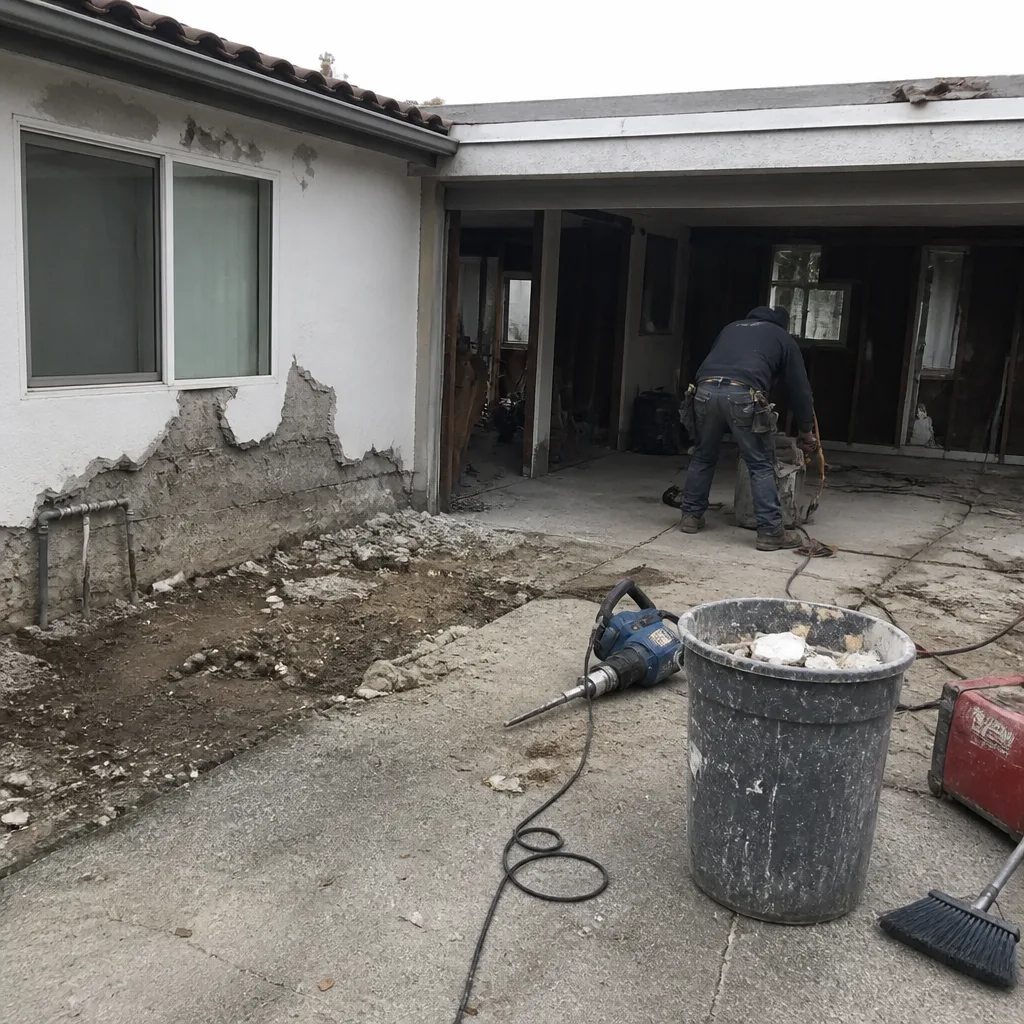 Before
 After
After Before
 After
After