Last updated October 15, 2026





Free written scope consultation - allowances, timeline, and change-order rules on paper before a single trade is scheduled
Seasonal Construction Care for Ventura: Year-Round Homeowner’s Guide
Ventura’s driest month is July, but ask any roofing contractor when their phone rings most and they’ll tell you February. The reason is simple: summer bakes and cracks what winter then floods. Our coastal climate doesn’t punish homes with snow and ice, but it does subject them to four distinct stress cycles each year. Understanding that sequence, and acting before each stress peak arrives, is the difference between a $200 maintenance call and a $4,000 repair. This guide walks through what actually happens to Ventura homes across the calendar, when to look, what to look for, and what’s worth fixing now versus watching. For more guides & resources on protecting your home, see our blog.
Quick Answer
Seasonal construction care in Ventura means working with four stress periods, not four traditional seasons, as we detail in The Complete Guide to Construction in Ventura: the December – February rain window, the March – May paint and caulk window before marine layer humidity climbs, the June – September dry-heat expansion period, and the October – November Santa Ana wind prep window. Homeowners who inspect gutters, weep holes, threshold seals, caulk lines, vents, and deck fasteners during these specific windows spend meaningfully less on reactive repairs than those who follow a generic spring/fall checklist built for other climates.
Styles & brands we work with







Table of Contents
- December – February: The Rain and Intrusion Window
- March – May: The Paint, Caulk, and Exterior Seal Window
- June – September: Dry Heat, Wood Stress, and Deck Care
- October – November: The Pre-Santa Ana Checklist
- How to Build a Seasonal Home Log That Actually Works
- Common Mistakes to Avoid
- When to Call a Professional
- Frequently Asked Questions
December – February: The Rain and Intrusion Window
Ventura receives nearly all of its annual rainfall between November and March, with January and February typically bringing the heaviest, most sustained storms. The first significant rain of the season is not a weather event. It is an inspection event. What was dry and stable in October gets tested by water for the first time in months, and failures announce themselves immediately.
After the first real rain of the season, we recommend walking the house with a specific list. You are not looking for problems that already exist. You are looking for the places where water is being directed somewhere it should not go.
What to inspect after the first significant rain
- Gutters and downspout extensions: Check that water exits at least 3 to 4 feet from the foundation. In Ventura’s hillside neighborhoods like Ondulando, Clearpoint, and the Foothill area, a downspout dumping against an uphill foundation wall during a January storm will find its way in through the tiniest crack. Check downspout extensions are still attached after wind or yard work.
- Window weep holes: Aluminum and vinyl window frames have small drainage slots at the bottom exterior edge. If those weep holes are clogged with dust, spider webs, or paint, water pools inside the frame and runs down the interior wall instead. A bent paperclip clears most blockages in under a minute.
- Door threshold seals: South- and west-facing doors take the brunt of Ventura’s wind-driven rain. Run a hand along the bottom interior edge of the door after a storm. If it feels damp, the threshold seal or door sweep has failed. This is a $20 fix that prevents thousands in subfloor damage.
- Exterior wall penetrations: Check where hose bibs, conduit, cable lines, and vents enter the stucco or siding. The caulk around these penetrations dries and pulls away over Ventura’s long dry summers, and January rain finds every gap.
Why Ventura homes fail differently than inland homes
Ventura’s rainfall is not dramatic by national standards. We average 15 to 16 inches per year, concentrated in a handful of storm events. But because those storms are infrequent, the gaps between them are long, and small failures go unnoticed for months. A roof leak that lets in a cup of water during a February storm may not show itself until March, after the drywall has wicked that moisture upward into insulation.
If you notice a musty smell inside the house within a week or two of a storm, or if paint begins to bubble on a ceiling below the roofline, do not wait for the next rain to investigate. Water intrusion after Ventura’s rain events tends to compound. The damage gets wider even when the weather stays dry, because trapped moisture keeps working through building materials.
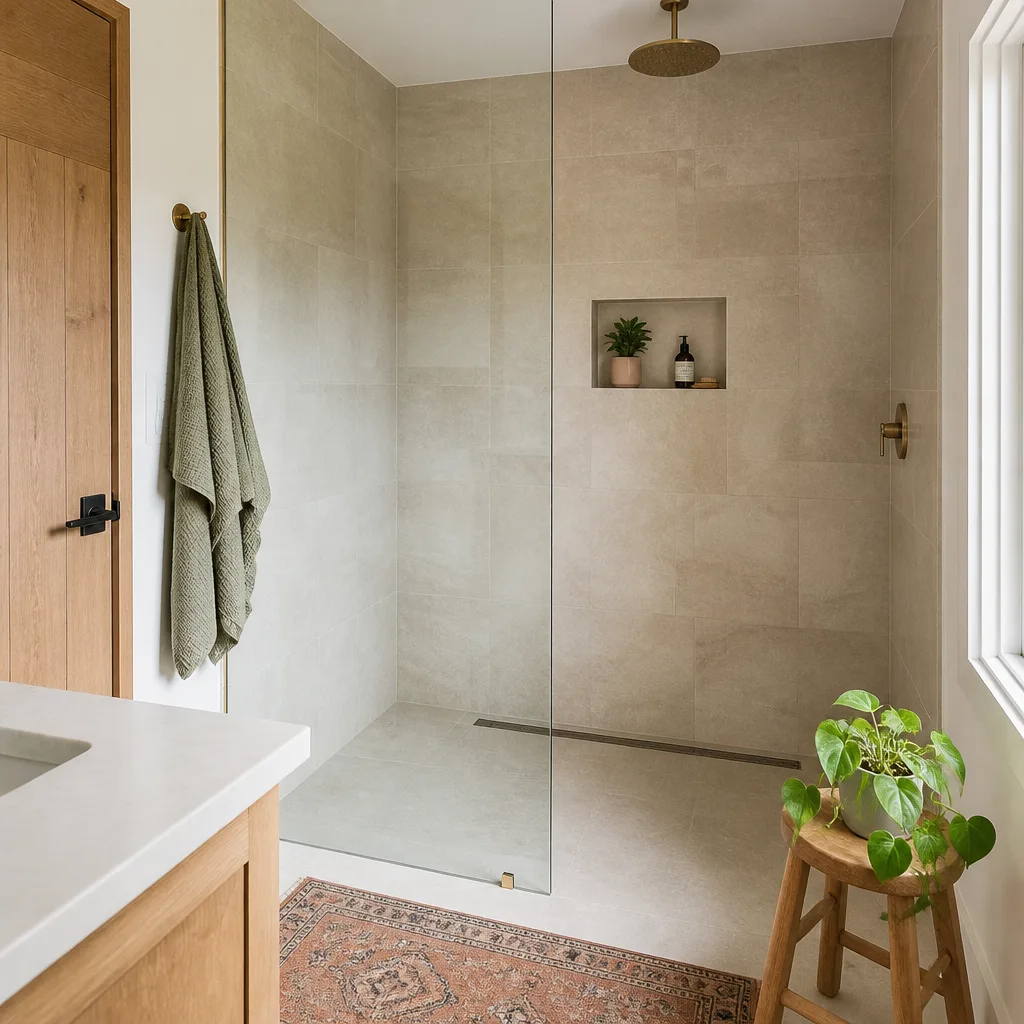
For homeowners considering larger projects during this window, interior work is often the better call. Rain complicates exterior demolition, framing, and finish work. A Bathroom Remodeling in Ventura project can move forward on schedule through the rainy months, while a full exterior repaint cannot.
March – May: The Paint, Caulk, and Exterior Seal Window
If you are planning exterior painting, caulking, stucco repair, or any work that involves paint adhesion in Ventura, the window between March and late May is the one to protect. The reason is not temperature. It is the marine layer.
Ventura’s spring conditions are ideal for exterior finishes: daytime highs in the 60s and 70s, low rain probability, and most importantly, overnight dew points that are still low enough for paint and caulk to cure correctly. Once June arrives and the marine layer settles in, the humidity climbs even on days when the sky is gray and the temperature feels mild.
Why application temperature and dew point matter for Ventura homes
Paint and caulk manufacturers specify both an application temperature range and a dew point margin. Most exterior latex paints require surface temperatures between 50°F and 90°F, and more critically, the surface temperature must stay at least 5°F above the dew point during application and for several hours after. When it does not, moisture condenses on the surface before the paint skins over. The result is poor adhesion, early peeling, and a finish that may look fine for six months and then start failing along the edges.
In Ventura, the dew point problem is most acute in June and July, not in the winter. The marine layer raises relative humidity to 80 percent or higher overnight, even though temperatures are comfortable. Paint applied at 2 p.m. on a June day may look perfect, but if the dew point rises before the coating has cured, adhesion suffers. By March through May, the dew point spread is typically wide enough for reliable curing, and the afternoon sun has not yet become intense enough to cause the paint to dry too fast, which creates its own set of problems on south-facing walls.
What to inspect every spring
Before the marine layer settles in, walk the exterior with a focus on seals and joints. In our experience, the caulk and sealant joints are where Ventura homes lose the most ground every year.
- Check every caulked joint: Around windows, doors, trim boards, and where stucco meets wood. Caulk that has shrunk, cracked, or pulled away from either surface needs to be cut out and replaced. We recommend a high-quality polyurethane or hybrid sealant rated for exterior use and for movement, not a cheap acrylic that hardens in one season of direct sun.
- Inspect the stucco for hairline cracks: Small cracks under an eighth of an inch can be filled with a paintable elastomeric caulk. Cracks wider than that, especially around corners or above windows, may indicate settlement and should be evaluated before paint goes over them.
- Repaint timing: If the paint is chalky, faded, or showing exposed primer on south and west exposures, this is the window to schedule the work. A repaint done in March or April at a General Contractor in Ventura standard of preparation and material quality protects the stucco and trim for another 7 to 10 years in our coastal climate.
June – September: Dry Heat, Wood Stress, and Deck Care
Inland-facing exposures in Ventura, particularly in neighborhoods east of Victoria Avenue and up into the Saticoy and East Ventura areas, see summer temperatures that regularly climb into the 80s and 90s. The air is dry, often single-digit humidity, and the sun is intense. This is the period that quietly does the most long-term damage to wood and wood-composite materials.
Wood expands when it absorbs moisture and contracts as it dries. In Ventura’s summer, that contraction is extreme and sustained. Deck boards develop end-gap separation. Fence boards cup. Exterior door frames shift. Railing posts begin to move within their brackets. None of this is a defect in the materials. It is the predictable response of wood to a dry, hot, low-humidity climate.
Wood decks vs. composite decking: how Ventura’s heat affects each differently
We get asked regularly whether wood or composite decking holds up better in Ventura. The honest answer is that they fail in different ways.
Wood decking (cedar, redwood, and pressure-treated pine are the common choices here) dries out from the sun’s heat and the low humidity. Boards shrink across their width, opening gaps between them. The fasteners, which do not shrink, begin to work loose. The wood fibers on the top surface break down from UV exposure, leaving a gray, fuzzy surface that holds moisture when the rainy season finally arrives. Wood decks need annual or biennial attention: tightening fasteners, replacing split boards, and resealing with a penetrating oil or water-repellent finish. Skipped for two or three seasons, a wood deck in full sun may need board replacement rather than refinishing.
Composite decking addresses many of the maintenance complaints of wood. It does not splinter, does not require sealing, and resists the surface graying that wood develops. But composite boards expand and contract along their length with temperature changes, and in inland Ventura’s summer heat, that movement is real. The result is visible end-gap changes between summer and winter, and if the deck was installed without the correct gapping for the temperature during installation, boards can buckle or push against each other. Composite also holds heat differently than wood. On a 90-degree August afternoon in East Ventura, a dark composite deck surface can be unpleasant to walk on barefoot. Lighter colors manage this better.
Which products hold up better in inland-facing exposures: For wood, we specify cedar or redwood over pressure-treated pine for visible deck surfaces; they are more dimensionally stable and more resistant to the cupping we see in the heat. For composite, we favor brands that publish thermal expansion specs and offer lighter color options. If the deck will get direct afternoon sun in July and August, choose a lighter shade and plan for wider end-gaps at installation.
What to check every summer
- Deck board fasteners: Walk the deck and note any boards that creak, flex, or shift underfoot. These have loosened. Retighten or replace the fasteners before the board develops cracks that water will enter in winter.
- Fence posts and gates: Dry heat causes posts to shrink within concrete footings, opening a small gap that rain can enter later. Check for movement and re-set posts that have shifted more than a quarter inch.
- Exterior door frames: The heat differential between sun-exposed and shaded sides of the same door frame causes stress. If a door begins to stick in July or August, do not plane it aggressively. The frame may relax in the fall and the door will swing freely again. A small adjustment is fine; removing a quarter inch is not.
- Sprinkler overspray on stucco and wood trim: This is a summer-only problem in Ventura. Dry heat makes stucco micro-porous, and sprinkler overspray that hits a wall every morning will be absorbed. Over a season, this causes efflorescence, paint blistering, and wood rot at the base of trim boards. Adjust sprinkler heads so they water plants, not walls.
Summer is also a productive window for interior remodeling. With children on a different school-year schedule and before the holiday season arrives, many Ventura families use July and August for a kitchen or bathroom project. A Kitchen Remodeling in Ventura during this period often means the family can sequester the construction zone and keep daily life moving around it more easily than during school months.
October – November: The Pre-Santa Ana Checklist
Santa Ana winds typically arrive in Ventura between late September and early December. They are dry, warm, and sustained, with gusts in the foothill and canyon corridors that can exceed 50 miles per hour. For a home, the Santa Ana season is not primarily a fire-safety issue, though that matters. For the structure itself, it is a fastener and debris issue.
The October – November window is the time to walk the property with an eye toward what the wind will pick up, lift, or tear loose. This is a specific list, and none of the items on it take more than an hour to check.
The pre-Santa Ana checklist
- Loose roofing materials: Walk the perimeter and look at the roofline with binoculars if the roof is not safely visible from the ground. Note any lifted, curled, or missing shingles or tiles, especially at the rake edges and ridge. A single loose tile on a Ventura hillside home becomes a projectile in 40 mph gusts. Do not climb onto the roof; a pair of binoculars from the street gives you most of what you need, and a roofer can handle the rest.
- Patio covers and awnings: Check every bolt and bracket on covered patios, aluminum awnings, and shade structures. The wind will flex these, and the flexing works fasteners loose over time. Tighten bolts, replace rusted hardware, and secure any decorative end caps that have become loose.
- Irrigation backflow preventers: These above-ground devices are required by Ventura’s water district on most irrigation systems, and they are a common point of failure in Santa Ana events. The exposed copper or brass pipes are soft enough to bend when hit by flying debris. Insulate and secure them. If the device is in a location where wind-driven debris is likely, consider a simple protective cage, which costs under $50 and prevents a $300 repair.
- Outdoor furniture, planters, and children’s play equipment: Anything that can be picked up by a gust should be moved inside, weighted, or strapped before a wind event. This includes trampolines. We have seen trampolines from one yard end up in a neighbor’s pool more than once during Santa Ana season in Ventura’s east end.
- Tree limbs overhanging the roof: Santa Ana winds break limbs that have been weakened by summer drought stress. Any limb within four feet of the roofline should be pruned back by a licensed arborist before the wind does it for you. A limb that falls on a roof can damage the membrane under the roofing material, and that damage often does not reveal itself until the first rain.
This is also a good time to walk the house for any exterior items that need repair before the holiday season. If a bathroom or kitchen project is on the calendar for early the following year, starting the design conversation in October or November gives the family time to make selections without pressure. The Elmstead Remodeling Ventura home team provides a written price before any work starts, so families have firm numbers before the project planning gets serious.
How to Build a Seasonal Home Log That Actually Works
Most homeowners do not keep a home log, and the ones who do often abandon it because the log becomes a burden. The fix is to make the log so simple that it takes under five minutes per entry, and to tie each entry to one of the four seasonal windows above.
The purpose of the log is not documentation for its own sake. It is to create a searchable record that makes warranty claims, insurance claims, and contractor conversations far more productive. When you can tell a contractor “we first noticed the crack in the east wall in April 2025 and it has grown about a quarter inch since,” you have given them something no amount of on-site inspection can recover.
How to set up the log
- Choose a digital format: A shared note in your phone, a Google Doc, or a simple notebook. Digital is better because you can attach photos. The format does not matter. The consistency does.
- Create four entries per year: One for each seasonal window: early January after the first significant rain, late May before the marine layer sets in, late August during peak dry heat, and late October before Santa Ana season. Four entries per year. That is the entire commitment.
- For each entry, record three things: What you inspected, what you found, and a photo of anything notable. A photo of the same corner of the house, taken four times a year, is often the single most useful piece of information a contractor can receive.
- Tag the entry with the season and year: “January 2026: found damp threshold seal on back door, east side. Replaced sweep. Photo attached.” That is a complete entry, and it takes 45 seconds to write.
When a warranty question comes up later, or when an insurance adjuster asks when the damage first appeared, the log turns a vague memory into a dated record. When you call a contractor, the log gives them a starting point that saves hours of diagnostic time. We have had clients hand us a three-year photo sequence of a crack in their stucco, and it changed the entire shape of the repair conversation because the pattern told us exactly what was moving and when.
For families, the log is also a way to pass institutional knowledge about the house from one owner to the next. When you sell, handing over the log is a meaningful signal that the house was maintained thoughtfully. It costs nothing and it communicates a great deal.
Common Mistakes to Avoid
Over years of working on Ventura homes, we see the same avoidable mistakes repeat. None of them are complicated, and all of them are expensive when unaddressed.
- Following a generic seasonal checklist built for another climate: Ventura’s stress cycle is rain, marine layer, dry heat, and wind. A New England-style fall checklist tells you to drain the sprinkler system, which makes no sense here. Use a Ventura-specific rhythm.
- Painting exterior surfaces in June or July because the weather feels pleasant: The dew point problem described earlier is invisible and causes premature paint failure. The work may look fine for months, and then peel in April. Schedule exterior painting in March through May.
- Ignoring small stucco cracks because they “look fine”: In Ventura’s cycle, a hairline crack in summer becomes a water entry point in January. Hairline cracks are cheap to address. Water damage behind stucco is not.
- Waiting until a storm to check gutters and downspouts: If you are on a ladder in the rain, the failure has already begun. Check them in October and again after the first rain. Fix them in dry weather.
- Planing a sticking door in August: Wood expands and contracts seasonally. A door that sticks in dry heat may swing freely by October. Make only minimal adjustments and let the seasons do their work.
- Not recording anything: The home log takes 20 minutes per year total. The absence of it turns every future repair into a guessing exercise. Four entries a year. That is all it takes.
- Skipping the downspout extension check: We see foundation soil erosion and crawl space water intrusion in Ventura every winter where the only root cause was a downspout that dumped water against the foundation. The fix is under $15. The repair is often thousands.
When to Call a Professional
Most of the seasonal care work in this guide is inspection and minor maintenance that a homeowner can do safely from the ground. Some conditions warrant a trained eye. If you notice water staining on an interior ceiling or wall after rain, especially if the stain is growing between inspections, call a contractor with experience in water intrusion. Before any exterior work, review Construction Permits, Codes & Inspections in CA: What You Need to Know to understand requirements. If exterior caulking has failed along multiple penetrations, or if paint is peeling in sheets rather than small patches, the underlying issue may be moisture, not just old paint. If a structural crack appears in stucco, foundation, or drywall, and it grows from season to season, that is a settlement or movement question that should not be guessed at. And if the home log reveals a pattern that worries you, act on it earlier rather than later. Elmstead Remodeling Ventura offers free estimates in Ventura. Call (341) 218-4316 to schedule a walkthrough, and we’ll give you a written price before any work starts.
Frequently Asked Questions
Most seasonal maintenance items in Ventura cost between $15 and $300 when caught early: downspout extensions run $10 to $25, door sweeps and threshold seals run $20 to $60, and a professional exterior caulking touch-up typically runs $250 to $600 depending on the number of penetrations. The same issues left unaddressed become $2,000 to $8,000 repairs when water reaches framing, subfloor, or drywall. Scheduling a free estimate is the best way to get an exact number for your house. Call (341) 218-4316 and we’ll walk the property with you.
Summer causes the damage and winter reveals it. Ventura’s dry heat bakes caulk, shrinks wood, and opens tiny gaps in seals and joints. Then January and February rain pushes water into every gap that summer created. Neither season alone is the problem; the combination is what drives most repair work on Ventura homes.
In Ventura, early paint peeling is usually a dew point or surface moisture issue, not a paint quality problem. Paint applied during the marine layer months of June and July, or over stucco that has absorbed sprinkler overspray, fails at the adhesion layer. Painting in March through May, when dew points are low and surfaces are dry, produces noticeably longer-lived results.
No. Ventura’s winter lows rarely dip below the mid-30s, and a brief overnight frost does not damage properly drained irrigation lines. The seasonal concern for irrigation in Ventura is Santa Ana wind damage to exposed backflow preventers, which should be secured and protected each October.
End-gap separation and small surface checking in wood decking are normal responses to Ventura’s dry summers. Splits that run the full thickness of the board, boards that have moved more than a quarter inch out of their fastener line, or boards that feel soft underfoot are problems. The heavier the deck’s sun exposure, the more movement to expect, and inland-facing exposures in East Ventura move the most.
For interior work like kitchens and bathrooms, July through September is often the most practical window for Ventura families: the weather is dry, children’s school-year rhythms are looser, and the project is finished before the holiday season. For exterior work like painting, stucco repair, and window or door replacement, March through May is the window that gives the materials their best chance at a clean cure.
The Bottom Line

Ventura’s homes face a predictable annual cycle: winter rain, spring marine layer, summer dry heat, and autumn Santa Ana winds. Each period stresses the home differently, and each has a narrow window in which small, inexpensive actions prevent large, expensive repairs. The January rain check, the April caulk and paint inspection, the August deck and frame check, and the October wind prep walk take less than two hours per year combined. Paired with a simple four-entry home log, they give you a house that sheds water, resists movement, and stands up to wind season after season. When a repair is beyond a seasonal check, call Elmstead Remodeling Ventura at (341) 218-4316 for a free estimate and a written price before any work begins.
Written by Graham Stein, Owner at Elmstead Remodeling Ventura, serving Ventura since 2005.
See the difference
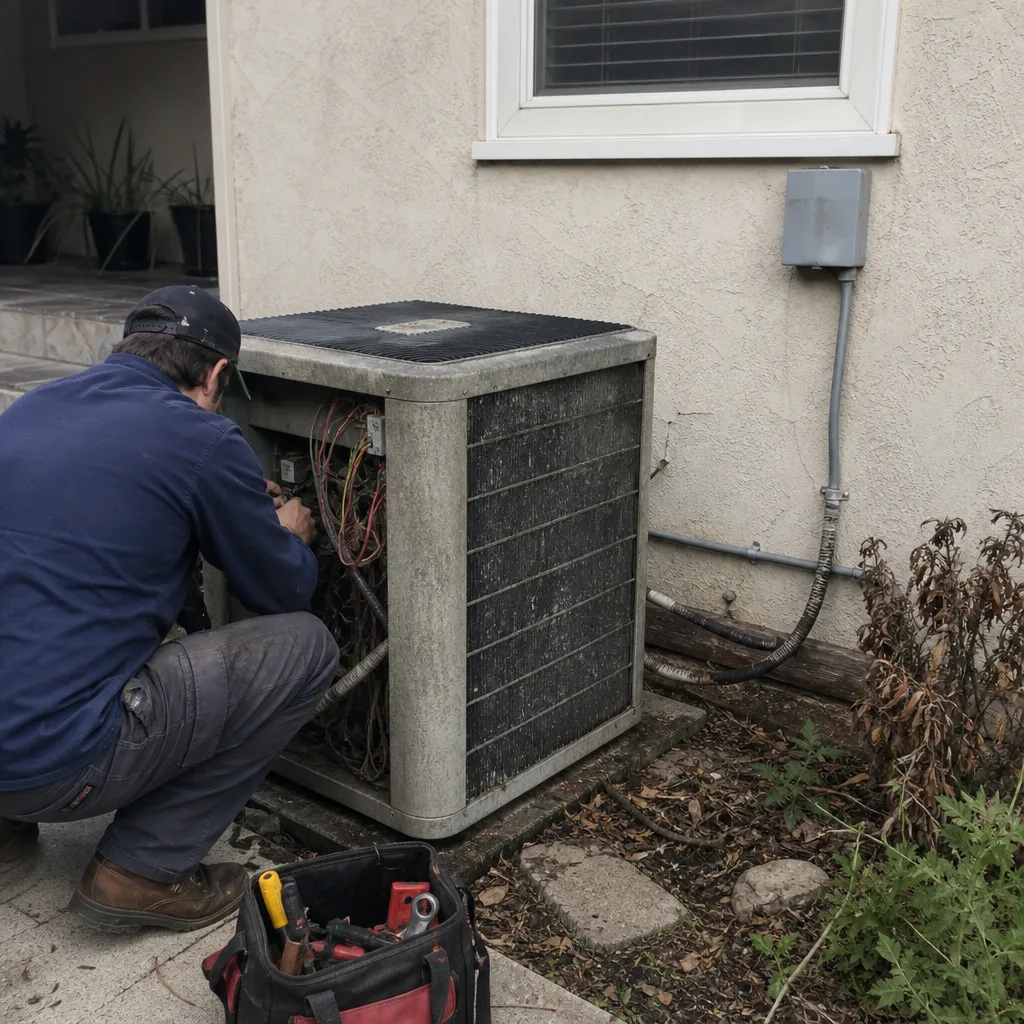 Before
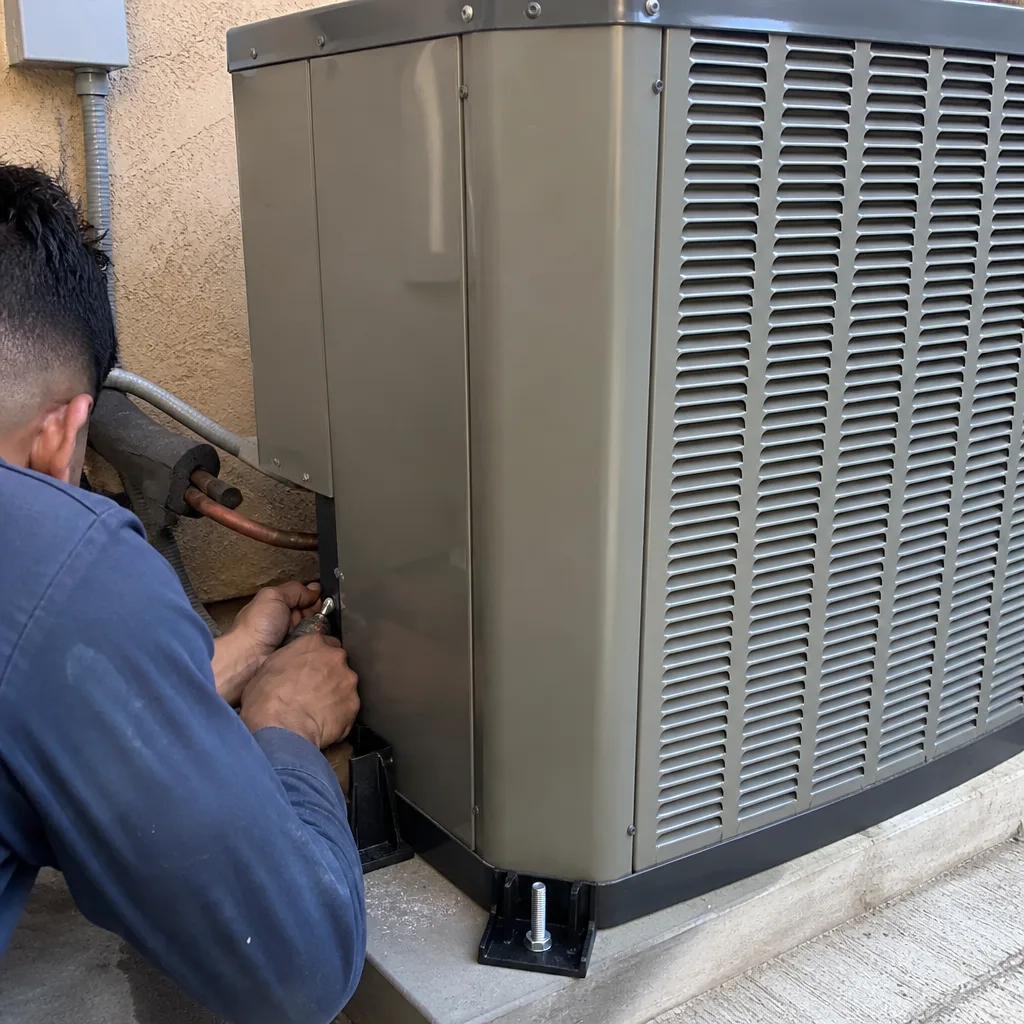 After
After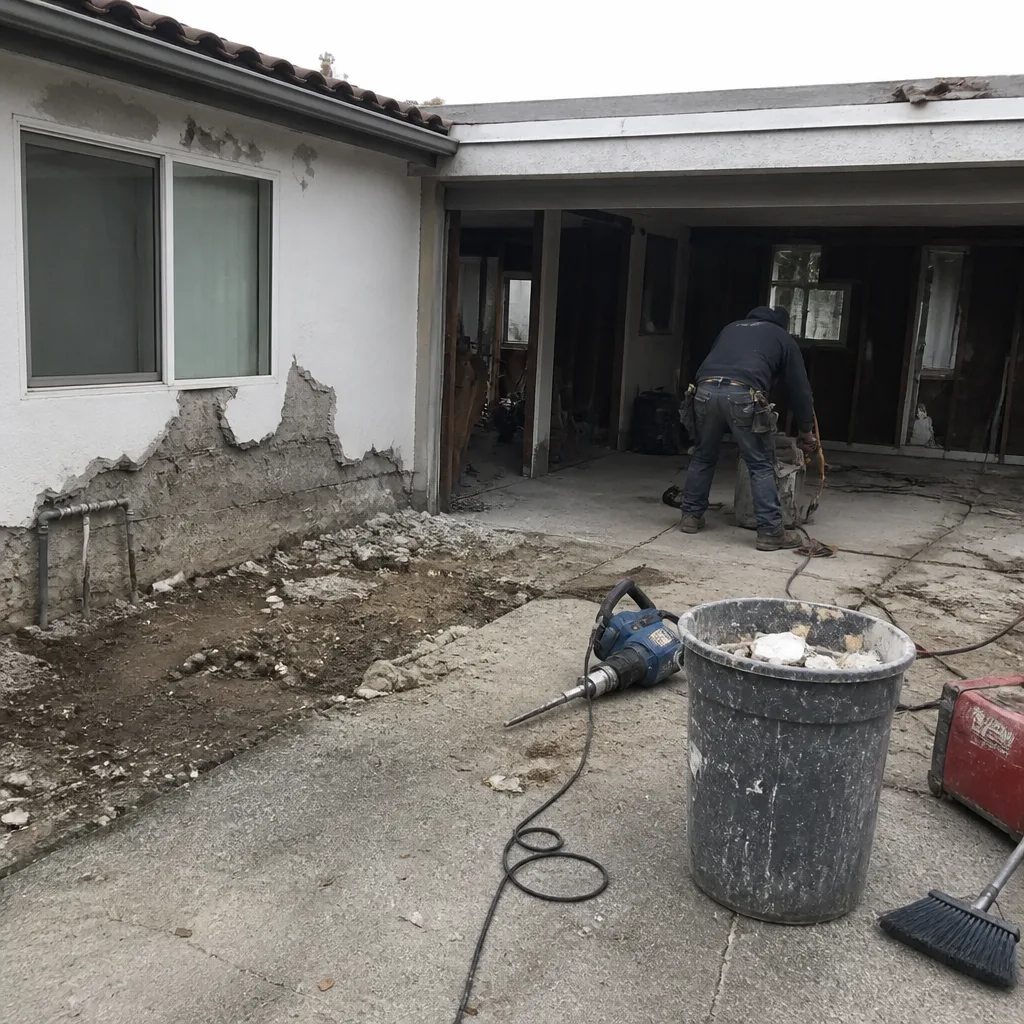 Before
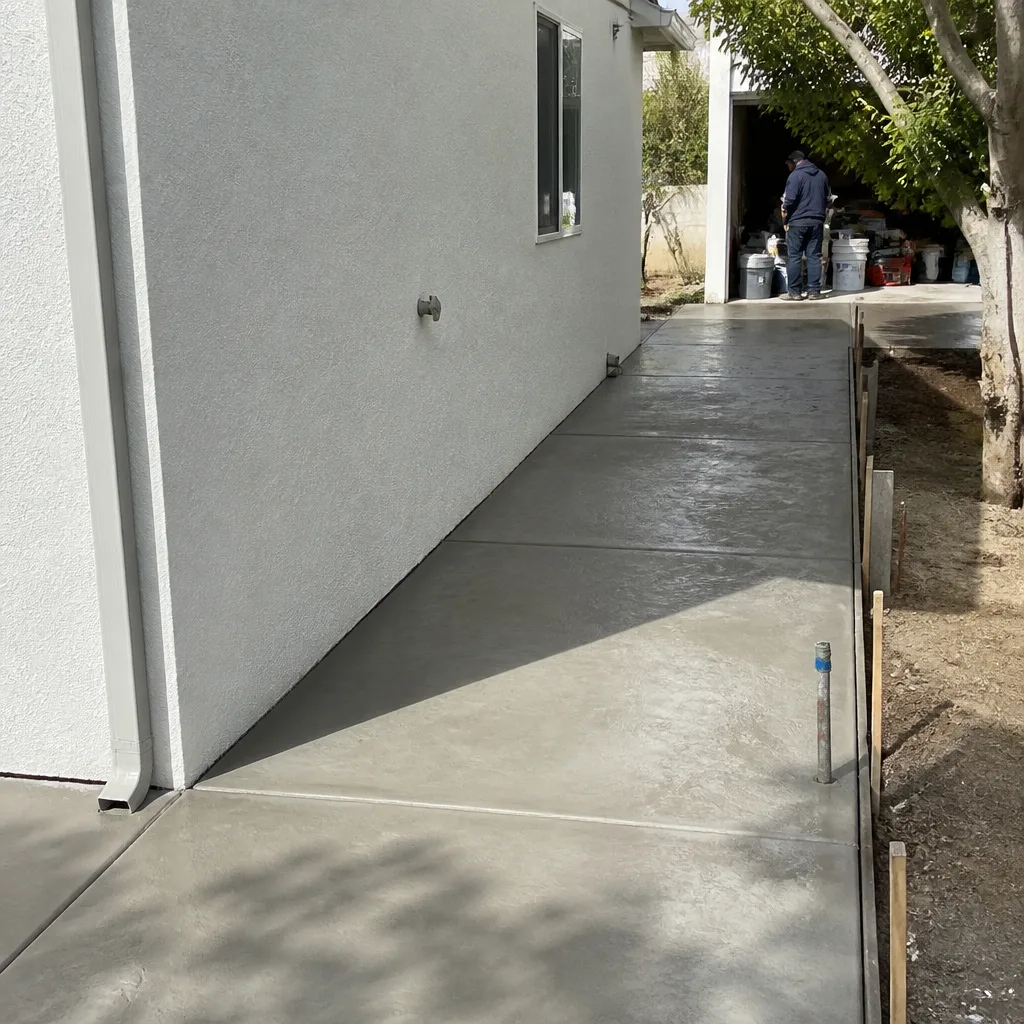 After
After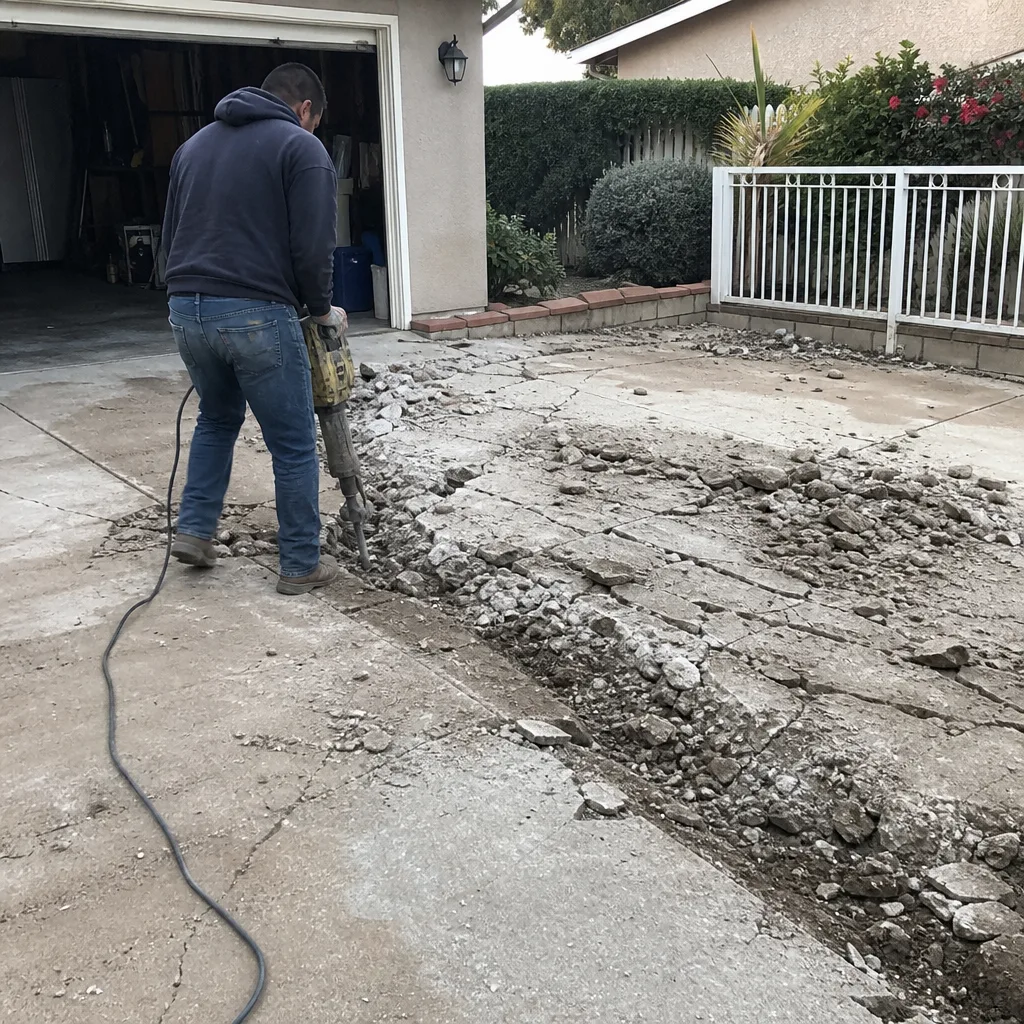 Before
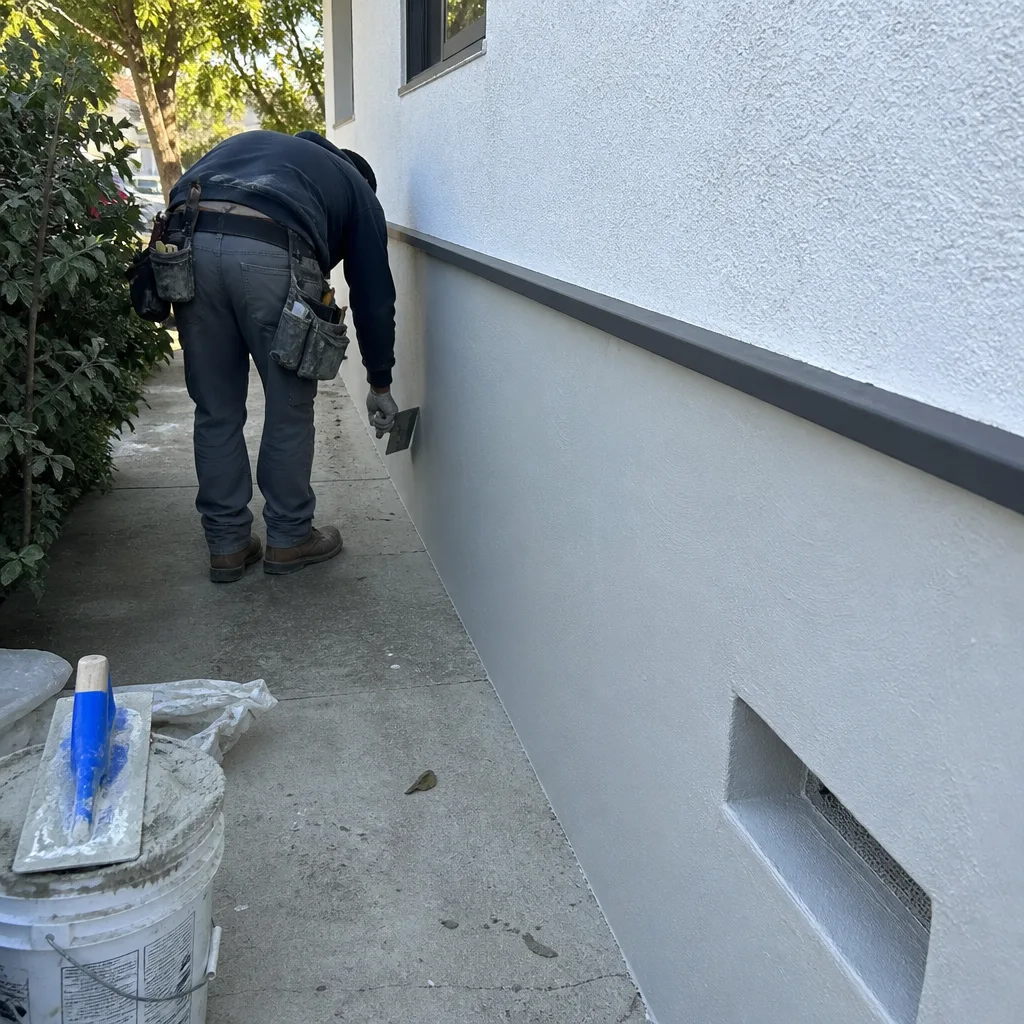 After
After